
by Brandon B.
Happy Independence Day!
As you celebrate, take the opportunity to include the library. The Fourth of July holiday commemorates the signing of the Declaration of Independence, in which the American colonies sought their freedom from England’s authority. The Equity Resource Center located at our Central Branch provides access to information on famous people like Ida B. Wells, Malcolm X, and Gandhi. In addition, you can borrow great films that celebrate freedom and equality such as, Guess Who’s Coming to Dinner, Schindler’s List, Philadelphia, and Freedom Writers.
As people traveled to America to embark on a new journey, they came from all races and cultures to find life, liberty, and the pursuit of happiness. Unfortunately, everyone’s journey to the United States was not a pleasant experience. In Frederick Douglass and the Fourth of July by James A. Colaiaco, he illustrates the extraordinary story of a slave turned distinguished gentleman.

Born in Maryland to a white father and black mother, Frederick Douglass was an abolitionist who taught himself how to read and write, which almost cost him his life. Through self-education and resilience, Douglass became one of the greatest orators and writers in American history. Frederick Douglass was invited to speak to the citizens of Rochester, New York on July 5, 1852 at the Corinthian Hall. In the speech that would be later entitled “What, to the Slave, is the Fourth of July,” Douglass explained how it was difficult to celebrate a holiday that symbolizes freedom and independence for Americans, even when many blacks were lynched, beaten, and sold as property. Douglass states in his speech, “What, to the American slave, is your 4th of July? I answer; a day that reveals to him, more than all other days in the year, the gross injustice and cruelty to which he is the constant victim.”
You can read this speech and others in Narrative of the Life of Frederick Douglass, an American Slave by Frederick Douglass; edited with an introduction by Ira Dworkin, which is available in many formats.
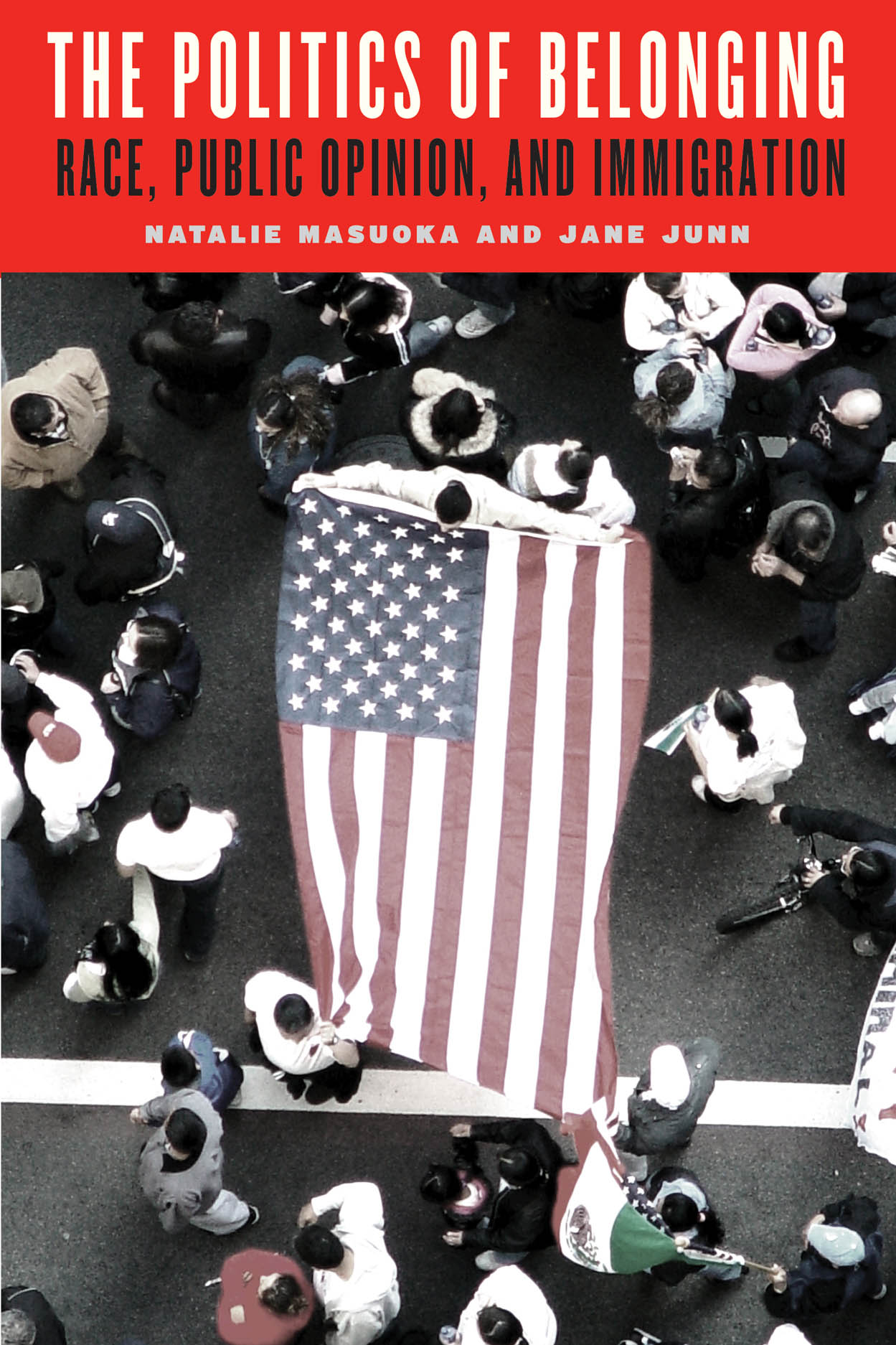
In another great read, The Politics of Belonging: Race, Public Opinion, and Immigration by Natalie Masuoka discusses America’s long-debated immigration laws. It tackles how families and cultures can find their place in American society, even through racial barriers and unforeseen obstacles.
As you enjoy your great family barbecues, parades, concerts, and spectacular fireworks shows, consider what look the Fourth of July looks like from many points of view.
Brandon is a Customer Service Specialist at HCLS Central Branch who loves reading, football, and taking nice long walks around his neighborhood.
 CHAPTER CHATS