
by Piyali C.
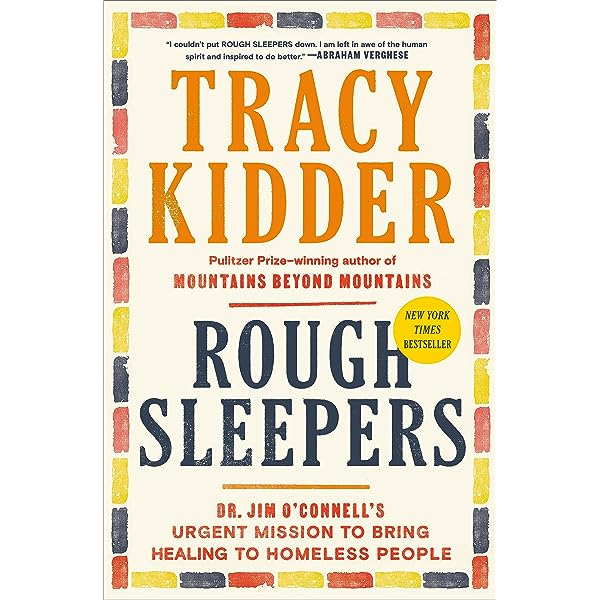
After graduating from Harvard Medical school and towards the end of his residency, Dr. Jim O’Connell, a brilliant and gifted man, was approached by the Chief of Medicine of Massachusetts General Hospital to help in an organization to provide health care for the homeless population of Boston. “Rough sleepers” is a British term for someone who is homeless and sleeps without adequate shelter or protection. Dr. O’Connell decided to defer a prestigious fellowship at Memorial Sloan Kettering hospital for a year to devote his time to developing the Boston Health Care For The Homeless Program, which, at the time, was primarily run by nurses. He was not convinced this was his life’s calling but he could not refuse his superior’s plea for help.
The first day he walked into the clinic at Pine Street Inn Shelter, he had his stethoscope around his neck. A nurse at the shelter, Barbara McInnis, asked him to put his stethoscope away and instructed him to soak the feet of the patients. While Dr. O’Connell did not understand the significance of the instruction at the time, he did what he was told. As he soaked each individual’s feet for several days, they gradually started opening up to him. The homeless population had an ingrained mistrust of physicians because they had been treated disrespectfully for so long. Once he put away his stethoscope, people slowly started telling him about their other ailments. Dr. O’Connell listened and treated but only if they were willing to be treated. He respected their choice about their own health.
Thus began Dr. Jim O’Connell’s lifelong journey of providing not only medical care but friendship and respect for the human dignity of the homeless people of Boston, whom he encountered in his long tenure of providing medical care. Pulitzer Prize winning author Tracy Kidder followed Dr. Jim for five years as he rode his Street Team van to seek out individuals who needed medical attention on the streets. If not medical help, he handed out blankets, warm socks, a sandwich, Dunkin Donut gift cards, or hot chocolate. He offered treatment or shelter for a chilly night but always left the choice to the individual whom he was trying to help. He emphasized a style of medicine where the patients came first. The providers and the patients created a ‘circle of friends’. Throughout his career Dr. O’Connell viewed his patients in their totality. He heard their stories. He came to know they were incredibly brave, they were difficult, they were charming, they could be obnoxious under the influence of alcohol or substance abuse, and when the effect wore off, they were kind, clever and funny.
This is one of those books that changed the way I thought about the homeless population. Each person I see living on the streets has a story. I had stopped seeing them in the true sense of the word. I was desensitized to their presence, often getting annoyed by their panhandling. After reading the book, I was aware of my part in perpetuating the process of robbing a person of dignity by not “seeing” them.
Rough Sleepers is inspiring, thought provoking, and a beautifully written documentation of the lives of some individuals who have truly hit the rock bottom in life and those who are trying their best to help them and give them the human dignity that everyone deserves.
Rough Sleepers by Tracy Kidder is available in print, e-book and e-audiobook formats.
Piyali is an instructor and research specialist at HCLS Miller Branch, where she facilitates Light But Not Fluffy and co-facilitates Global Reads. She keeps the hope alive that someday she will reach the bottom of her to-read list.
 CHAPTER CHATS