
by Robyn E.
“The history of women has been a story of silence, of breaking through the silence… with beautiful noise.”
There was a time when a harmonious sequence of bleeps and bloops would not be considered music. Nowadays, the influence and techniques of electronic music are so ubiquitous, you can hear them in most songs found on the pop charts. A good number of my favorite music artists are influenced by this broad genre umbrella. The more sonically creative and mind-bending tracks I’ve enjoyed have made me wonder: Did they hear these magnificent sounds swirling in their heads first? Or did they just emerge from trial and error, through the persistent fiddling of knobs on machinery?
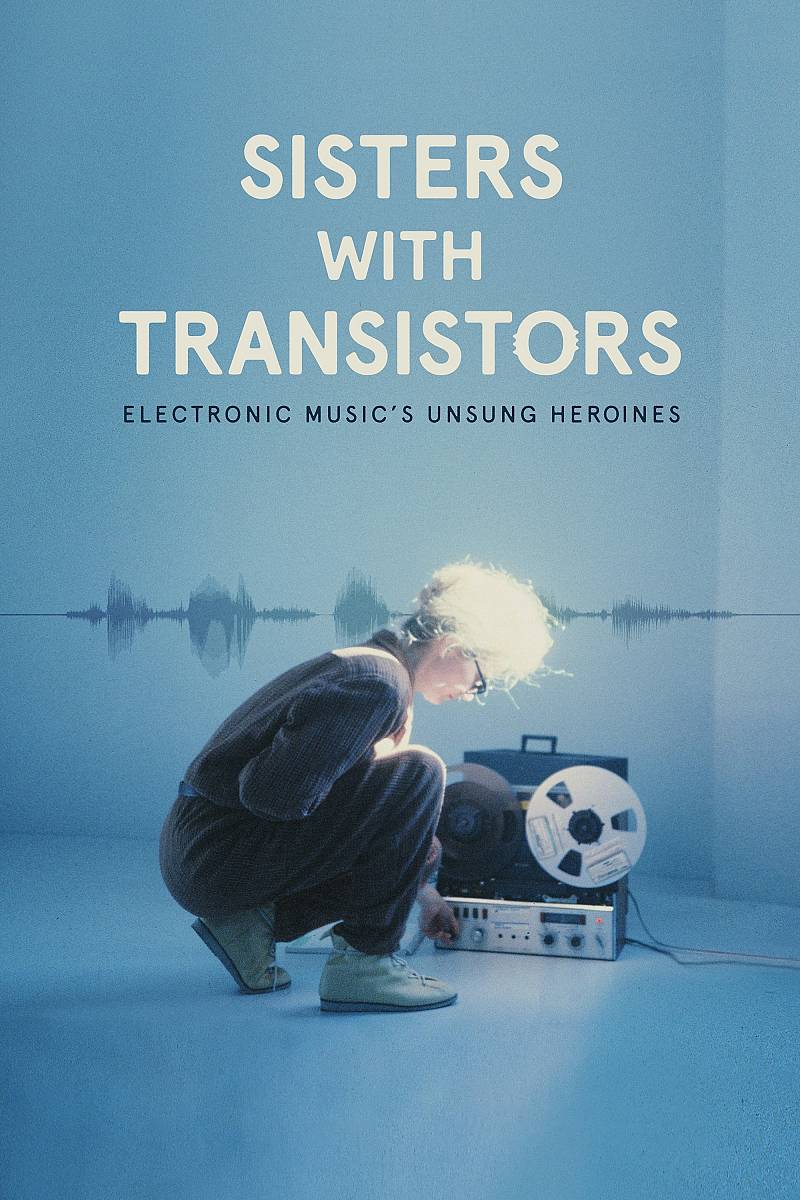
Sisters With Transistors is a documentary film that puts the spotlight on the women who contributed to the birth of electronic music but who are often relegated to the background. They brought their experiences in math, science, and art along with a passion for experimentation to create sounds that, at the time, sounded like nothing that had existed on this planet before. Through archival footage and testimonies, we get to see each creator with their own equipment and hear about their creative processes, influences, and philosophies.
One important contributor was Delia Derbyshire, who arranged the electronic version of the opening theme to Doctor Who. She credited her love of abstract and meaningful sounds to the World War II air-raid sirens she heard as a child. The duo of Bebe Barron and her husband Louis Barron created sounds by overloading homemade circuits. Strange and unique sounds emerged from the resulting burnout which they then recorded, transformed, and edited. They are best known for creating the soundtrack to the movie Forbidden Planet, considered the first movie with an all-electronic score. There are many other stories like these to be found within the film.
Some of the equipment that could be found in these pioneers’ studio-laboratories include homemade electronic circuits, tape recorders, electronic oscillators, and synthesizers. Each of the women featured harnessed new technologies for their creative liberation, in spite of fears that these same tools might instead be used for dehumanization. There was also, in a way, freedom for these women. Since they were not accepted through more mainstream outlets such as radio stations or record companies, they ultimately had more control over what they created. Adopting a DIY mentality was essential, not because they chose to, but because of the barriers they encountered.
While watching this film, seeing the raw creativity and curiosity on display lit something in my own brain. I was taken back to a time in my younger years when I would experiment with tape recorders (did any other fellow 90s kids have a Talkboy tape recorder??), capturing snippets of sound effects, songs, and TV audio and assembling them into a sequence to create what I thought at the time were hilarious results. To be honest, I genuinely don’t think I could listen to those tapes now if I ever found them. Still, the liberating feeling of artistic experimentation and expression is an important one to keep alive. That same spark of creativity can be so difficult for me to capture these days, but I love to experience it vicariously through others.
While certainly only a cross-section of the musicians who contributed to the genre, Sisters With Transistors offers a fascinating look at the women who helped lay the foundations for the evolution of electronic music that followed. Here’s to those who follow the call of the unknown and answer with unearthly and beautiful noise.
Robyn is a Customer Service Specialist at the East Columbia Branch. She enjoys various media that paint a surreal or dark picture, animation, drawing, cats, and drinking coffee out of her Moomin mugs.
 CHAPTER CHATS