


By Maryam S.
Caretaking for elderly adults with limited mobility demands physical strength, mental flexibility, and proper education, as I have learned from personal experience. A caretaker is not there only as a nurse but also as financial and emotional support. When my octogenarian loved one was diagnosed with an incurable illness, her amazing medical team showed up for her in the hospital but left me on my own to figure out how to tend to her needs once she was discharged.
I received numerous messages from the close circle of my kindhearted friends who kept reminding me to make sure I was taking care of myself, too. As one put it: caregiving for an elderly adult is the hardest job in the world. It’s a marathon, not a sprint. Those were the words of wisdom I wish I had taken to heart before caregiving started taking its toll on me. I experienced setbacks numerous times. One day I would be more hopeful for her, but the next day would push me back to the verge of despair.
While still at the hospital, her case manager found a rehab facility to keep my patient as long as she needed – but after visiting and seeing the sad reality of how the rehab center functioned, I realized that I would not be able to forgive myself if I made that choice. I told myself: lets see how much I can expend from myself in terms of taking some time off from work to manage my patient’s house as well as her medical needs to ultimately try to make her life as comfortable as possible.

For nutrition, I took from my experience of cooking from different recipes around the world. At Howard County Library System, a large selection of cookbooks for special diets with medical conditions not only made my personal daily goals more enjoyable, they helped me share the idea behind each meal with my patient, who could see these efforts help her feel better despite having a very small appetite. One I can recommend is The Cancer-Fighting Kitchen: Nourishing, Big-Flavor Recipes for Cancer Treatment and Recovery by Rebecca Katz with Mat Edelson. A considerable number of self-help books about caretaking and related topics gave me a broader view of how to react in different situations (see list below).
During many sleepless nights while watching my patient, I found an opportunity to work on my delayed handmade projects. While working quietly on my crafts, e-audiobooks from Libby, cloud library, and Hoopla became my late-night companions. The handmade world was like a sweet scent of cinnamon and cardamom sprinkling over the world, as opposed to the unpleasant smell of medications, pain, sadness, and uncertainty. I learned that I had to fill my own cup first; you can’t pour from an empty cup. For me, I needed to work on my art and being creative, doing exercise, writing, singing – essentially any hobby that can keep the hands and mind occupied.
Hoopla with its various fitness channels also helped me to do my daily workout without being interrupted by unrelated advertisements on social media. I had limited time for myself every day and I had to keep my spirit and physical health in a better condition in order to help my patient. Technology became a useful tool to bring some discipline to my loved one’s daily recovery routine. I found workout videos online from the different universities for the public view to help a loved one practice healthy movement at home.
During this journey, I also learned about the Howard County Office on Aging and Independence, who offer classes and group conversations for caregivers dealing with elderly adults with dementia, cancer, and other conditions. These events are free of charge and encourage caregivers to participate and take benefit from the services of this department. During my conversations with them, I learned how to reach a representative once I face questions that my patient’s medical team may not be available to answer.
I share my experiences for those who may be going through similar experiences. You are not alone. You have so many good resources through HCLS, along with other resources that life provides for you. We all gain a lot of experiences in life by trying different things for ourselves and for our families. We lose and we gain over and over – because it’s all about the patient that we spending our time with. It’s something that doesn’t happen to everyone but happens to many. I call it becoming more.
October is Mental Health Awareness Month, and here are some of many resources available at the library that helped me in my mental health journey while caregiving:
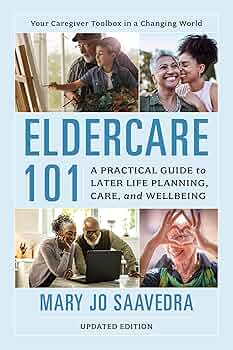
Eldercare 101: a Practical Guide to Later Life Planning, Care and Wellbeing by Mary Jo Saavedra
It’s OK That You’re Not OK by Megan Devine
The Art of Dying Well: A Practical Guide to a Good End of Life by Kathy Butler
The American Cancer Society New Healthy Eating Cookbook by Jeanne Besser
Life After the Diagnosis: Expert Advice on Living Well with Serious Illness for Patients and Caregivers by Steven Z. Pantilat, MD
Maryam S. is a customer service specialist at HCLS Miller Branch. She loves traveling near and far and loves to cook and bake from new recipes.
 CHAPTER CHATS