Bauder Book Talk: Meet two of the authors of Blackout

A black illustrated cover where two people standing holding hands, backs to the viewer, with a sketched city in front of them and lots of small windows lit up.

by Carmen J.

What do you get when you have six talented young adult authors, a pandemic, and a beautiful excuse to celebrate many versions of black love and romance? You get Blackout written by Dhonielle Clayton, Tiffany D. Jackson, Nic Stone, Angie Thomas, Ashley Woodfolk, and Nicola Yoon. Even better, you’ll get to see two of the featured authors (Clayton and Woodfolk) at the third annual Bauder Book Talk event on November 6 from 4:30-6:30 pm at HCLS’s East Columbia Branch.

Written and inspired during the 2020 pandemic and set in New York City during a blackout, each author contributes connecting narratives — which can stand alone — about Black teens in the midst of their unique, complicated, joyful, sometimes simple, often spontaneous, intense, surprising romantic journeys. Whether it’s two young men catching feelings on a stalled subway, a couple who must talk through their past relationship over a long walk across town, two girls whose chance encounter ignites a spark in a nursing home, each interwoven story shines to a satisfying conclusion at a Brooklyn block party. 

In particular, Woodfolk’s “Made to Fit,” Clayton’s “All the Great Love Stories … and Dust,” and the closing story titled “Seymour and Grace” (written by Yoon) are stand-outs. Bonus points for Blackout’s inclusion of queer love and the acceptance of the adults in their lives (Made to Fit). The warmth and feel-good feelings of Blackout remain long after the lights are back on.

EVENT HAPPENING ON NOVEMBER 6: Register now!

Celebrate the voices of young Black girls in literature at this year’s Bauder Book Talk. Dhonielle Clayton and Ashley Woodfolk share how their stories center joy, magic, and truth while creating space for Black teens to see themselves on the page. 

Clayton is a New York Times bestselling author and former middle school librarian whose work celebrates Black joy, magic, and possibility. She is the author of The Belles series and the Conjureverse series.

Woodfolk is the critically acclaimed author of The Beauty That Remains and When You Were Everything. Her work explores love, loss, friendship, and the complexities of finding one’s voice. A former publishing professional, Woodfolk is celebrated for her lyrical prose and heartfelt storytelling that resonates deeply with teens. 

Carmen J. is a teen instructor at HCLS East Columbia Branch. Among her favorite things are great books, all things 80s, shamelessly watching The Bachelor, gardening, and drinking anything that tastes like coffee.

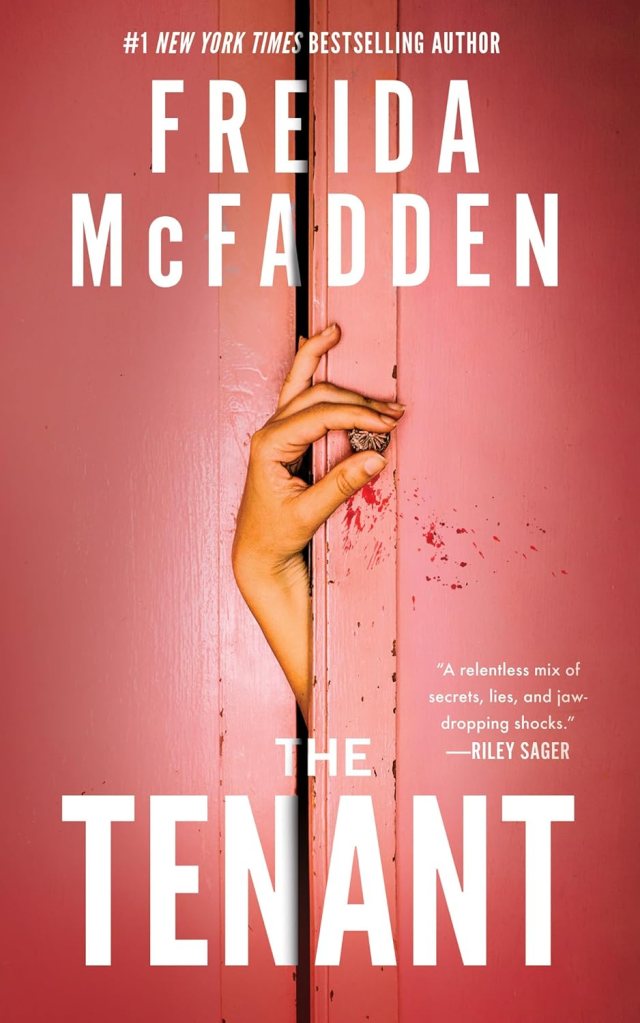
The Tenant by Freida McFadden

The book cover depicts a hand reaching through the crack in a door to turn the doorknob; the area surrounding it has several bloodstains.

by Carmen J.

I’ve never had a live-in tenant, as the thought of living with a stranger — regardless of their glowing references and background checks — seems straight out of an episode of Criminal Minds or Law and Order: SVU. And while I don’t usually fall for hype surrounding “buzzed about” authors, I made an exception for Freida McFadden, in the interest of literary experiment.

I devoured The Tenant, which centers on Blake Porter, a VP of marketing and newly engaged to girlfriend Krista. Blake loses his job, and in order to afford his New York brownstone, he agrees to take in a tenant. But not just any ordinary tenant: The young and beautiful Whitney moves in to help make ends meet for Blake and Krista. Hard-working, charming, smart, and nice, Whitney is the perfect tenant, right? Soon, nothing is right when Blakes discovers dead bodies, family secrets, fruit flies, infidelity, itchy laundry detergent, and plenty of bloodshed. McFadden writes a story dripping with intrigue, one that makes you question how much you can truly trust a stranger living in your home.

There is a reason McFadden’s books are often checked out in our branches. Here, she’s crafted a suspenseful page-turner with twists and turns right up until the epilogue.  The Tenant will live rent-free in your thoughts long after the last page.

The Tenant is available from HCLS in print, large print, as an audiobook on CD, and as an e-audiobook from Libby/OverDrive.

Carmen J. is a teen instructor at HCLS East Columbia Branch. Among her favorite things are great books, all things 80s, shamelessly watching The Bachelor, gardening, and drinking anything that tastes like coffee.
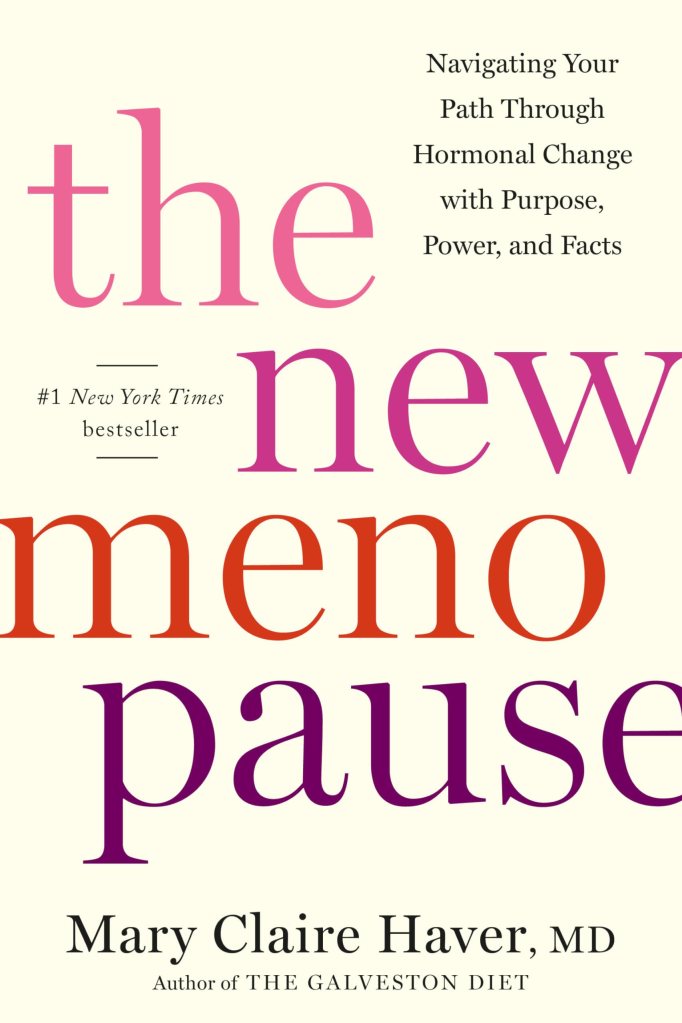
The New Menopause: Navigating Your Path Through Hormonal Change with Purpose, Power, and Facts by Mary Claire Haver, MD

A pale yellow cover has large type in light pink "the", dark pink "new", orange "meno" and purple "pause." So, it reads clearly The New Menopause.

By Carmen J.

I remember when I was 10 years old, my beautiful mother complained about growing whiskers. So, she crankily sought electrolysis treatments, and the term menopause was ingrained in my pre-puberty mind as being a time of much discomfort. I knew I didn’t want to be cranky and have whiskers, either.

As I started my first period in my early teens, the thought of menopause seemed completely out of reach and more for the grandmotherly folks I came into contact with. Menstruation in my teens and early 20s served much more as a general annoyance at times or a sign that contraception was doing its due diligence.

While planning for a family, a missed period would signal joyful anticipation leading to motherhood’s promise of a sabbatical for nursing. As my daughter toddled and entered pre-K, I noticed changes about myself that were surprising. I started sweating without much exertion, my moods were unexplainable, and my reliable cycles became shorter in length and less frequent.

“You’re in perimenopause,” my doctor noted.  “And it may be like this for several years.” Hmm… what?

Fast forward to my book recommendation: Mary Claire Haver, MD’s The New Menopause: Navigating Your Path Through Hormonal Change with Purpose, Power, and Facts. I would qualify this as required reading for all women. 

Dr. Haver, who has garnered a powerful reputation for debunking menopause myths and normalizing conversations about women’s health, delivers a tour de force book that explains perimenopause, menopause, and post-menopausal care. You’ll learn about the variety of symptoms (66!) women can experience and how they are not limited to crankiness and whiskers (Sorry, Mom!). Examples include some that are unexpected or less frequently discussed, including body odor, depression, itchy skin, and tingling extremities. Dr. Haver shares insights surrounding hormone replacement therapy’s role in minimizing symptoms while sharing benefits versus risks. Particularly eye-opening for me was learning about estrogen’s critical duty outside of reproduction (i.e., cognitive and cardiac functions). The book includes a tool kit that serves as a symptom-based resource section and shares strategies for each individual symptom. 

Recently, Dr. Haver appeared on Mayim Bialik’s Breakdown, a terrific podcast. If you remember Mayim Bialik from the sitcom Blossom, you’re most likely already perimenopausal. Bialik is a neuroscientist, and her podcast is simply outstanding. I have the YouTube episode link below.

So to all those women of a certain age feeling hot flashes, irritable, or in need of some hormone regulation, you are not alone. Knowledge is power. And there is power in every page of The New Menopause. Period.

The New Menopause is available from HCLS in print and as an e-book and e-audiobook from Libby.

Carmen J. is a teen instructor at HCLS East Columbia Branch. Among her favorite things are great books, all things 80s, shamelessly watching The Bachelor, gardening, and drinking anything that tastes like coffee.

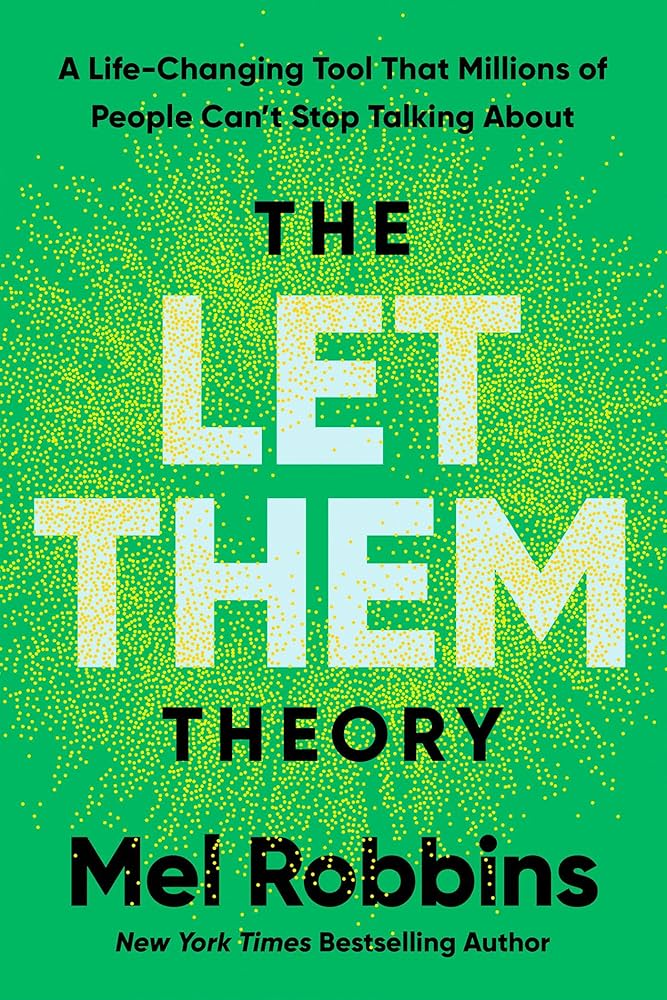
The Let Them Theory by Mel Robbins

A bright green clor has an explosion of yellow dots, like someone threw confetti at the center of the book.

by Carmen J.

Days before the new year had me ruminating about resolutions and the things I want to accomplish in 2025. Work out more? Eat better? Stop procrastinating about my dreams? Sound familiar? Have you made similar intentions and broke them, and kept them, only to break them again?

This year, I turned to “my friend Mel” – as she regularly coins herself to her millions of followers of The Mel Robbins Podcast and her readers of best-selling titles such as The 5 Second Rule and The High 5 Habit.  I am savoring her latest work, The Let Them Theory: A Life-Saving Tool That Millions of People Can’t Stop Talking About. It’s the book I never knew I needed.

Simply put, the theory puts into sharp perspective how we can’t control others, including their thoughts, emotions, and opinions about us. Similarly, we can’t control when things don’t necessarily go our way. For example: If someone decides they don’t like you or an opinion you have or the way you live your life: Let Them. Often times, there will be nothing you could say or do to change those thoughts, emotions, and opinions. Consequently, what we can control is the next step: Let Me. The Let Me is our reaction, the thing we can control. Sometimes the reaction is no response, or it’s setting boundaries, or having difficult conversations that need to be had. Robbins shares more in-depth strategies and experiences from her own life and from her followers.

If you are one who has people pleased and sucked it up, all in the gallant hope of keeping the peace, Robbins’s book will be a walk through mud: uncomfortable and messy, yet survivable and relatable nonetheless. It’s part of the human condition to wonder and think about the opinions of others and try to check all of the boxes in accordance. What if we vow this year in the face of uncertain times or certainly hard times and with the utmost certainty to let the chips, opinions, and emotions happen. Let Them wash over you without fury but with fearlessness. And Let Me (and Us) make the focused choice not to change course and be OK with any mild discomfort. Let Them, Let Me, Let Us be better for it.

The Let Them Theory: A Life-Saving Tool That Millions of People Can’t Stop Talking About by Mel Robbins is available in print and e-book.

Carmen J. is a teen instructor at HCLS East Columbia Branch. Among her favorite things are great books, all things 80s, shamelessly watching The Bachelor, gardening, and drinking anything that tastes like coffee.
Five Minutes of Discomfort

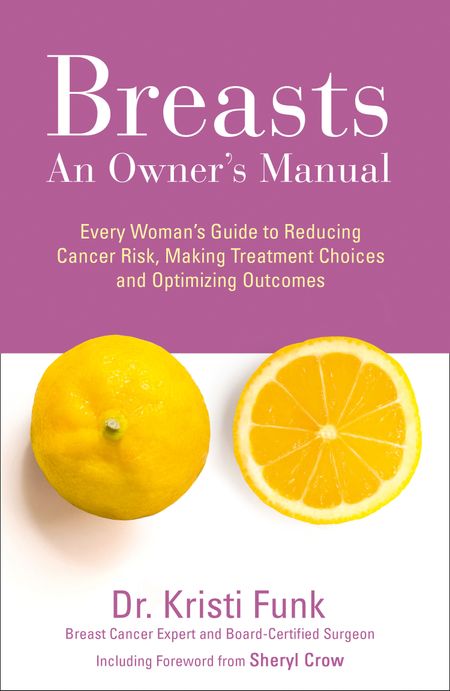
The cover is half pink, where the title sits, and half white, with a cut open lemon showing one side open and the

by Carmen J.

Every woman, especially over 40, who reads these words every year exhales a sigh of relief. I’m one of them.

Mammogram results that read, "No suspicious masses, calcifications, or other suspi

Every year since I turned 40, I’ve received the reminder for my annual mammogram and diligently scheduled the appointment. After recently hearing on the news and by the appointment receptionist about advanced screenings for those with dense breasts, I decided the extra $40 out-of-pocket expense would mean greater peace of mind. I feel a bit shameful admitting that before I turned 40 and until I gave birth to my daughter just before turning 41, my breasts were not my priority. I rarely gave them much thought, if I’m being completely honest.

I was never ample or busty by any means, and only during pregnancy did I fill out my bras and shirts. “Will you breastfeed?” my doctor asked. What started as an “I guess so,” led to 14 months of nourishing my daughter with my own body. How could I have taken my breasts and my body for granted? I’m sure it wasn’t the first time nor would it be the last, but my perspective heightened. 

Now with my own daughter, I know annual screenings are important for my own health and wellness, and I want to set a positive example for my daughter. I want to live a long and happy life free of cancer. And with my own mother being a breast cancer survivor, after a diagnosis in her 70s, I know my risks are riskier than others. 

The process of this year’s appointment didn’t change from previous years, only the depth of imaging. I was reminded not to wear deodorant and to remove my shirt and bra, and put on the gown I was given with the opening in the front. Over the 10 years I have had these screenings done, I’m always pleased that despite my initial anxiety and minor discomfort, the screening itself takes about five minutes. And according to my technician, the imaging would detect cancer two years in advance of what would be seen by the naked eye.  

When the time comes to slip out of my gown and stand topless facing the screening machine, the technician positions my arms and gives clear instructions about where to insert my breast. We start with images of the right breast followed by images of the left. Each is placed on a clear shelf-like surface and then compressed by another mechanism that flattens it out. Once placed in position, the technician walks away and instructs you to hold your breath, while the images are taken. Hundreds of images are taken of each breast from similar angles. Once completed, you get dressed and leave. Months of anxiety melt away after five minutes. 

Does it hurt? No. Is it uncomfortable? Sure. But if getting my boobs squished each year is an effort to keep myself healthy, then five minutes of discomfort are worth the remaining peace of mind. Squish away.

October is Breast Cancer Awareness Month. Consider this my gentle reminder to those with breasts: Schedule your mammograms. Five minutes of discomfort may save your life and your peace of mind.

For more information:
Breasts: The Owner’s Manual: Every Woman’s Guide to Reducing Cancer Risk, Making Treatment Choices, and Optimizing Outcomes by Dr. Kristi Funk

The New Generation Breast Cancer Book: How to Navigate Your Diagnosis and Treatment Options–and Remain Optimistic–in an Age of Information Overload by Elisa Port, MD, FACS, Chief of Breast Surgery at The Mount Sinai Hospital and Co-director of the Dubin Breast Center

Inspiring Laughter

The author as a child, in a blue dress and hair in pigtails, is holding a microphone and smiling. Title and author type in large yellow block type.

by Carmen J.

Behind the laughter of most comics is a big bag of pain. Laughter, the ultimate defense mechanism, is a way for them to commiserate with their audience. Let me help you forget your pain for even just a few minutes. Let’s laugh at the world’s absurdity. I will take you there. Leslie Jones takes you along for a wildly candid, gritty, and funny ride in her memoir, Leslie F*cking Jones, available in print and OverDrive formats (e-book and e-audiobook).

I devoured this book over one weekend, not only because I’ve enjoyed her work on Saturday Night Live (SNL) and on Supermarket Sweep (!). In 268 well-crafted pages, we are taken on a journey through her childhood (and some truly sad tales of abuse, alcoholism, and chronic family illness) to her rise on the comedy scene (from the early auditions and late-night sets to the hard-fought stand-up crowds). Despite the poignant accounts of her difficult relationships with her father, brother, and the occasional ex-friend and former roommate, there is always a lesson with every anecdote. And you will root for Leslie Jones until the final page.

She’s Leslie F*cking Jones, just like the title says. Read her book. Have fun requesting it over the phone; you may want to reserve yours online.

If you want to see her in action, enjoy this clip of “Black Jeopardy” from SNL that included the beloved late Chadwick Boseman.

Carmen J. is a teen instructor at HCLS East Columbia Branch. Among her favorite things are great books, all things 80s, shamelessly watching The Bachelor, gardening, and drinking anything that tastes like coffee.

Really Good, Actually

The book cover illustration shows a woman from the nose up, her mascara running dramatically, with her red hair piled on top of her head.

by Carmen J.

In Amy Schumer’s recent Netflix comedy special, Emergency Contact, she talks about getting married in terms of finding someone who can stand you. In Really Good, Actually, the debut novel by Monica Heisey, the struggle is indeed real.

Heisey, who has written for Schitt’s Creek, infuses her novel with laugh-out-loud moments from Maggie’s dating escapades and their quirky outcomes. Really Good, Actually reads like a more modern-day Sex and the City. Instead of Carrie and her straight friends wearing Jimmy Choos, Maggie and her more rainbow-minded friends have root beer and roommate-ready budget nights. Like SATC, friendships – including some refreshing intergenerational ones – remain supreme. And while relationships and finding “the one” are hugely entertaining, Maggie proves the relationship we have with ourselves is genuinely unmatched. 

Really Good, Actually is on HCLS’s Adult Summer Reading List for 2023 and is available in print and in e-book and e-audiobook format from Libby/OverDrive.

Carmen J. is a teen instructor at HCLS East Columbia Branch. Among her favorite things are great books, all things 80s, shamelessly watching The Bachelor, gardening, and drinking anything that tastes like coffee.
Be part of HCLS’ Summer Reading Adventures.

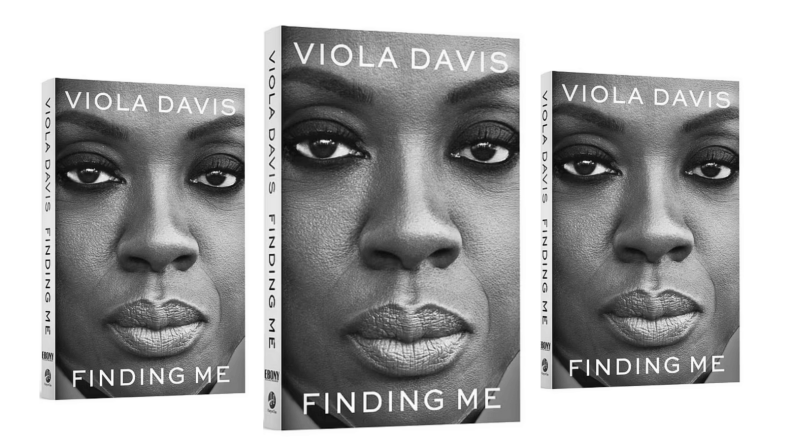
Finding Me by Viola Davis

Three copies of Viola Davis' memoir, Finding Me, which feature

By Carmen J.

As a general rule, I don’t enjoy audiobooks. Call me Lady Old School, but I prefer the tactile ritual of turning the pages of a book. Not to mention, my thoughts tend to drift and instead of being engrossed by the audiobook of, say, The Hate U Give, I’m idly thinking about the film version or the name of the actress playing the lead and so on. However, I made an important, no regrets decision to listen to Finding Me by Viola Davis.

I’m often drawn to the real-life stories of powerful women, especially those who have battled obstacles in life and not only weathered those storms but prevailed. I knew very little about Davis’ life, with the exception of her award-worthy and, often times, award-winning turns in films such as Doubt, The Help, and Fences. She’s been through some major stuff. Born in South Carolina and raised in Central Falls, Rhode Island, Davis grew up in poverty, wet the bed until age 14, and experienced taunts from classmates for being Black and smelling like urine. Raised by an alcoholic father who abused her mother for years, Davis took on maternal duties in caring for her younger siblings, in particular her youngest sister Danielle.

Readers will be entranced by Davis’ audiobook, which is narrated by the author herself. Davis’ rich and soothing voice transforms from her own to the various family members or characters in her life; the narration is what I would imagine captivated audiences during the Golden Age of Radio. Her voice draws laughs; her voice haunts and inspires, in equal measure.

Davis shares her journey to Hollywood after college (including Juilliard), marriage, and motherhood. In Finding Me, you will find tales both heart-breaking and motivating of an actor grateful for her place in life.

You can borrow Finding Me by Viola Davis as a print book, e-book, audiobook on CD, and an e-audiobook.

Carmen J. is a teen instructor at HCLS East Columbia Branch. Among her favorite things are great books, all things 80s, shamelessly watching The Bachelor, gardening, and drinking anything that tastes like coffee.

Be part of HCLS’ Summer Reading Adventures.

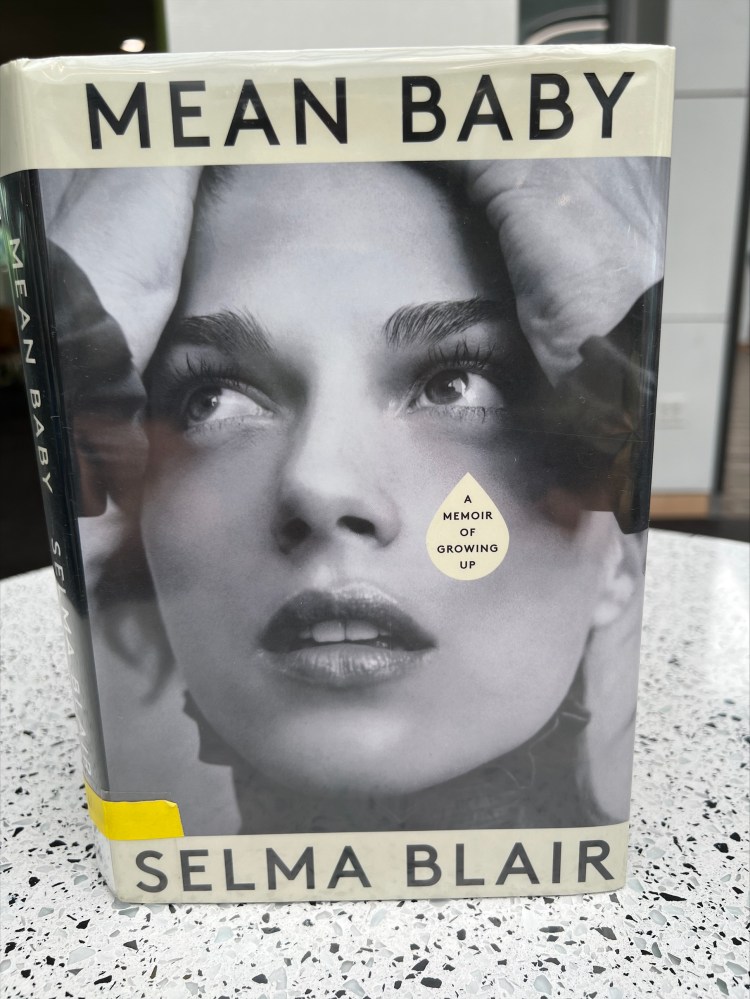
Mean Baby by Selma Blair

The picture shows the book on a marble-topped table. The cover is a picture of author Selma Blair, her hands on the top of her head, looking skyward.

by Carmen J.

You may know the actress Selma Blair from her notorious same-sex kiss in Cruel Intentions or her frenemy role in Legally Blonde. Most recently, she has been a Multiple Sclerosis (MS) advocate, following her diagnosis in 2018. She is also the creator of an ability-inclusive beauty brand, Guide Beauty. And even if you knew none of this or all of this, her 2022 memoir Mean Baby shows us another side of Selma Blair: gifted writer.

Mean Baby takes us on a sometimes-meandering journey of Blair’s childhood marked by trauma, her adventures in the career pursuit of acting, motherhood challenges, addiction battles, family and romantic relationships, and her MS diagnosis and advocacy. Between the pages, you’ll uncover an impressive writer with an eye for exposing the good, the bad, and the ugly of a life well-lived. Although not a light-hearted read nor a page-turner, you will find Blair’s detailed accounts are those to savor and reflect upon. Mean Baby showcases the life of a survivor, thriver, and fighter with the vivid writing of a robust storyteller.  

Mean Baby is available from HCLS in print and large print, and as an e-book and an e-audiobook from Libby/Overdrive.

Carmen J. is a teen instructor at HCLS East Columbia. Among her favorite things are great books, all things 80s, shamelessly watching The Bachelor, gardening, and drinking anything that tastes like coffee.
Starfish by Lisa Fipps

The book cover depicts a girl in a peach bathing suit with lavender, white, and gold flowers and greenery, floating on her back against a blue watery background, as if in a swimming pool. Her arms and legs are outstretched in a formation resembling the starfish of the title.

by Carmen J.

I know you are going to find this hard to believe, but our society isn’t kind to people that are overweight. People like me. While I’m over here living my best life and admiring the body positive messages from the Lizzos and Ashley Grahams of the world, there is still much work to do when it comes to fat acceptance and body shaming.

On this year’s Summer Reading list (coming soon!), there is a gem of a book called Starfish. It highlights this message in bright lights. The debut novel by Lisa Fipps centers around Ellie, an 11-year-old, who is bullied for her weight. Not just by her classmates but also by her own family. From her sister, who nicknamed her Splash for her body’s impact when she swims, to her so-called well-intentioned mother researching bariatric surgery and dieting articles, Ellie is sent the consistent message that she doesn’t fit in. She doesn’t fit in with her peers; she doesn’t fit in the right clothes. 

In the water, Ellie is weighless and free – free of societal pressures, free of side eyes and judgment. There are no what-ifs or “if you only lost weight” or “your face is so pretty,” etc. 

Yet, it’s not all doom and gloom for Ellie. She finds refuge and support in her new therapist and her father, who advocates for her, even when advocacy leads to arguments with Ellie’s mom. Her new neighbor, Catalina, sees Ellie for her true self and beyond her physical appearance.

What sets this beautiful story apart from other similarly told stories is that the happy ending isn’t one where the main character finally loses weight and suddenly becomes liked by all. (As if a smaller-sized body guaranteed a happier life or popularity, which unfortunately is never guaranteed.) I won’t spoil the story for you, but I think you’ll find in Starfish an out-sized, hearty message with positive rippling effects on our youth.

Carmen J. is a teen instructor at HCLS East Columbia. Among her favorite things are great books, all things 80s, shamelessly watching The Bachelor, gardening, and drinking anything that tastes like coffee.