
World AI Week

The image shows a robot seated at table, reading written materials placed in front of it. A chair is off to the side of the table and a smaller table with a lamp is in the background.

by Sahana C.
There has been a lot of controversy around artificial intelligence floating around in the public subconscious this year, good news and bad working in tandem. On one hand, AI could be used to clean the ocean! On the other, writers and actors alike have been striking because of strange clauses in studio contracts involving AI. This tangle, this never-ending back and forth, coupled with fearmongering from generations of sci-fi media like Ex Machina, is exhausting after a certain point. And I understand that for a lot of people it’s frightening. The thought that we’re creating something so quickly that forefathers of the industry are asking to slow it down, that we are launching something we don’t fully understand the implications of or the ethical implications of, it all compounds. But the easiest way to fight fear of an unknown thing is to be informed, and it seems like AI is here to stay. So we need to be learning about it and using it too.

Artificial intelligence is utterly pervasive, showing up through things like ChatGPT, and while it can be used for writing papers (though it usually doesn’t do the best job and is fairly obvious), it can also be used as an editor, as a practice interviewer, as a summary tool. Google has started to introduce it slowly into its Drive suite. Adobe has introduced it into Lightroom and Photoshop to help photographers and editors make their edits in a much timelier fashion. There are countless uses, all of which can help us make more polished versions of our crafts.

We have to be careful about overstepping in the arts; it’s not acceptable that AI compiles works from artists to create art, and it should not be used to replace creatives. Artificial intelligence isn’t a creative force and while it can perhaps produce a result, a person is almost always going to make better art.

AI is a tool, one that we can use. It doesn’t have to be scary robot overlords of lore. It’s something to be aware of, and most importantly, to combat disinformation. It’s something to explore, just so we know enough to be educated.

October 9-14 is World AI Week, hosted in Amsterdam this year, where they will be making announcements about innovation in AI. We’ll hear about the ways industry is hoping to use artificial intelligence, and some of the leaders in this field will be able to interface directly with the users. It’s an important week for learning, and we’ll be paying close attention.

If you are interested in learning more about AI more generally, you can go to Gale Courses with your library card and take “Introduction to Artificial Intelligence” for free. At Byte-sized Intelligence: Lunch and Learn on October 10 (see box), we debrief you about the basics of artificial intelligence and any updates we’ve learned on the first day of World AI Week. And of course, if you, like me, process the world most effectively through literature, our collection has plenty for you to sink your teeth into.

Byte-Sized AI: Lunch & Learn
Tuesday, Oct 10 | 12 – 1 pm
Savage Branch
For adults. Register at bit.ly/HCLS_bytesized
Explore one of the most exciting and rapidly evolving fields in technology! Anyone who is interested in learning about AI, regardless of technical background or experience, can join the discussion about recent advancements.

Sahana is an Instructor and Research Specialist at the Savage Branch. They enjoy adding books to their “want to read” list despite having a mountain of books waiting for them already.

Honey & Spice by Bolu Babalola

A close up illustration of a woman's face, with long black hair. The words appear atop, in pink and yellow ombre.

by Sahana C.

My favorite reality show of all time is Love Island UK, where young, single British people are paired off into couples and vie for the affection of the public, living together full-time in an elaborate villa and doing relationship challenges over the course of a summer. I keep up with the newest season rabidly, and while it’s airing, my friends will hear me “pulling them for a chat” or asking if they’re “mugging me off, innit” to an annoying degree.  

So, when Honey & Spice by Bolu Babalola was recommended to me, a romance set at a British university with characters who had the same South London charm as some of my favorite personalities on this season of Love Island, I was hooked instantly. I’ve read Babalola’s debut, Love in Color (and actually, Love in Color was one of my first ever Chapter Chats posts!) so I was excited to read more from this author.  

Kiki Banjo, our fearless, bold, brash, beautiful protagonist brings us with her to her university campus, which is predominantly white (and is, aptly named, Whitewell). But she and her friends, and the rest of the Black community at the school, have carved out their own niche on campus (also aptly named: Blackwell. Let it not be said that Babalola is going for subtlety here). Between Blackwell politics, class projects, potential internships in New York, and her ever steady radio show, Brown Sugar, Kiki’s a busy girl with no room or desire for a relationship. The guy she’s hooking up with is more hassle than he’s worth so she dumps him. Unfortunately (mainly for him), he turns out to be a bit of a creep, so Kiki turns to the next guy in the room for help, and suddenly she starts seeing Malakai everywhere, and he’s giving her hives. She can’t quite place whether his good guy energy is an act or if he’s the player she thinks he is, but she has no choice but to work with him as fate or homework or other forces bring them closer together.  

This book is a romance. I’m not a romance reader, but this one caught me with friendships and femininity at the center of the story, as Kiki finds her place.  Every “Kiki, you’re moving mad” made me grin with it’s unabashed Love-Island-esque British-ism, but not in the way of stuffy classic literature. This is a young, vibrant book that doesn’t shy away from issues about sexual harassment on campus, being Black and facing discrimination at university, and the very real personal tragedies everyone carries with them to school. Babalola warns us, at the heart of this book, to look away from the surface and towards loving one another with grace. But she does it with an attitude, with well-seasoned flair, and with a no-holds-barred main character that made me love her with every bold comment and revealed insecurity.  

Honey and Spice is available in print, eBook, and eAudiobook.  

Sahana is an Instructor and Research Specialist at the Savage Branch. They enjoy adding books to their “want to read” list despite having a mountain of books waiting for them already.

Legendborn by Tracy Deonn

A Black woman with natural hair holds her arms apart in front her her with red glowing around the top and a blue around the bottom, against a dark background.

King Arthur isn’t dead. The Round Table yet survives.  

Only… it looks a little different. In the place of mail and armor, you have sixteen-year-olds with unbelievable strength and speed. Merlin’s around too, but he’s a college student and “Merlin” is merely a title. And somehow, wonder of all wonders, the seat of all this ancient power is in Chapel Hill, NC.

That’s not the only fantastical thing, though, in Legendborn by Tracy Deonn. There are centuries of lore, of demons and Shadowborn, all hiding under a thinly veiled surface of messy college kid drama. They surround the Onceborn (read: all of us), who live blissfully ignorant lives, worrying about normal things, like getting busted going off campus or figuring out who is headed to the party tonight.  

And Bree, our protagonist, doesn’t know about any of the secrets of the Round Table when she applies to the University of North Carolina’s Early College program with her best friend Alice. She doesn’t expect to be caught up in an Arthurian world of magic and lore, and she definitely doesn’t expect that applying to go to the same school her mother attended would cause so much personal tragedy. Still reeling from the trauma of losing her mother, trying to establish some sense of normalcy, and looking for the truth about the suspicious circumstances of her mother’s death, Bree throws herself headlong into this Arthurian world, making friends and enemies along the way.  

Cool, right? It’s everything I want from my YA novels, hearkening back to the good ole days of 2014, when the trilogy ruled the YA realm with works like Divergent or Matched. But now, we get far more in-depth lore, speaking more candidly (and less stereotypically) about mental health, and a whole lot more diversity of character. Bree’s experience at UNC is profoundly shaped by being Black. It’s a reality that so many BIPOC students face that has only recently been put to pen, and a reality that author Tracy Deonn knows intimately, having gone to UNC herself.  

The coolest part is one I won’t spoil for you, but there is a very fun other magic in this book too, so if you like King Arthur and his knights, but it’s not enough to sway you, there’s a whole lot more to the magic of this world, and Bree discovers all of the secrets and implications in due course.  

It’s a brick of a book, but it flies by. The themes in this book of being Black, the unquestioned queerness among her friends and peers, and the honest discussions of grief and the trauma that results make for a real and grounded force within this novel that is otherwise so perfectly fantastical. I can’t wait to get my hands on the second one. In this series – here’s hoping for a trilogy.  

You can get Legendborn by Tracy Deonn in print, audiobook, eBook, and eAudiobook.  

Killers of a Certain Age by Deanna Raybourn

The book cover depicts a red hand holding a long, sharp black kitchen knife, with a strand of white pearls around the wrist.

By Sahana C.

Almost-retired lady assassins taking on a shady secret organization with good intentions but a crooked bent – that’s all the introduction I needed to be intensely, rapturously interested in Killers of a Certain Age by Deanna Raybourn.  

The four main characters are set to celebrate their retirement from the Museum, an organization founded to assassinate Nazis who fled justice, and are reuniting on a cruise. It’s fun! Celebratory even! Until one of them notices a mid-level smug assassin who seems to be tailing them, and that can only mean one thing – someone has ordered a hit on them, and they’ve got to figure out who it is and why. After all, they’ve spent the last forty years killing only the bad guys – what could be so wrong about that? 

One strength of this book is that the pacing is rapid and the plot moves along, yet we still discover so much personality, so much verve, and so much life in each of the characters. Each of the four main lady assassins – Billie, Natalie, Mary Alice, and Helen – are given backstories. Each fits into a trope: Billie as the stolid leader with a rebellious streak, Mary Alice as Billie’s counterbalance and de facto second in command, Natalie as flirtatious and almost ditzy but handy with a lock pick, and Helen, the one the others worry about, but well-bred, well-pedigreed, and almost certainly more capable than she seems.  

Each character is so vivid, but at no point does the plot suffer for this focus on characterization. In fact, as many of my personal favorite books do, the characterization that is introduced instantly propels us forward into a new plot point. It’s brilliantly written when you learn something new about a character, and then immediately realize, “OH, that’s how they’re going to solve that seemingly-insurmountable obstacle! That’s why no one seemed concerned about that plot hole! I can’t believe they didn’t have to deus-ex-machina this, it’s not even plot contrivance, and it makes perfect sense in context!”  

Suffice it to say that I was entertained. I had fun with this book. It’s not deep, but it’s definitely about murder. This is a fun mystery-suspense book along the lines of The Thursday Murder Club, and I liked it just as much or (dare I say it?) a bit more.  

It’s an HCLS Adult Summer Reading Book this year too, and you can find it in print, e-book, and e-audiobook.  Be part of HCLS’ Summer Reading Adventures.

Sahana is an Instructor and Research Specialist at the Savage Branch. They enjoy adding books to their “want to read” list despite having a mountain of books waiting for them already.

Joan by Katherine Chen

The illustration shows head of the title character in profile, wearing a coif of silver chainmail, against a maroon background.

By Sahana C.

From the very first moment of this book, I was entranced. Joan of Arc has always been a captivating figure, martyred as she was, but I didn’t know much of her other than what they taught me in Sunday School after church —  she was chosen by God to free France and end the Hundred Years’ War, and non-believers had her burned at the stake but she never let her faith waver. She was true, Joan la Pucelle, Joan the Maid, until the moment she died.  

Katherine Chen does not give us that Joan at all. In fact, the prophecies, the visions, the martyrdom that Joan is known for are machinations of the nobility in the Dauphin’s court; Joan is hale, hearty, and her spirit is unbreakable all on her own. Her relationship with her God is not that of a dedicated, unwavering believer, but that of a survivor, someone who will bargain, who will talk back, who will make wagers with her God and win. Joan is a fighter to her core, surviving an abusive father, then trauma and tragedy at the hands of the English. Then she not only survives the battlefield but navigates through French aristocracy and the world of men with no one and nothing on her side except her indomitable force of will.  

I’m reading another book right now about Chaucer’s Wife of Bath and thinking a lot about the ways that women made their own ways in the world, the ways women were forced to protect themselves and safeguard their own lives. I think we’re seeing a surge in popularity of feminist retellings of myth for that exact reason, to humanize the female characters we’ve heard about before but always from a man’s perspective – always fitting into a specific trope or box. What Katherine Chen has managed to do with Joan is just that — Joan, the saint, the martyr, is made human in this book. And no matter how close to God the rest of the world thinks she is, because of the work done to turn her into a mascot, Joan was a girl. Strong enough to best the British, brave enough to lead the French, and fierce enough to ensure she would be remembered.

Joan is available in print, e-book, and e-audiobook. If you’re looking for an inspiring, incredibly written read about a historical character that we’ve heard a lot about, but never necessarily in a way that makes her human, relatable, knowable – then Joan is for you. 

Sahana is an Instructor and Research Specialist at the Savage Branch. They enjoy adding books to their “want to read” list despite having a mountain of books waiting for them already.

July is Disability Pride Month

Five handprints in a circle, each with an icon depicting a disability: blind, deaf, mobility, and mental. The final hand has an equal sign.

by Sahana C.

In 1990, the American Disabilities Act was signed into law, and since then, we’ve celebrated Disability Pride Month in July. The American Bar Association calls Disability Pride Month a way to ensure that we are “accepting and honoring each person’s uniqueness and seeing it as a natural and beautiful part of human diversity.”

Disability Pride Month is even more than that — it is a time to reject shame and internalized ableism, to uplift members of the community, and to provide another chance for allies to take stock of what types of work can be done to make spaces truly more accessible. It’s also a time to consider how race, class, and gender impact people with disabilities, and what intersectional approaches can be taken to meet those needs.

At HCLS, we take seriously our mission of public education for all — we want to do this inclusion work, both inviting everyone into our physical spaces, and simultaneously making those spaces as easy and accessible as possible. We’re constantly working to improve, and, in part, it happens because of suggestions from our community. In case you haven’t seen already, we’re including a request for ASL interpreters upon registration for our classes, which is a new part of the process. Launched in May, the streamlined process makes it so our Deaf and Hard of Hearing community members don’t have to work harder — it is built in.

Whenever classes and library activities are planned, we take accessibility into account. We try to make this community space open to everyone, from how we arrange the room during classes to how we distribute library materials. We have sensory friendly visit bags, which contain noise canceling headphones, a liquid timer, and fidget toys, and can be borrowed for the duration of a visit to the library.

We have an American Sign Language collection at Central Branch, with DVDs of movies in sign, DVDs teaching sign, as well as materials on Deaf history and culture. We have a Pajama Time class at Savage Branch that has ASL instruction. Our collection, which is ever-growing, includes fiction and nonfiction stories about a whole range of identities, experiences, and abilities, so community members can see themselves reflected in the stories they consume.

We collaborate with our partners throughout the state, like the Howard County Autism Society, the Maryland Deaf Culture Digital Library, and the Maryland State Library for the Blind and Print Disabled, to name a few. And we’re constantly working to improve, because inclusion work cannot be stagnant. The library is a community center, and if there’s anything you’d like to see, any suggestions on how the library can better serve you this Disability Pride Month and always, please let us know.

Sahana is an Instructor and Research Specialist at the Savage Branch. They enjoy adding books to their “want to read” list despite having a mountain of books waiting for them already

Brand New Book Club Alert!

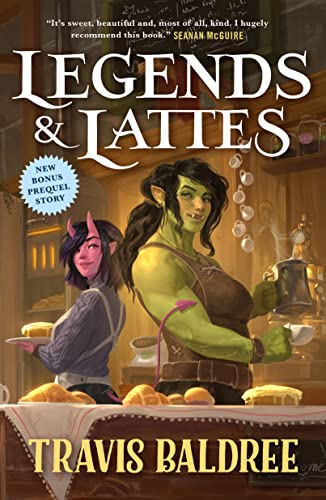
An illustration shows two female fantasy creatures making coffee, with a counter full of pastries in front.

Between the Lines
Third Fridays; 5 – 6 pm
Brewing Good at Savage Mill
Register for emails and updates.

by Sahana C.

Let me know if you can relate, but my attention span has been pretty garbage lately, to be frank. It makes reading harder, and it makes some of my old favorite genres, tropes, and go-tos feel tedious. It makes it hard to motivate myself, when there’s so much on streaming, and my phone is just barely out of reach.  

So recently, the best way I’ve found to get out of my reading slumps is to switch it up. And in the wake of world events over the past few years, I’ve been trying to intentionally read more diversely and to see as many different perspectives as I can through the books I choose. I’ve managed to read some really interesting things, venturing outside of my comfort zone (and it makes giving recommendations, a whole lot easier!). 

Something I love to do when I’m reading something I’m not familiar with, whether my lack of familiarity be related to genre or to the topics and themes in the book, is to try to figure out what in my life can relate. I always ask myself what exists in my life that mirrors this, or if there’s nothing that’s familiar, I try to learn as much as I can about the subject.  

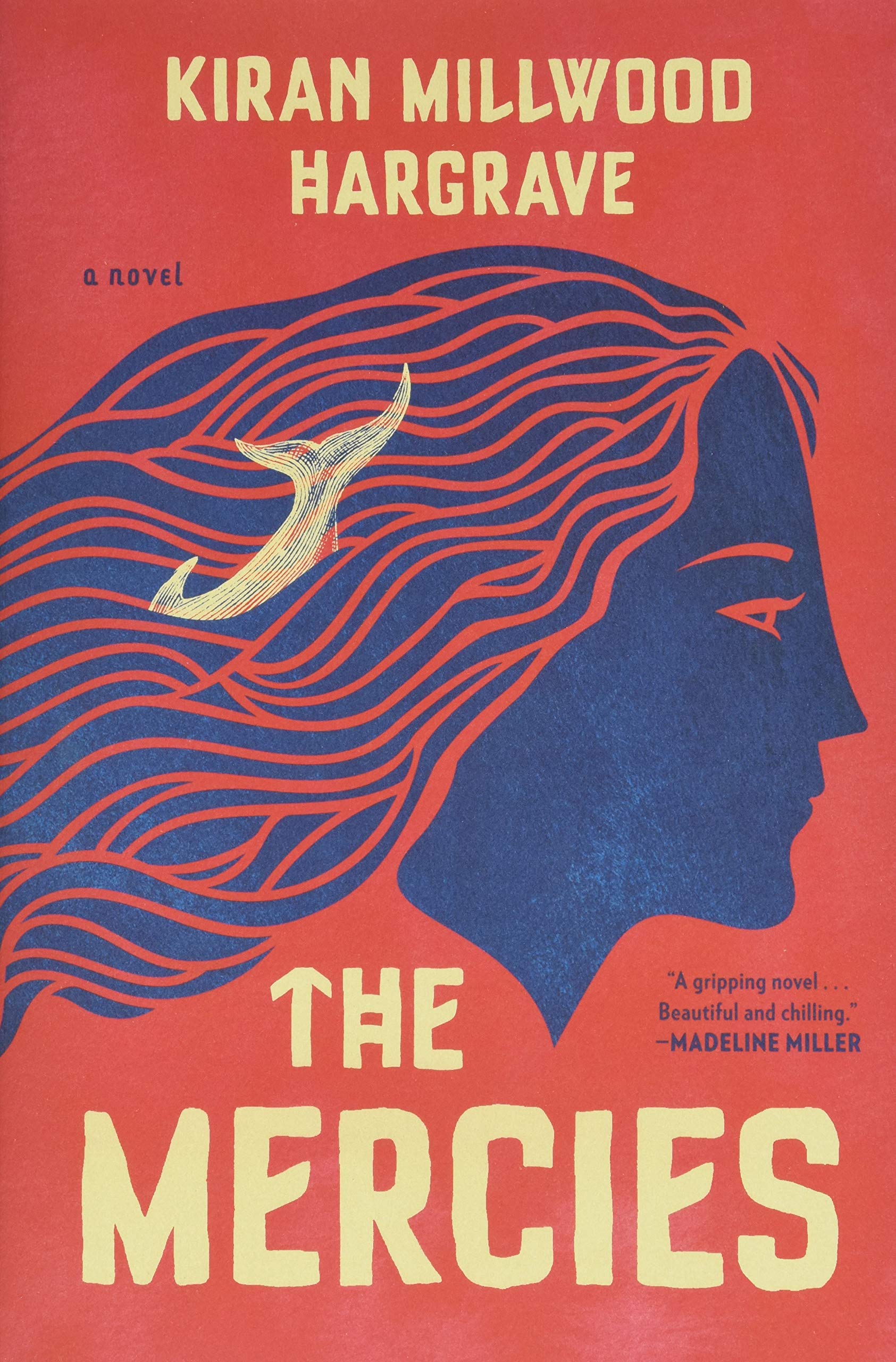
Against a red background, a blue block print of a woman's profile showls long har, with a fish tail embedded.

My favorite book of 2022, for example, was about sapphic Norwegian “witches” from 1621. The Mercies by Killan Millwood Hargrave gave me a lot of context to a witch trial I didn’t even know existed, as well as introduced me to the Sámi people, an indigenous group that spans Scandinavia. Shortly after, I read a cheesy friends-to-lovers novel that had me thinking about the romance in The Mercies all over again. I love doing stuff like that, and I know a lot of people who do, too. Here at the branch, we discuss it among ourselves, as staff, but we kept talking about how fun it would be to do as a book club.

Which is why we’re all here now! In this brand new book club, I’m really hoping that we can make connections. We’ll read books of all sorts, from sci-fi, poetry, historical fiction and romances, to nonfiction, biographies, then more fiction. I really want to discuss the similarities and differences, the intersections and identities, the ways that genre and form show up and make each work.  

Between the Lines is going to be hosted at Brewing Good, at the Savage Mill, and we’re incredibly excited for this partnership. It’s a fantastic setting for a book club, with the cutest café and sitting area. We’ll discuss our book of the month on the third Friday of the month, from 5-6, but come by a bit earlier to grab something to eat or drink, and we’ll settle in slowly.  

We’re kicking off with a fun one this summer: Legends & Lattes by Travis Baldree is about an orc who is done with all of the violence of her life and is ready to start a new life, opening up a coffee shop (are you seeing why we picked this book?) while trying to stay on her new path, regardless of distractions.  

Pick up a copy at the Savage Branch, read the e-book through Libby, or peruse the copies that are already at Brewing Good – either way, we hope to see you on July 21.  

Register for emails and updates.

Sahana is an Instructor and Research Specialist at the Savage Branch. They enjoy adding books to their “want to read” list despite having a mountain of books waiting for them already.
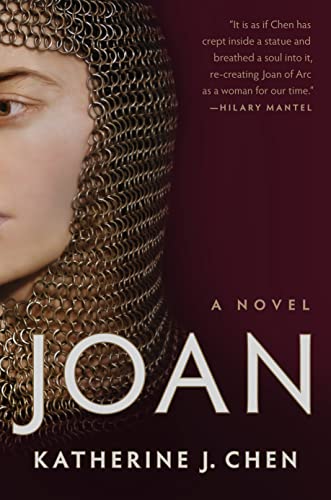
Babel: An Arcane History

The book cover shows a tall round tower amid various domes and spires in a cityscape, against the dark background of a night sky; birds follow one another in a crooked line wrapped around the tower from bottom to top.

By Sahana C.

R.F. Kuang wrote her first novel at the age of 19, during a gap year from Georgetown. After graduating, she became a Marshall Scholar, studying at both Cambridge and Oxford University, graduating with a Master’s in Philosophy and a Master’s in Science, respectively. She’s currently in the midst of pursuing her PhD at Yale. R.F. Kuang knows a thing or two about what it means to be entrenched in higher education.  

Babel: An Arcane History is about a love affair with academia, and what that means as a person of color. For POC within institutions like Oxford, ones that have histories and wealth based in colonialism, pursuing higher education can feel like an act of betrayal, where the choice is between building a future and acknowledging the crimes and pain of the past. The novel juxtaposes this internal conflict with a parallel betrayal that ties together the rest of the book: the theory that every act of translation is an act of betrayal.  

It is the 1800s and Robin Swift, our protagonist, is taken from China by a professor, one who works in Oxford University’s prestigious Royal Institute of Translation, known colloquially as Babel. He’s thrilled to be invited to the Royal Institute, even more excited to be a Babbler, and intensely enamored of his cohort, his classes, and the campus. Despite all of the racism, discrimination, and academic pressure, Robin loves his work. He loves being a translator, and he loves the access to silver-working – where an act of translation inscribed on a silver bar produces magical effect. Robin and his cohort (Ramy, from Calcutta, Victoire, from Haiti but raised in France, and Letty, from England, but a woman in a time where her family could not accept that she wanted to study) work tirelessly to learn and advance in their skills of translation. They learn about the ways that translating fails: ciao means hello, yes, but hello doesn’t fully encapsulate the meaning ciao conveys, as it can also be a farewell. There is inherently an incongruence here – either a translator can be faithful to the text or to the intention of the text, but it can scarcely ever do both. Regardless, a choice must be made; regardless, a betrayal occurs. Robin is thrilled to be a part of the Royal Academy, but the idea of this betrayal lingers.  

But throughout his time, Robin has concerns that Babel might not be as utopian as it seems. The Royal Institute’s mission to study foreign languages empowers the British Empire and aids them in their quest to colonize the world. The more Robin and his friends learn, the more they wonder if all this betrayal is worth it, and if they can manage to ignore all the ways their work could be used against people like them, despite the Royal Institute’s claims that Babblers are all that they are.

I was not expecting to fall as madly in love with this book as I did, partially because the novel takes on the physical dimensions of a literal brick, and partially because it was recommended to me on Booktok, and I’ve learned to be wary. But I devoured this book, as complex as it is. The concepts of language, linguistics, and translation are woven so deftly, and the debate on how to push back against colonialism is nuanced and careful. R.F. Kuang never tells her reader what to think; she just introduces critical concepts through the lens of dark academia, and asks the reader to decide: can we disrupt systems of colonialism and colonial thought through work, collective action, and communication, or is violence necessary to dismantle the systems put in place? R.F. Kuang doesn’t claim to know, and she’s firmly entrenched in academia herself. But through Babel, she is asking the questions. Is there ever a “right” thing to betray?

Babel: An Arcane History is available in print, ebook, and eaudiobook.

Sahana is an Instructor and Research Specialist at the Savage Branch. They enjoy adding books to their “want to read” list despite having a mountain of books waiting for them already.

Recipe Exchange: Asian American Chefs and Asian American Cuisine

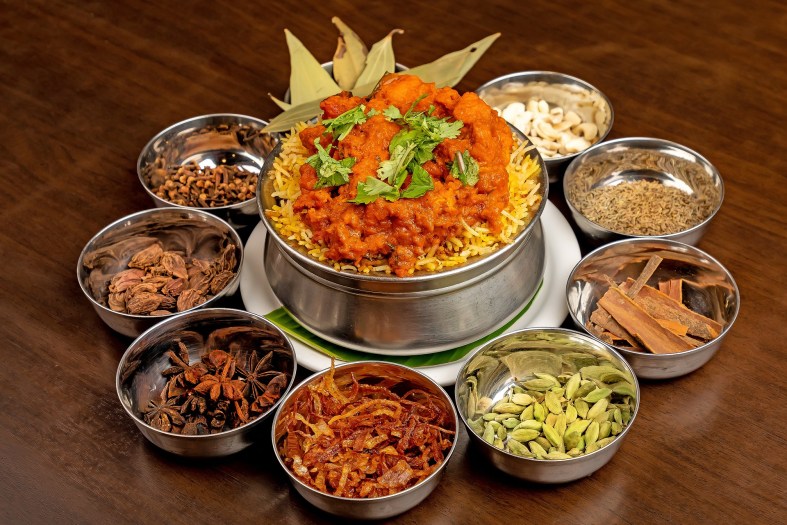
A colorful main dish is surrounded by smaller metal bowls of whole spices.

by Sahana C.

Come talk food with us!
Wednesday, May 24 at 7 pm | Savage Branch
Register here.

In Asian American households, food is a love language. Sliced fruit, set gently next to a workspace, is an invitation to take a break, or an apology. Homecomings are ushered in by welcome feasts, and almost every restaurant occasion ends with a polite battle over the bill. Food is affection, and especially in immigrant households, it is a connection to family, to a far-away home, and it is a consistent way of showing (but not telling) love.

Growing up with my Bengali mother, rainy days off meant khichdi (a mix of rice, lentils, and vegetables) and aloo bhaja (thinly sliced fried potatoes) for lunch. My brother and I would scrap over the last few aloo bhaja in the bowl, before our mother would smile indulgently and take a few from her plate to split between us. I’d sit in the kitchen as my mother cooked big, elaborate, multi-course meals, watch her season and spice, and wait for the oil to sputter specifically, never once consulting a recipe. She would have one of her aunts on speakerphone, talking about family back home and interjecting with quick questions on what to substitute to make our American ingredients taste as close as possible to the Indian ones.

I grew to appreciate food, to understand cooking, and to have a standard repertoire of recipes after learning from my mother. It was a common language we shared, this mutual culinary interest. And it’s only grown. I cook with and for friends, I follow cooking blogs and sites and social media accounts, I favorite every restaurant I pass by with an interesting-looking menu, and most of all, I like to talk about food with people. On desk at the library, I’ll see someone flipping through a cookbook I’ve read, and I’ll want to stop and talk. I’ll notice someone looking at a book written by one of my favorite food personalities, and I can’t help but smile at it. And most of all, I love when people share their recipes with me, when I can hear about the food, the stories, and the cuisines that influence them.

It’s important, also, to know about innovators. To know about the people who are pushing the cuisine, who are changing it, who are going back to the roots of a tradition or practice to better understand it. There are so many Asian American chefs who are pushing the envelope on what elevated Asian American cuisine looks like, and there are just as many Asian American chefs who are looking to create the most traditional experience they can with their food. All of that is what makes the cuisine not just Asian, but Asian American. It’s the blend of respect for culture and tradition, and the simultaneous push to the modern that makes Asian American food so unique.

To celebrate all of the above, we’re having a Recipe Exchange on Wednesday, May 24, from 7-8 pm at the Savage Branch. It’s themed around Asian American chefs and Asian American cuisine, where we’ll look at a few highlighted chefs and some of their most popular recipes. I’d love for you to join us and bring a recipe of your own to share. We’ll discuss our favorite tips, tricks, and techniques in community, and do it all the way food was meant to be enjoyed – together.

Sahana is an Instructor and Research Specialist at the Savage Branch. They enjoy adding books to their “want to read” list despite having a mountain of books waiting for them already.

Celebrating AAPI Heritage Month

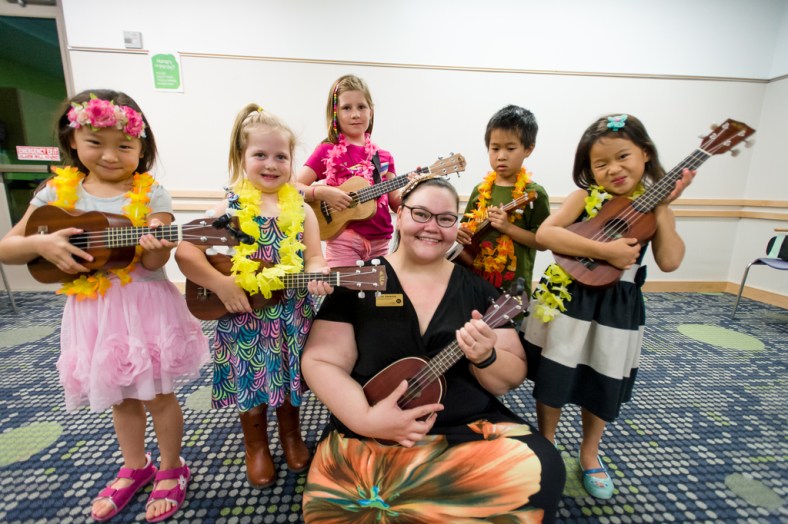
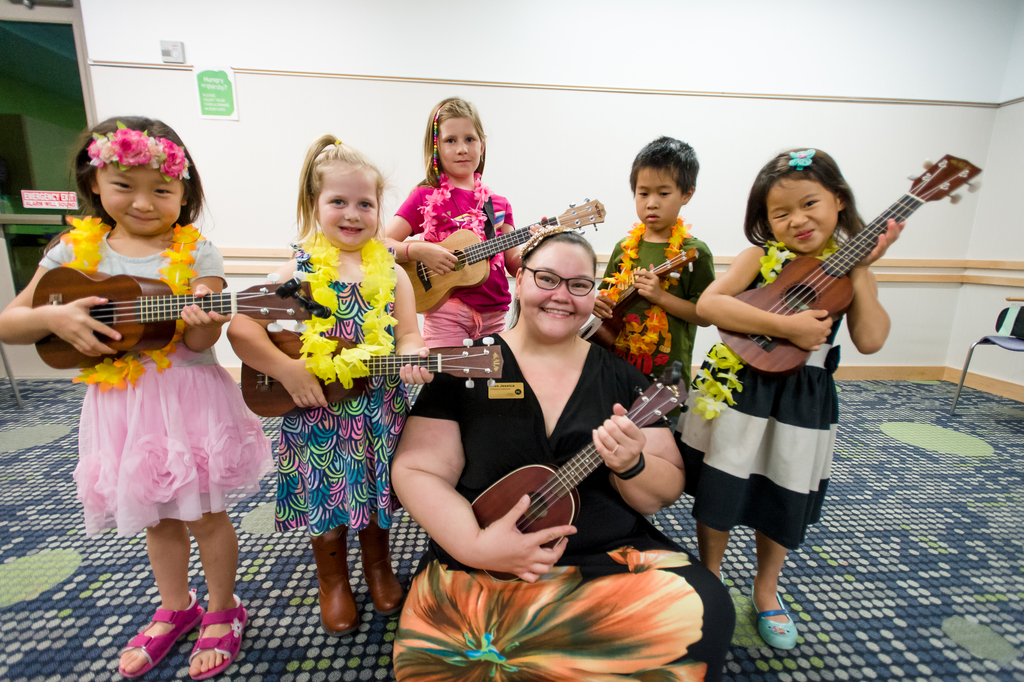
Several children stand around a library instructor, everyone strumming a ukulele.
Ukulele series Play, Practice & Perform, HCLS Savage Branch.

by Sahana C.


This Asian American and Pacific Islander Heritage Month celebrate the incredible diversity and cultural influence of folks under the AAPI umbrella. AAPI culture has become more prominent recently, though it has long been an integral part of our community and our county. Going from K-Pop to Bollywood, from Vietnamese cuisine, Thai food, and Chinese staples, to things like ukuleles and tattooing that hail from the Pacific Islands, there are traces of and homages to AAPI influence across society. Howard County Library System has a World Language Collection, and while the specific materials may differ between branches, we have DVDs, books, and other materials in a wide variety of languages, including Bengali, Chinese (Mandarin and Cantonese), Hindi, Korean, Japanese, Tagalog, Thai, and Vietnamese, to name a few.

I grew up listening to Bollywood and watching Bollywood movies that we would bring home from the library. Having the World Language Collection as a staple within the library has always been incredibly significant to me. It’s a tangible connection to my culture. I try always to recommend that folks looking for new and different movies give Bollywood a try, and the expanse of our World Language selection makes that possible.

This spring we have a wealth of classes to highlight AAPI authors, traditions, art, food, and culture. We’ll jam out at Savage Branch using ukuleles (that can be requested and borrowed!) with Savage Ukes. We’ll create origami flowers and learn about the history of kusudama, participate in Anime Clubs at Savage and Miller branches to talk about our favorite anime and manga, and read books like Interior Chinatown together (with the Reading Human Rights book discussion group) so that we can discuss in community.

We would love to see you at the branches, attending any of our events. Discover more on our classes and events calendar.

Asian Cuisine Made Easy!
For adults. Register here.
Thu Huynh, a registered dietitian nutritionist with the Health Living Team at Giant Food, presents seven top tips on how to incorporate Asian cuisine and lifestyle into your life.
Wed, May 3 | 7 – 8 pm
online

Nonfiction Addiction
For adults. Register here for the in-person session and here for the online/hybrid session.
bit.ly/econfa11
Explore the genre of nonfiction.
In May: The Best We Could Do by Thi Bui.
Thu, May 18 | 7 – 8 pm
East Columbia Branch

Glenwood Goes to Hawaii
Ages 0-5. Ticketed; free tickets available 15 mins before class starts.
Shake off winter blues and go Hawaiian as we catch a wave. Enjoy tropical music, games, and stories under palm trees on beach blankets. Tropical attire encouraged.
Fri, May 19 | 10:30 – 11:15 am   
Glenwood Branch

High Tide in Hawaii: A Magic Tree House Special
Ages 6-10. Ticketed; free tickets available 15 mins before class starts.
Join Jack & Annie in the Magic Tree House as they escape high tide in Hawaii. Enjoy games, music, and a craft under palm trees and sunny skies. Tropical attire encouraged. Catch a wave!
Fri, May 19 | 2 – 3 pm     
Glenwood Branch

National Museum of Asian Art
All ages.
Investigate scenes and objects of daily life in works of art across Asia to discover what people in the past valued and how they celebrated through food and rituals. Through the objects you examine, compare daily life in the past to today.
Fri, May 19 | 2 – 3 pm
Elkridge Branch

Global Neighbors – Republic of Korea
All ages.
Experience the culture and contributions of one of the largest demographics in our community. Enjoy a presentation and celebration showcasing traditional Korean music, Taekwondo, Korean Fan Dance, K-Pop dance demonstration, and Korean origami and calligraphy. Celebrate the diversity of our community!
Sun, May 21 | 2 – 4 pm
Miller Branch

Craft Pop-up Shop: AAPI Heritage Month Edition
Ages 4 and up. Allow 15 minutes. Drop in.
Pop in and make a craft inspired by AAPI Heritage Month.
Tue, May 23 | 5:30 – 7 pm
Miller Branch

Recipe Exchange: Asians Chefs and Asian American Cuisine
For adults.
Learn about Asian chefs and the history of Asian American cuisine. Meet other foodies to learn new recipes or share some your favorites.
Wed, May 24 | 7 – 8 pm
Savage Branch

Sahana is an Instructor and Research Specialist at the Savage Branch. They enjoy adding books to their “want to read” list despite having a mountain of books waiting for them already.