Surrender: 40 Songs, One Story by Bono 

Upclose black and white photo of Bono from the band U2, with the title and author and an earring drawn in bright yellow.

by Christie L.

I’ve been a U2 fan since the 80s when they released The Unforgettable Fire album. I eagerly purchased that album and The Joshua Tree, learning all the songs and watching all the videos. During The Joshua Tree tour, I saw them perform in Austin, Texas in November 1987. When Rattle and Hum came out, I eagerly bought the CD and saw the documentary in the theater.  

College is a formative time, and U2’s lyrics really spoke to my growing social justice consciousness. I was a member of Students Against Apartheid, and I was starting to follow the news out of El Salvador. Bono’s words about injustice, laced with spiritual references, moved me. Their music propelled and sustained me as I graduated and started putting words into action, joining a domestic volunteer program and working for justice. 

Over time, their musical style and my tastes diverged and I didn’t follow them as closely. But when I heard about Bono’s memoir, Surrender: 40 Songs, One Story, I wanted to read it. He writes about his childhood in Ireland, with a Catholic father and Protestant mother, during the Troubles. His mother died of a stroke when he was just 14, leaving Bono, his older brother, and his Da in a state of shock that they never discussed. His resulting and unresolved anger issues come up over and over. 

“Drummer seeks musician to form band.” Six words that changed Bono – and the world. Larry Mullen’s flyer, posted in the school where he, Bono, David Evans (the Edge), and Adam Clayton attended, pulled together four classmates who have been playing together since 1976. A fifth student became Bono’s soulmate and wife. He and Ali Stewart wed in 1982 and have four children. 

Throughout his memoir, Bono writes about growing up amid violence in Northern Ireland as well as his spiritual journey, one that he shared with the Edge and Larry at a small community church, and how both deeply shaped their sense of justice, lyrics, and music. Bono drives himself – and those around him – relentlessly to be his best. It was interesting to read how many times the band almost broke up because of his ideas, which often differed from his bandmates. Thankfully for their fans, they always come to an understanding. 

As U2’s success grew, so did Bono’s belief in using his fame for good. He joins another “band” as an activist, immersing himself in issues, meeting with world leaders, and traveling the globe on relief missions. He was instrumental in the Jubilee 2000 initiative, to convince the United States and other nations to start the new millennium by forgiving the unpayable debt of African countries, and he worked to persuade the U.S. to respond to the global AIDS pandemic in a major way. One of his most surprising stories was about meeting the late Senator Jesse Helms who blessed Bono in his office and later repented for the way he spoke about AIDS (apparently the Edge was not happy when he learned about that meeting). More recently, he and the Edge made an undercover trip to Ukraine to meet with President Zelenskyy and perform in a makeshift bomb shelter. 

It’s clear to anyone who listens to U2’s lyrics and reads this book that Bono is a man of deep convictions. He treasures his lifelong friends, he deeply loves his wife and children, and he cherishes his bandmates, who have become his extended family. He is passionate about people on the margins of society. Bono recognizes his responsibility to work for justice. 

As I alternated between reading the physical book and listening to Bono narrate the audiobook, I returned to those first albums that first made me a fan. I found some new songs that I added to my U2 Faves playlist, which has been on repeat for the last few weeks. “I will sing, sing a new song…” 

Surrender: 40 Songs, One Story by Bono is available in print, e-book, and e-audiobook.

You can find U2’s music for free on Hoopla, using your library account.

Christie is the Director of Communications and External Affairs for Howard County Library System. She loves walking through the network of pathways in Columbia, sitting on the beach, and cheering for the Baltimore Orioles and Texas Aggies football team.

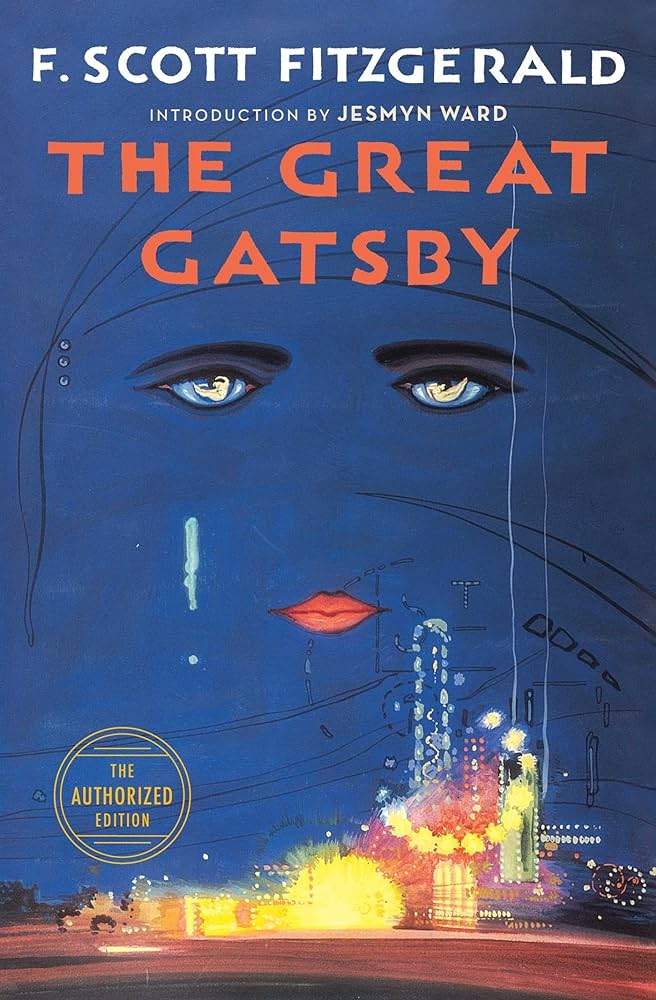
The Great Gatsby: Revised and Reimagined

Deep blue cover has disembodied eyes and both above a lit up cityscape.

by Kristen B.

F. Scott Fitzgerald’s masterpiece, The Great Gatsby, has always struck me as a story about selfish people doing terrible things, in the service of nothing much at all. It’s one of the books that most of us first encounter as assigned reading in high school or college. However, I find myself returning to it and continuing to be fascinated, as well as a bit repulsed. The slim novel packs of a lot of punch and has proven itself worth revisiting and even re-imagining.

In high school, we were given the dark blue cover with a lit-up city-scape and disembodied eyes looming above it all (see above). It haunts me. The jazz age fable recounts a tale of obsession and excess, capturing the essence of the 1920s. It also plays with some quintessential idea of the American Dream, but one that’s gone a little seedy and unappealing at the edges. After all, everyone seemingly aspires to the life of the rich and famous, spending summers in East or West Egg, driving fast cars, and attending Gatsby’s extravagant parties along with the up and coming, dreadfully naive Nick Carraway. But (again, but), there’s a cost.

The story takes place during one hot summer in New York, fitting for seasonal reading. The pivotal scene happens when the exhausting weather drives the main characters, Gatsby and Nick, Daisy and Tom Buchanan, and Daisy’s friend Jordan Baker into the city, hoping for respite and entertainment at The Plaza. From there, all the carefully maintained charades and illusions come apart, leading to unresolved tragedy. The book ends with a deep yearning for what might have been, if only other choices had been possible.

An Asian woman's with a short bob, wearing black gloves and holding a cigarette, is posed among white leaves.

What brought me back to Gatsby recently was The Chosen and the Beautiful by Nghi Vo. She is one of my current favorite authors (see The Singing Hills novellas), who turned this well-known story on its axis. The retelling stars professional golfer Jordan Baker and her lifelong friendship with Daisy, as opposed to newly-minted businessman Nick Carraway and his bewilderment with Jay Gatsby. Plus, the subtle (and not-so) metaphors of Fitzgerald’s text became all too real with the inclusion of magical realism. They really do float about in white linen in the opening scenes. Tom Buchanan continues to provide the White, patriarchal establishment’s status quo against which all their boats beat back so fruitlessly, but he is even less appealing through the female gaze. While everyone is still privileged to the point of carelessness, the feminine emphasis makes the book slightly more sympathetic and tragic.

It’s still a good idea to have the original under your belt before enjoying the other variations. I recently (finally) watched the 2013 movie, starring Tobey Maguire and Leonardo DiCaprio in a Baz Luhrmann production. It certainly does the story justice, and in some ways conveys the outrageous excesses better than the book with all the lush visuals and big scenes. The text and the film complement each other well. As is true for most Luhrmann movies, the soundtrack was amazing.

If you’re looking to refresh your memory of the story, without perhaps reading the original, consider the graphic novel adaptation by K. Woodman-Maynard. It does a good job of mixing the bare bones of the story with some of Fitzgerald’s more luscious prose. The illustrations and the placement of the words within the images makes some of the more subtle, interpersonal nuances more obvious.

The Great Gatsby, the ultimate tale of reinvention and breath-taking chutzpah in the name of love and ambition, is one of the cultural touchstones of the American literary canon. It’s worth retelling, to reconsider what else it can convey to audiences almost a century after it was published. If you aren’t familiar with it, summer is a great time to devote some time to those books that you have always meant to read.

Kristen B. is a devoted bookworm lucky enough to work as the graphic designer for HCLS. She likes to read, stitch, dance, and watch baseball (but not all at the same time).

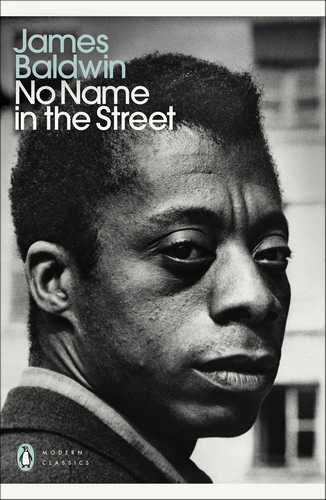
No Name in the Street by James Baldwin

A black and white photo of James Baldwin, looking to the right. The author and title appear in fine type in the upper left corner.

by Ben H.

“People who treat other people as less than human must not be surprised when the bread they have cast on the waters come floating back to them, poisoned.” 

James Baldwin writes gorgeous prose. I copy lines that I find memorable, but I find myself copying down entire pages. If you’re still waiting to read Baldwin, don’t wait! Read now!   

In No Name in the Street, Baldwin writes about his experience traveling in the southern states for the first time. Baldwin, never at a loss for words (check out this incendiary debate on YouTube), writes about his first impression of southerners, “what struck me was the unbelievable dimension of their sorrow. I felt as though I had wandered into hell.” What a first impression!

This theme of sorrow surfaces in another memorable passage where Baldwin describes his visit with civil rights leader Reverend Fred Shuttlesworth. Shuttlesworth’s Alabama home had recently been bombed and destroyed by the KKK. Baldwin writes about Shuttlesworth, “It was as though he were wrestling with the mighty fact that the danger in which he stood was as nothing compared to the spiritual horror which drove those who were trying to destroy him. They endangered him, but they doomed themselves.” The idea of racism being a cancer, a parasite that dooms the host and turns it into something less than human, is a theme that Baldwin returns to many times in No Name in the Street. The sorrow that he refers to is the byproduct of this loss of humanity.

That said, not every passage is heavy. Baldwin has the rare ability to combine the tragic and the humorous in the same sentence. He insightfully, humorously, and poetically describes things such as grits (“a pale, lumpy, tasteless kind of porridge which the Southerner insists is a delicacy but which I believe they ingest as punishment for their sins”) and buying whiskey in dry states (“where whiskey was against the law, you simply bought your whiskey from the law enforcers”).  

Baldwin’s color commentary of historical events is a crucial part of the story of America. Statistics and reportorial accounts of racism in America don’t paint the full picture. Baldwin writes the narrative and helps the reader taste it, hear it, and feel it. I find that tragic historical events can sometimes, through familiarity, fade into the timeline of history; but reading about the phone call that Baldwin and Billy Dee Williams received when Martin Luther King Jr was assassinated highlights it in technicolor. 

On a personal note (as if the rest of this hasn’t been personal), I consider myself well-read and aware, but I still only have my lived experiences. The following passage about well-meaning folks without first-hand experience of discrimination struck me, “These liberals were not, as I was, forever being found by the police in the ‘wrong’ neighborhood, and so could not have had first-hand knowledge of how gleefully a policeman translates his orders from above. But they had no right not to know that; if they did not know that, they knew nothing and had no right to speak…” By reading books like No Name in the Street, I grow my understanding, if not experientially, at least academically and empathetically, and that is no small thing. 

Ben works at Project Literacy, Howard County Library’s adult basic education initiative, based at HCLS Central Branch. He loves reading, writing, walking, and talking (all the basics).

Your Freedom to Read

Multicolored big chrysanthemum fireworks against a black sky.

by Brandon B.

The Fourth of July holiday commemorates the signing of the Declaration of Independence, which proclaimed our intent to form a new nation. Life, Liberty, and the Pursuit of Happiness has always been the fabric of the American dream. Celebrate Independence Day with a parade, spend time with friends and family, enjoy a delicious hot dog or burger from the grill, and sip on an ice-cold snowball. Conclude the night with spectacular fireworks, with all the sparkling colors on display, all in celebration of the many freedoms of our country.

When we fought for and won our independence, our Founding Fathers enshrined important guarantees in the Constitution’s Bill of Rights. First among them, the freedom of press, speech, and assembly. On April 25, 2024, Governor Wes Moore signed the Maryland Freedom to Read Act into law. This new law requires all libraries to adopt a collection development policy that complies with State standards to qualify for funding. What does that mean? Libraries cannot exclude materials from their collection or remove them based on partisan or doctrinal disapproval, or because of the origin, background, or views of the person who created the material. The Act also protects library staff by prohibiting governing bodies from retaliating against employees who act in a manner consistent with the State standards, which will be developed by the State Library.

The Freedom to Read Act reaffirms the constitutional principle that library materials, services, and resources should be provided for the interest, information, and enlightenment of all persons the library serves. Why was this needed? According to the American Library Association, a record 4,240 unique book titles were targeted for censorship in 2023, a 65 percent increase over the 2,571 unique titles targeted in 2022 and a staggering 128 percent increase over 2021 numbers. In Maryland, 148 titles were challenged — making it one of 17 states to exceed 100. Forty-seven percent of the nationally-targeted books were titles representing the voices and lived experiences of LGBTQIA+ and BIPOC individuals.

No individual’s interests and beliefs should dictate what the community has access to. Libraries have always been and continue to be committed to the First Amendment and to providing collections and events that represent differing views. We welcome everyone as they explore their interests without judgment or fear of reprisal.

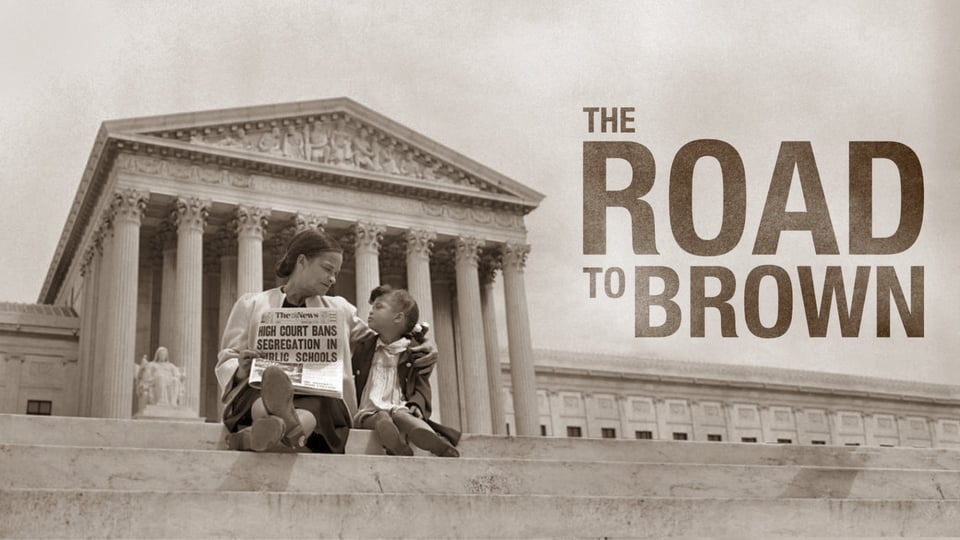
A sepia toned photograph of the Supreme Court building, with a Black woman and child sitting on the steps holding a newspaper, "High

As you celebrate Independence Day and reflect on our freedoms, explore these or other books and resources that continue the conversation about our country, its history, and future.

Happy 4th of July and happy reading!

Brandon is a Customer Service Specialist at HCLS Central Branch who loves reading, football, and taking nice long walks around his neighborhood.

Reading Nostalgia

The book cover depicts a dragon with its tongue extended, encircling a medallion that depicts a ship with all its sails unfurled on the open sea.

by Tony B.

In January, I resolved to try and check Goodreads at least once a day and to write something about most of the books I read. The pandemic was detrimental to my reading habits, and I needed to give my once-voracious appetite for reading a jolt. As far as new year’s resolutions go, this year has been the most successful by far. When I started my resolution by re-reading a novel I enjoyed in high school, I unintentionally kick-started a year of reading nostalgia. This was either literature that I was forced into by the English curriculum or put into my hands by family and librarians. Reading these fondly remembered books reinforced not only that re-reading books is perfectly fine, but also that it can lead to new understandings. 

The book cover depicts a white dragon with tongue extended, encircling a medallion that depicts a pagoda.

My last book of 2023, Fourth Wing by Rebecca Yarros, was a peer-pressure read, and throughout the story I kept thinking, “Wow, these dragon types really remind me of Naomi Novik’s Temeraire series.” I realized I hadn’t read them since high school, so I listened to the first Temeraire novel, His Majesty’s Dragon. (Side note: Simon Vance is an incredible narrator!) I remember being impressed as a teen by the military and historical aspects of introducing a dragon air corps to the Napoleonic wars, but as an adult I have a significantly more nuanced appreciation of the social, political, and ultimately societal ramifications of adding aviators to the early 19th century. The entire series is an adventure spanning multiple continents and countries, seeing the world through both human and dragon eyes. While it can devolve into a bit of Carmen Sandiego world-hopping, the installments always come back to the big picture and are a joy to experience. 

The book cover depicts a magician and apprentice, both carrying staffs; one is bent and aiming the staff, with a circle of light resembling a blazing sun at the point.

The other series I have revisited from my teenage years was the Riftwar Saga by Raymond E. Feist. Starting with Magician: Apprentice and Magician: Master, these first works of Feist’s are paragons of sword-and-sorcery high fantasy. Inspired by his own Dungeons and Dragons campaigns in college, Feist writes fast action while maintaining vivid storytelling and comprehensive worldbuilding. It is easy to see how many other fantasy authors point to Feist’s work as early inspiration, because the Riftwar Saga titles are hard to put down. These were some of my favorite books as a teen, though as an adult I can spot the D&D influence and sword & sorcery archetypes much more readily. D&D-inspired content is in the limelight, and I can’t recommend these fun classics enough. 

Re-reading these series as an adult was a reflective experience and made me think about how much of our literary experience is informed by our lived experience. I encourage you to re-read a book from your not-so-recent past and see what new nuances you can find. I am looking forward to continuing this trend, possibly either with Barbara Kingsolver’s The Poisonwood Bible, which was assigned reading in high school, or Tad Williams’ The Dragonbone Chair for more epic fantasy.  

Tony is an Instructor and Research Specialist at HCLS Miller Branch. He has a degree in history and a renewed interest in science fiction and fantasy.

High School Summer Reading List: King Arthur

Section of NC Wyeth painting showing King Arthur with a

by Julia M.

Each year, HCLS and HCPSS work together to compile suggested reading lists for all ages. This year’s high school reading list is brimming with exciting titles published within the past few years, in dozens of different genres ranging from nonfiction memoirs by immigrant teens to adorable love stories centered on baked goods. Two of my favorite standout reads from this year’s list happen to share a common theme: both feature references to King Arthur that any Arthurian-legend-loving reader will happily devour.

A Black woman with natural hair holds her arms apart in front her her with red glowing around the top and a blue around the bottom, against a dark background.

Legendborn by Tracy Deonn has become beloved by many YA fantasy readers since its publication in 2020. The story follows Bree, a 16-year-old who enters a pre-college program at UNC with hopes of escaping from her hometown for the summer following her mother’s tragic death. Her world is upended when she is thrust into the secret world of people who call themselves Legendborn—the descendants of King Arthur, preparing for war against the demonic forces that oppose them. This book is for lovers of complex magic systems, emotionally driven romantic subplots, and a solid dose of high-action fight scenes. Readers who enjoyed the deep-rooted Arthurian references in The Lost Years (of Merlin) or the magical aura of The Raven Boys will love Legendborn. (Longer review also available.)

You can borrow it in print, e-book, and e-audiobook.

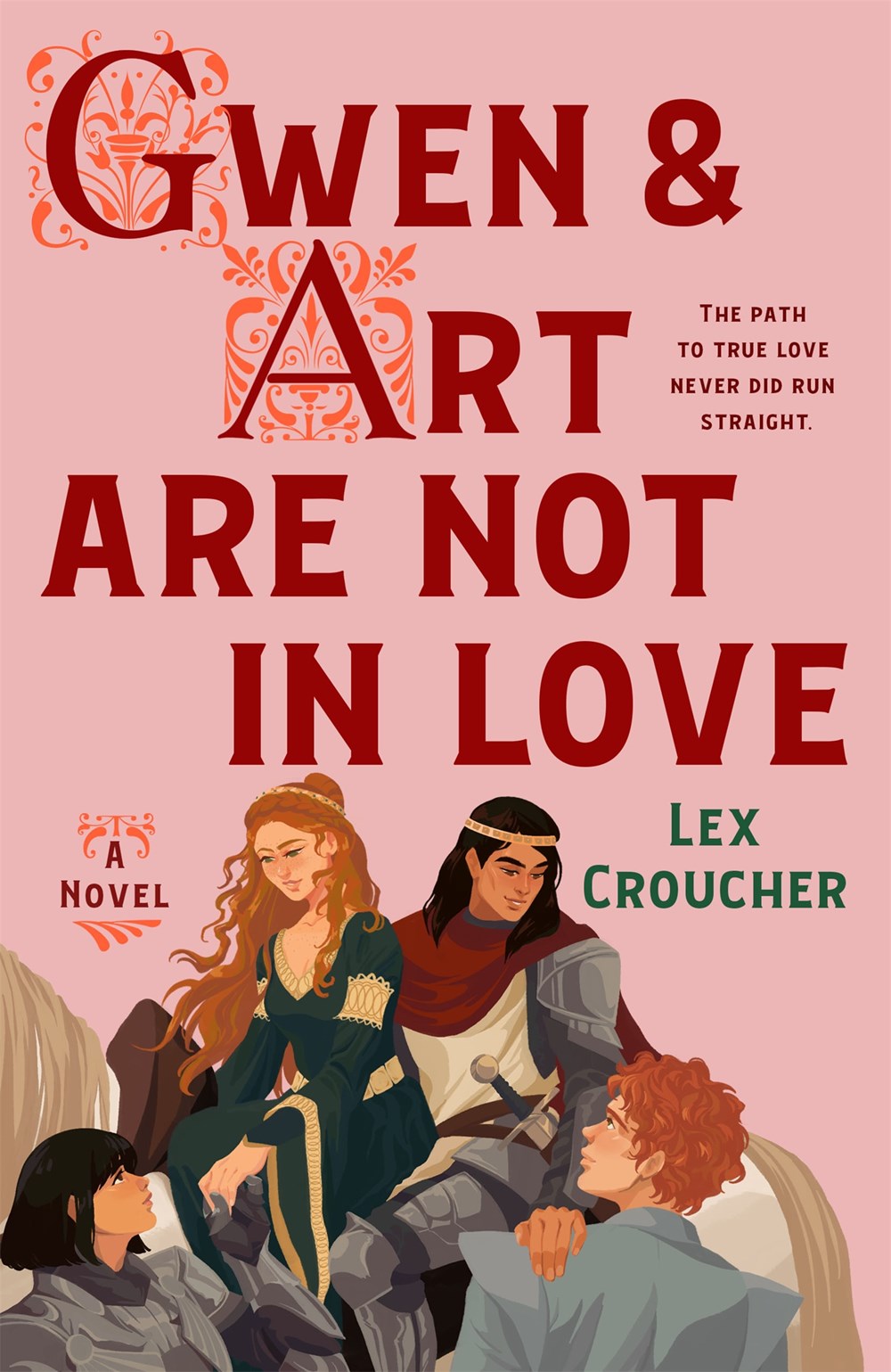
Gwen and Art are Not in Love by Lex Croucher is a new addition to the YA Arthurian-legend-canon. This book is rife with references to the legends, but with a lighthearted twist. Gwen and Art follows the title characters through an alternate-timeline historical rom-com that takes place several generations after the death of King Arthur. The two main characters are forced into an arranged betrothal but have zero interest in each other. Through a series of mishaps and a little forbidden-diary-reading, Gwen and Art realize that they are a perfectly unsuited match. They make a pact to cover up for one another as Gwen pines after a lady knight and Art kisses every boy he fancies. Readers will be drawn in by the bubbly humor, fast-paced tournament scenes, and the sweet found family that develops. If you love the joyful queer romance in Heartstopper or the feminist twists of the Song of the Lioness quartet, check out Gwen and Art are Not in Love. 

You can borrow it in print, e-book, and e-audiobook

A mostly pink cover with the title in large red block lettering, and floral illustration around the G and A. Four people in medieval clothing cluster at the bottom.

Julia is a Teen Instructor & Research Specialist at the Glenwood Branch + Makerspace. She loves reading YA books, playing the cello, practicing martial arts, trying new cookie recipes, and generally trying to squeeze as many hobbies into a day as possible.

American Ramble by Neil King, Jr.

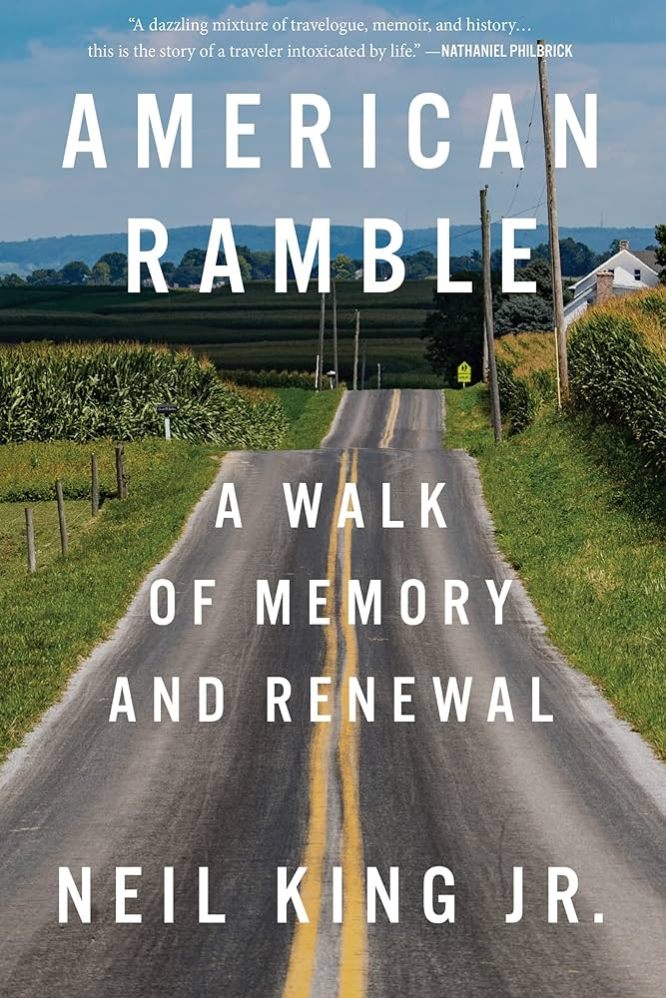
A two lane road with a double yellow line runs through rolling corn fields with blue hills in the background.

by Kristen B.

Author Works
Thu    Jul 11  7 – 8 pm   Miller
Register now.

According to Chaucer, April is the proper month for pilgrimage. Neil King agreed, and in 2021 he walked from Capitol Hill in Washington, DC to Central Park in New York, NY. His route traced up Rock Creek Park and Wisconsin Avenue through the suburbs, across Woodstock (MD), over the Mason-Dixon Line into York, PA and Amish country, then to Valley Forge, across the Delaware River, through New Jersey while finally crossing under Interstate 95, and into New York.

In his travelogue and memoir, American Ramble, he refers to these areas as “mini-nations,” and often relates them to the early history of the American colonies. He meets a wide variety of people along the way, who account for many of the anecdotes that drive the story. Some people instantly understand and bless him along his way. Others can’t even be bothered to offer the sojourner the basic necessity of water. Each night, he stays safely at planned spots – usually an AirBnB.

He acknowledges the privilege of making the trip as a White man, with the resources to finance the trip and the connections that further him along the way. He fully recognizes that not everyone would be safe on a similar trek. He also has a lifetime of travel experience and wanderlust behind him, so a month-long journey isn’t particularly daunting. Rather, it’s a fundamental reclamation of his preferred mode of living, after the pandemic and an ordeal with cancer.

King often refers back to Chaucer and other travels, and this month away from ordinary life is truly a pilgrimage for him. Not after only his own medical difficulties; he is also dealing with his brother’s diagnosis. He had been a Wall Street Journal reporter on 9/11, and the trip connects his present and his past – DC and NY. So, after the Covid pandemic and the racial unrest in the wake of George Floyd’s death, the author walked to reconnect with America itself. His goal was to meet all sorts of people where they are and to remember that we’re all part of the fabric that makes America.

At a quick 360-ish pages, the book is a delightful read. King leans into his journalism background to paint sketches of people and places. Some of my favorite anecdotes took place in Pennsylvania: one where he comes across a gaggle of Mennonite school kids playing softball, and another when he’s at the Eastern State Penitentiary in Philadelphia. His reflections upon the connections between pilgrims and penitents are particularly well done. The other moment that has stayed with me was how he solved crossing the I-95 corridor, to continue traveling eastwards, but I don’t want to spoil the episode with more detail.

The author has a personal distinction about how some people (like himself) are from – and at home in – Anywhere, while others (like myself) are home-bodies who occupy Somewhere. Whichever you are, American Ramble has some lovely moments for you to enjoy and ponder.

The author is an older White man wearing a tweed driving cap and medium grey zip up jacket, with grey clouds behind him.

Neil King, Jr. discusses his trip and his book at an upcoming event at Miller Branch. American Ramble is available in print and e-book.

Thu    Jul 11  7 – 8 pm   Miller
Register now

Kristen B. is a devoted bookworm lucky enough to work as the graphic designer for HCLS. She likes to read, stitch, dance, and watch baseball (but not all at the same time).

The Works of Carmen Maria Machado

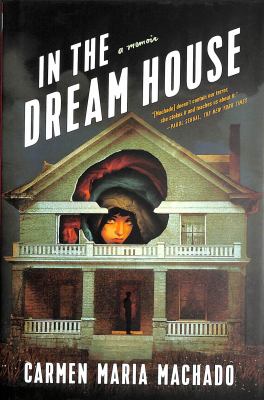
An illustrion of a big house with wrap around white porches appears burnt through to show a figure peering through the hole.

By Angie E.

Machado’s narratives delve into the emotional and physical vulnerabilities of characters, challenging traditional notions of strength and weakness. Her stories often blur the lines between reality and fantasy, creating a space where vulnerability is not a flaw, but a powerful force in its own right.

“Especially Heinous: 272 Views of Law & Order SVU” is a novella written by Carmen Maria Machado in 2013. It unfolds through 272 synopses, each encapsulating a distinct perspective from the initial 12 seasons of the police procedural series of the same name. Originally published in The American Reader in May 2013, “Especially Heinous” features parallel universe versions of Elliot Stabler and Olivia Benson and is included in Machado’s 2017 short story compilation, Her Body and Other Parties.

Carmen Maria Machado’s Her Body and Other Parties dissects power imbalances in various forms. Through a series of surreal and haunting tales, Machado explores the ways in which power is wielded, misused, and resisted, often using the female body as a focal point for her narratives. The stories challenge societal norms, inviting readers to reconsider their understanding of power and its implications. Despite the unusual nature of “Especially Heinous” (and how it deviates from the actual SVU), the story fits perfectly within the anthology. Law and Order: SVU itself and Her Body and Other Parties may exist in different realms of storytelling, but their thematic resonance is undeniable.

Moving from short story collection to memoir, Machado has also written In The Dream House, which takes readers on an intimate journey through the author’s experiences. She opens up about her past relationship with an abusive partner, exploring the complexities of domestic abuse within the LGBTQ+ community. Structured as a series of interconnected essays, In The Dream House defies traditional memoir conventions. Machado employs various literary forms, from folklore to lesbian pulp fiction, to recount her harrowing experiences. The result is a poignant and powerful narrative that sheds light on the often-overlooked issue of abuse within queer relationships.

Machado’s exposed and raw honesty are palpable in every page, inviting readers to confront the uncomfortable realities of abuse. In The Dream House not only serves as a personal catharsis for Machado, but also as a vital contribution to the ongoing conversation about abuse within the marginalized.

In The Dream House is available in print, e-book, and e-audiobook.

Angie is an Instructor & Research Specialist at Central Branch and is a co-facilitator for Reads of Acceptance, HCLS’ first LGBTQ-focused book club. Her ideal day is reading in her cozy armchair, with her cat Henry next to her.

Feel The Rhythm: Celebrate Black Music Month in June

Cover of the movie shows illustrations of famous Black musicians in front of the marquis of the Apollo.

by Sharon P-Y

How much do you know about Black music history?

From Sister Rosetta Tharpe, the Black woman credited with creating rock music, to Ella Fitzgerald, whose smooth voice earned her the title of “the queen of jazz,” Black artists have been cementing their place in music history since time immemorial. Whether you’re into fiction, nonfiction, film, or music, you can find something at the library. See if one of these suggestions works for you as a perfect way to pay homage to Black music innovators during Black Music Month.

Showtime at the Apollo: The Epic Tale of Harlem’s Legendary Theater written by Ted Fox and illustrated by James Otis Smith
You would have a tough time finding someone who isn’t familiar with the Apollo Theater. Located in Harlem, itself a mecca of Black culture in New York City, the Apollo has for decades provided an invaluable platform for numerous Black artists. This graphic novel details the theater’s influence on Black music history.

Shine Bright: A Very Personal History of Black Women in Pop by Danyel Smith
The impact that Black women have made on pop music from the conception of the genre and well into today cannot be overstated. In her latest release, Smith masterfully mixes history, both musical and otherwise, with her experiences as a lifelong music fan to craft an insightful ode to Black women musicians.

The Final Revival of Opal and Nev by Dawnie Walton
If fiction is more your thing, The Final Revival of Opal and Nev might be exactly what you’re looking for. Though the story is a fictional history of a musical duo that never existed, the harsh lessons Opal, an unconventional Black artist, learns over decades about navigating the music industry as a Black woman are all too real.

A red cover has the black silhouette of an electric guitar with a Black face within it.

Respect (2021)
If you’re talking about Black music innovators, Aretha Franklin is one artist who more than deserves to be a focal point in that conversation. This dramatic retelling of Franklin’s life stars vocal powerhouse Jennifer Hudson, who landed a NAACP Image Award in 2022 for her portrayal of the title role.

Jon Baptiste's new album cover shows him wearing a transistor radio head set.

World Music Radio by Jon Batiste (2023)
Is there anything Jon Batiste can’t do? In World Music Radio, his seventh album, Batiste bends the limits of numerous genres to create a concept album that defies description. He proves, yet again, why he is often hailed as one of the most creative musical minds of our time.

Sharon Pruitt-Young is an Instructor and Research Specialist at East Columbia Branch. Aside from books, she is passionate about writing, urban sketching, trees, and art of all kinds. 

Savor Summer Reading

A blue banner says "Adult Reading Challenge" and has an image of the booklet "Reading is for Everyone" at the right side.

by Cherise T.

Opinions on the best summer reading selections abound. Some readers look forward to extended spans of time to sink into those longer books. Anticipating many hours reading epic novels or multi-volumed biographies, they embrace the joy of following multiple characters or complex historical chronologies uninterrupted. On the opposite side of the spectrum are readers who want their vacation books to be as light as warm-weather clothing or as intoxicating as a margarita. Nothing too serious, please; they want stress-free romance, memoir, and mystery.

The HCLS year-round Adult Reading Challenge journal speaks to everyone. Any time of year, every genre, you can pick a challenge category to enjoy. There are book recommendations, but selections from your “to-be-read” pile are perfect too. All genres are welcome, creating the ideal opportunity to try something new, be it poetry, self-help, science fiction, fantasy, graphic novel, or thriller, to names a few.

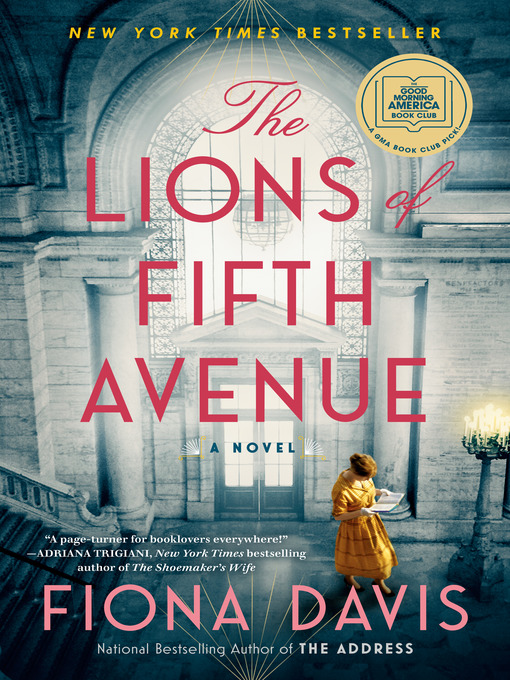
A woman dressed in a bright yellow dress walks while reading through a grand lobby with well-lit doors and windows behind her.

This summer, explore the new 2024-2025 challenges and journal prompts. For example, if Read a Book Set in a Library appeals, check out the historical fiction of The Lions of Fifth Avenue by Fiona Davis (which I reviewed). Parallel stories unspool of a New York public librarian in 1993 and her grandmother, the wife of the NYPL superintendent, in 1913, as both women aspire to grow professionally and personally. As a delightful added twist, the 1913 family lives in the library.

If magical fiction sounds just right, The Midnight Library by Matt Haig imagines a library where every book offers the protagonist a different life. Would she have been more fulfilled as a sports star, a musician, or a parent? For a nonfiction page-turner, pick up Susan Orlean’s The Library Book about the devastating 1986 Los Angeles Central Library fire. The arson investigation reads like a good mystery, and librarian interviews delve into the current role of libraries in society.

To participate in the Adult Summer Reading Adventure, complete any three of the challenges or read three books by August 31, 2024. Topics include Explore the American West; Visit a Galaxy Far, Far Away; Get Lost in a Translation; and Reimagined Reading. Finishers receive a completion prize and entry into grand prize drawings.

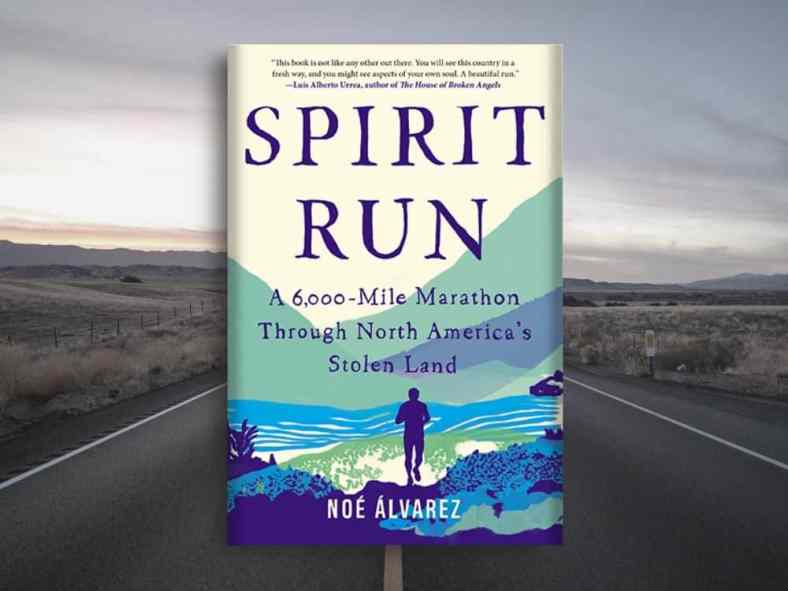
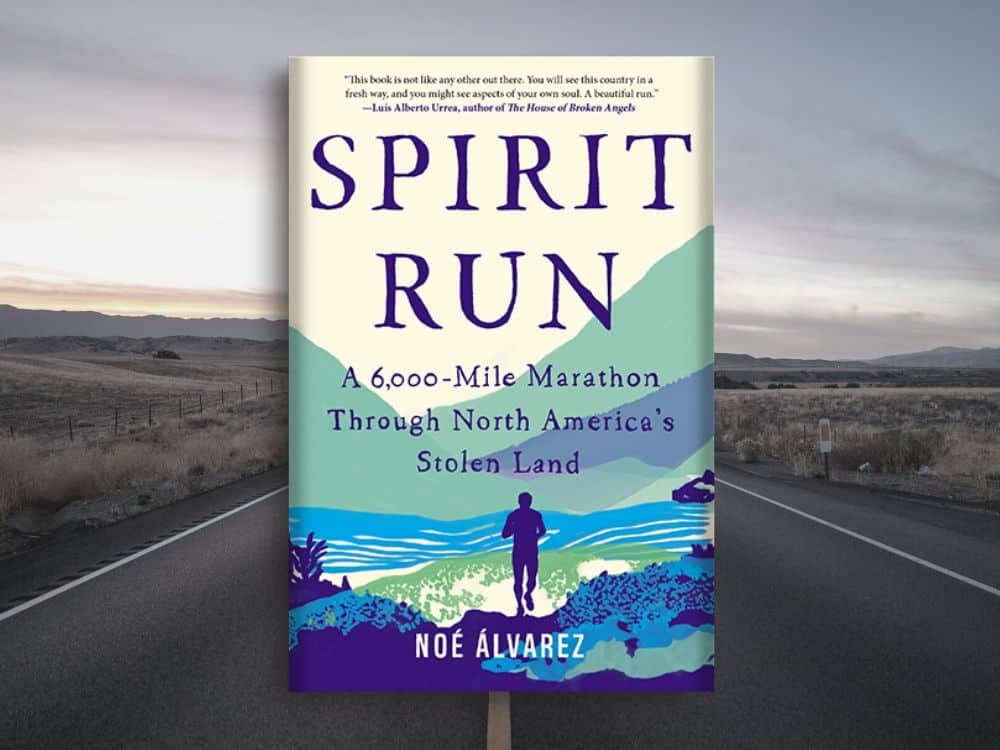
The book cover shows the silhouette of a person running, with illustrated hills, river, and scrub around them. The book cover is superimposed over an actual stretch of empty highway through wilderness.

World Adventures Summer Book Discussions: Spirit Run by Noé Álvarez
Adults. Register.
This summer, read and discuss books that celebrate journeys of discovery around the world. In June, we discuss Spirit Run: A 6000-Mile Marathon Through North America’s Stolen Land by Noé Álvarez.
Mon, Jun 17; 7 – 8 pm | Elkridge Branch