

by Angie E.
In a year that feels like it’s testing every emotional fault line, some readers crave escape through lighthearted rom-coms or cozy mysteries. But for others, especially those feeling raw, anxious, or on edge, those stories can feel like a slap in the face. When the world feels broken, sometimes the only thing that makes sense is reading about the end of it. Two recent releases offer radically different but equally powerful takes on apocalypse: one fictional, one factual, both deeply human.
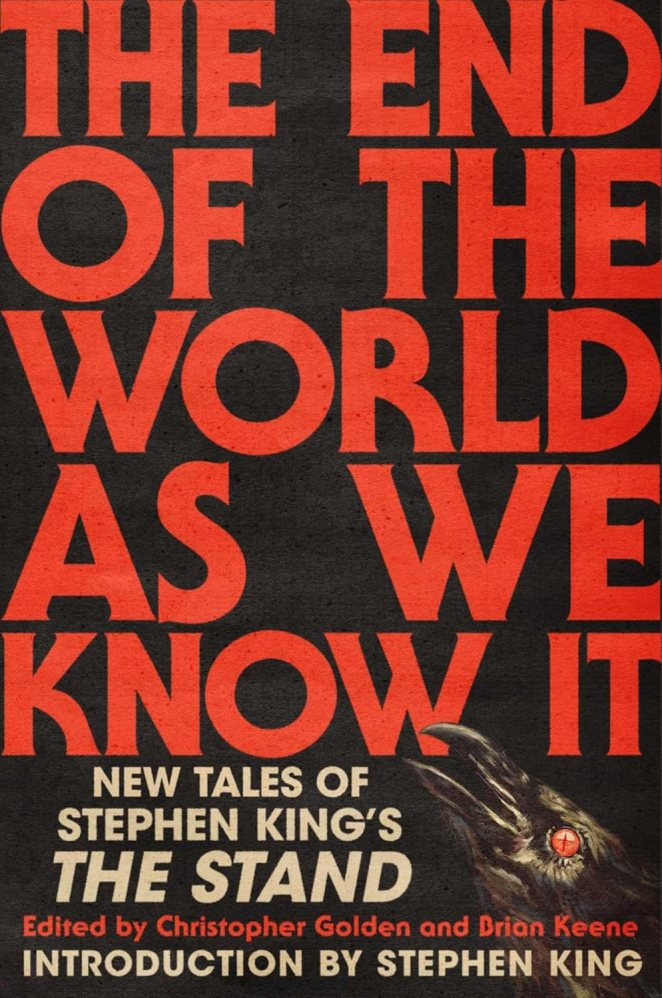
For the first time ever, Stephen King has authorized other writers to expand the world of The Stand, his iconic 1978 novel about a pandemic that wipes out most of humanity and pits survivors in a battle between good and evil. Edited by Christopher Golden and Brian Keene, The End of the World as We Know It features 36 all-new stories from a dazzling lineup of authors: Wayne Brady, Caroline Kepnes, Tananarive Due, Paul Tremblay, Alma Katsu, and many more.
The stories span the initial outbreak, the migrations to Boulder and Las Vegas, and even decades beyond the original novel’s timeline. They’re terrifying, philosophical, and sometimes heartbreakingly tender. For readers who feel like they’re living through their own version of The Stand, this anthology offers catharsis, community, and a reminder that even in collapse, there’s room for hope.

If The End of the World As We Know It is a fictional dive into the apocalypse, Everything Must Go by Dorian Lynskey is its nonfiction counterpart, a sweeping, witty, and surprisingly comforting cultural history of how we’ve imagined the end across centuries. Lynskey explores everything from religious prophecies to pandemic fiction, climate collapse, rogue AI, and nuclear dread. He name-checks everything from The Road to Children of Men, The Twilight Zone to The Purple Cloud, weaving together pop culture, science, and philosophy into a rich tapestry of our collective anxieties.
What makes this book so compelling is its insight: apocalyptic stories aren’t just about destruction, they’re about transformation. They reflect our fears, but also our longing for clarity, justice, and rebirth. For readers struggling in 2025, these books offer more than just entertainment. They offer validation and say: You’re not alone in feeling like the world is ending. And they do it without sugarcoating or false cheer. Instead of asking you to pretend everything’s fine, they invite you to sit with the chaos—and maybe even find meaning in it.
Angie is an Instructor & Research Specialist at Central Branch and is a co-facilitator for Reads of Acceptance, HCLS’ first LGBTQ-focused book club. Her ideal day is reading in her cozy armchair, with her cat Henry next to her.
Our next chapter starts soon when the blog moves to the newly redesigned hclibrary.org. All the same great reviews and news, plus more library information!

 CHAPTER CHATS