New: Equity Resource Center & Collection Virtual Book Club

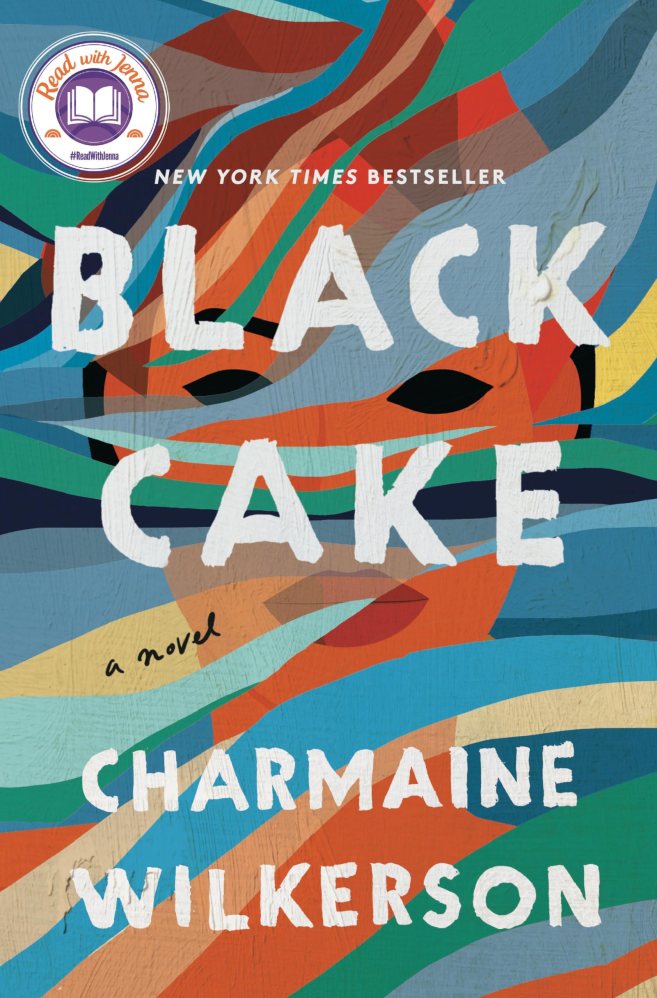
A face appears behind and between swashes of color in cool blues, greens, and oranges.

by Dr. Kelly Clark

Black Cake by Charmaine Wilkerson
Available in print, e-book, and e-audiobook formats
Tue, Aug 12 | 7 – 8:30 pm
Register to receive link to online session: bit.ly/Required-Reading-ERCC

Required Reading: Texts for Change is a new quarterly book club for readers who care about equity, community, and meaningful conversation. It’s for anyone who’s curious, committed to learning, and ready to grow—no matter where you’re starting from.

Each season, our group gathers around a thought-provoking book that invites us to see the world—and one another—a little differently. These are texts that challenge assumptions, offer fresh perspectives, and help us think more deeply about equity in our lives, our work, and the communities we live in.
Howard County is a beautifully diverse place, home to people of many cultures, backgrounds, and experiences. And like many communities, we still face real challenges around access, opportunity, and belonging. Take advantage of the chance to slow down, reflect, and strengthen the ability to show up for one another with empathy and intention.

Read three nonfiction books throughout the year and one fiction title each summer—something lighter to make space for joy, imagination, and connection. Some of these books will stretch us. That’s the point. Growth happens when we’re willing to sit with complexity and listen deeply—to authors and to each other.

Our first title is Black Cake by Charmaine Wilkerson, which is one of those books that subtly teaches you things about the world that you didn’t know – like the history of Chinese indentured servants in the Caribbean or that surfing isn’t the sole proprietary sport of blond dudes in California. Inspired by her own multi-ethnic Caribbean roots, author Charmaine Wilkerson manages to weave a history lesson seamlessly into a heart-tugging tale of family secrets.

Written in bite-sized chapters that move from past to present and back again, the story is woven together like grandma’s quilt. A little bit of love pinned here, a little bit of pain there. While the new ERCC book club will focus mostly on nonfiction titles, summers will be reserved for fictional getaways. Black Cake is the perfect inaugural book. Enough drama and intrigue to keep you hooked, while sharpening the mind and deepening the senses for of those committed to equity work in our own community.

Dr. Clark is the Chief Diversity, Equity, Inclusion & Belonging Officer at Howard County Library System.
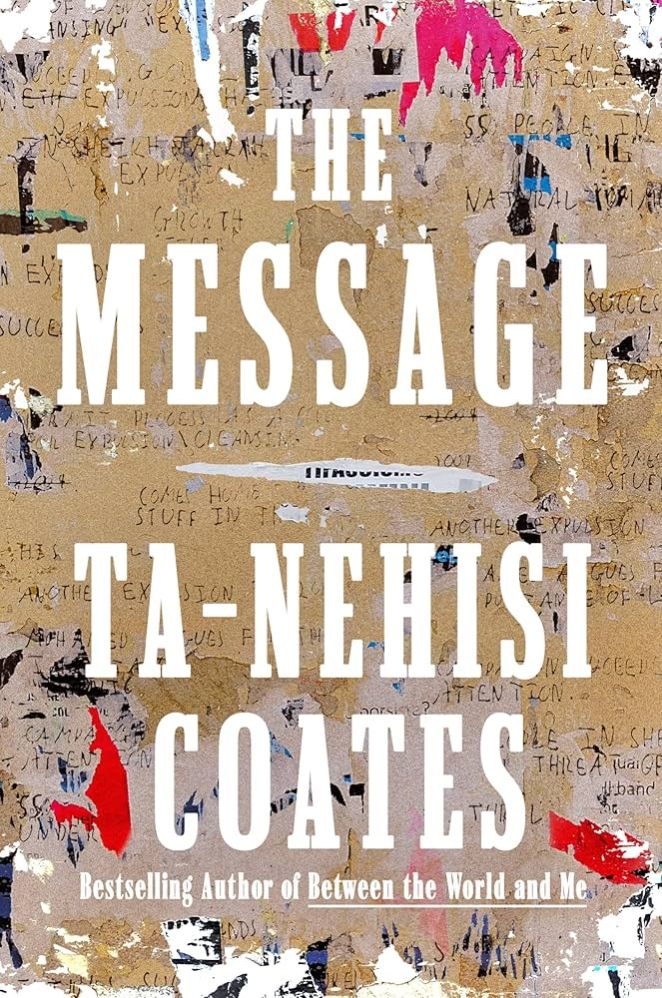
The Message by Ta-Nehisi Coates

In beige, with flashes of white and red, the background image looks like a collage or a wall where messages have been posted and torn down repeatedly.

by Ben H.

Though we do not wholly believe it yet, the interior life is a real life, and the intangible dreams of people have a tangible effect on the world.

James Baldwin 

Ta-Nehisi Coates opens The Message with the above quote, and it’s a great frame for his book. Coates, the esteemed public intellectual from Baltimore and author of many excellent works such as Between the World and Me and We Were Eight Years in Power, explores three places in The Message: Senegal, South Carolina, and Palestine. Returning to the Baldwin quote for context enriched and expanded my understanding of the book.

Coates first takes us to Senegal, “I had indeed come home, and ghosts had come back with me.” He processes his own history, constantly referencing his parents, and the history of slavery and the slave trade. Coates intermingles the unbearably heavy and the humorous in the same way those things blur together in real life. He visits the “Door of No Return” and eats a delicious meal by the ocean. He stays at a luxurious hotel and thinks about, “blood in the bricks and ghosts in the attic.” He regrets the fancy hotel. The juxtaposition of heavy and humorous stretches back to his childhood and the “inheritance of the mass rape that shadows all those DNA jokes” he and his friends would make. Though we come from different backgrounds, I find Coates constantly relatable. 

After Senegal, he moves us to South Carolina. He’s flying to South Carolina to support Mary Wood. Wood, a high school English teacher, assigned Between the World and Me to her class but was ordered to stop teaching the book. What is censorship and the uproar about Critical Race Theory other than an attempt to control the intangible inner life of people to keep it from having a tangible effect on the world? Coates writes, “the arts tell us what is possible and what is not, because, among other things, they tell us who is human and who is not.” As a librarian, this chapter dealing with representation in the arts, censorship, and education felt written for me. 

After South Carolina, he visits East Jerusalem and the West Bank. Coates opens in Yad Vashem with the Book of Names. The Book of Names is a project to collect the names of all the Jews murdered in the Holocaust and display them. It’s overwhelming. Coates considers genocides and how the efforts to remember them, memorialize them, or recognize the horror of them can result in a second tragedy where the murdered men, women, and children are “reduced to a gruel of misery.” Coates is devastated by the holocaust memorial and crushed by the suffering of Palestinians. 

Coates sees Palestinians living, at best, in a Jim Crow state. He can’t unsee this connection to his own country, life, and history. In the Jim Crow South, there was a privileged group with full rights and a disadvantaged group with partial rights. In East Jerusalem and the West Bank, he sees a privileged group with full rights and a disadvantaged group with partial rights. He drives on roads with his Israeli guides that he can’t drive on with his Palestinian guides. As he travels with Palestinians, he feels the “glare of racism,” and he sees soldiers with the “sun glinting off their shades like Georgia sheriffs.” His narrative is compelling; his argument is strong. I think his assessment of the situation is accurate.

What ties Coates’s journeys together? What connects Senegal and South Carolina and the West Bank? Let’s return to Baldwin’s quote and assume that Coates included it for a reason. All three situations reflect the tangible effect of the interior life of people. The interior lives of his mother and father had a tangible effect on him as a child and he expands on this in Senegal, constantly wondering what his father was thinking or how he thought about things. The high school in South Carolina wanted to ban his book for fear of the tangible effects that would result from the change in interior lives. The heartbreaking suffering and misery in Gaza is the horrendous tangible effect of generations of interior lives.

I appreciate Coates’ approach. He’s not a sophist. This isn’t an empty academic argument or intellectual exercise. He calls his books his children. He puts his whole self into his writing. His whole being is in his work. If you’ve seen his interviews or headlines about his book, but haven’t had time to read it, I think it’s worth the time.

Ben loves his job at HCLS Project Literacy. When he’s not at work, you might find him walking around Lake Kittamaqundi (on his break), playing pretend with his daughter Annika, reading, peeling garlic,  weeding his tiny lawn (Canada Thistle, leave me be!), eating chocolate, or listening to baseball games on the radio.

Celebrating Juneteenth

Juneteenth: Freedom Day appears inside a yellow square atop swashes of color in red, black, green, and yellow.

by Brandon B.

What greater place to celebrate the Juneteenth holiday than with the library? Juneteenth (short for “June Nineteenth”) is the day on which federal troops traveled to Galveston, Texas in 1865 to free all enslaved people. Even though this happened two years after the Emancipation Proclamation was signed, we honor Juneteenth as the day that slavery officially ended everywhere in the U.S.

Since 2021, Juneteenth marks the federal holiday when we celebrate Black freedom and liberation. However, we still have a way to go toward true equity, with continued violence toward Black people by law enforcement, discrimination in job and housing opportunities, and the lingering consequences of slavery. In addition, many school districts have now decided to pull Black authors and titles from their curriculum due to fear of critical race theory. If you have an HCLS library card, you have the opportunity to acquire knowledge which can facilitate change.

At Central Branch, visit our Equity Resource Center which offers inspirational books, DVDs, and audio materials for all ages. One informative book to read is The Kaepernick Effect: Taking a Knee, Changing the World by Dave Zirin, which explains how former NFL quarterback Colin Kaepernick risked his career and became an activist for Black social justice. Another great read is the 1619 Project by Nikole Hannah-Jones, which provides an historical analysis of the first people of African descent who arrived in the U.S.

Juneteenth by R.J. Bailey gives children a great understanding of why Juneteenth is significant. Ways to Welcome by Linda Ashman is another wonderful children’s book, illustrating how creating a friendly and welcoming environment can have a lasting impact on a child’s life.

At the end of the day, Juneteenth is also an opportunity for the country to heal and reflect. Can America cure our racial divide? Or do we just continue to live our lives, business as usual? Please consider these ideas and thoughts as you enjoy and celebrate this Juneteenth holiday.

Brandon is a Customer Service Specialist at HCLS Central Branch who loves reading, football, and taking nice long walks around his neighborhood.

The ERC Belongs to You and Me

by Cherise T.

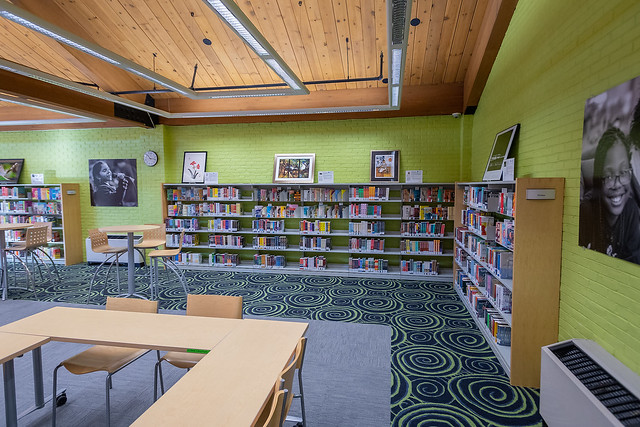
On your next journey to the Central Branch, promise you will climb to the top floor and venture beyond the computers to the Equity Resource Center, established in 2021. The ERC is a place for community events and a treasure trove of classic and cutting-edge books, audiobooks, movies, television series, and music. A collection of materials you’ve always wanted to read, watch, and discuss. 

Book shelves at the Equity Resource Center, with art to borrow resting on top. Photo also shows swirled-patterned carpet and wood.

Recently, I had the opportunity to shift the positioning of ERC materials. I was up to my elbows and down on my knees handling the books, CDs, and DVDs. This is a librarian’s paradise, being among new copies of books I’ve read and can barely wait to read. I wanted to open almost every book and peruse the first pages. This was a physical task, however; the goal was moving and organizing, not intellectualizing. Just as when I’m shelving materials or directing a customer to a topic area, my job at that moment is not to indulge my interests but to engage others’ curiosity. It’s rough, though, staying focused in the ERC when I’m surrounded by all the intriguing titles, many that have been past favorites, shelves of those that I’ve heard others rave about, and new publications that I’m excited to discover. 

Honestly, I’m continually surprised by the ERC. The diversity of voices and perspectives in the works seems impossible. While the classic titles attest to the reality that marginalized communities with strong voices have always existed, the scope and depth of contemporary publications feels like hope. Publishers are expanding their willingness to broadcast unique perspectives, and exploring these materials in one place collapses time, as if we have always been privileged to share in each other’s experiences and dreams. 

Undesign the Redline

The ERC fills me with gratitude. I am thankful to be alive at a time when I can work and live in a place where the library system offers such wonders to all who choose to enter the doors. I am thankful when I realize how many of the DVDs are multi-award-winning, popular films and that so many of the books are past and current best sellers. These works offer engagement, information, and entertainment to those whose experiences are worlds apart from the authors’. They provide a shared experience for those who want to feel they are not alone. The creators of these artistic riches are of different races and classes. They come from many countries, practice a spectrum of religions, view the world from differently-abled perspectives, and live with distinctive gender identity and sexual orientation. The materials challenge stereotypes, open our minds, provoke strong opinions. 

Visual characteristics that are plain for all to see do not define who we are or how we should be treated. We wouldn’t want to, nor should we have to, wear signs identifying the people we are or are not. No person or artist owes us their story. Nevertheless, history and narrative have been abundantly gifted to us in the ERC, presenting opportunities to read, watch, listen, and learn. The fiction and nonfiction, poetry and prose, exist to be soaked up, broaden world views, and spread inclusive perspectives. 

Times may seem grim with two steps back for every one step forward. Sometimes I despair for the health of our children, our planet, and our marginalized communities. The ERC, though, attests to the fact that despite the pain in the world, forward strides have been accomplished. The sanctuary of the ERC may be in the back of the top floor of the Central Branch, but it is not distant. It is accessible and evolving as we speak.  

Welcome to the library, the community gathering place you know, and the oasis of ideas and opportunities beyond what you’ve imagined. 

Cherise Tasker is an Adult Instructor and Research Specialist at the Central Branch. When not immersed in literary fiction, Cherise can be found singing along to musical theater soundtracks. 

Racial Equity: Collecting Stories in our Community

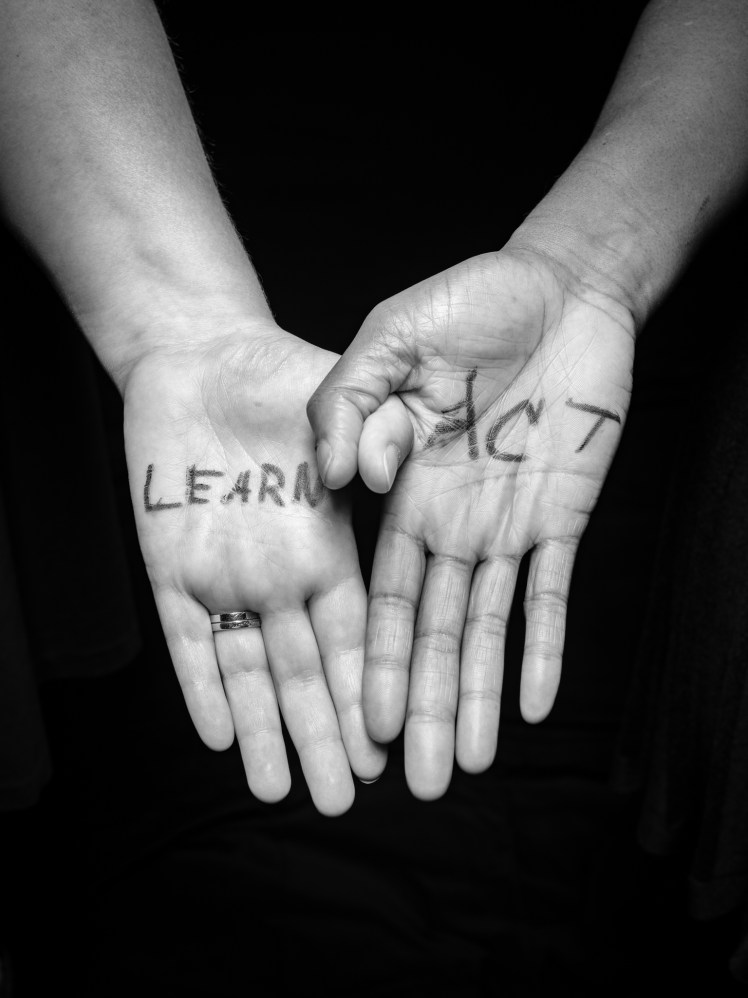
Two hands joined by hooking thumbs. The hand on the left is White and has the word "Learn" on the palm. The hand on the right is Black and says "Act."

By Katie DiSalvo-Thronson

With respect to racism, tell us about a time in the last six months you had an experience and thought “things have got to change.”

All of us have a story to tell, and we’d like to hear yours!  

HCLS wants to provide community engagement and education that advances equity and connects people to opportunities to make a difference. 

We invite you to join us at one of two virtual gatherings to hear and share stories related to racial equity. Please bring your experiences and insights, listening ears, and an open mind and heart.  

We are excited that through this event, you will have two options to make your story part of something bigger: You can share your story with the library’s new collection of stories about local racial experiences. You also can share your stories and experiences with the County Council’s Racial Equity Task Force.

The Task Force is developing recommendations for the County Council about legislations that can advance equity. Stories shared with them will be official testimony for the Task Force to consider as it does its work.

These events are previews of additional story gathering efforts the library will launch this spring.  

Thursday, Feb 18  |  7 pm  |  Register 
Saturday, Feb 20  |  1 pm  |  Register 

Katie is the Community Education and Engagement Manager for HCLS. She loves people, the big questions, the woods, and chocolate.

The Longest (Virtual) Table with Daryl Davis

There’s a place for you at the Longest (virtual) Table on Saturday, October 17 from 5:30 – 8 pm for some great conversation with folks in the community. We really look forward to our annual dinner date and didn’t want to cancel altogether, so for all the 2020 reasons, the event is going virtual. And, it’s FREE!

This year, we are excited to introduce a guest speaker: Daryl Davis, acclaimed jazz musician and race relations expert. Through interactions with a fan, Davis gained access – as a Black man – to meeting with Ku Klux Klan members. He eventually became the recipient of robes and hoods from Klan members who came to rescind their beliefs after getting to know him. Davis has received acclaim for his book, Klan-Destine Relationships, and his work in race relations from many respected sources, including: CNN, CNBC, Good Morning America, The Learning Channel, National Public Radio, The Washington Post, The Washington Times, and The Baltimore Sun. He is the recipient of the The American Ethical Union’s Elliott-Black Award, The Washington Ethical Society’s Bridge Builder, and the Search for Common Ground Award, among others.

After Davis talks to us about his encounters, we connect with new friends to discuss issues facing our community in small breakout rooms with no more than 10 people (probably fewer). Other elements enliven what promises to be an exciting evening. You can enter the online event at 5:30 pm to watch HCLS’ art instructor Jereme Scott’s video demonstrating drawing techniques.

Order and pick up dinner from one of our restaurant partners (place your own order directly with the restaurant) or make your own meal and join us at the table! “Secret menu suggestions” for our event:

  • Anegada Delights Caribbean Cuisine – Jerk Chicken (Spicy) w/ two sides – $12.99; side choices: rice and peas, mac and cheese, cabbage, plantains, zucchini, (jerk mac and cheese $1.99 extra)
  • Cured | 18th & 21st – Cedar Plank Salmon with bacon braised collard greens, sweet potato hash, maple glaze, crispy leeks – $27.21; large sides $8 each: paprika fries, house side salad, sweet potato fries
  • Roving Radish meal kit – Kit includes ingredients for two meals for four people – $38 ($18 subsidized); Week 26 menu options will include an Apple Cider Chicken meal and vegetarian meal. All orders must be placed before Sunday, October 4 at midnight and picked up by Wednesday, October 14. Please allow time for at-home meal preparation prior to the start of event.

Longest Table T-shirts are also on sale for $25; proceeds benefit HCLS’ commitment to diversity, inclusion, and equity.

Reserve your place at the table today!