

Byte-Sized Intelligence: A Crash Course on AI

The image shows a robot seated at table, reading written materials placed in front of it. A chair is off to the side of the table and a smaller table with a lamp is in the background.

by Sahana C.

Thursday, April 20 at 7 pm
In person; Savage Branch
Register

Libraries have come a long way – from a time when including a table of contents was the most innovative, revolutionary advancement in conducting research to the advent of search engines. How we interact with information, how we keep ourselves informed, and how we use the tools at our disposal have all evolved.  

Artificial intelligence (AI) is the next wave of that evolution. Though it’s the subject of many science fiction novels, its real-world applications are wildly interesting. Artificial Intelligence refers to the development of computer systems that can perform tasks that would typically require human intelligence. These tasks may include speech recognition, image analysis, and decision-making. AI is already being used in a variety of fields, from healthcare to transportation, and its potential applications are only growing. 

Savage Branch is having a crash course and conversation about the fascinating world of AI on Thursday, April 20. We plan to explore the basics of AI, looking at what it is, how it’s used, and its potential impacts on society. Whether you’re a tech enthusiast or just someone who’s interested in staying up-to-date on the latest technological advancements, there’s something for you! 

In our AI class, you’ll learn about the different types of AI and their real-life examples. For example, machine learning is a type of AI that allows computer systems to learn and improve from experience, without being explicitly programmed. Deep learning is another type of AI that uses neural networks to process and analyze large amounts of data. We’ll also explore natural language processing, which enables computers to understand and interpret human language. 

But it’s not just about the technical aspects of AI. We’ll also delve into the ethical considerations surrounding AI, such as bias and privacy concerns. As AI becomes more integrated into our daily lives, it’s essential to evaluate the potential impact on society and address these issues. 

Our AI class is designed for anyone who wants to learn about this exciting and rapidly evolving field, regardless of technical background or experience. Our experienced instructors guide you through the basics of AI in a clear, structured, and informative manner. Don’t miss this opportunity to explore one of the most transformative technologies of our time. 

The possibilities of Artificial Intelligence appear to be limitless. And what’s more – some of this blog post was generated by AI. I asked it to analyze my other writing to create a blog post on this class in my style, and I think it did a decent job. Did you catch anything that felt off? If you want to learn more, to discuss how this is possible, or just play with the possible applications, join us at Savage on April 20 to learn more. 

Sahana is an Instructor and Research Specialist at the Savage Branch. They enjoy adding books to their “want to read” list despite having a mountain of books waiting for them already.
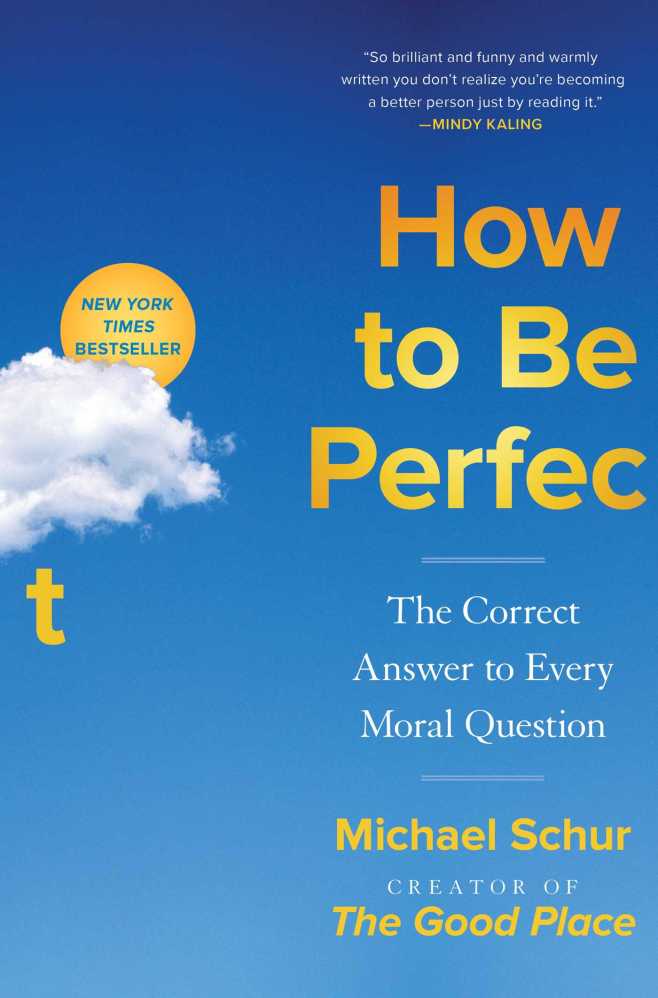
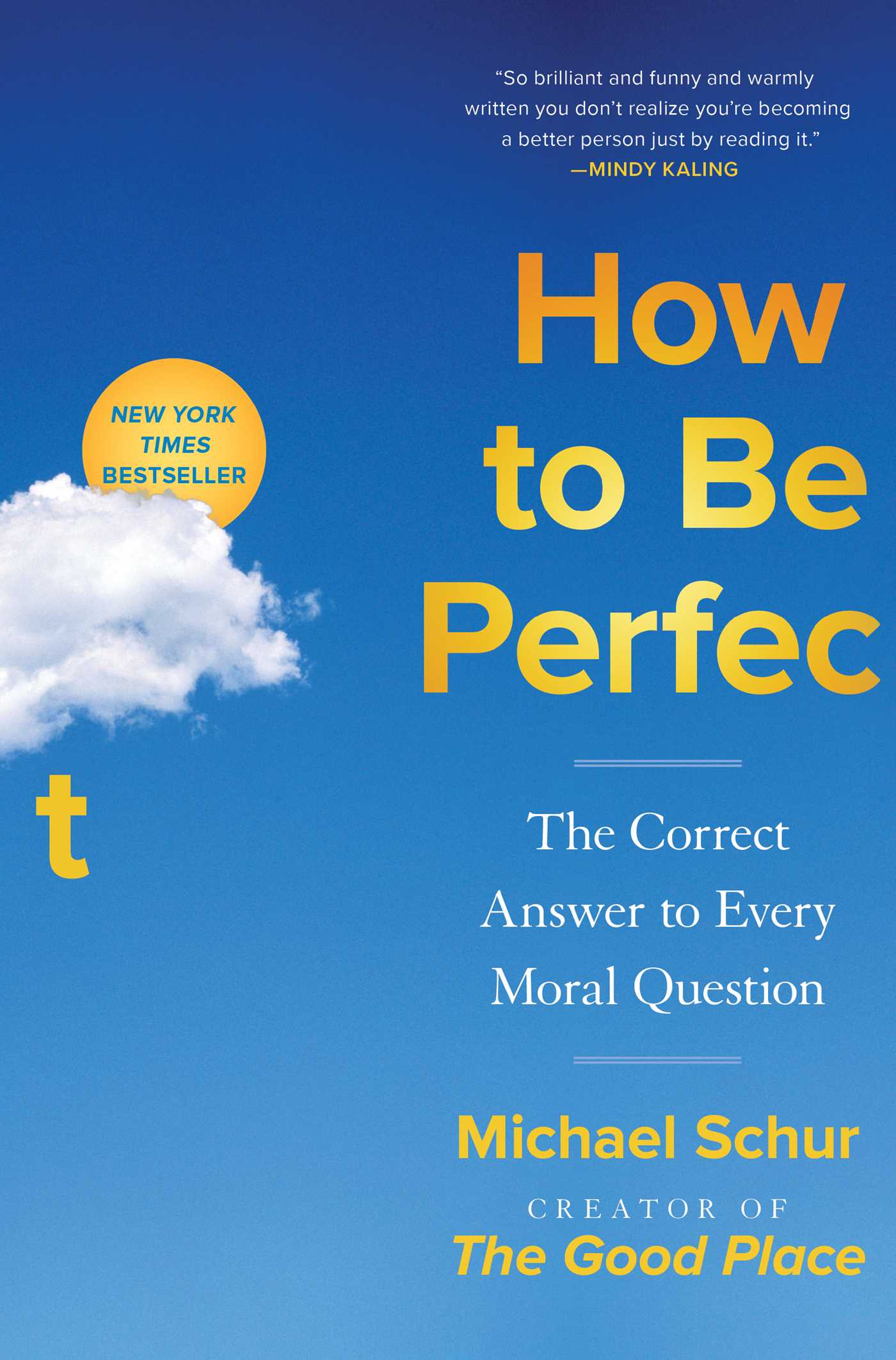
How to Be Perfect by Michael Schur

A clear blue sky of a cover has all the text on the right hand side, with the left containg a fluffy white cloud and a dangling, lonely letter t.

by Eliana H.

Have you ever wanted to be a better person? Well, I have great news for you. Here at the library, we have a title called How to Be Perfect: The Correct Answer to Every Moral Question (available in print, audiobook on CD, e-book, and e-audiobook). Spoiler alert: It does not exactly have the correct answer to EVERY moral question you might encounter. Sorry to burst your bubble.

What How to Be Perfect does have is a lot of information to help guide us through a wide range of moral dilemmas. In fact, author Michael Schur decided to write this book after the extensive research he did to create the television show The Good Place. If you haven’t watched it, do yourself a favor and check it out from the library or stream it on Netflix. You may then have a greater appreciation for the book, but you can still glean a lot even without the context of the show. 

I don’t want to give too much away, but suffice to say the show’s characters explore moral philosophy and ethics in their attempts to be better people and help others to be better, too. Certainly, for this to be even remotely feasible, the creator needed to have a decent grasp of these subjects. So, he worked with experts and did a lot of research, then he was kind enough to share that research in the form of How to Be Perfect. I am not a philosopher or ethicist, and I don’t even tend to enjoy reading nonfiction, but this title offers an accessible, enjoyable overview of the extensive history of moral philosophy and its main schools of thought.

Sounds kind of boring, though, right? Well, it’s not. Michael Schur writes for TV, remember? In addition to The Good Place, he co-created Parks & Recreation. He knows how to keep you engaged and make you laugh, and he uses that knowledge well. While explaining key points of major ethical traditions, Schur also helps us consider some of their shortcomings and the obstacles we may face in applying these concepts.

Overall, he encourages individuals to explore what feels like the right fit for us and to take pieces from each. He also reminds us that we will fail. Constantly. Our obligation, though, is to always keep trying. If you are striving to be a better person, definitely take the time to read this title (or better yet, listen to the audiobook, narrated by the author and numerous cast members from the show). Take comfort in knowing that no one is actually perfect and never will be. We just have to do our best. 

Eliana is a Children’s Research Specialist and Instructor at HCLS Elkridge Branch. She loves reading, even if she’s slow at it, and especially enjoys helping people find books that make them light up. She also loves being outside and spending time with friends and family (when it’s safe).