“An expertly fleshed-out cast and a lushly described setting [that] thoughtfully examine questions of mortality and identity. This remarkable debut explores multi-generational trauma and how its effects leave severe wounds on the present while resonating into the future, making for a heartrending tale.” – Publishers Weekly,starred review
On Saturday, Hammonds discusses her inspiration, writing process, and more.
Saturday, July 15 | 4 – 5 pm HCLS Miller Branch For ages 14 & up Registration required.
Books available for purchase and signing.
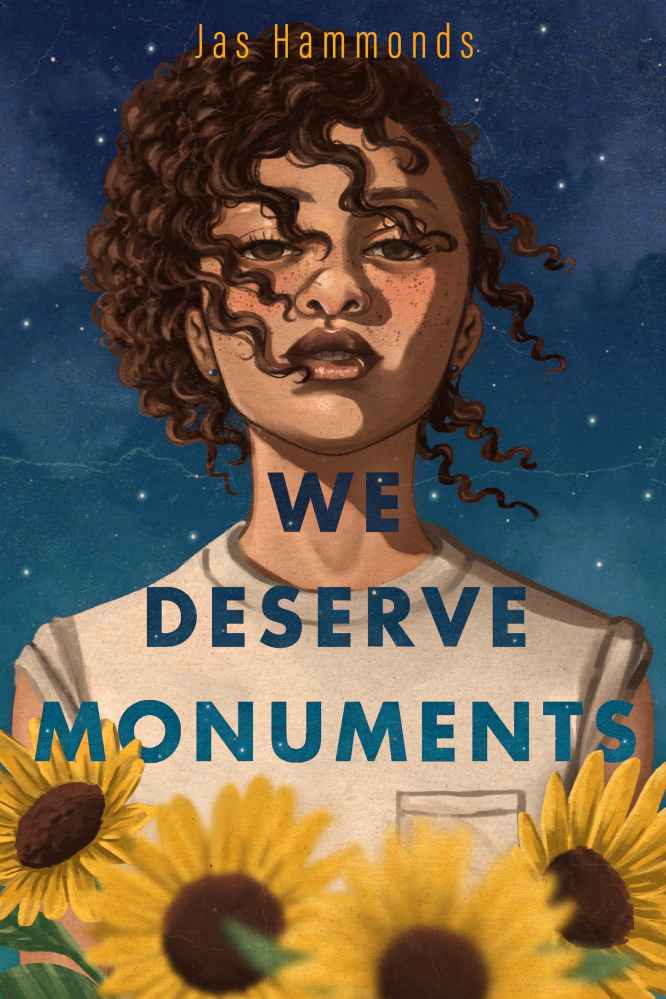
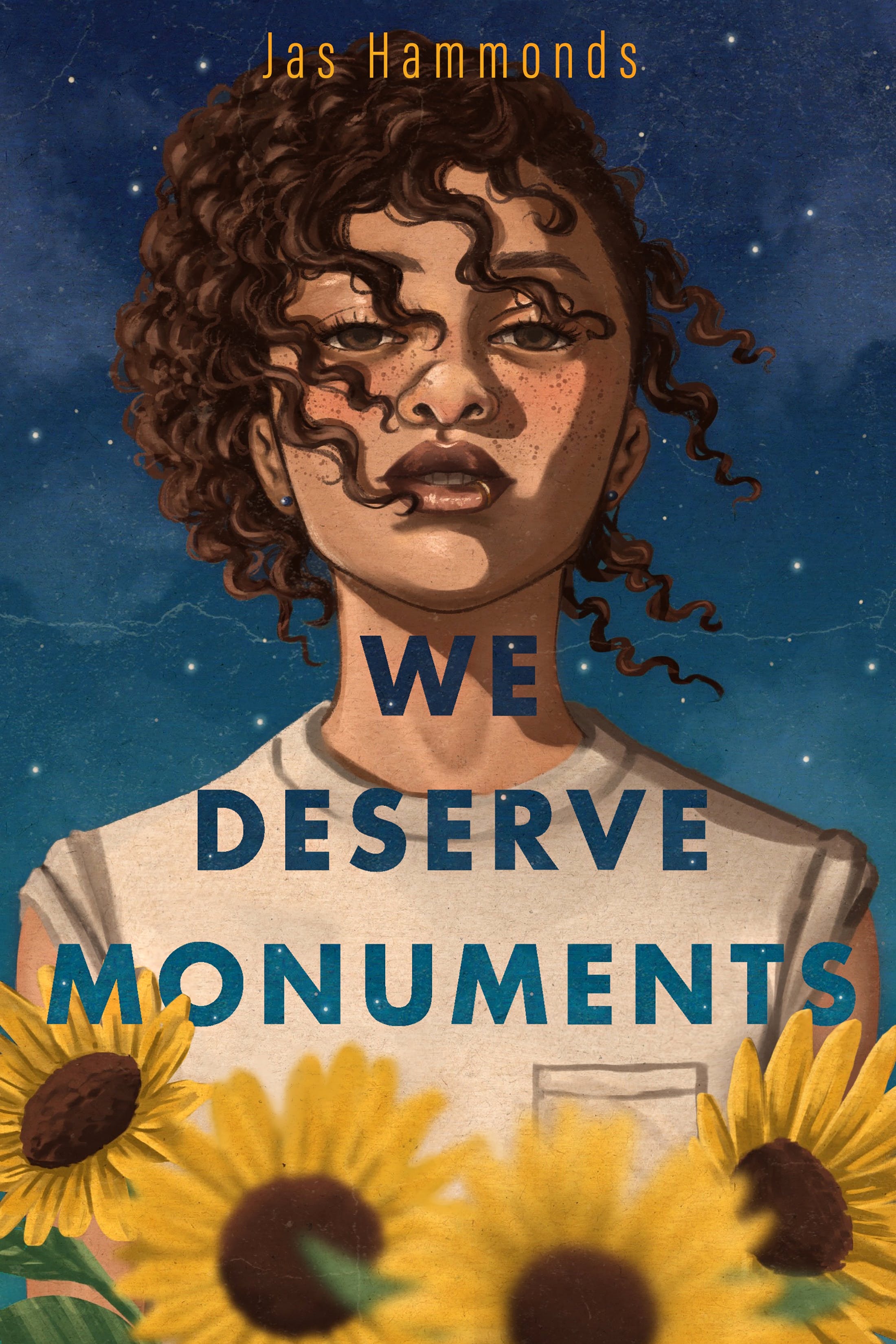
Family secrets, a swoon-worthy romance, and a slow-burn mystery collide in We Deserve Monuments, a YA debut from Jas Hammonds that explores how racial violence can ripple down through generations.
From Macmillan Publishers: What’s more important: Knowing the truth or keeping the peace? Seventeen-year-old Avery Anderson is convinced her senior year is ruined when she’s uprooted from her life in DC and forced into the hostile home of her terminally ill grandmother, Mama Letty. The tension between Avery’s mom and Mama Letty makes for a frosty arrival and unearths past drama they refuse to talk about. Every time Avery tries to look deeper, she’s turned away, leaving her desperate to learn the secrets that split her family in two. While tempers flare in her avoidant family, Avery finds friendship in unexpected places: in Simone Cole, her captivating next-door neighbor, and Jade Oliver, daughter of the town’s most prominent family—whose mother’s murder remains unsolved.
Official Author Bio
Jas Hammonds (they/she) was raised in many cities and between the pages of many books. They have received support for their writing from the Highlights Foundation, Baldwin for the Arts and more. They are also a grateful recipient of the MacDowell James Baldwin Fellowship. Their debut novel, We Deserve Monuments, won the 2023 Coretta Scott King – John Steptoe Award for New Talent. She lives in New Jersey.
Unofficially…
Hi! I’m Jas (pronounced like Jazz).
I like writing about messy families and queer characters and finding magic in the mundane. When I’m not writing, I enjoy reading, working on jigsaw puzzles, riding my bicycle, and making my surroundings as cozy as possible. I’m a flight attendant by day (and early morning…and late night…) and I love exploring bookstores and coffee shops in every city I visit. I’m a sucker for autumn and rainy days and fuzzy socks.
You won’t want to miss this engaging and insightful discussion between contemporary literary fiction authors Jenny Xie and Molly Lynch as they explore the complexities of human relationships.
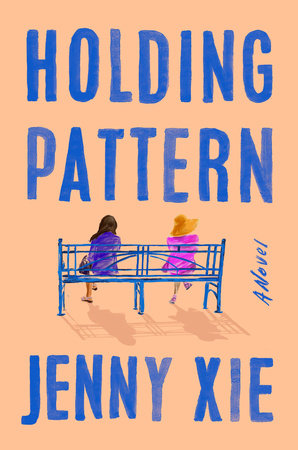
Set against a swiftly evolving Oakland and the tech culture that is changing the ways we interact and relate, Xie’s novel Holding Pattern (also available as an e-book) offers a nuanced and lightly satirical look at start-ups, influencers, and the boom-and-bust cycles of Silicon Valley enthusiasms.
Fates and Furies meets Melancholia in Lynch’s The Forbidden Territory of a Terrifying Woman, an ominous and absorbing debut novel about marriage and motherhood in a time of ecological collapse, as mothers around the world begin to mysteriously vanish from their homes.
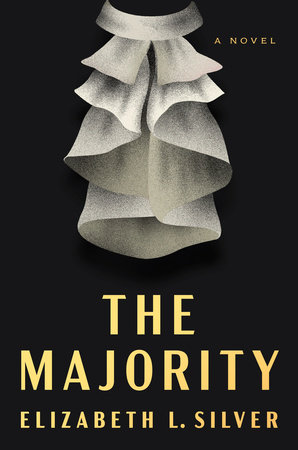
Elizabeth Silver discusses her compelling new novel The Majority. Illuminating and compassionate, The Majority reimagines the life of a fictional first female Supreme Court Justice in the United States: Sylvia Olin Bernstein (or, “SOB”). Unlike some of the other gamechangers of her time, Sylvia is a quiet rule-follower, steadily climbing to the top of her class at Harvard and beyond, until — caught in a dramatic tug of war between career and family, truth and convenience, progress and patience — she is given a chance to change the course of American history and give voice, at last, to an overlooked majority.
Though set against the rich sweep of the 20th century, The Majority directly engages with the world right now, bringing to light huge questions at the current center and foreseeable future of American life: What is the role of the Supreme Court? How much power should these nine figures have? How are women treated within the law?
Summer Reading Bonanza! Free Book Giveaway!
Register to win! One hundred randomly selected registrants (50 from each event) will receive a copy of a book by one of the authors. If chosen, you may pick up a book at a Howard County Library System branch of your choice. Winners will be contacted via email with more details.
Also known as street lit or hood lit, urban fiction focuses on the gritty realities of life in the inner cities and the raw, unfiltered experiences that expose the highs and lows, the triumphs and tragedies of urban life. It emerged in the late twentieth century as a genre centered in urban communities, primarily among African American authors. While being vibrant and compelling, it often finds itself grappling with preconceived notions and stereotypes. Despite its popularity and cultural significance, it is often dismissed or misunderstood.
From street hustlers and drug dealers to determined mothers and aspiring entrepreneurs, these individuals often navigate morally ambiguous situations, creating a nuanced narrative. By examining the motivations and inner conflicts of its characters, urban fiction humanizes those who may be pigeon-holed, encouraging readers to challenge their preconceptions and recognize the complexity within individuals.
The genre has played an important role in amplifying underrepresented voices and providing a space for authors to share their lived experiences. Featuring protagonists from diverse backgrounds and communities, urban fiction offers a refreshing departure from other contemporary literature, which has historically been dominated by a narrow set of perspectives.
If you’re looking to get started with reading urban fiction, you can’t go wrong with Tracy Brown (whom, I was saddened to hear, recently passed away).
Her books, which are set in Staten Island and focus on women who triumph despite adversity, have been Essence magazine and USA Today bestsellers. Tracy Brown also started and ran a nonprofit organization known as We Are Ladies First, which serves to inform, inspire, and empower young women.
Set in the 80s and 90s, White Lines portraysauthentic and multifaceted characters. Jada, the protagonist, is a beautifully flawed individual whose journey is heart-wrenching. Brown writes her with depth and vulnerability. As the narrative unfolds, we meet a diverse cast of characters, each with their unique stories and motivations. From Jada’s childhood friend Born, who walks a fine line between right and wrong, to the mysterious and captivating Cuban, whose connection to Jada sparks a whirlwind romance, these characters leave a lasting impression.
Beyond its compelling characters, White Lines delves into thought-provoking themes that confront societal issues head-on. The exploration of the drug epidemic, the impact on families, and the consequences of choices made under desperate circumstances are handled with a delicate balance of compassion and realism. Brown’s narrative serves as a powerful reminder of the human toll that addiction can exact on individuals and their communities.
While the story deals with heavy subject matter, Brown’s storytelling keeps the pacing engaging throughout. The plot twists and turns, keeping readers on their toes, and the emotional depth of the narrative never falters.
Angie is an Instructor & Research Specialist at Central Branch and is a co-facilitator for Reads of Acceptance, HCLS’ first LGBTQ-focused book club. Her ideal day is reading in her cozy armchair, with her cat Henry next to her.
Between the Lines Third Fridays; 5 – 6 pm Brewing Good at Savage Mill Register for emails and updates.
by Sahana C.
Let me know if you can relate, but my attention span has been pretty garbage lately, to be frank. It makes reading harder, and it makes some of my old favorite genres, tropes, and go-tos feel tedious. It makes it hard to motivate myself, when there’s so much on streaming, and my phone is just barely out of reach.
So recently, the best way I’ve found to get out of my reading slumps is to switch it up. And in the wake of world events over the past few years, I’ve been trying to intentionally read more diversely and to see as many different perspectives as I can through the books I choose. I’ve managed to read some really interesting things, venturing outside of my comfort zone (and it makes giving recommendations, a whole lot easier!).
Something I love to do when I’m reading something I’m not familiar with, whether my lack of familiarity be related to genre or to the topics and themes in the book, is to try to figure out what in my life can relate. I always ask myself what exists in my life that mirrors this, or if there’s nothing that’s familiar, I try to learn as much as I can about the subject.
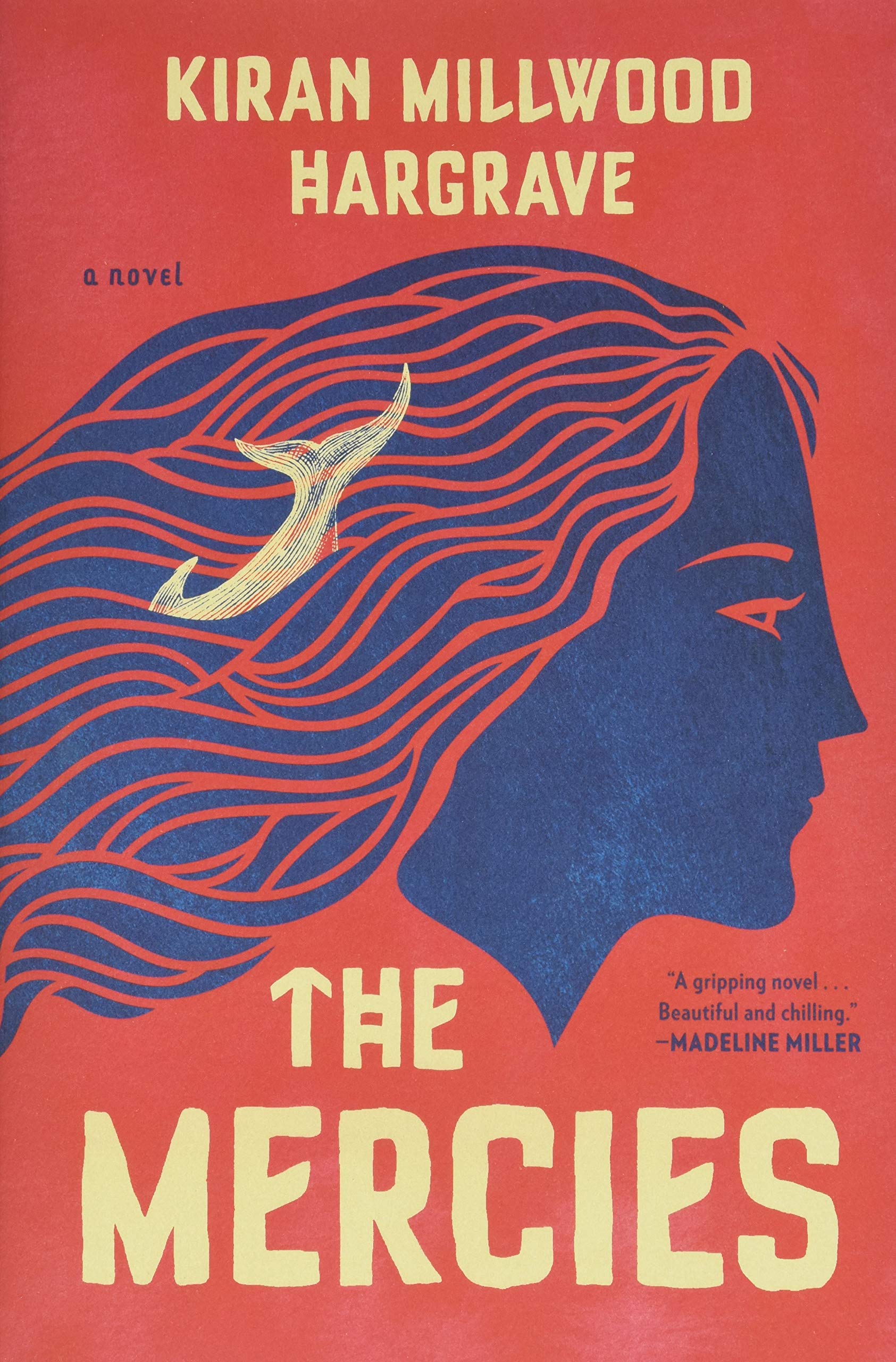
My favorite book of 2022, for example, was about sapphic Norwegian “witches” from 1621. The Mercies by Killan Millwood Hargrave gave me a lot of context to a witch trial I didn’t even know existed, as well as introduced me to the Sámi people, an indigenous group that spans Scandinavia. Shortly after, I read a cheesy friends-to-lovers novel that had me thinking about the romance in The Mercies all over again. I love doing stuff like that, and I know a lot of people who do, too. Here at the branch, we discuss it among ourselves, as staff, but we kept talking about how fun it would be to do as a book club.
Which is why we’re all here now! In this brand new book club, I’m really hoping that we can make connections. We’ll read books of all sorts, from sci-fi, poetry, historical fiction and romances, to nonfiction, biographies, then more fiction. I really want to discuss the similarities and differences, the intersections and identities, the ways that genre and form show up and make each work.
Between the Linesis going to be hosted at Brewing Good, at the Savage Mill, and we’re incredibly excited for this partnership. It’s a fantastic setting for a book club, with the cutest café and sitting area. We’ll discuss our book of the month on the third Friday of the month, from 5-6, but come by a bit earlier to grab something to eat or drink, and we’ll settle in slowly.
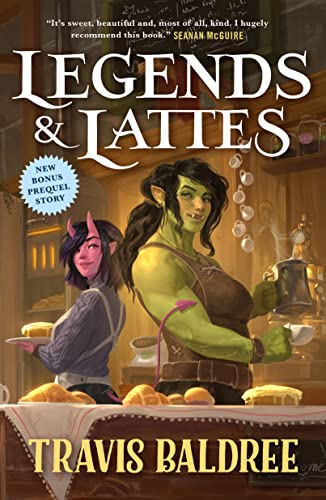
We’re kicking off with a fun one this summer: Legends & Lattes by Travis Baldree is about an orc who is done with all of the violence of her life and is ready to start a new life, opening up a coffee shop (are you seeing why we picked this book?) while trying to stay on her new path, regardless of distractions.
Pick up a copy at the Savage Branch, read the e-book through Libby, or peruse the copies that are already at Brewing Good – either way, we hope to see you on July 21.
Sahana is an Instructor and Research Specialist at the Savage Branch. They enjoy adding books to their “want to read” list despite having a mountain of books waiting for them already.
I attribute partial credit to Jojo Moyes for my job at the library. It was 2012 when I interviewed for Instructor and Research position at Miller Branch. One of the assignments was to present an author to the interview panel for a fictional author visit. I had just finished reading Me Before You by Moyes, and I did not hesitate for a moment to decide which author I would be presenting. I got the job. Since then, I have read almost all of her novels partly because I feel indebted but mostly because I love her style of writing and her stories. When I discovered her latest book, Someone Else’s Shoes was coming out, I put my name on the wait list early.
I was not sure I would like this book when I first started reading it. It seemed too predictable – a story of two middle-aged women, diametrically opposite in character, social standing, and circumstances. Nisha Cantor is the wife of a billionaire whose husband drops her like hot potato, leaving her penniless, for a younger woman. Nisha is relentless in her anger to get back what she has lost. She has no money, no prospects, and is on the verge of being homeless, yet she has her attitude, her brusqueness, her determination, her optimism, and her resilience. Despite her situation, she does not get my sympathy. I do not believe Moyes wanted the reader’s sympathy for Nisha Cantor. She is almost unlikeable, insensitive. She is forceful and not in a good way. A woman wronged, she will have her revenge. Love her or hate her, you cannot ignore her.
Samantha, the opposite of Nisha, is beaten down by life. Her husband, Phil, is severely depressed; her boss at work is a pathetic, misogynistic man who constantly disrespects Sam despite her excellent work. Sam, however, needs the job since Phil can hardly get up from the couch due to his mental health. She has arrived at that precarious age when women start becoming invisible. Sam holds up her family single-handedly yet slowly fades as an individual. She is bullied, ignored, taken for granted, and yet she sees no way out.
One day at the gym, Sam mistakenly takes Nisha’s bag instead of her own, which contains a pair of red Christian Louboutin shoes. Those shoes become a catalyst for many changes in this novel’s characters. The pair of Louboutin shoes not only changes lives, fosters friendships, and brings justice but it also serves as a double entendre to show what it means to step into other people’s shoes and see life through a different lens.
This book is a lighthearted read that explores various emotions – love, female friendship, empathy, humanity, to name a few. The readers will, perhaps, know that the end carries no surprises, but I did not mind. As I read on, I got deeply invested into the lives of the two protagonists. I started to care. If you are in between heavy books or going through a reading slump and need a light yet engaging read, this may be the book for you.
Piyali is an instructor and research specialist at HCLS Miller Branch, where she facilitates Light But Not Fluffy and co-facilitates Global Reads. She keeps the hope alive that someday she will reach the bottom of her to-read list.
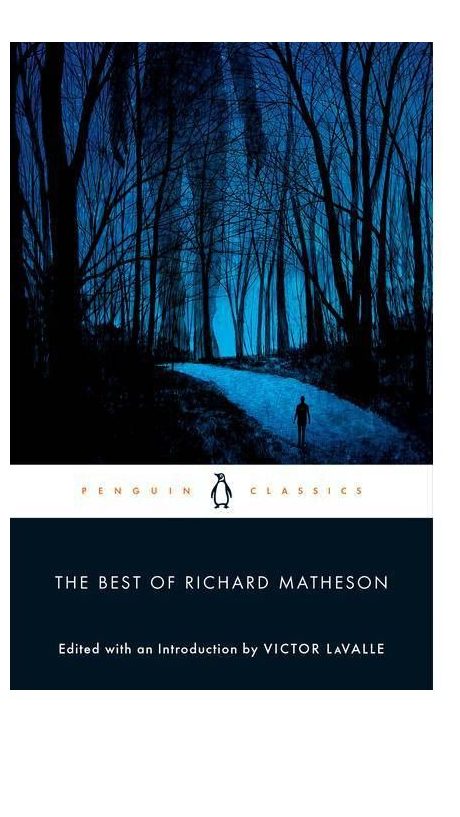
The Best of Richard Mathesonis like taking a roller coaster ride through the wild and imaginative mind of a literary genius. Now, if you haven’t heard of Richard Matheson, let me tell you more. He’s behind some of the most spine-tingling tales that have ever graced a page. From the eerie darkness of I Am Legend (also a movie) to his episodes of the mind-bending brilliance of The Twilight Zone to the softer, more gentle (and beloved) Somewhere In Time , Matheson knows how to keep you on the edge of your seat.
The Best of Richard Matheson reads like a greatest hits album for horror, sci-fi, and thriller enthusiasts. The tantalizing collection of his finest short stories, handpicked by author Victor LaValle, showcases his incredible range. It’s a treasure trove for anyone who craves a good dose of suspense, a dash of the supernatural, and a healthy serving of psychological twists.
One of my favorites is “Button, Button,” a chilling tale that plays with morality and the consequences of our actions. It’s like a game of ethical roulette where you can’t help but question what you would do in the same situation. Matheson has a way of making you think long after you’ve turned the last page.
“Duel” is another pulse-pounding story that’ll make you think twice before honking your horn at an aggressive driver on the highway. An intense battle of wits, it keeps you gripping the edge of your seat while giving you a newfound appreciation for the safety of your car. It’s also the basis for the 1971 movie of the same name, directed by Steven Spielberg.
And let’s not forget the goosebumps-inducing classic “Nightmare at 20,000 Feet,” both a classic episode of The Twilight Zone and part of the 1983 film of the same name. If you’ve ever stepped onto a plane and felt a twinge of unease, this story takes that discomfort to a whole new level. Matheson takes a seemingly mundane situation and infuses it with a supernatural twist that leaves a lingering fear of air travel and, perhaps, a reassessment of William Shatner’s acting, if you watch the episode.
I adore Matheson’s ability to create vivid characters that jump off the page. Whether it’s a desperate survivor battling hordes of vampires, an ordinary Joe facing off against his darkest fears, or a gentle, sad man searching for love in the past, you find yourself deeply invested in their journeys. Matheson has a knack for blending the extraordinary with the everyday, making it all the more relatable and thrilling.
The Best of Richard Matheson is a delightful literary cocktail that’s equal parts creepy, mind-bending, and thought-provoking. It’s the kind of book you’ll find yourself devouring in one sitting, staying up late into the night with wide eyes and racing pulse.
Angie is an Instructor & Research Specialist at Central Branch and is a co-facilitator for Reads of Acceptance, HCLS’ first LGBTQ-focused book club. Her ideal day is reading in her cozy armchair, with her cat Henry next to her.
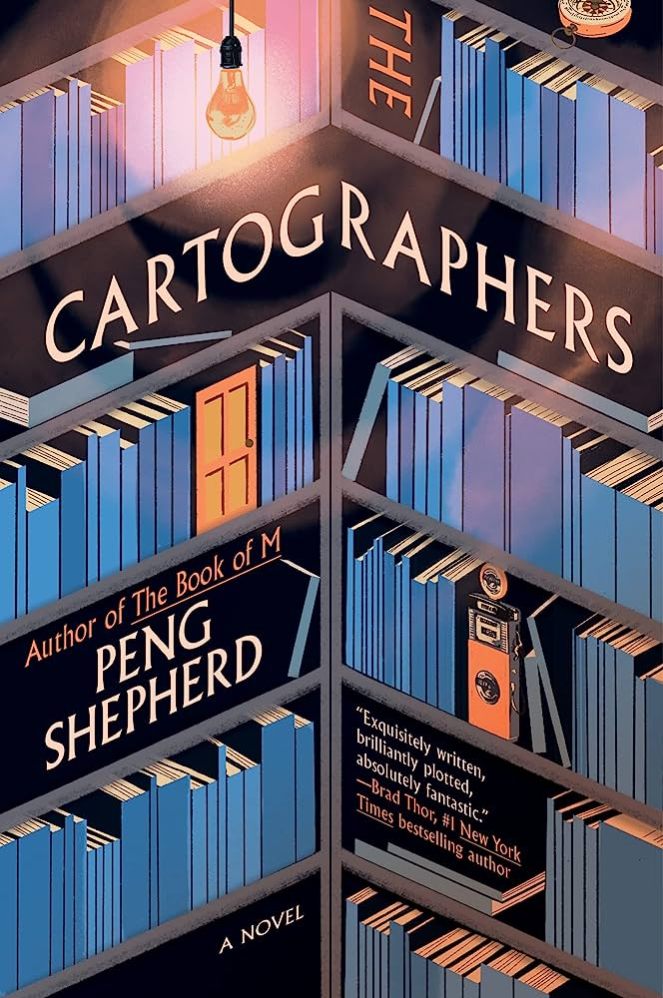
Maps fascinate me. I can lose time tracing routes and looking at where places are in relation to other places. Sometimes, it’s part of planning a vacation or maybe thinking through historical events. Other times, it’s just daydreaming. The Cartographers by Peng Shepherd hit me right in all of my map-loving feels. At heart, this novel is written directly for anyone who has ever pored over a map with a little wonder and wanderlust.
The book begins as Nell Young receives distressing news that her estranged father was found dead in his office at the New York Public Library’s maps division, in the main building on Fifth Avenue. The fast-moving plot intertwines current-day murders with Nell’s parents’ halcyon college days spent at the University of Wisconsin’s renowned cartography program, living the dream with a group of incredibly close friends. When Nell arrives at the library where she spent her childhood and always planned on working, she checks the secret compartment in her father’s desk. She finds an old gas station map of the state of New York, the very object that caused their years-long rift.
The combined mysteries of the cheap, old map and her father’s death propel Nell into a running, breathless search to figure out what happened to her dad, and, in turn, to her mom. As Nell researches the surprisingly valuable 1950s road map, her life becomes complicated by an old boyfriend, old family friends, and the need to stop anyone else from dying. In a related entanglement, the old boyfriend works for a cutting-edge tech company looking to create the “perfect map.”
About the time the gas station map was manufactured, various small cartography companies began adding copyright traps to their intellectual property to stop bigger corporations from stealing their work. It’s a fascinating bit of trivia that becomes pivotal to all the knotty problems, but I don’t want to spoil the fun of discovery. I’m not sure the author fully delivers on the set-up, but it’s a great premise. In the end, though, Shepherd wraps it all up and puts a bow on this story.
I really enjoyed how this book mapped the plot from past to present, where certain roads ran true and others were always traps for the unwary. On one level, it’s a cautionary tale about obsession and secrecy. As always, the solution is trust and transparency. Nell knows it, and she is strong enough to solve her own life.
Kristen B. is a devoted bookworm lucky enough to work as the graphic designer for HCLS. She likes to read, stitch, dance, and watch baseball in season (but not all at the same time).
R.F. Kuang wrote her first novel at the age of 19, during a gap year from Georgetown. After graduating, she became a Marshall Scholar, studying at both Cambridge and Oxford University, graduating with a Master’s in Philosophy and a Master’s in Science, respectively. She’s currently in the midst of pursuing her PhD at Yale. R.F. Kuang knows a thing or two about what it means to be entrenched in higher education.
Babel: An Arcane History is about a love affair with academia, and what that means as a person of color. For POC within institutions like Oxford, ones that have histories and wealth based in colonialism, pursuing higher education can feel like an act of betrayal, where the choice is between building a future and acknowledging the crimes and pain of the past. The novel juxtaposes this internal conflict with a parallel betrayal that ties together the rest of the book: the theory that every act of translation is an act of betrayal.
It is the 1800s and Robin Swift, our protagonist, is taken from China by a professor, one who works in Oxford University’s prestigious Royal Institute of Translation, known colloquially as Babel. He’s thrilled to be invited to the Royal Institute, even more excited to be a Babbler, and intensely enamored of his cohort, his classes, and the campus. Despite all of the racism, discrimination, and academic pressure, Robin loves his work. He loves being a translator, and he loves the access to silver-working – where an act of translation inscribed on a silver bar produces magical effect. Robin and his cohort (Ramy, from Calcutta, Victoire, from Haiti but raised in France, and Letty, from England, but a woman in a time where her family could not accept that she wanted to study) work tirelessly to learn and advance in their skills of translation. They learn about the ways that translating fails: ciao means hello, yes, but hello doesn’t fully encapsulate the meaning ciao conveys, as it can also be a farewell. There is inherently an incongruence here – either a translator can be faithful to the text or to the intention of the text, but it can scarcely ever do both. Regardless, a choice must be made; regardless, a betrayal occurs. Robin is thrilled to be a part of the Royal Academy, but the idea of this betrayal lingers.
But throughout his time, Robin has concerns that Babel might not be as utopian as it seems. The Royal Institute’s mission to study foreign languages empowers the British Empire and aids them in their quest to colonize the world. The more Robin and his friends learn, the more they wonder if all this betrayal is worth it, and if they can manage to ignore all the ways their work could be used against people like them, despite the Royal Institute’s claims that Babblers are all that they are.
I was not expecting to fall as madly in love with this book as I did, partially because the novel takes on the physical dimensions of a literal brick, and partially because it was recommended to me on Booktok, and I’ve learned to be wary. But I devoured this book, as complex as it is. The concepts of language, linguistics, and translation are woven so deftly, and the debate on how to push back against colonialism is nuanced and careful. R.F. Kuang never tells her reader what to think; she just introduces critical concepts through the lens of dark academia, and asks the reader to decide: can we disrupt systems of colonialism and colonial thought through work, collective action, and communication, or is violence necessary to dismantle the systems put in place? R.F. Kuang doesn’t claim to know, and she’s firmly entrenched in academia herself. But through Babel, she is asking the questions. Is there ever a “right” thing to betray?
Sahana is an Instructor and Research Specialist at the Savage Branch. They enjoy adding books to their “want to read” list despite having a mountain of books waiting for them already.
Meet the Author Wednesday, May 31 | 6:30 – 7 pm Miller Branch Ticketed event; tickets available at children’s desk starting at 6:15.
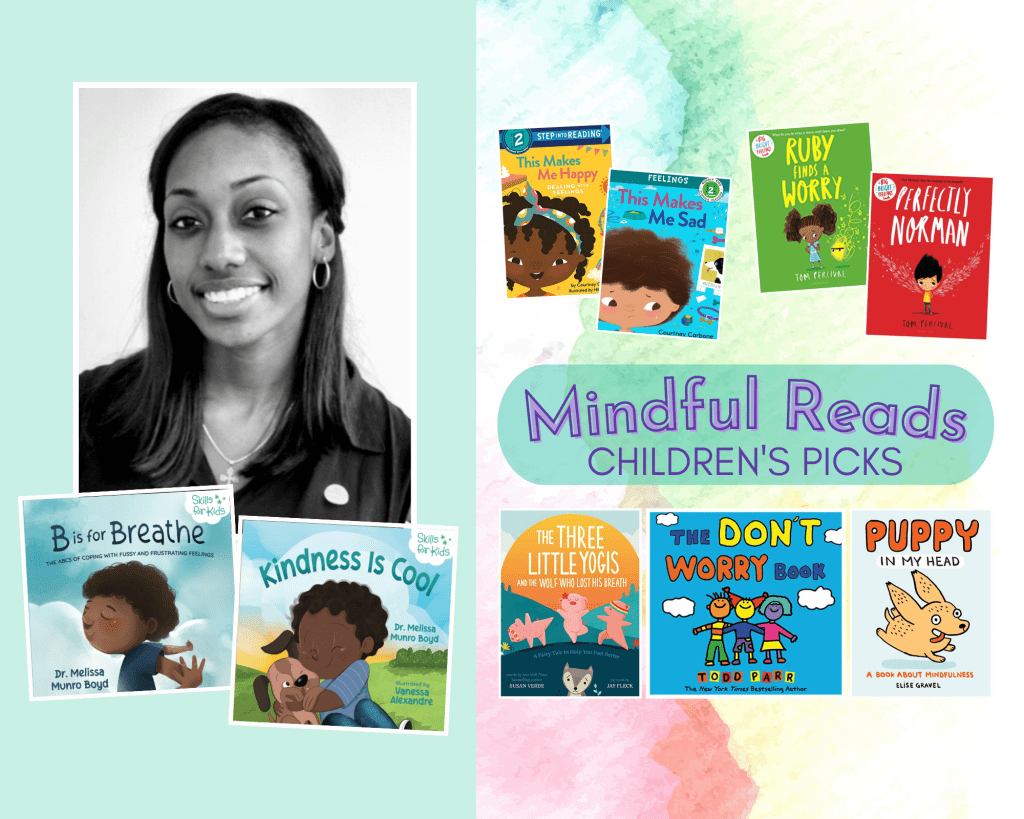
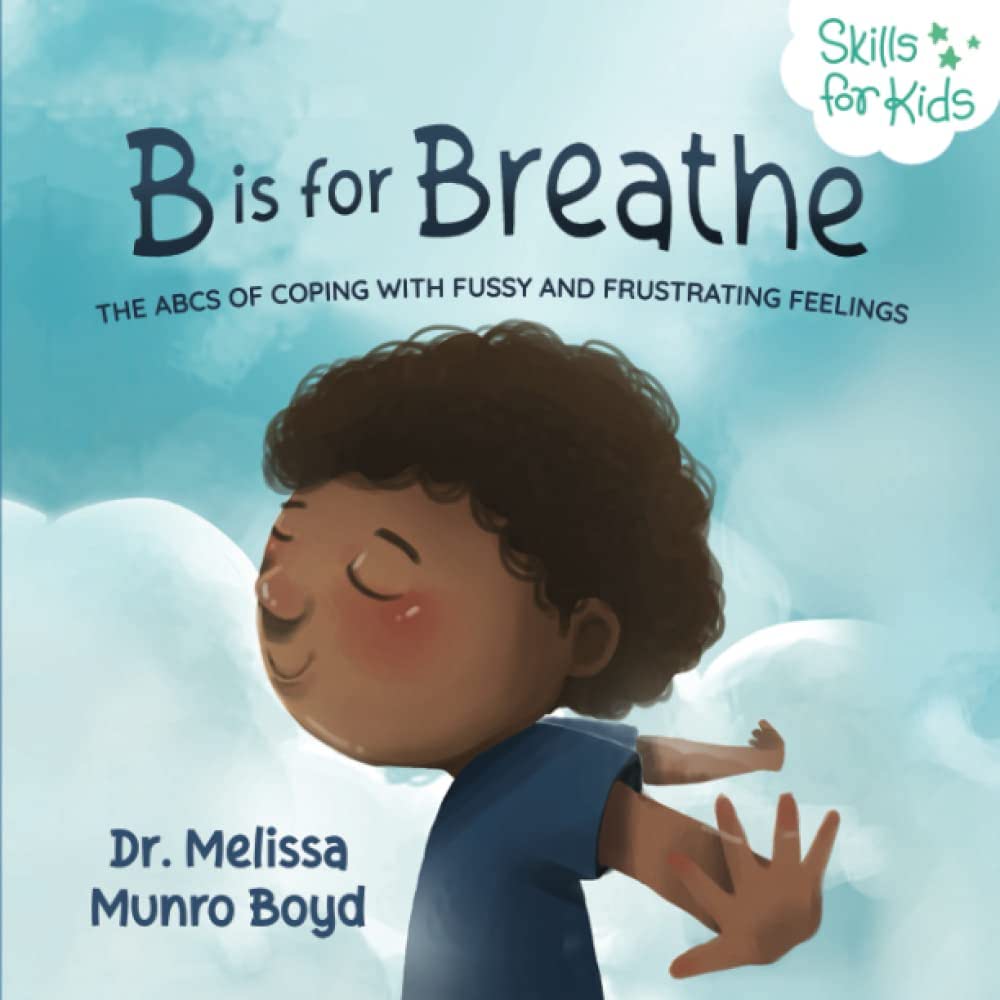
In recognition of Mental Health Awareness Month, Howard County Library System is excited to welcome children’s author Dr. Melissa Munro Boyd to our Miller Branch. A wife, mother of three, clinical psychologist, and officer in the United States Army, Dr. Boyd will read her picture book, B is for Breathe. She then will talk about how to use literature to help children with identifying and expressing their emotions, along with relaxation techniques, including deep breathing and guided imagery. Books available for purchase. More details can be found here.
Each year, the Annie E. Casey Foundation releases the KIDS COUNT Data Book, a 50-state report of recent household data analyzing how children and families are faring.1 In the most recent edition (released in 2022), the focus on youth mental health included a mix of pre-pandemic and current data, shedding light on the extraordinary mental health crisis facing not only Maryland’s children, but American children overall.2One of the most startling figures revealed “an urgent need to address youth mental health, as 1 in 8 young people in Maryland deal with anxiety or depression.”3
The topic of mental health may feel difficult to tackle, especially when thinking of how best to support children. Many people wonder where to begin. Luckily, HCLS offers resources to help. Our children’s collection features many books (in both print and electronic format) that cover the topics of emotions, mental health, mindfulness, and more. Here are a few of my favorites to get you started:
From A to Z, this book shares simple ways for children to express their emotions and practice mindfulness. It provides language for discussing feelings and teaches coping strategies to process frustrating emotions.
A new addition to our collection, this most recent book by Dr. Boyd shows examples of children practicing kindness in the world around them and teaches how simple acts of kindness make our world a better place.
“Once upon a time, there lived a wolf who lost his huff and puff.” For him, this was a big, big problem. One morning, he meets a yogi doing sun salutations. He really wants to huff and puff and blow her house down, but before he does so, the yogi suggests that he “meditate on that.” Similar things happen when he meets a second yogi, and a third, and, with their help, he learns ways to find his calming breath. A fun twist on a classic fairy tale, this story provides readers with breathing exercises they can use to regulate their emotions.
Everyone worries sometime; it is a part of life. This book teaches children that although there may be situations which are scary or overwhelming, there is always something that can comfort them. Todd Parr is known for his simple text and colorful illustrations that are both engaging and provide starting points for conversations on what can be difficult topics to discuss with young children. Other books with similar topics include,It’s Okay to Be Different,The Feelings Book, Be Who You Are, and many more.
Ollie is a puppy, and sometimes runs around barking and jumping when he should be calm and quiet. The problem is, he is inside our narrator’s head, so when Ollie has these feelings, his person does too! How can our narrator teach Ollie to be calm? This story introduces children to techniques to calm their active minds when they may feel stressed or overwhelmed. The analogy of Ollie brings the concept of anxiety to a child level and teaches useful strategies for stressful, busy situations.
Big Bright Feelings seriesby Tom Percival
Looking for a kid-friendly introduction to social-emotional topics? This series of books by Tom Percival is a great place to start! Covering topics from loving yourself (Perfectly Norman) to dealing with worries (Ruby Finds a Worry) and managing anger (Ravi’s Roar), the books provide great opportunities for conversations about mental health, self-confidence, and managing feelings.
Dealing with Feelings series by Courtney Carbone
With titles like This Makes Me Happy, This Makes Me Scared, and This Makes Me Silly, the Dealing with Feelings series of early reader books brings the topics of feelings and emotions to a child-friendly level. Each story follows a different child as they experience a situation or event and learn to identify their emotions and coping strategies. The simple text and vivid illustrations help children learn to read, while giving names to what they may be feeling inside.
Whether you visit one of our branches or check out resources online, we are here for you! Our staff can direct you to community resources available for you and your family and are happy to suggest titles to support you on your journey. We look forward to seeing you soon.
Sylvia is a Children’s Instructor and Research Specialist at the Miller Branch. She enjoys crafting, listening to audiobooks, naps, and walks with her dogs in 75 degree-ish weather.
If you ever find yourself having trouble finding your next book to read, take my advice – choose a science fiction novel. I’m sure most people associate the genre with high-tech futures, robot butlers, and mind-bending math equations, but the most important aspect of the genre comes from the wonder of discovery. Experimentation, analysis, deduction: all keys to jump start intellectual excitement. Even if many of Cixin Liu’s novels may touch on those first, stereotypical themes.
The Three-Body-Problembegins in the middle of China’s Cultural Revolution in the mid-1960s. From the perspective of a persecuted academic, the immediate result is a strong emotional hook. A woman, Ye Winjie, watches as her father is killed during a riot. She is sent to a labor camp and then to a hidden scientific facility, where she begins to use her background training in astrophysics. A test radio signal sent up into space results in an unexpected response eight years later. The alien civilization at the other end are the Trisolarians, from Trisolaris. As the book’s title says, they face a problem. Their world orbits three stars in an unpredictable pattern, continuously destroying civilization and leaving the inhabitants to restart. Earth and Trisosolarians become connected, with Earth being the Trisolarian’s new hope at finding a habitable planet. With 450 years to prepare, humans have to figure out what to do.
This highly inventive book jumps between time periods and across the universe. As the story slowly unfolds, the reader is constantly left to wonder, “where is this going to go next?” Keeping in mind that the book is the first in a trilogy, the scale of Liu’s world-building is astounding. The book is definitely not a quick read, but fans of scientific info-dumps will enjoy those sections. Regardless, the time taken to explore tangents and add description is ultimately fascinating and an experience you’ll remember for years. Or at least, until you read the sequels.











 CHAPTER CHATS