Drag Race fans: Bob the Drag Queen wrote a book. I wasn’t going to miss this one, especially since it asked the age-old question: what would the ones who came before us think about how we are today?
In Harriet Tubman: Live in Concert, Harriet Tubman, among other historical figures who everyone has heard of (though not Jesus, as Bob the Drag Queen makes sure to tell us), comes back from the dead. She picks a blacklisted, gay, music producer to help her achieve her next-greatest life work: making a hip hop album that will free people’s minds. It’s a cute premise, and the themes of freedom are present throughout. Harriet Tubman isn’t the only historical figure of note, just the lead singer of the band. She’s accompanied by her band, the Freedmen, who were all freed thanks to her leadership and who all have their own stories to share.
This is a debut and some points feel like it, but the overall story is charming, funny, and really imparts a love of history. It is quasi-historical fiction written by an author with immense love of the historical figure at the center, and that’s evident beyond anything else. I’d especially recommend the audiobook, since Bob the Drag Queen reads it with her signature charm and aplomb. Original songs are also included – fully produced numbers that add so much fun to the listening experience – performed by Bob the Drag Queen so it’s incredible.
Harriet Tubman: Live in Concert by Bob the Drag Queen is available in print, e-book, and e-audiobook.
Sahana is the Communications Strategist at HCLS. They enjoy adding books to their “want to read” list despite having a mountain of books waiting for them already.
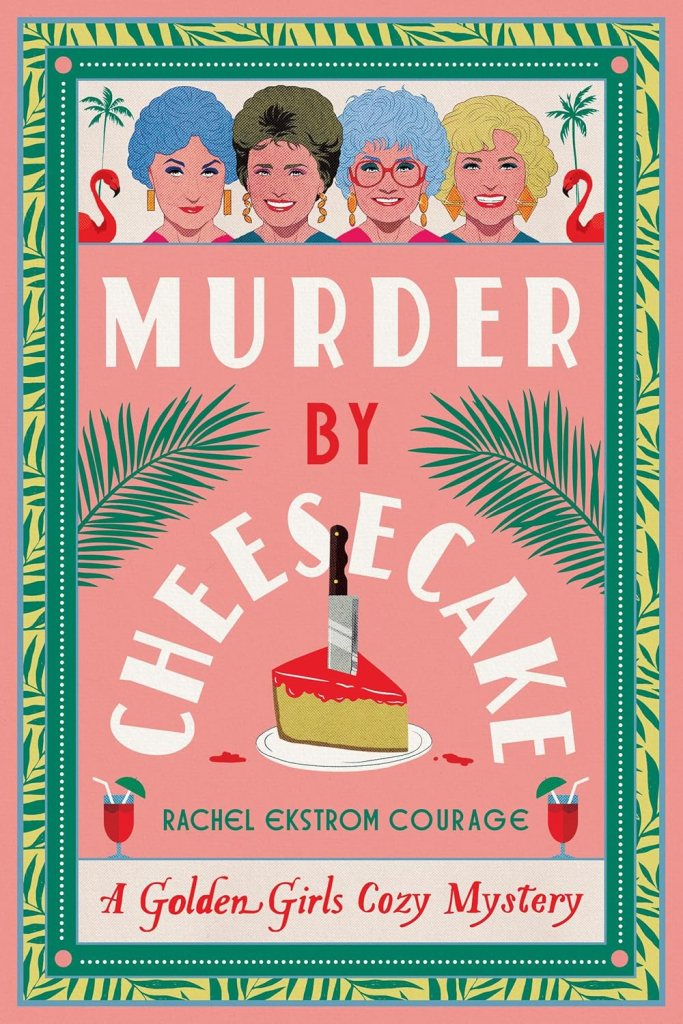
Murder by Cheesecake: a Golden Girls Cozy Mysteryby Rachel Ekstrom reads like a “recently unearthed” never-before-seen episode ofthe beloved sitcom and delivers everything you’d want from a sun-soaked Miami murder romp: sass, suspense, and cheesecake-fueled sleuthing. And It nails the tone, rhythm, and warmth of the original show.
The book opens with the ladies doing what they do best—confiding in each other over sweets. But when a suspicious death rocks their retirement rhythm, the girls ditch bingo night for crime-solving. Picture Dorothy’s deadpan deduction skills, Rose’s delightfully backward logic, Blanche’s irresistible charm, and Sophia’s spicy zingers, which you can practically hear in Estelle Getty’s voice.
Dorothy’s date-turned-dead-body is found face-first in dessert, threatening to derail Rose’s cousin’s nuptials and ruin a perfectly good buffet. With every guest a suspect (including Dorothy), the Golden Girls must juggle wedding chaos, Blanche’s romantic escapades, and Sophia’s sass to crack the case. It’s a cozy whodunit frosted with friendship, frolic, and just a hint of fish-themed hors d’oeuvres (St. Olaf, anyone?).
Every clue, every misstep, and every sugary morsel of cheesecake drips with vintage Golden Girls flair and familiar humor. It’s not just a mystery, it’s a nostalgia-packed escape and a reminder of sitcom television at its best.
Angie is an Instructor & Research Specialist at Central Branch and is a co-facilitator for Reads of Acceptance, HCLS’ first LGBTQ-focused book club. Her ideal day is reading in her cozy armchair, with her cat Henry next to her.
Some books have it all: A courageous librarian, an ambulatory talking spider plant, winged cats, cloud bears, and a romantic interest who rides sea horses. The Spellshop by Sarah Beth Durst gives you a warm hug in the form of a book. That’s not to say it’s only cozy vibes and no plot – there’s plenty of story to keep you reading.
Kiela and her assistant Caz (the sentient plant) flee political unrest that sets fire to the Great Library of Alyssium. Kiela, who has been preparing for this unfortunate reality, packs as many books as she can, herself, and Caz into a boat and sets sail for the island where her family originally came from. She makes it across open waters to Caltrey, where the cottage she remembers from childhood still stands.
It turns out that the political upheaval in the capital city has also had consequences on this faraway island. Imperial sorcerers no longer travel, and magic has become unbalanced, causing huge storms and other troubles. However, the books Kiela rescued are mostly magical spellbooks. The chapters where she and Caz test spells through pure trial and error are delightful. The drawback is that unlicensed magic is illegal, so Kiela ends up opening a jam shop and providing “remedies” on the side (fooling no one).
As she settles in, Kiela makes all sorts of wonderful friends. She also reconnects with Larran, a childhood friend who now happens to be a helpful, handy, and handsome neighbor. Although a natural introvert, Kiela soon discovers the importance of connections and trust within a small community. The found family at the center of the book comes together to see everyone through a series of mishaps and misfortunes, including a suspiciously behaved Imperial citizen who washes up during a big storm. Sorting out the unexpected visitor drives the second half of this gentle book.
The joy of this sort of cozy fantasy is that even though stakes are high, and certainly Kiela feels as though her world is ending, people help each other and make it through. Cozy fantasy is the counterweight to all the dread-full, grim-dark fantasy that has been dominating the genre in recent years. The Spellshop might be as far from A Song of Ice and Fire as a reader can get and still be reading in the same fantasy genre. And that’s okay. It’s good to have a wide variety of books to suit all different readers and moods. Honestly, while it might not make sense if you use strict logic, The Spellshop makes perfect sense to your heart with its hopeful outlook on a world in turmoil.
I am looking forward to reading the second book, The Enchanted Greenhouse, about the magician who created Caz and the second chances she is given.
Kristen B. is a devoted bookworm lucky enough to work as the graphic designer for HCLS. She likes to read, stitch, dance, and watch baseball (but not all at the same time).
Required Reading: Texts for Change is a new quarterly book club for readers who care about equity, community, and meaningful conversation. It’s for anyone who’s curious, committed to learning, and ready to grow—no matter where you’re starting from.
Each season, our group gathers around a thought-provoking book that invites us to see the world—and one another—a little differently. These are texts that challenge assumptions, offer fresh perspectives, and help us think more deeply about equity in our lives, our work, and the communities we live in. Howard County is a beautifully diverse place, home to people of many cultures, backgrounds, and experiences. And like many communities, we still face real challenges around access, opportunity, and belonging. Take advantage of the chance to slow down, reflect, and strengthen the ability to show up for one another with empathy and intention.
Read three nonfiction books throughout the year and one fiction title each summer—something lighter to make space for joy, imagination, and connection. Some of these books will stretch us. That’s the point. Growth happens when we’re willing to sit with complexity and listen deeply—to authors and to each other.
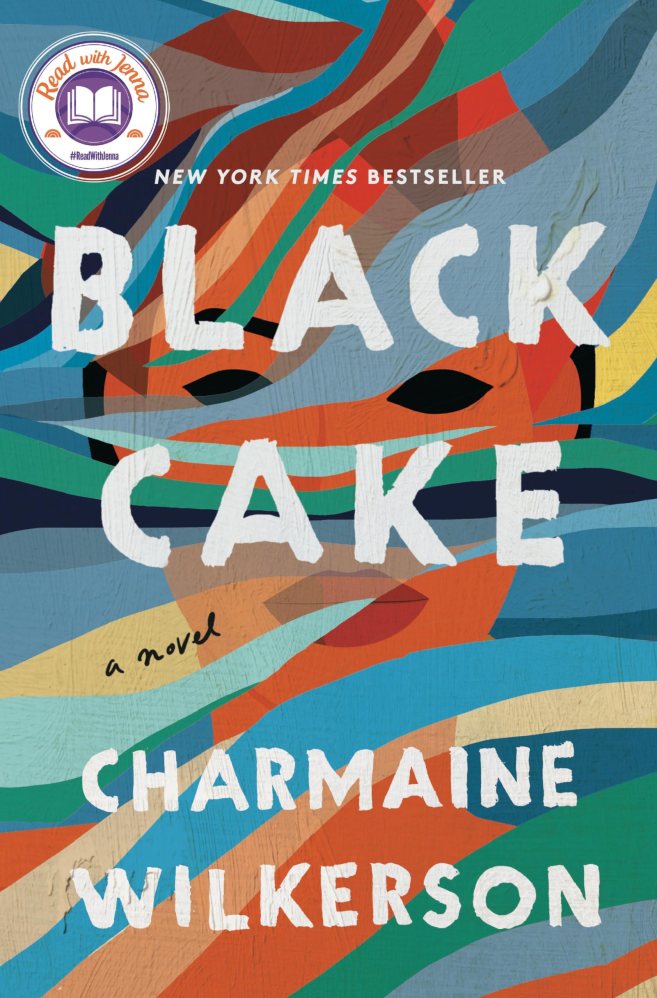
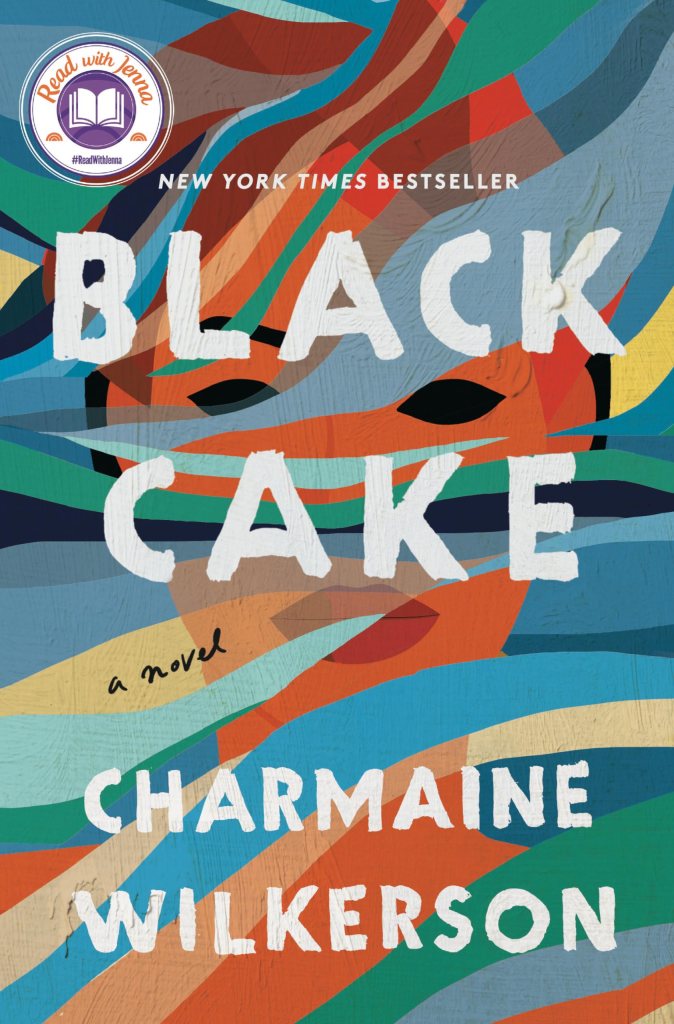
Our first title is Black Cakeby Charmaine Wilkerson, which is one of those books that subtly teaches you things about the world that you didn’t know – like the history of Chinese indentured servants in the Caribbean or that surfing isn’t the sole proprietary sport of blond dudes in California. Inspired by her own multi-ethnic Caribbean roots, author Charmaine Wilkerson manages to weave a history lesson seamlessly into a heart-tugging tale of family secrets.
Written in bite-sized chapters that move from past to present and back again, the story is woven together like grandma’s quilt. A little bit of love pinned here, a little bit of pain there. While the new ERCC book club will focus mostly on nonfiction titles, summers will be reserved for fictional getaways. Black Cake is the perfect inaugural book. Enough drama and intrigue to keep you hooked, while sharpening the mind and deepening the senses for of those committed to equity work in our own community.
Dr. Clark is the Chief Diversity, Equity, Inclusion & Belonging Officer at Howard County Library System.
It’s summertime in Maryland and Black-Eyed Susans, the state flower, dot the landscape with their bright yellow blooms in gardens, along highway medians, and across open fields. Black-Eyed Susans also are blooming inside the library. These award-winning books for kids and young adults make a perfect choice for summertime reading.
The Black-Eyed Susan Book Award is Maryland’s student choice award, voted on by students in grades K-12 every year since 1992. With seven categories of competition, there are contenders for every age and reading preference: Picture Books (for grades K-2); Fiction/Nonfiction for grades 3-5, grades 6-8, and high school; and Graphic Novels for grades 3-5, grades 6-8, and high school.
Why pick a Black-Eyed Susan? The nominees for this award are selected by school librarians for high quality AND kid appeal. The winners have been voted the best by 20,000 students across Maryland – that’s a major stamp of approval!
But here’s the best reason to pick a Black-Eyed Susan: to make YOUR voice count for next year’s award winner! The 2025-26 nominees are out: students in participating schools or homeschool co-ops who read at least eight of the nominated picture books or three of the nominated fiction/nonfiction or graphic novel nominees will be eligible to vote in April 2026. HCLS also provides a pathway to voting through our Black-Eyed Susan book clubs at Central Branch.
Twenty thousand Maryland kids can’t be wrong! Here’s a sampling of what they liked best in 2024-25:
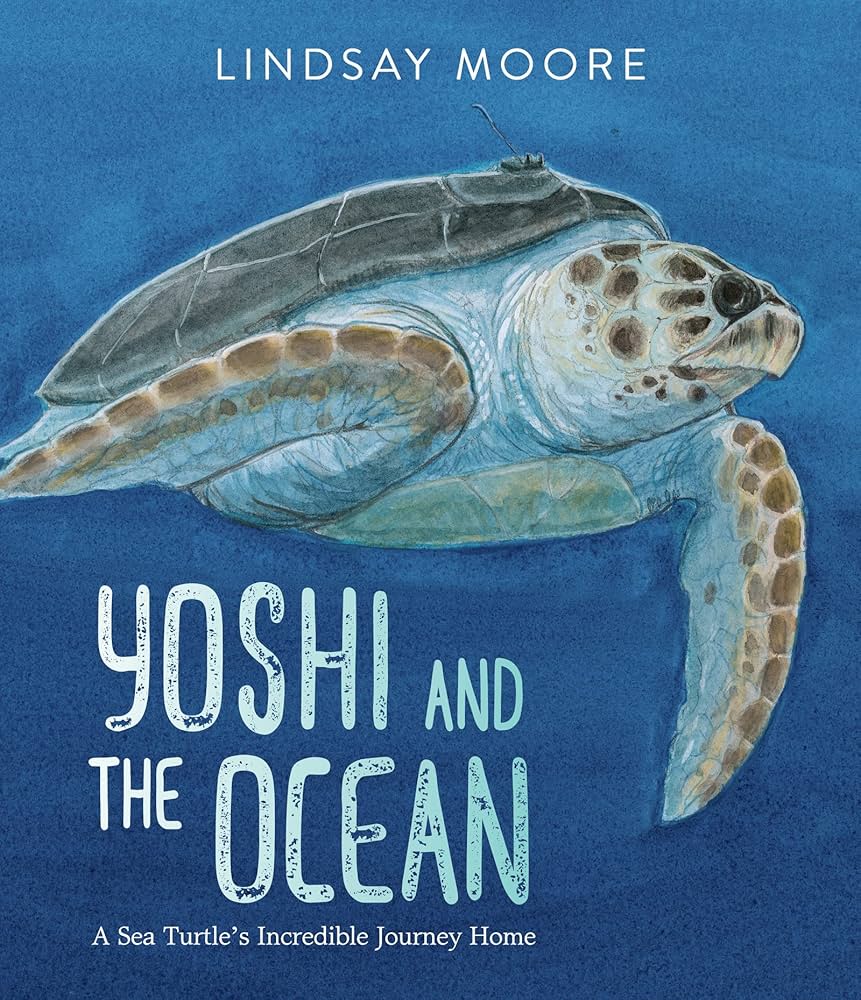
Picture Book winner: Yoshi and the Ocean by Lindsay Moore tells the amazing true story of a sea turtle’s return to the wild after 20 years of care in a South African aquarium. With lyrical text and gorgeous artwork, this book follows Yoshi as she navigates a 25,000 mile journey across two oceans, mapped by a tracking device, to reach her original home. Beautiful to read with younger children, it also contains a wealth of information about ocean life, loggerhead turtles and oceanography.
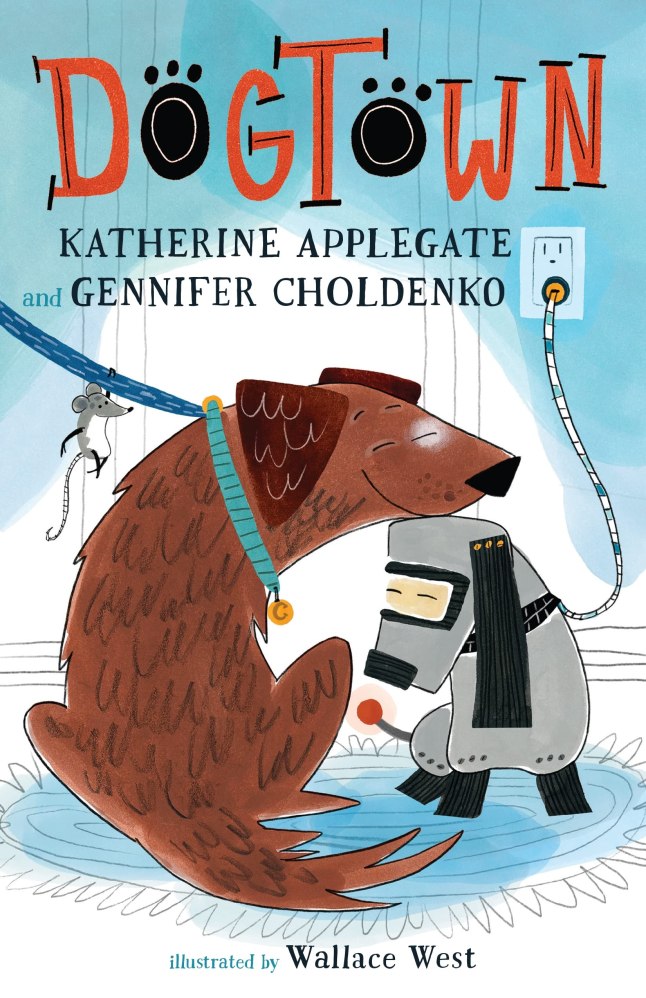
Grades 3-5 Fiction/Nonfiction winner: In Dogtown by Katherine Applegate and Gennifer Choldenko, a real dog, a robot dog, and a mouse band together to engineer an escape from the Dogtown Shelter and find their forever homes. In this charming animal adventure, short chapters and fun illustrations make it a perfect choice for a family read aloud or for kids just beginning to tackle full-length chapter books.
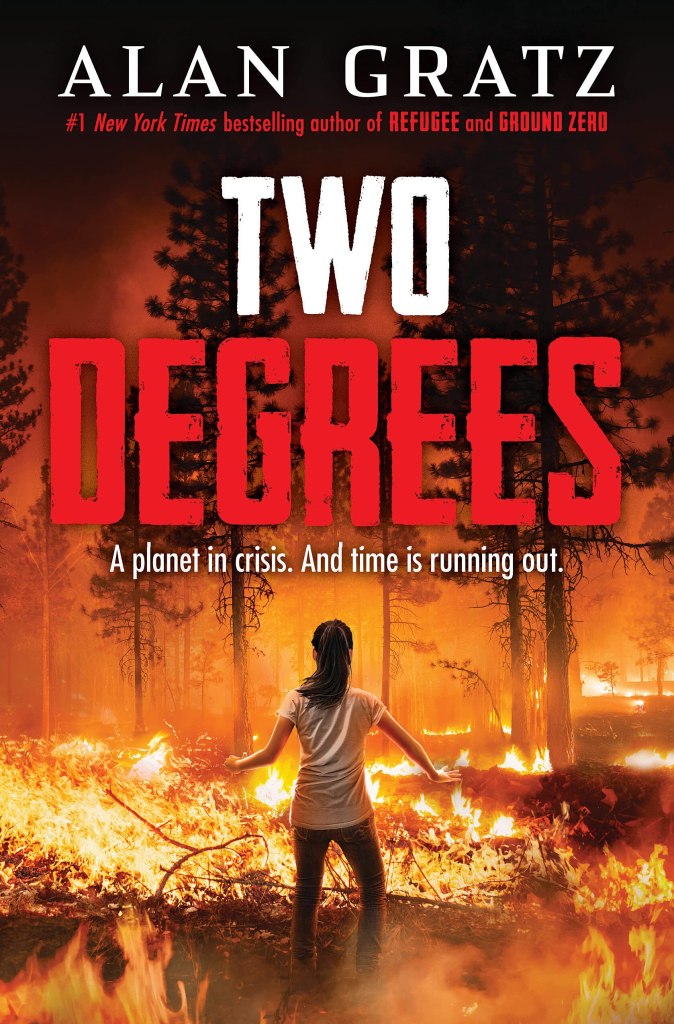
Grades 6-8 Fiction/Nonfiction winner: Two Degrees by Alan Gratz is an action-packed thriller for those who love survival stories. The book follows four middle school kids in different regions of North America, each battling climate-change natural disasters. Though their challenges are different and parallel, the kids’ fierce struggles are linked as part of a bigger picture requiring joint action.
Jean is a Children’s Instructor and Research Specialist at HCLS Central Branch. She loves talking about books with people of all ages, but especially enjoys leading the Heavy Medals book club for fourth and fifth graders, exploring award-winning books of all genres.
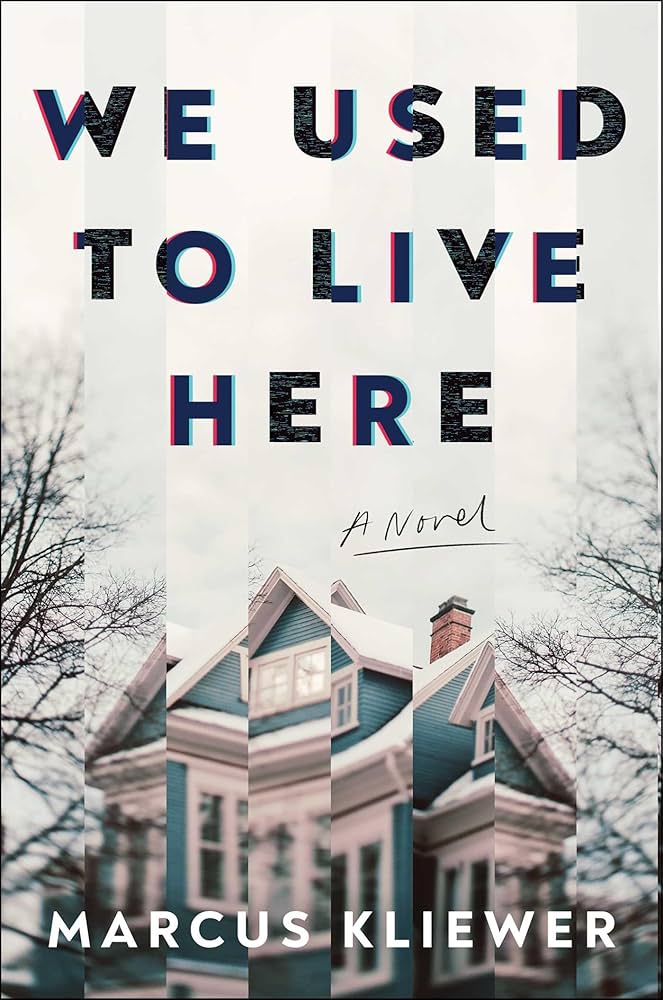
At first glance, the premise of We Used to Live Here by Marcus Kliewer feels familiar: a woman named Eve, living in a quiet, isolated home, receives a knock at the door. A family of five stands outside, the father claiming they used to live there and asking if they can take a look inside. It’s an unnerving request, made even more disturbing by the sheer passivity of Eve, as she ends up letting them in. Her submissiveness makes Eve the perfect vessel for the horror that unfolds.
“Of course, a well-adjusted individual would’ve simply told him no, she thinks to herself. But self-destructive people-pleasing was another of her plentiful idiosyncrasies. She had a crippling fear of disappointing anyone, even complete strangers—even people she disliked.“
Unlike a protagonist who fights back, she simply lets the story consume her, and in doing so, the reader is dragged down alongside her. It’s this very helplessness that enhances the eeriness of We Used to Live Here. From that moment on, the story moves into a confusing, almost dreamlike descent where nothing feels solid, and the very idea of escape seems out of reach. The family who has arrived at her door isn’t just intruding, they are manifesting something deeper, something perhaps inevitable. Whether they are ghosts, memories, or simply an extension of Eve’s own unraveling mind, their presence marks a shift where logic disintegrates, and the rules of the world no longer apply.
Eve never feels fully present, never takes decisive action, and ultimately, that’s what makes her experience so scary. She doesn’t fight to escape because escape might not even be real. We Used to Live Here isn’t just about horror, it’s about uncertainty, about the way reality itself can be manipulated, distorted, or perhaps even erased. It refuses to give us clarity, instead leaving us in a disorienting space where what is real and what isn’t can never be firmly decided. And maybe that’s the true horror, not ghosts, not violence, but the realization that sometimes, reality isn’t as solid as we think it is.
Angie is an Instructor & Research Specialist at Central Branch and is a co-facilitator for Reads of Acceptance, HCLS’ first LGBTQ-focused book club. Her ideal day is reading in her cozy armchair, with her cat Henry next to her.
This summer kicks off the third annual reading challenge for adults, while also celebrating 85 years of the library. People are the heart of our library – and we want to see you achieve your goals, explore the world, and find joy in the pages of a good book. Pick up a booklet at any branch to inspire you through a year of reading, filled with suggested titles and prompts for reflection.
While there are 14 reading challenges listed, you need to complete only three of them to participate in summer reading. Once you have read three books (print, e-book, and audio all count), come back to the Library to receive a prize and be entered into a grand prize drawing.
Here’s a sneak peek – and a Chapter Chats review or two:
These are a taste of what a year of reading could have in store for you. Visit our branches often to check displays for more titles or to ask a staff member for a recommendation.
If you gravitate toward dark mysteries and enjoy problematic twists, this book was written for you! The characters and their respective lives are brimming with turmoil and ugly secrets. We get an intimate account of two (very) different women and the people and problems that orbit their lives. Be warned: There’s realistic trauma and difficult, uncomfortable themes. Yet, there is also a drive for justice threading through the harrowing tension. This book depicts a true crime podcast tinged with the vulnerable, gory details of all these characters’ lives blowing up after an arduous, intense burn. If you listen to the audiobook, be prepared for the enhanced uneasiness that comes through in the dialogue.
I mean, morbid curiosity is relatively normal. Most people scratch that itch by watching some FBI procedural show or reading a dark romance paperback, or even just leaning a little bit closer into a friend’s salacious gossip. That’s not enough for Alix Summer in None of This Is True by Lisa Jewell. Alix knows that morbid curiosity is also very profitable, and this is the unexpected carrot which I believe leads to her ruin.
Everything begins with what appears to be a chance encounter between birthday twins. Josie Fair is celebrating her birthday by having dinner with her husband at a pub she’s only ever walked past. She finds herself out of place, contemplating the lackluster life she’s living and how desperate she is for change. As if the universe hears Josie’s silent prayer, Alix Summer appears. Alix is a breeze. She glides gracefully into the pub to celebrate her own birthday at a prominent decorated table seated with beautiful people. Popular and important, Alix is effortless. Effervescent. The picture of perfection. Everything Josie feels she is not. It’s at this very moment when Josie’s snap judgement and ill-informed comparison sets our story in motion. Little does Alix know that her life (and Josie’s) will be irrevocably changed.
None of This Is True is curious. It is frustrating, tense, upsetting, and strangely satisfying. Puzzle out the truth…if you can. And for the love of all things good, don’t ignore the small voice that clues you into what’s happening just so you can get what you want. I promise you it’s not worth it. But reading this book definitely is!
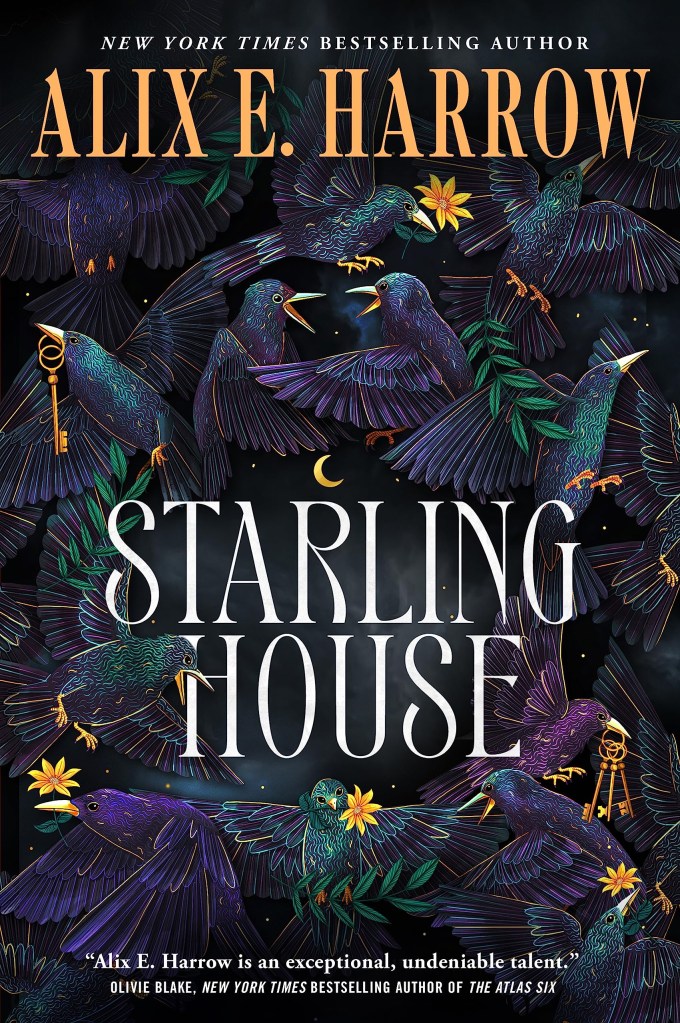
A good Gothic novel practically requires a spectacularly weird house with supernatural tendencies. Starling House might be the main character of its own novel – not quite but close. Our actual main character, Opal, routinely walks the long way home from her going-nowhere-fast job just to wander past the house. She dreams of it and its mysterious amber light. Opal is an unlucky high school dropout trying to make ends meet for herself and her academically talented younger brother, Jasper. They live in a room at the local motel, subsisting on Pop-Tarts and bad pizza. Their mom died in a car accident on a cold night when the mists rose off the Mud River, which is when bad things happen in Eden, Kentucky.
The Starling family is one of strays and orphans, who take the name and the ownership of the house. Arthur is the last in a long line of Starlings, although his parents raised him in the house before he ran away looking for a more normal life. The only major employer in Eden is the Gravely Power company and their coal mines, and the Gravelys and Starlings have a long, complicated history. When Opal finagles a high-paying housekeeping job from the anti-social Arthur, she finds a decades long domestic disaster. As Opal cleans, she realizes that the house has its own sort of sentience – and that it seems to like her. But rooms rearrange and corridors form mazes, and sometimes the space seems to move her to where she needs to be (like Casita in Encanto, but not as friendly).
The story trades points of view between Opal and Arthur, both of whom are disillusioned and suspicious of each other and the entire situation. The book intersperses their hostile encounters with different versions of the town’s past – about Eleanor Starling, her children’s book The Understory, and the house she built. There’s also a set of unscrupulous business consultants with an unwholesome interest in the Starling property and mineral rights, and they target Opal. Untangling the nest of rumor, legend, and sordid tales holds the key (literally) to resolving the tragedy that haunts the town, Opal’s family, and Starling House.
The book has a powerful engine of a plot, along with its engaging characters. I couldn’t help but root for Opal, despite her ingrained need to keep the world at arm’s length. Her carefully guarded heart sometimes misses the loving connections in her world in its desperation to remain stoically independent. Arthur isn’t much different, and these two lost souls truly need each other. The supernatural elements are just creepy enough to give the entire proceedings a sideways edge, which kept me wondering if the author was going to be able to pull it all off. I thought this was her best book yet (although I also loved Once and Future Witches) – it’s a lean, mean, twisty tale, where all the components are necessary to make the story work.
Kristen B. is a devoted bookworm lucky enough to work as the graphic designer for HCLS. She likes to read, stitch, dance, and watch baseball (but not all at the same time).
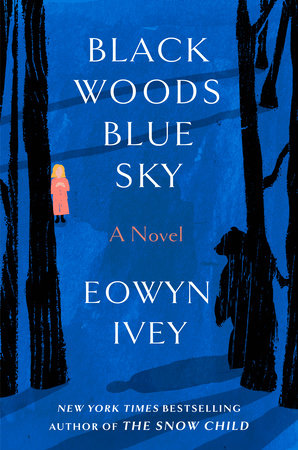
Riveting, dark, and deeply atmospheric, Black Woods Blue Sky by Eowyn Ivey took me straight into the untamed wilderness of Alaska. I walked the difficult yet vibrant terrains of several mountains, trails, and streams with strong and resilient Birdie, delightful little Emaleen, and quiet, enigmatic Arthur Neilsen.
Birdie is a single mother as a 26-year-old, who is trying her best to give her six-year-old daughter, Emaleen, a good life. Birdie works at a roadside bar in a small town in Alaska and lives in a little cabin given to her by the bar owner, Della. She tries her best to toe the line that is expected of her as a mother and an adult. But this life feels constrained; Birdie wants something bigger and better for herself and Emaleen. She aspires to live the life that she knew as a young girl – happy and free in the wilds of nature.
Birdie had heard about the mysterious Arthur Neilsen, who lives a quiet and solitary life in the black woods. She gets to know him better when Arthur brings little Emaleen back to safety after she gets lost in the woods looking for Birdie. Arthur is somewhat of a legend in the small hamlet where Birdie lives. He grew up in the village but left his parents to live as a recluse deep in the forest, far from human civilization. He visits the village very rarely. His quiet presence, his knowledge of the local flora and fauna, the mysterious scar on his face, and his inscrutability pique Birdie’s interest in him. She feels a certain reticence in Arthur which she cannot seem to breach when she tries to get close to him. Arthur does not stay away from her either, as he keeps coming back from the woods to sit in silence next to Birdie.
Arthur’s quiet life in the great unknown appeals to our young protagonist and she decides to move into Arthur’s shack, along with Emaleen. The shack is nestled deep in the forest and only accessible via flight. At the beginning, there is immense joy in discovering each other and making a good life amid expansive natural beauty. Gradually, however, Arthur disappears for days on end without an explanation, and an inexplicable darkness creeps in along with the approaching winter. Birdie is afraid for her safety and the safety of her daughter, but she finds the freedom of this new life irresistible. Birdie is caught between her desire to live her life on the edge and her instinct to bring her daughter back to safety and lead a predictable life. The choice that Birdie makes will have life-changing consequences.
The masterful blend of fairy tale with stark reality makes this book unpredictable, enigmatic, and unputdownable. The characters come alive on the pages and the voice of each character sounds authentic. Emaleen talks to us in the voice of a six-year-old. Birdie’s voice reveals the conflict within her, trying to be a responsible mother but also yearning for freedom and fulfillment as a young woman. Arthur doesn’t say much, but the dark secret that he carries within him becomes clear in the paucity of his soft-spoken words.
Some reviews mention that this story is inspired by the popular fairy tale Beauty and the Beast. Personally, I did not find many similarities except the fact that a pretty young woman falls in love with a physically unattractive, quiet man. This story is a powerhouse in its own right, one that I believe would be a good choice for a book club. The flawed characters, the formidable and beautiful wilderness of Alaska, the gorgeous prose, the plot, the relationship between man and nature, the whiff of fairy tale infused within the story, Birdie’s choices and the consequences of those – all of these would spark a great discussion.
Black Woods Blue Sky by Eowyn Ivey is available in print and as an e-book and e-audiobook from Libby.
Piyali is an instructor and research specialist at HCLS Miller Branch, where she facilitates two book discussion groups: Light But Not Fluffy and Global Reads. She keeps the hope alive that someday she will reach the bottom of her to-read list.











 CHAPTER CHATS