The Queen’s Thief series by Megan Whalen Turner

The covers of all six books of the Queen's Thief series.

by Kristen B.

A long time ago, when I first started working for the library, I was trading “have you reads” with another staff member. She asked if I – and my then elementary-aged children – had yet read The Thief. We had not but quickly rectified the situation, and I have spent the past two decades recommending that book and its sequels in turn. I re-read them this summer, one after the next as a complete series, and was blown away all over again. There are six books, and each one is excellent in its own way. They may have call numbers that place them in Children’s and YA fiction, but these books are for everyone. Honestly, I do not understand this marketing at all – these books tackle freedom, politics, religion, disability, war, espionage, being true to yourself, falling in love, friendship, loyalty, and so much more.

Part of the delight of these books comes from the fact that the author excels at turning the tables; things are often not quite what they appear. We learn in the first book not to trust the main character Eugenides, the Queen’s Thief of Eddis, any farther than you can throw him – but also, you can trust him with your life. The next five books continue to play with expectations and appearances. I don’t want to ruin the pleasure of discovery – so here’s a quick peek at each book in the series:

The Thief
We are introduced to a small peninsula of three countries, Attolia, Eddis, and Sounis, trying to survive in a world where large empires are greedily subsuming smaller states. Hamiathes’ Gift, a divine object, conveys the right to rule the mountain kingdom of Eddis, except it’s been lost for generations. A wise man, his apprentices, a guard captain, and a notorious thief removed from prison go on a quest to recover it.

The Queen of Attolia
What happens when the Thief gets caught? Eugenides suffers horrible personal consequences and must overcome them to advance his own interests and to keep the allied countries free from the Mede Empire. This book is not for the faint of heart, as it portrays dismemberment and consequent depression. However, it offers an amazing look at how people can suffer major setbacks and continue to achieve their dreams.

The King of Attolia
What happens when the Thief gets what he wants? This is my absolute favorite book of the series, mostly because it’s funny to read about Eugenides coming to terms with the life he has literally begged, bartered, and stolen for. This installment also expands the cast from the point of view of a new character, the soldier Costis, and it is better for it.

A Conspiracy of Kings
Once again, the narrative shifts to a new character – Sophos, the heir of Sounis. His coming-of-age story has larger ramifications for the little peninsula. The Medes continue to encroach, the local barons continue to scheme, and Sounis has to decide if he’s up to the task of being king. Eugenides still figures greatly, if not obviously.

Thick as Thieves
So … about those Medes. The fifth book seems like a side story, until you realize exactly how far Eugenides will go for some revenge. After all, why have only one reason to do something when you can have many? The story follows Kamet, who had a minor role previously, as he escapes his enslavement with the help of our favorite Attolian guard. Only, Kamet has no plans to leave his powerful position until he thinks he has no choice.

The Return of the Thief
Not many series get an ending as excellent as this one – and it’s just about perfect! All of the threads and themes from the previous five books come together in this stunning conclusion. War comes at a price, and that price is paid in many ways by many people.

Eugenides and the rulers are the common elements across the series, but mostly it’s about the titular Thief. It’s a fascinating look at how someone raised and trained to work outside of the conventional hierarchy behaves once he becomes synonymous with said power structures. On the other hand, these books contain some of the best stories written in the past decades, filled with humor, adventure, and a rip-roaring good time. You should read them!

Kristen B. is a devoted bookworm lucky enough to work as the graphic designer for HCLS. She likes to read, stitch, dance, and watch baseball (but not all at the same time).

Your Freedom to Read

Multicolored big chrysanthemum fireworks against a black sky.

by Brandon B.

The Fourth of July holiday commemorates the signing of the Declaration of Independence, which proclaimed our intent to form a new nation. Life, Liberty, and the Pursuit of Happiness has always been the fabric of the American dream. Celebrate Independence Day with a parade, spend time with friends and family, enjoy a delicious hot dog or burger from the grill, and sip on an ice-cold snowball. Conclude the night with spectacular fireworks, with all the sparkling colors on display, all in celebration of the many freedoms of our country.

When we fought for and won our independence, our Founding Fathers enshrined important guarantees in the Constitution’s Bill of Rights. First among them, the freedom of press, speech, and assembly. On April 25, 2024, Governor Wes Moore signed the Maryland Freedom to Read Act into law. This new law requires all libraries to adopt a collection development policy that complies with State standards to qualify for funding. What does that mean? Libraries cannot exclude materials from their collection or remove them based on partisan or doctrinal disapproval, or because of the origin, background, or views of the person who created the material. The Act also protects library staff by prohibiting governing bodies from retaliating against employees who act in a manner consistent with the State standards, which will be developed by the State Library.

The Freedom to Read Act reaffirms the constitutional principle that library materials, services, and resources should be provided for the interest, information, and enlightenment of all persons the library serves. Why was this needed? According to the American Library Association, a record 4,240 unique book titles were targeted for censorship in 2023, a 65 percent increase over the 2,571 unique titles targeted in 2022 and a staggering 128 percent increase over 2021 numbers. In Maryland, 148 titles were challenged — making it one of 17 states to exceed 100. Forty-seven percent of the nationally-targeted books were titles representing the voices and lived experiences of LGBTQIA+ and BIPOC individuals.

No individual’s interests and beliefs should dictate what the community has access to. Libraries have always been and continue to be committed to the First Amendment and to providing collections and events that represent differing views. We welcome everyone as they explore their interests without judgment or fear of reprisal.

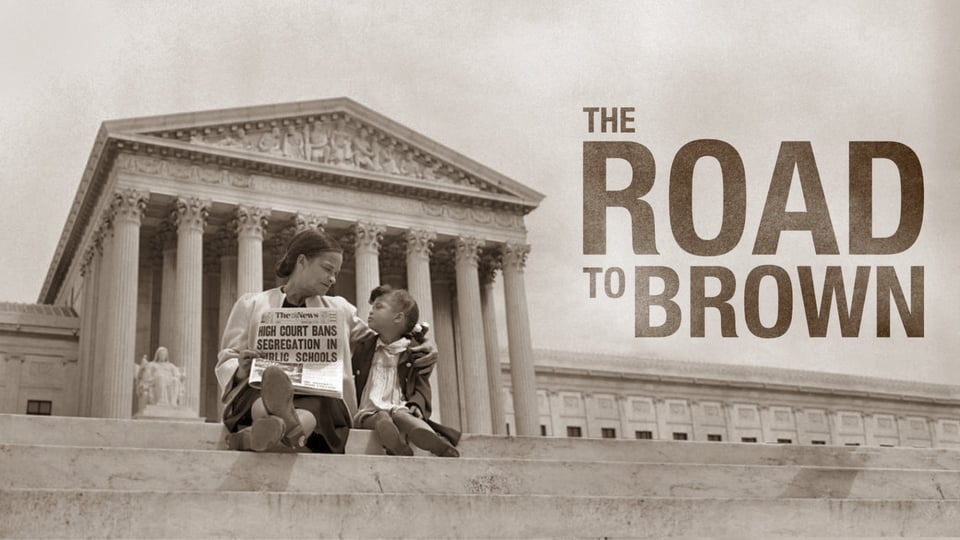
A sepia toned photograph of the Supreme Court building, with a Black woman and child sitting on the steps holding a newspaper, "High

As you celebrate Independence Day and reflect on our freedoms, explore these or other books and resources that continue the conversation about our country, its history, and future.

Happy 4th of July and happy reading!

Brandon is a Customer Service Specialist at HCLS Central Branch who loves reading, football, and taking nice long walks around his neighborhood.

Celebrating Juneteenth

Juneteenth: Freedom Day appears inside a yellow square atop swashes of color in red, black, green, and yellow.

by Brandon B.

Juneteenth is considered one of the longest-running African American holidays. Juneteenth (short for “June Nineteenth”) is the day in 1865 that federal troops traveled to Galveston, Texas to free all enslaved people living in the state. The troops’ arrival came a full two and a half years after the signing of the Emancipation Proclamation, which abolished slavery in U.S. states that were part of the union. While other citizens were freed from bondage and captivity, the citizens of Texas endured continued hardship and pain. On June 17, 2021, President Joe Biden established Juneteenth as a federal holiday.

We should not look at Juneteenth as simply a day off from work, but a celebration of freedom, peace, and a continued fight for social equity and equality. Though Juneteenth is a day in which we recognize the end of slavery in the U.S., we must also recognize other injustices and freedoms that are worth fighting for. Racism has been a pervasive and powerful tool in preventing minorities from advancing to elite status and higher growth in society. It took one hundred years after Juneteenth to sign the Voting Rights Act of 1965, which allowed people of color the franchise. Even now, gerrymandering and voter suppression efforts seek to prevent people of color from exercising their right to vote. We continue to witness violence against minorities through law enforcement and vigilantism.

We must answer these questions: Are people really free? Has America freed all its citizens from inequality or are we just repeating history? In order to make progress, we must study our dark past. We can change laws and policies, but America has to first change its heart through empathy and understanding.

A great place to visit and study subject matters like Juneteenth is your public library. HCLS has a variety of books and audio-visual materials in our new Equity Resource Center located at the Central Branch. The Equity Resource Center highlights the contributions of individuals from different cultures and select social groups. Let’s continue to serve others and show empathy towards the less fortunate. Happy Juneteenth, America!

Brandon is a Customer Service Specialist at Central Branch who loves reading, football, and taking nice long walks around his neighborhood.