It’s summertime in Maryland and Black-Eyed Susans, the state flower, dot the landscape with their bright yellow blooms in gardens, along highway medians, and across open fields. Black-Eyed Susans also are blooming inside the library. These award-winning books for kids and young adults make a perfect choice for summertime reading.
The Black-Eyed Susan Book Award is Maryland’s student choice award, voted on by students in grades K-12 every year since 1992. With seven categories of competition, there are contenders for every age and reading preference: Picture Books (for grades K-2); Fiction/Nonfiction for grades 3-5, grades 6-8, and high school; and Graphic Novels for grades 3-5, grades 6-8, and high school.
Why pick a Black-Eyed Susan? The nominees for this award are selected by school librarians for high quality AND kid appeal. The winners have been voted the best by 20,000 students across Maryland – that’s a major stamp of approval!
But here’s the best reason to pick a Black-Eyed Susan: to make YOUR voice count for next year’s award winner! The 2025-26 nominees are out: students in participating schools or homeschool co-ops who read at least eight of the nominated picture books or three of the nominated fiction/nonfiction or graphic novel nominees will be eligible to vote in April 2026. HCLS also provides a pathway to voting through our Black-Eyed Susan book clubs at Central Branch.
Twenty thousand Maryland kids can’t be wrong! Here’s a sampling of what they liked best in 2024-25:
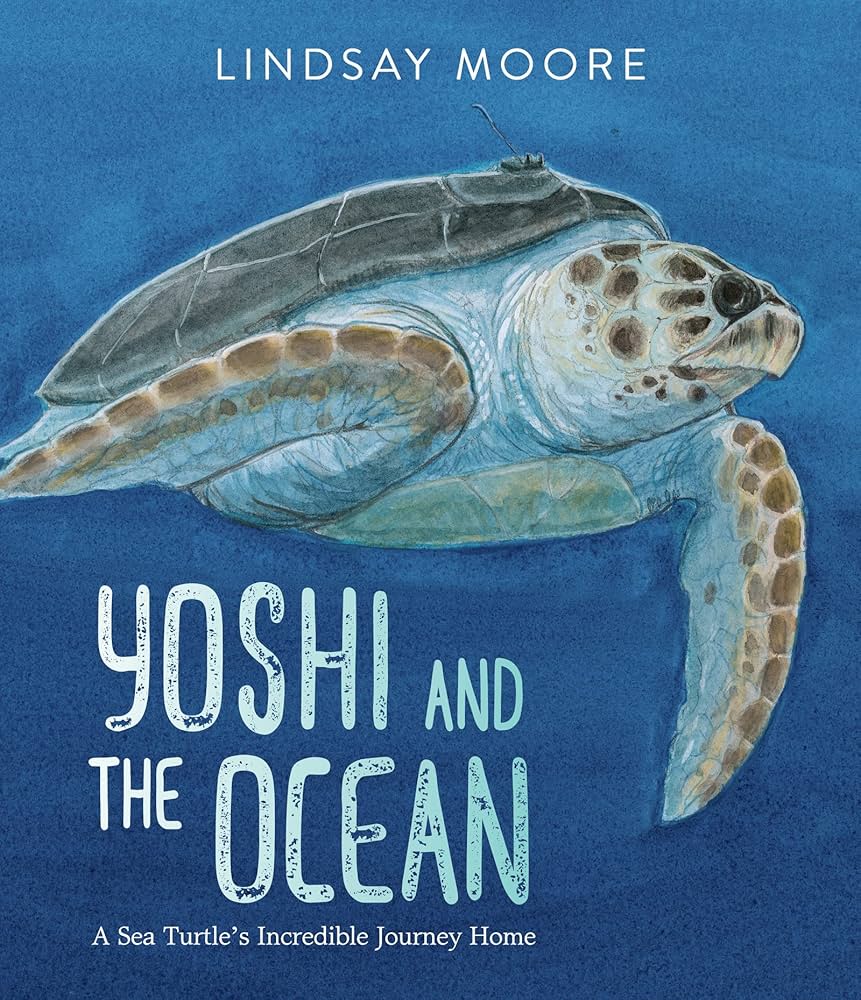
Picture Book winner: Yoshi and the Ocean by Lindsay Moore tells the amazing true story of a sea turtle’s return to the wild after 20 years of care in a South African aquarium. With lyrical text and gorgeous artwork, this book follows Yoshi as she navigates a 25,000 mile journey across two oceans, mapped by a tracking device, to reach her original home. Beautiful to read with younger children, it also contains a wealth of information about ocean life, loggerhead turtles and oceanography.
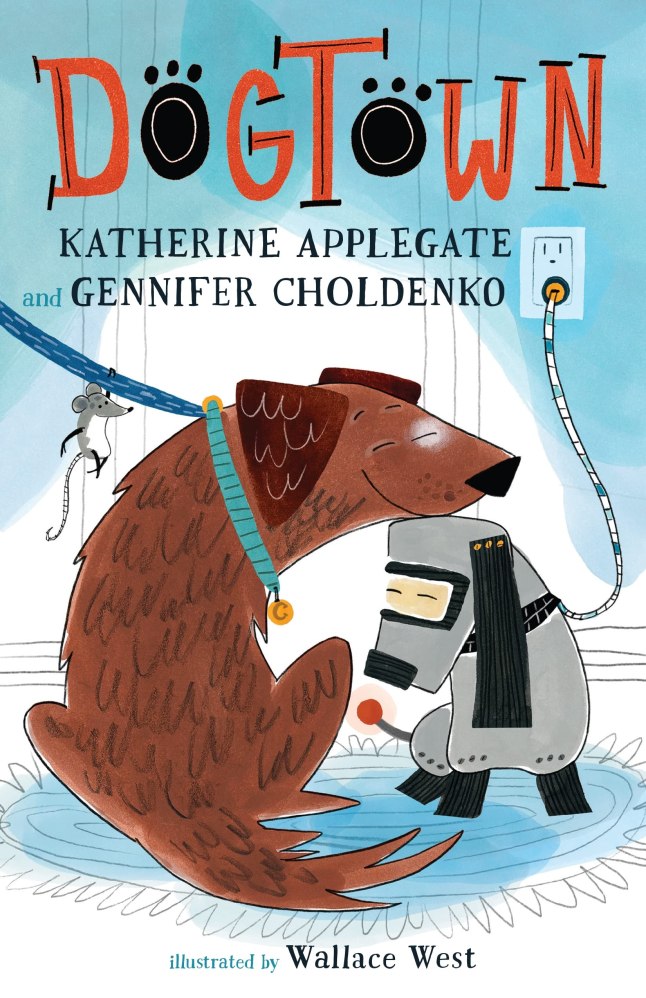
Grades 3-5 Fiction/Nonfiction winner: In Dogtown by Katherine Applegate and Gennifer Choldenko, a real dog, a robot dog, and a mouse band together to engineer an escape from the Dogtown Shelter and find their forever homes. In this charming animal adventure, short chapters and fun illustrations make it a perfect choice for a family read aloud or for kids just beginning to tackle full-length chapter books.
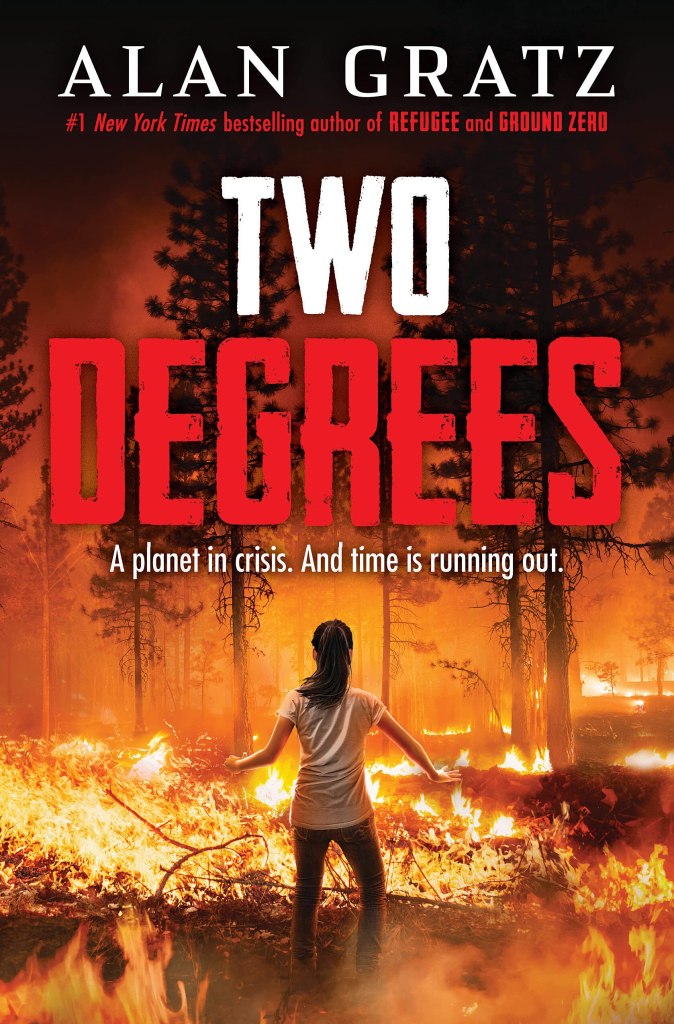
Grades 6-8 Fiction/Nonfiction winner: Two Degrees by Alan Gratz is an action-packed thriller for those who love survival stories. The book follows four middle school kids in different regions of North America, each battling climate-change natural disasters. Though their challenges are different and parallel, the kids’ fierce struggles are linked as part of a bigger picture requiring joint action.
Jean is a Children’s Instructor and Research Specialist at HCLS Central Branch. She loves talking about books with people of all ages, but especially enjoys leading the Heavy Medals book club for fourth and fifth graders, exploring award-winning books of all genres.
As we celebrate the library as a space of learning and community, and honor AAPI Month as a time to uplift Asian voices and stories, it is worth asking: what makes something literature? The shape of the story, the seriousness of its tone, its prestige? Or is it about seeing something deeper, something about the world or the human condition? Across corners of every continent, stories take shape in countless forms: in prose, poetry, images, screens, and panels.
Perhaps, literature isn’t defined by medium or legacy. It’s shaped by how we engage with a work. When we treat literariness as something a reader brings to the page, not something a story inherently owns, we begin to find meaning in places we’ve often overlooked, like one of those Japanese comic books you might find in the teen section.
Manga is Japanese graphic storytelling that pairs image and text across serialized chapters. It continues a long East Asian tradition of visual storytelling. Its reach, however, is global. Manga is a major literary and commercial force in France, a cultural touchstone across Latin America, and a stylistic influence on everything from fashion to hip-hop. Its narratives, aesthetics, and emotional tones have shaped how stories are told, and who gets to see themselves in them.
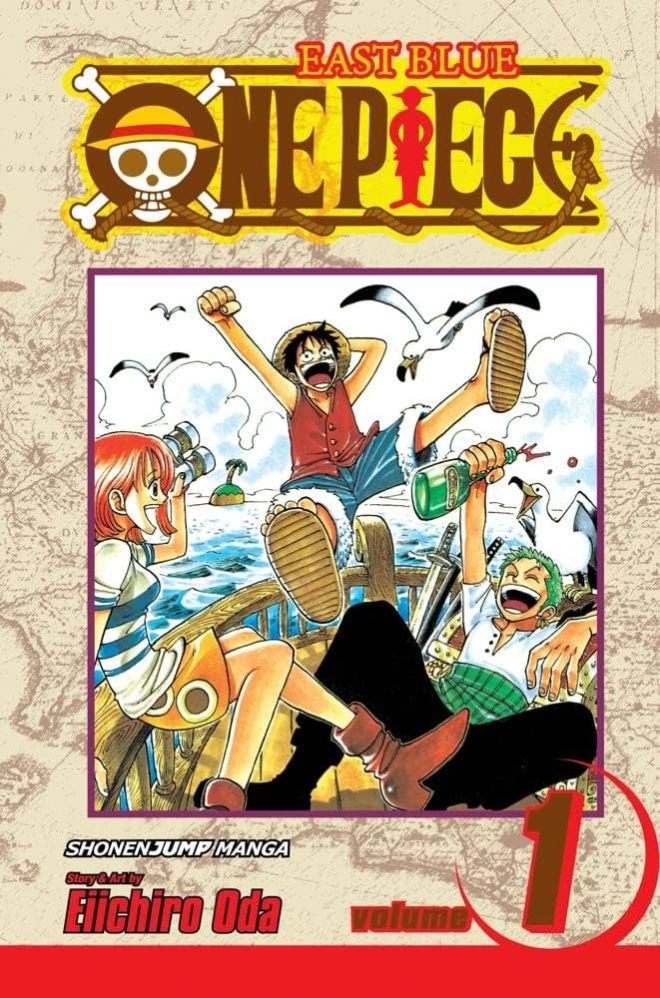
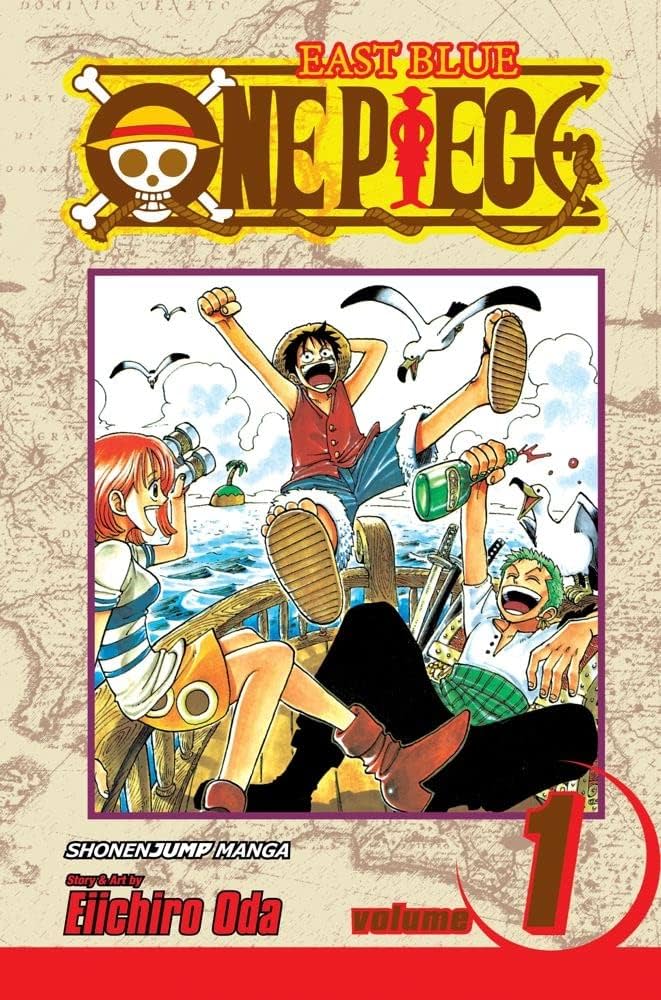
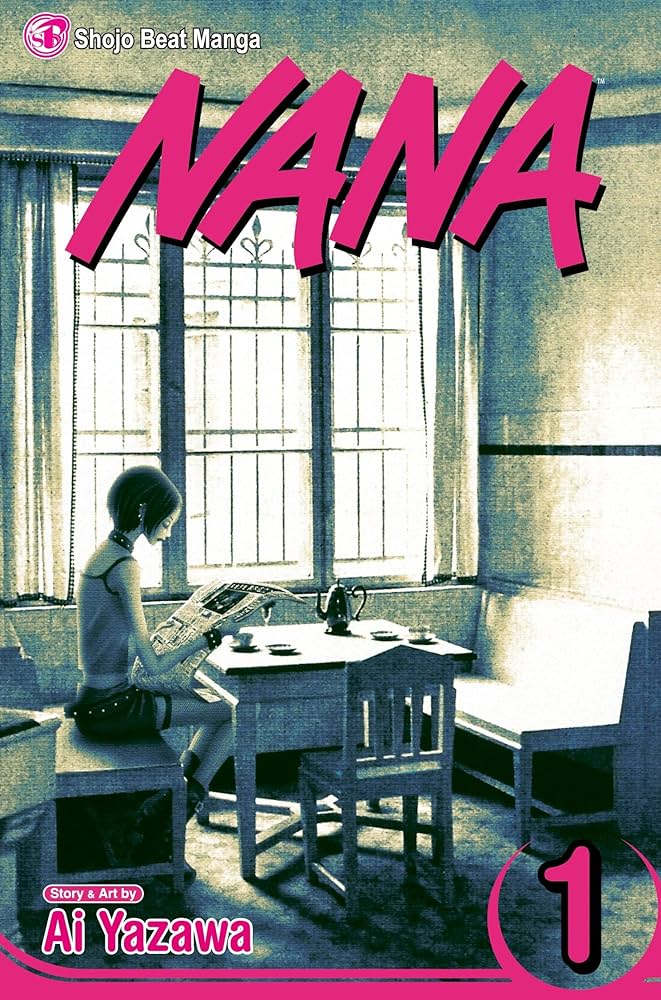
One vivid examples can be found in One Piece by Eiichiro Oda. What begins as a chaotic pirate adventure becomes a vast meditation on justice, memory, and history. The series offers a reminder that joy can be defiant, and freedom contagious. Manga’s depth doesn’t end with epics. Nana by Ai Yazawa offers a raw portrayal of friendship and identity, or Goodnight Punpun by Inio Asano, a surreal coming-of-age spiral, shows how the medium holds hope, loss, and emotional complexity with equal grace. These stories speak to something real and something human, but we need to be willing to listen.
You can find them all at the library — where stories of every kind wait side by side, ready to be read with curiosity, care, and imagination.
History of Comics in Asia Tue, May 6 | 7:30 – 8:30 pm HCLS Savage Branch For adults. Explore the world of comics new and old! East Asian comics have exploded in popularity and dominate today’s reading environment. Whether you’ve read them all or have never picked one up, learn about their history before getting a chance to draw your own.
Ian Lyness-Fernandez is not quite used to being Instructor at the East Columbia Branch. He hopes his passion for learning can somehow translate into a skill for teaching.
What draws you into the library? Comfortable chairs and aisles of tall shelves, packed with interesting titles? Classes where you can learn or socialize? Play areas for children?
Libraries serve many needs these days and offer access to all kinds of media – not just the weighty tomes of classic literature. For many of our school-age customers, it’s the graphic novels that draw them in. Dogmanto Batman, Smile and Guts – these titles possess a magnetic power to pull kids into the library, sometimes to the chagrin of their grown-ups. They ask: “Are graphic novels real reading, if they’re filled with pictures?”
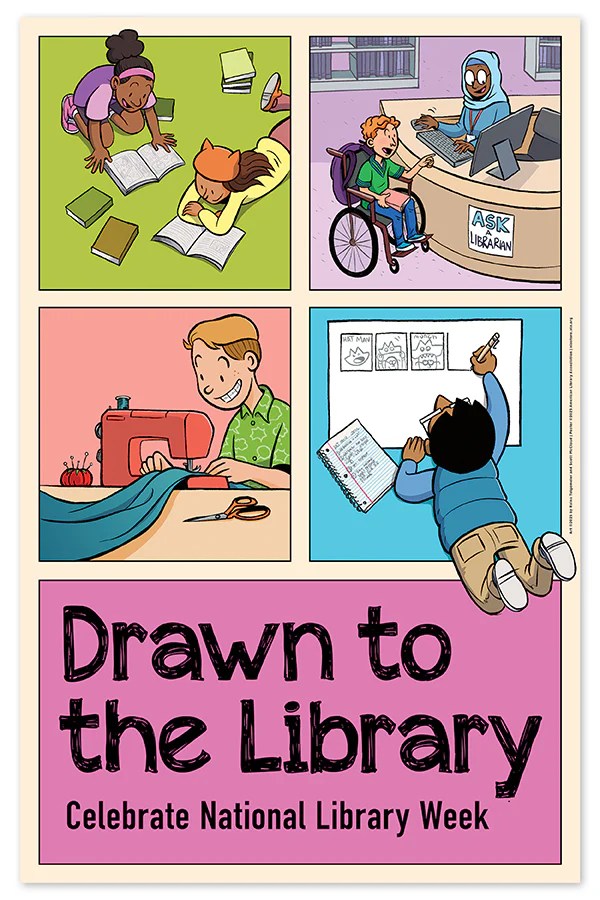
This year’s theme and its honorary chairs, cartoonists Raina Telgemeier and Scott McCloud, affirm the value and power of these stories told through comic-strip panels. In recent years, graphic novels and their creators have received the highest honors in children’s literature, recognizing their artistry as well as the many benefits these books bring to young readers in building literacy.
Reading specialists stress the importance of motivation for a child’s success in learning to read. Kids need to be interested in the stories presented to them to do the work of reading. So if Dogman gets them to keep reading, it’s just as valuable as a classic! For those who may have fallen behind early in the reading process and lost confidence, graphic novels can restore their motivation. The images are appealing, the word bubbles less intimidating than full pages of text, and children can be successful without feeling the books are “beneath them.”
Graphic novels also teach children how to integrate text and visual literacy — an essential skill in today’s multi-modal landscape. When kids tackle a website, advertisement, or YouTube instructional video, they need to absorb both images and text to decipher meaning. That is the world we all now live in, and careful reading of a great graphic novel sharpens this important skill.
At Central Branch, the graphic novel collection literally creates the gateway for entering the children’s department. But in a much broader sense, graphic novels offer a gateway to the vast variety of books and materials readers will find in the library. Once DRAWN IN to reading, the discoveries and stories are limitless!
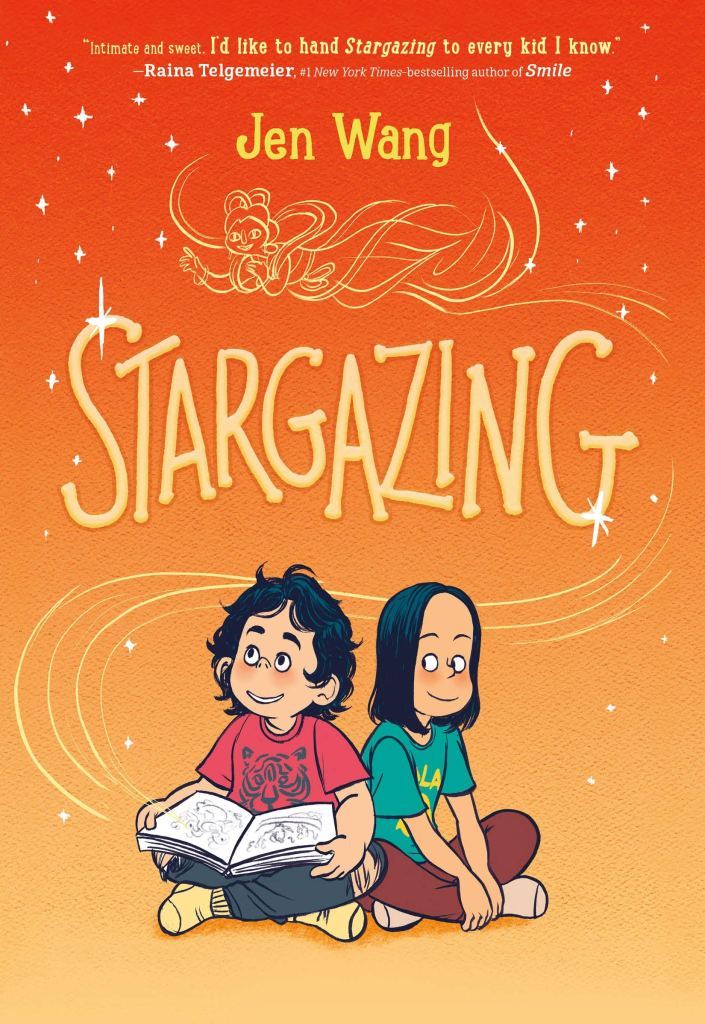
Celebrate National Library Week by exploring some of these award-winning graphic novels, all based on real experiences: El Deafo by Cece Bell New Kid by Jerry Craft Mexikid by Pedro Martin Stargazing by Jen Wang.
Jean is a Children’s Instructor and Research Specialist at HCLS Central Branch. She loves talking about books with people of all ages, but especially enjoys leading the Heavy Medals book club for fourth and fifth graders, exploring award-winning books of all genres.
There seems to be a common misconception that graphic novels don’t count as “real reading.” This could not be much further from the truth! Reading takes on many forms beyond the printed word, each format with its own appeal. Everyone connects with stories and information in unique ways. No matter the format, reading counts, as long as you’re engaged with the material.
I find that nay-sayers tend to focus on how graphic novels differ from traditional books, rather than considering the unique elements that make graphic novels so engaging. The combination of text and illustrations might make reading more approachable to hesitant readers. Not only can the illustrations help bring the story to life, but they also can aid readers in interpreting and understanding the narrative. Literary devices like symbolism, flashbacks, and foreshadowing are enhanced with the added visual component.
Legendary comic artist Will Eisner introduced the term “sequential art” to describe comics in his 1985 book Comics and Sequential Art, giving a name to an art form that has existed for many thousands of years. Though graphic novels have experienced a recent surge in popularity, they are rooted in ancient tradition. Some early examples of sequential art include Egyptian hieroglyphs, the Trajan Column in Rome, and Maya script.
Graphic novels really offer something for everyone, from fictional stories to memoirs and depictions of real-life experiences. Interested in giving graphic novels a try? Here are just a few classics to start you on your journey:
Art Spiegelman’s The Complete Maus – This book is the first and, so far, only graphic novel to win the Pulitzer Prize. Spiegelman tells the story of his father, a Holocaust survivor, in his years leading up to World War II, his survival and liberation from a Nazi concentration camp, and his life in the years that follow. Maus is heralded as a unique blend of memoir, history, and biography in a sleek graphic novel package.
Marjane Satrapi’s Persepolis and Persepolis II – In two volumes, Satrapi recounts her childhood in Iran amidst the Islamic Revolution and her adult years in Austria. Her graphic novel memoirs were adapted into an Oscar-nominated animated film of the same title.
John Lewis’ March I-III – Late civil rights activist and politician John Lewis, at the suggestion of his aide Andrew Aydin, tells the story of the Civil Rights Movement from his perspective. The two compiled Lewis’ anecdotes, experiences, and stories, and artist Nate Powell helped bring the important story to life on page.
Emily is an Instructor & Research Specialist at HCLS Central Branch. When she’s not reading, she enjoys puzzling, listening to music, and re-watching old seasons of Survivor.
We launched Chapter Chats in 2020 as a way to stay in touch with our community during the Covid pandemic. We’re still here and doing better than ever! 2024 was Chapter Chats’ best year yet – our 147 posts garnered more than 34,400 views from 24,400 visitors. Thank you for making us part of your online reading!
The Marvel franchise is still apparently a force to be reckoned with, as a look at an older TV series was far and away the top post for the year (with more than 1,200 views): Agents of S.H.I.E.L.D.
The next Top Ten entries included:
The Storm We Made by Vanessa Chan: This debut novel is set in Bintang, Kuala Lumpur during the British rule and Japanese occupation of Malaysia.
The Frozen River by Ariel Lawhon: In 1789 Maine, an unexplained death pushes the sleepy town of Hallowell into an intricate legal battle, full of conspiracy, power plays, and intrigue.
The Shadow Children Series: The Shadow Children series by Margaret Peterson Haddix has an entirely new feeling and meaning now that we have experienced something similar.
Community Building with Mah Jongg: The community is the heart of the library, and in February we marked the second anniversary of one such community building activity: Mah Jongg Meet Up.
Global Neighbors series: Lunar New Year: We learned about Korea in May, about India in October, and we glimpsed the rich cultural heritage of China with Lunar New Year.
Get “Schooled” on the Board of Education: Even if you do not have school-aged children, the well-being and success of students and staff should be the concern of the entire community.
Inspiring Laughter: A review of Leslie Jones’ memoir that takes you along for a wildly candid, gritty, and funny ride.
Studying to Succeed: Do you ever wonder where all those navigation tabs at hclibrary.org go? One of the answers is homework help!
Here are a few equally excellent posts that maybe you missed:
A Master of Djinn by P. Djeli Clark: It’s an alternative history, magical, buddy cop, police procedural romp of a story, complete with a little romance.
The Perfect Stories of Claire Keegan: “Long short stories,” as Keegan refers to them, are the ideal length for busy times and for reading again and again. Every word is perfect.
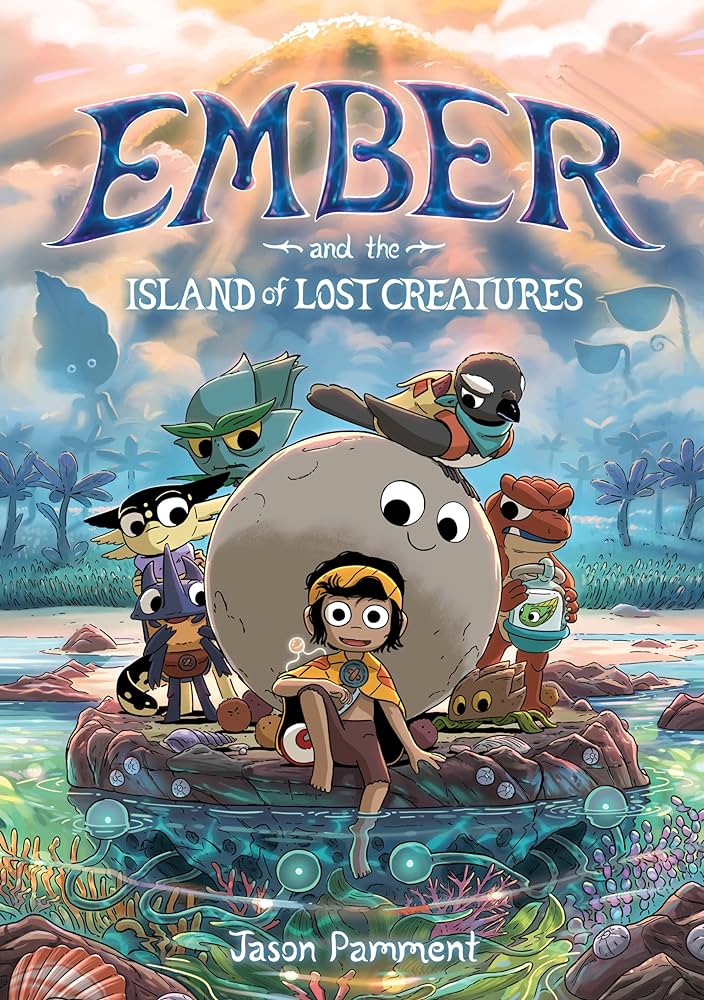
Cozy Graphic Novels About Being Friends: If your children love reading about friendship, mystery, and character growth, take a chance with the middle grade graphic novel, Ember and the Island of Lost Creatures and Treasure in the Lake.
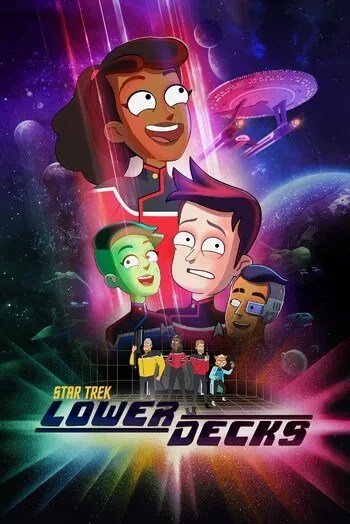
Cerritos Strong!: This show is truly a love letter to the Star Trek franchise. It is filled with humor, adventure, heart, and more than a starbase full of legacy references.
Have you ever worried that you’ll trip and fall and inadvertently bite your tongue off? Or that you’ll sneeze so hard with your eyes open that your eyes will pop right out of your head? Do you ever secretly worry that there could be invisible people in your bathroom?
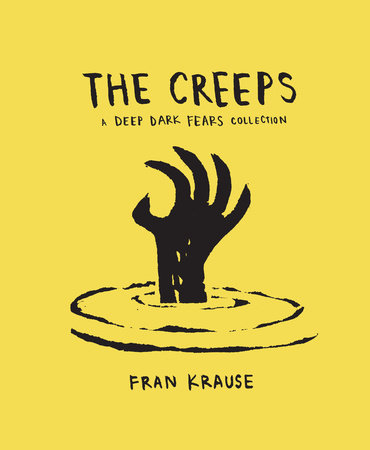
In Deep Dark Fears and the follow-up collection The Creeps, cartoonist and illustrator Fran Krause brings some of our greatest — and some of our silliest — fears to life in charming ink and watercolor comics.
Some might recognize the concept from Krause’s popular web comic “Deep Dark Fears,” which continues to run on his Tumblr and Instagram accounts. Readers, sometimes anonymously, submit their occasionally bizarre and often relatable fears for Krause to illustrate, typically in a classic four-panel comic strip. The result is a delightful mix of the macabre and the comical.
In one comic, Krause depicts a reader’s secret fear that all of life is a simulation. In another, our protagonist admits to wondering if there are hidden cameras in public automatic-flush toilets that snap clandestine photos of every visitor. Finally, in a surprisingly heart-wrenching turn, a particularly memorable vignette follows the ghost of a dead dog who has returned to their owner, who can’t see them, leaving the ghost pup to wonder why they’re being ignored. (If reading that doesn’t send a chill down your spine and make you go and hug your pet, nothing will.)
There are also the laugh-out-loud funny fears: being told as a kid that the steam rising from the pork dish you were served for dinner is just the pig’s ghost floating away, or that if you eat candy in bed at night, ants will crawl into your ears while you’re sleeping and build a colony in your head.
Embrace your fears — and maybe even discover a few new ones — and borrow one of Krause’s collections from the Library today.
Sharon Pruitt-Young is an Instructor and Research Specialist at East Columbia Branch. Aside from books, she is passionate about writing, urban sketching, trees, and art of all kinds.
As soon as I saw the cover, a captivatingly adorable kitty belly-up with goggles slung around his neck, I knew this manga was for me. Night of the Living Cat (also known as Nyaight of the Living Cat) combines the post-apocalyptic zombie pandemic genre with the fun ridiculousness of horror B-movies.
It starts with a mysterious explosion at a cat food factory. Since then, the human population has been slowly declining, while the cat population has been increasing. A virus is discovered that is transmitted through physical contact with an infected cat. If an unfortunate human contracts this virus, there is one main symptom: they are fully transformed into a cat. Which means that if one should wish to survive as a human, their previous life as a friend to feline-kind is over. There can be no petting, no ear scritches, not even a little boop on the nose. A world where cats are both revered and feared – how paw-sitively dreadful! (My apologies, I could not help myself.)
Kunagi is a man with a mysterious past and a tough determination to survive. He can’t remember who he is or anything about his past, but he possesses an encyclopedic knowledge of all facts pertaining to cats. Kaoru, who was previously the co-owner of a cat café, is quick-witted and resilient. She is the person who found Kunagi wandering the streets in his amnesiac state and took him in. They and a group of other survivors join together to defend themselves against the hordes of cats that have taken over the city. As cat lovers, they naturally take great pains to ensure that any cat whose path they cross does not get hurt, to comedic effect. Catnip or a toy mouse on a string might be used to lure or distract, but to use a water spray bottle to frighten them can instill over-the-top anguish in some of the more cat-sensitive characters. Some of the cats seem to have special powers, such as super intelligence and siren-like caterwauling that beckons surrounding cats to gather in clusters (clowders, even!). These talents are likely carried over from their previous human lives.
The art style, courtesy of artist Mecha-Roots, is fantastic. The action sequences are artistically treated seriously, balanced with the levity of the cuddly creatures from which they are defending themselves. The realistic illustrations display the gamut of cat breeds in fluffy detail, from Norwegian Forest cat to Devon Rex. I love how newly transformed cats are often depicted with a distinguishing physical characteristic or clothing accessory from their previous human forms: cats with cool sunglasses, spiked collars, and little baseball caps.
Sprinkled with (sometimes) plot-relevant cat facts and care tips, along with the occasional reference to horror/sci-fi movies and meme culture, Night of the Living Cat is perfect for the cat-lover who enjoys post-apocalyptic theming and wants something that’s just plain fun. Some might feel that there’s an over-reliance on one main joke (downfall by CUTE KITTIES), but it’s one I’m coming back for time and time again.
The series is ongoing, and I can’t wait to see what’s in store. What’s the connection between the explosion at the cat food factory and the ensuing cat pandemic? Who was Kunagi really before that fateful day? And will humanity ever get to feel the warm purr of a cat ever again? A deserved anime adaptation is also reportedly coming out in 2025 at the time of this writing.
Robyn is a Customer Service Specialist at the East Columbia Branch. She enjoys various media that paint a surreal or dark atmosphere, animation, drawing, cats, and anything related to Finland, especially Moomin.
“Tsundoku” is a whimsical Japanese term for collecting books in piles… to be read… eventually. You may have been practicing this without knowing there was a term for it! So, how did you do with your “To Be Read” pile this past year? Are you ready for more recommendations? Here you go!
Listen to our recent Hijinx podcast, Best Books of 2023, featuring voices from HCLS staff and community members. Past episodes can be found here.
Favorite Books Read in 2023 from HCLS Staff & Customers
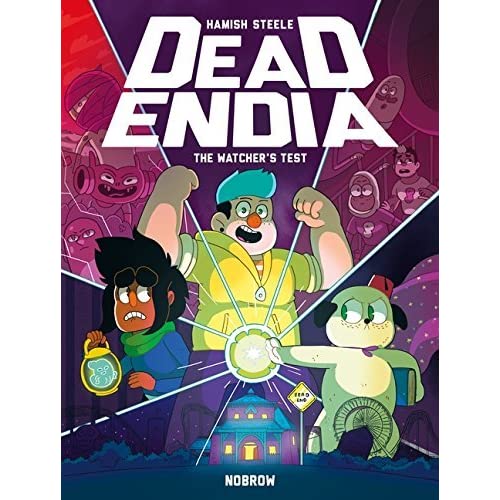
Set in haunted amusement park themed around the life and career of fictional actress-superstar Pauline Phoenix, the world of DeadEndia is full of spooky, supernatural fun. If you’ve got a Netflix account and a kid older than 7, or you’re fan of cartoons with great representation, you’ve probably heard about Dead End: Paranormal Park. The Netflix show was adapted from a graphic novel series called DeadEndia, which you can borrow from the library.
The main characters of Norma, Barney, and Pugsley began as an animated web short for Cartoon Hangover. Creator Hamish Steele used this as inspiration for a new webcomic, which, in turn, became DeadEndia: The Watcher’s Test and DeadEndia: The Broken Halo graphic novels. The third and final book is anticipated to release next year.
I was first introduced to the world through the graphic novels – so, imagine my excitement when one of my favorite reads became an extremely well-adapted animation! The show diverges quite a bit from the graphic novels in some ways, particularly how the main characters meet and the story begins. From there, the first episode of the show lines up pretty closely with the first chapter of DeadEndia: The Watcher’s Test. The demon king is summoned and possesses Barney’s dog, Pugsley, instead of one of the humans as planned; Norma cleverly figures out how to defeat the demon king; Pugsley is left with magical powers, including the ability to talk. The story continues with a balance of paranormal adventures, such as “monster of the week” style demon-fighting episodes/chapters, along with the emotional rollercoasters of personal identity, mental health, romance, and family struggles.
The novels strongly resonated with me because of the way Barney’s transmasculine experiences were included. In both the comics and the show, we find out that he was primarily interested in getting a job so that he could gain independence from his parents. The show allows for more development of Barney’s relationship, though. I think the cast and crew nailed it, with a family that goes through realistic misunderstandings and growing pains, but makes it through the rough patch to fully embrace the LGBTQ+ kid.
The graphic novels have a special place in my heart for certain heartwarming details. For example, Barney gives Pugsley a copy of The Very Hungry Caterpillar as he learns to read, and Pugsley compares Barney to the titular caterpillar. Pugsley eventually clarifies: “My comparison was due to the fact that we all start off looking and sounding a little different to how we turn out. Some more than others. But that doesn’t change who we are on the inside.” This line, especially in the context of the rest of the chapter (which I won’t spoil here), is so gentle and comforting to a trans reader like me.
Probably the most notable point of difference between the show and comics is the target audience. The comics are aimed at young adults (ages 14+), with Barney, Norma, and their peers being in their early twenties. When adapted for the small screen, the characters were aged down to be in their teens and the material made suitable for a younger audience. The graphic novels can be enjoyed by teens and adults alike, and you can borrow them in print from HCLS.
Ash is an Instructor & Research Specialist at Central Branch and is a co-facilitator for Reads of Acceptance, HCLS’ first LGBTQ-focused book club. Their favorite place to read is spread out on a blanket under the shade of the tree.
Books: They are one of the fundamental reasons for a public library – purchasing, lending, recommending, and discussing. After all, as much fun as reading is all by itself, sometimes there are books you NEED to talk about. HCLS staff facilitate a wide variety of groups that read and discuss all sorts of books – from nonfiction to romance to graphic novels. Some meet online, some in person, and some change depending on guidelines.
Maybe you’re looking for something new to do this fall? Maybe you (like me) have missed social interaction and think an hour or so, in a small group, once a month, sounds about right?
Consider joining one of these regular meetings, led by library staff. Each month’s title is held at the branch for you for the month previous to the meeting, unless otherwise noted.
CENTRAL BRANCH
Eclectic Evenings: Second Tuesdays at 7 pm Read an eclectic array of various genres, both contemporary and classic. Sep 13: The Boy from the Woods by Harlan Coben
Noontime Books: Third Thursdays at 12 pm Consider a variety of fiction and nonfiction books, diverse in themes, characters, settings, time periods, and authorship. Sep 15: The Good Earth by Pearl Buck
Reads of Acceptance: Second Thursdays at 7 pm Discuss books pertaining to LGBTQ+ experiences! All identities are welcome. Sep 8: The Moon Within by Aida Salazar
EAST COLUMBIA BRANCH
Black Fiction: First Saturdays at 1 pm Discuss critically-acclaimed recently published fiction titles by black authors of African descent. Sep 3: The Sweetness of Water by Nathan Harris
Good Reads: Second Mondays at 7 pm Consider fiction and nonfiction titles that embrace universal themes. Sep 12: The Warmth of Other Suns by Isabel Wilkerson
In Other Worlds: Fourth Wednesdays at 7 pm Welcome sci-fi enthusiasts and other intrepid readers! Sep 28: Project Hail Mary by Andy Weir
Nonfiction Addiction: Third Thursdays at 7 pm Expand your mind reading and discussing a variety of nonfiction books, from memoirs to history, and from philosophy to popular science. Sep 22: Crying in H Martby Michelle Zauner
Romantic Reads: Fourth Wednesdays at 7 pm Discuss your favorite romance author and book or series with other fellow romance readers. Sep 28: any title by Suzanne Brockmann
Warning: Graphic Content: Third Tuesdays at 7 pm Discover the full spectrum of what is available as a graphic novel – from Archie to horror and Caped Crusaders to crime drama. Sep 20: Something is Killing the Children, vols. 1 & 2 by James Tynion IV
ELKRIDGE BRANCH
ELKS Excellent Reads: Second Tuesdays at 12:30 pm Read mostly fiction, both contemporary and historical, as well as narrative nonfiction. Sep 13: The Lincoln Highway by Amor Towles
Murder, Mischief and Mayhem: Fourth Thursdays at 7 pm Discuss titles including detective, spy, intrigue, and mystery. Mostly fiction, occasionally true crime. Sep 22: Transcriptionby Kate Atkinson
Read. Think. Talk.: First Mondays at 7 pm (Second Monday this month due to Labor Day holiday) Discuss great novels about the American experience before they’re critically acclaimed television shows and films. Sep 12: The Committedby Viet Thanh Nguyen
The Thursday Next Book Club: Third Thursdays at 7 pm Read mostly fiction, both contemporary and historical, as well as narrative nonfiction. Sep 15: What’s Mine and Yours by Naima Coster (One Maryland One Book selection)
GLENWOOD BRANCH
The Reading Cafe: Last Tuesdays at 7 pm Dip into a different genre each month. Sep 27: What’s Mine and Yoursby Naima Coster (One Maryland One Book selection)
MILLER BRANCH
Asian American Literature: Second or Third Mondays at 7 pm Enjoy a wide range of fiction, nonfiction, biography/autobiography that explores the Asian American identity and experiences. Sep 19: On Gold Mountainby Lisa See
Bas Bleu: Third Wednesdays at 7 pm Bas Bleu, French for “bluestocking,” refers to an intellectual or literary woman. We read a variety of literary fiction, and all are welcome – not just bluestockings! Sep 21: What’s Mine and Yours by Naima Coster (One Maryland One Book selection)
Global Reads: First Mondays at 7 pm Read a wide range of fiction and non-fiction books on different cultures around the world as well as immigrant fiction. No meeting in September because of Labor Day holiday.
An Inconvenient Book Club: Meets quarterly on First Thursdays at 7 pm Discuss speculative fiction, cli-fi (climate fiction), short stories, and verse — exploring themes of climate disruption, dystopia, recovery, and redemption. Next meeting in November. Nov 3: Cloud Cuckoo Land by Anthony Doerr
Spies, Lies & Alibis: First Tuesdays at 7 pm Focus on spies, espionage, and world intrigue, alternating both classic and contemporary fiction and nonfiction, from the twentieth century and beyond. Sep 6: Two Spies in Caracas by Moisés Naím
Strictly Historical Fiction: Third Mondays at 2 pm Step into the past and connect with characters living in times different than our own. Sep 19: The Pull of the Stars by Emma Donoghue
SAVAGE BRANCH
Mystery: Second Wednesdays at 7 pm Discuss a wide range of mysteries, including procedurals, detective novels, and capers. Sep 14: The Lost Man by Jane Harper
Savage Hearts: Third Tuesdays at 2 pm Enjoy romantic reads with others who love the genre. Sep 20: The Unhoneymooners by Christina Lauren
IN THE COMMUNITY
Books on Tap: First Wednesdays at 6 pm – meets at The Periodic Table Read a wide variety of titles and genres looking to experience an equally wide set of perspectives and experiences. Please arrange to borrow books as you would any other. Sep 7: The Searcher by Tana French
Reading Human Rights: Varying Thursdays at 6:30 pm at East Columbia Branch In partnership with the Office of Human Rights, read books that promote cultural awareness, diversity, equity. Sep 29: The Undocumented Americans by Karla Cornejo Villavicencio
You may notice multiple discussions of What’s Mine and Yoursby Naima Coster. This is the One Maryland One Book selection for 2022, and several groups will be reading it throughout the fall. Register here to join us for an event with author Naima Coster at Miller Branch on Tuesday, October 4 at 7 pm.


















 CHAPTER CHATS