Five Minutes of Discomfort

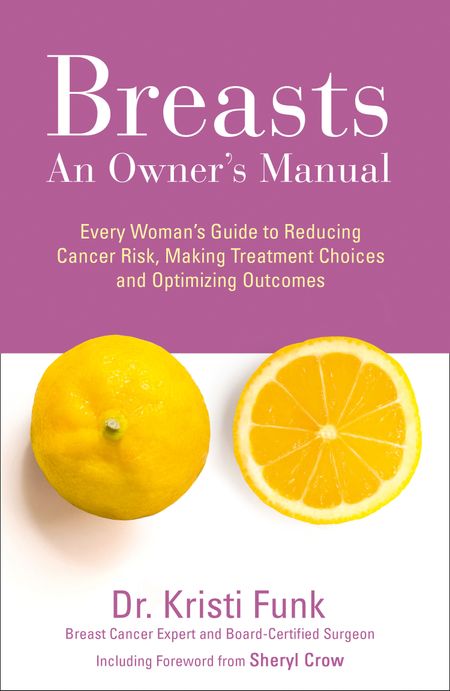
The cover is half pink, where the title sits, and half white, with a cut open lemon showing one side open and the

by Carmen J.

Every woman, especially over 40, who reads these words every year exhales a sigh of relief. I’m one of them.

Mammogram results that read, "No suspicious masses, calcifications, or other suspi

Every year since I turned 40, I’ve received the reminder for my annual mammogram and diligently scheduled the appointment. After recently hearing on the news and by the appointment receptionist about advanced screenings for those with dense breasts, I decided the extra $40 out-of-pocket expense would mean greater peace of mind. I feel a bit shameful admitting that before I turned 40 and until I gave birth to my daughter just before turning 41, my breasts were not my priority. I rarely gave them much thought, if I’m being completely honest.

I was never ample or busty by any means, and only during pregnancy did I fill out my bras and shirts. “Will you breastfeed?” my doctor asked. What started as an “I guess so,” led to 14 months of nourishing my daughter with my own body. How could I have taken my breasts and my body for granted? I’m sure it wasn’t the first time nor would it be the last, but my perspective heightened. 

Now with my own daughter, I know annual screenings are important for my own health and wellness, and I want to set a positive example for my daughter. I want to live a long and happy life free of cancer. And with my own mother being a breast cancer survivor, after a diagnosis in her 70s, I know my risks are riskier than others. 

The process of this year’s appointment didn’t change from previous years, only the depth of imaging. I was reminded not to wear deodorant and to remove my shirt and bra, and put on the gown I was given with the opening in the front. Over the 10 years I have had these screenings done, I’m always pleased that despite my initial anxiety and minor discomfort, the screening itself takes about five minutes. And according to my technician, the imaging would detect cancer two years in advance of what would be seen by the naked eye.  

When the time comes to slip out of my gown and stand topless facing the screening machine, the technician positions my arms and gives clear instructions about where to insert my breast. We start with images of the right breast followed by images of the left. Each is placed on a clear shelf-like surface and then compressed by another mechanism that flattens it out. Once placed in position, the technician walks away and instructs you to hold your breath, while the images are taken. Hundreds of images are taken of each breast from similar angles. Once completed, you get dressed and leave. Months of anxiety melt away after five minutes. 

Does it hurt? No. Is it uncomfortable? Sure. But if getting my boobs squished each year is an effort to keep myself healthy, then five minutes of discomfort are worth the remaining peace of mind. Squish away.

October is Breast Cancer Awareness Month. Consider this my gentle reminder to those with breasts: Schedule your mammograms. Five minutes of discomfort may save your life and your peace of mind.

For more information:
Breasts: The Owner’s Manual: Every Woman’s Guide to Reducing Cancer Risk, Making Treatment Choices, and Optimizing Outcomes by Dr. Kristi Funk

The New Generation Breast Cancer Book: How to Navigate Your Diagnosis and Treatment Options–and Remain Optimistic–in an Age of Information Overload by Elisa Port, MD, FACS, Chief of Breast Surgery at The Mount Sinai Hospital and Co-director of the Dubin Breast Center

Fresh & Healthy

A big pile of bell peppers in all shades, centered on a yellow one.
Weekly farmers’ market at HCLS Miller Branch.

The library isn’t just providing good food for thought through books, movies, and other materials – it also can help you make good choices in staying healthy with cookbooks, nutrition guides, and classes.

The Farmers’ Markets are open again! You can shop for locally grown herbs and flowers, fresh produce, meats, and other food and drink. Operated by Howard County Economic Development Authority, there are several throughout the county, including at HCLS East Columbia Branch on Thursdays from 12-6 pm and HCLS Miller Branch on Wednesdays from 2-6 pm.

Join us in June for a wide variety of classes related to health and wellness:

Fight Stress Before It Gets to You
For adults. Register here.
In our modern lives, our bodies and minds are subject to many stresses. When we support our bodies before we are challenged, we can prevent certain negative health impacts. Nutrition Specialist Courtney Carpenter focuses on diet and lifestyle choices, including supplements.
Thu, Jun 1 at 7 – 8:30 pm
Central Branch

Addressing Menopause Naturally
For adults. Register here.
Menopause can be a challenging time in a woman’s life. Nutrition Specialist Courtney Carpenter discusses menopause, including recent developments in our understanding of hormones. In addition, learn how fine-tuning one’s diet and taking advantage of both foods and natural products can make this transition more manageable.
Thu, Jun 8 at 7 – 8:30 pm
Central Branch

Edible Landscaping with the Community Ecology Institute (CEI)
For adults. Register here.
Are you interested in incorporating edible plants into your existing landscape, but don’t know where to start? Discover plants that you can easily add to a large or small landscape or to containers. Gain a better understanding of edible plants and the knowledge you need to get you started. Feel free to bring photos to the Q & A with staff from the CEI Nourishing Gardens program.
Visit the Freetown Farm display during June in the Miller Branch lobby.
In partnership with the Community Ecology Institute.
Sat, Jun 10 at 10:30 am – 12 pm
Miller Branch

Fry, Fry Baby: Air Fryer Tips and Tricks
For adults. Register here.
Learn how to boost your produce intake, reduce your saturated fat intake, and keep your taste buds happy. Presented by Melanie Berdyck, Giant Food Nutritionist.
Thu, Jun 22 at 2 – 3 pm
Elkridge Branch

NEW Healthy Living Series in July

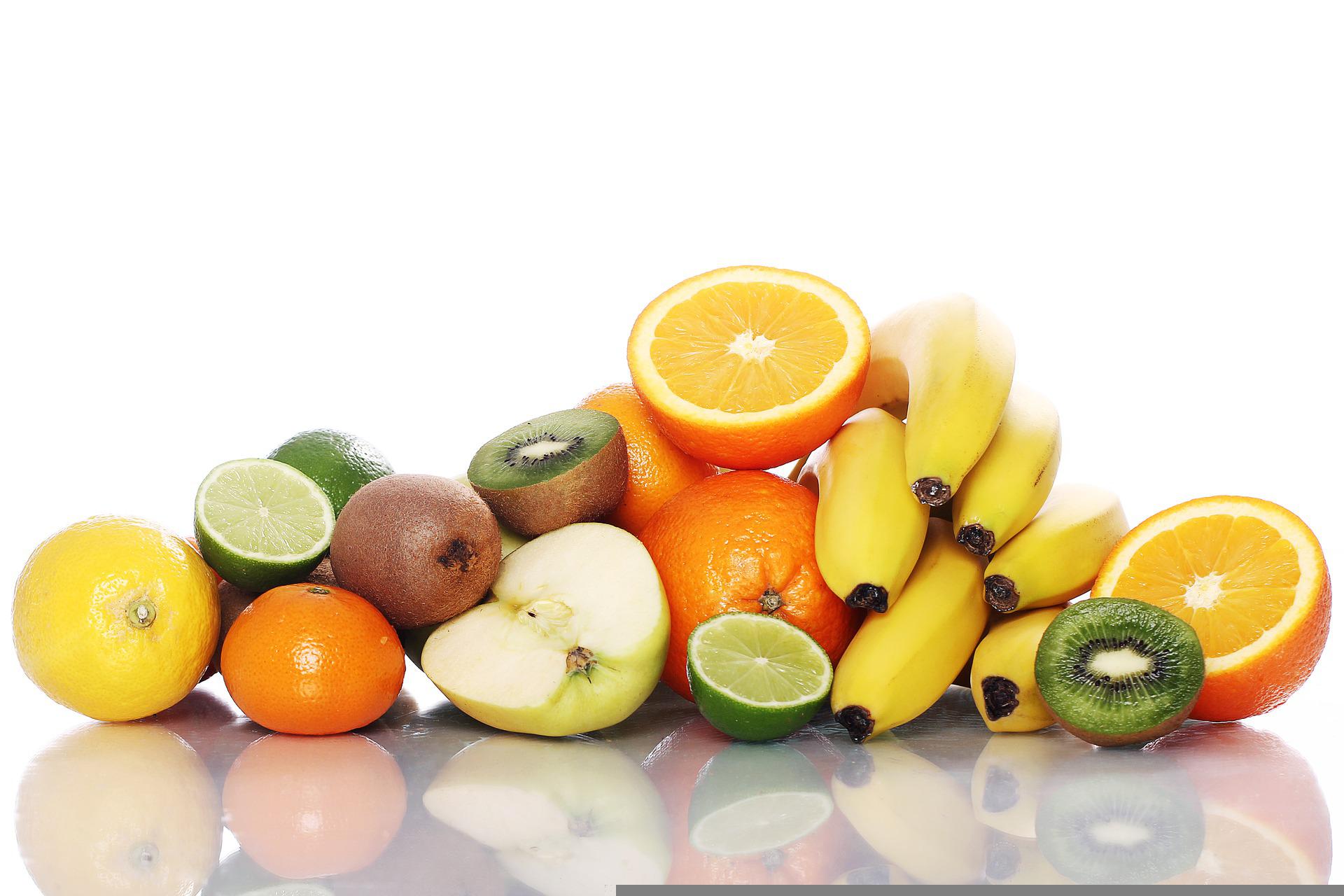
A pile of fruit including lemons, limes, tangerines, apples, kiwis, and a bananas.

by Chloe M.

Did you know there is a link between your mood and what you eat? Can you effectively mitigate challenging situations for yourself and those around you? Have you learned about the new mental health crisis number 988?

If you are an adult who answered no to any or all of these questions, you need to join us for the new Howard County Health Department Healthy Living Series. The series consists of three upcoming classes offered at the library (HCLS Miller, Savage, and Central branches) with the goal of fostering resilient communities. Taught by a variety of healthcare professionals, the free classes are supplemented with peer lived experience. We engage on topics including nutrition, self-care, and effective coping, which are recommended for even the healthiest of adults – not just to have solid information yourself but in case you need to assist friends and family members.

The 2021 Howard County Health Assessment Report data was published last fall. The data demonstrated an increased need to share mental health information and resources with adults in Howard County. Thirty-five percent of residents reported feeling depressed or lonely during the two-week period prior to being surveyed. Additionally, 50 percent of residents reported experiencing feelings of nervousness or anxiety in the 2-week period of being surveyed.

These trends were particularly concerning among young adults (18-24 years old). Respondents were asked, “Over the last two weeks, how often have you been bothered by ‘feeling down, depressed, or hopeless?’” Six percent of all residents responded, “nearly every day. However, when broken down by age, nearly one quarter (23 percent) of residents ages 18-24 said they felt down, depressed, or hopeless “nearly every day.” Residents were also asked, “Over the last two weeks, how often have you been bothered by ‘feeling anxious, nervous, or on edge?’” Ten percent of all residents responded “nearly every day.” A quarter (25 percent) of residents ages 18-24 years old said they felt anxious, nervous, or on edge “nearly every day.”

The HCHD Healthy Living Series looks to combat the stigma associated with mental health that continues to prevent adults from seeking help. The three-class series takes place on Tuesday evenings, as follows:

1. When the Going Gets Tough: Managing Stress with Peer Stories

Tuesday, July 19; 7 – 8 pm at HCLS Miller Branch

Become a community care access point! Join us in developing the skillset to mitigate challenging situations for yourself and those around you. This presentation will include real stories from National Alliance on Mental Illness volunteers and stress screening resources.

Registration required.

2. Our Community Care Roadmap: Navigating the Landscape of Mental Health Resources in Howard County

Tuesday, July 26; 7 – 8 pm at HCLS Savage Branch

Follow the roadmap to care with instructional stops along the way at brain health education, early intervention, and intensive intervention. The class introduces new health resources, including 988 and GBRICS.

Registration required.

3. Building Your Toolbox: Nutrition, Exercise, and Self-care for Better Brain Health

Tuesday, August 2; 7 – 8 pm at HCLS Central Branch

Explore the science behind nutrition and mental health to understand the link between your mood and what you eat. Learn how exercise and self-care activities can improve brain health.

Registration required.

If you have any questions, email HCLS Information and Research Specialist Nancy Targett at nancy.targett@hclibrary.org. Together we can create a model community care system in which all Howard County residents know how to prevent and respond to health challenges. We hope to see you there!

Chloe McGeehan is a recent River Hill High School graduate. Through the DukeEngage Gateway summer program, she is working to facilitate collaborations that generate behavioral health resources for residents of all socioeconomic backgrounds. She enjoys trail running, spending time with family and friends, painting, and making music.

Racism, Health & Action

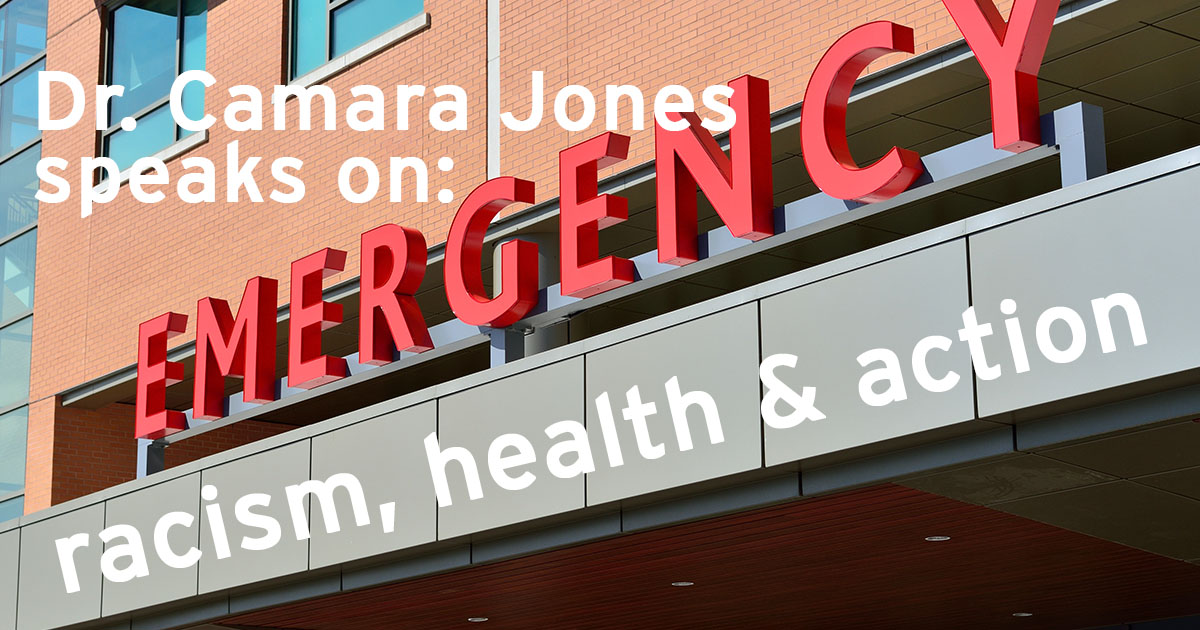
A photo of a hospital's emergency room entrance, with EMERGENCY in large red letters, acts as a marquee for "Dr. Camara Jones speaks on racism, health, and action."

by Katie DiSalvo-Thronson

What can we do to live in a more just society where more people thrive, and race doesn’t determine people’s health?

HCLS is proud to present Dr. Camara Phyllis Jones, MD, MPH, PhD, a family physician, epidemiologist, and past President of the American Public Health Association, whose work focuses on naming, measuring, and addressing the impacts of racism on the health and well-being of our nation and the world. Dr. Jones speaks online tomorrow, Tuesday July 13, at 7 pm. Registration is required.

Dr. Jones’ work has been foundational to how our country thinks about race and public health and racial equity more broadly. This live webinar is a great opportunity to begin or deepen your understanding of these issues.

Dr. Jones speaks on how racism is a huge roadblock to achieving health equity in the United States, and how systemic racism, which we can act to dismantle, saps the strength of the whole society. She also provides definitions, frameworks, and other tools to equip participants to engage in a National Campaign Against Racism with three tasks: 1) name racism, 2) ask “How is racism operating here?”, and 3) organize and strategize to act.

In the Q&A segment and subsequent programs, we will bring the conversation to our county. What health disparities do people suffer from in Howard County and what can we do about it? Want a taste of Dr. Jones’ insight and perspective? Listen to this NPR piece.

Join us for the live Zoom presentation and Q&A discussion moderated by Kenitra Fokwa Kengne, Senior Program Officer at the Horizon Foundation. This is the first event in the Racial Equity and Local Action series, presented by Howard County Library System and sponsored by the Horizon Foundation. Register today.

Katie is the Community Education and Engagement Manager for HCLS. She loves people, the big questions, the woods, and chocolate.

The Nature Fix: Why Nature Makes Us Happier, Healthier, and More Creative

The book cover depicts the profile of a human covered in maple leaves, with some of the leaves trailing off into the air as if windblown. The colors range from shades of green to yellow. orange, and red.

By Nina L.

Finding ways to increase our well-being during the pandemic has taken on greater significance than ever. Spending time outdoors, one of the few pastimes still available to us, may actually have greater benefits than we realize, according to The Nature Fix: Why Nature Makes Us Happier, Healthier, and More Creative. Author Florence Wiliams, a contributing editor to Outside magazine and transplant to Washington, DC from Boulder, CO, felt depressed, irritable, and unable to focus after the move. Realizing that she missed the mountains and easy access to nature, Williams began asking, “…how much nature do we need to fix ourselves?” and, “What is it about nature that people seem to need?” Williams embarked on a two-year research project to learn the answers from scientists around the world.

Williams buoys up the factual and data-heavy text with sprinkles of humor evident in chapters titled, “How Many Neuro-Specialists Does It Take to Find the Stinking Milk Vetch?” and, “Squat Down and Touch the Plant.”  She subjected herself to wearing an EEG device strapped around her head while viewing the San Juan River, went on a kayaking trip with veterans suffering from PTSD, and visited countries including Japan, South Korea, Scotland, and Finland to understand what we can learn from other nations.

Many countries make access to and immersion in nature a national priority. In Japan, the practice of forest-bathing, or shinrin yoku, has been found to have quantifiable effects on health. The practice involves slowing down in order to open up to the sights, scents, textures, sounds, and even tastes of nature. Williams’ initiation into forest-bathing started with a warm cup of “mountain-grown, wasabi-root and bark flavored tea.” Later in the day she inhaled the scent of sugi pines, stretched out on a mossy boulder, and listened to the quacking of ducks. Afterwards, not surprisingly, her blood pressure measured several points lower.

Subsequent chapters fully explore the individual senses of smell, hearing, and sight. The hinoki cypress forests found in South Korea are full of beneficial phytoncides, a chemical released by plants. Beyond just smelling good, phytoncides boost the immune system, reduce blood pressure, lower cortisol, and improve concentration. The Korean Forest Agency offers guided trips through the forests to help cancer patients, children with allergies, and prenatal women, among others.

Similarly, just listening to a trickling stream can have a positive impact on our brain. Even as we tune them out, industrial sounds affect us negatively — traffic, planes, electric saws, and leaf blowers can all raise stress levels and deter alpha waves, while the opposite holds true of the sounds of nature. Enjoying beautiful scenery also activates “happy molecules.” Visual artist and physicist, Richard Taylor, studies fractal patterns found in nature such as in clouds, coastlines, and plant leaves. Exposure to fractal patterns activates brain regions that regulate emotions and reduces stress up to 60 percent by increasing alpha waves.

The Finns have found that a mere five hours a month spent in nature improves physical and emotional health. Recommendations for time outdoors can be compared to the food pyramid: short walks during the week, a weekend away once a month, and every year or two aspiring to spend a few weeks in a natural setting. Beyond benefits on an individual level, the increasing scientific evidence of how nature improves health can shape public policy decisions, such as how educators approach school recess, city planners provide urban green space, and architects design hospitals.

The wealth of evidence in The Nature Fix supports what many of us already know, that nature is good for us. Yet taking a deep dive into understanding the scientific research helped me override the temptation to stay on the couch and choose instead to find time in my day, even if just a little, to enjoy the rich and renewing effects of nature.

The Nature Fix is also available from HCLS as an ebook and an eaudiobook via Libby/OverDrive.

Nina L. is a Customer Service Specialist at the Miller Branch of HCLS. She loves art, yoga, dogs, cats, and reading horizontally.