


by Brandon B.
The Fourth of July holiday commemorates the signing of the Declaration of Independence, which proclaimed our intent to form a new nation. Life, Liberty, and the Pursuit of Happiness has always been the fabric of the American dream. Celebrate Independence Day with a parade, spend time with friends and family, enjoy a delicious hot dog or burger from the grill, and sip on an ice-cold snowball. Conclude the night with spectacular fireworks, with all the sparkling colors on display, all in celebration of the many freedoms of our country.
When we fought for and won our independence, our Founding Fathers enshrined important guarantees in the Constitution’s Bill of Rights. First among them, the freedom of press, speech, and assembly. On April 25, 2024, Governor Wes Moore signed the Maryland Freedom to Read Act into law. This new law requires all libraries to adopt a collection development policy that complies with State standards to qualify for funding. What does that mean? Libraries cannot exclude materials from their collection or remove them based on partisan or doctrinal disapproval, or because of the origin, background, or views of the person who created the material. The Act also protects library staff by prohibiting governing bodies from retaliating against employees who act in a manner consistent with the State standards, which will be developed by the State Library.
The Freedom to Read Act reaffirms the constitutional principle that library materials, services, and resources should be provided for the interest, information, and enlightenment of all persons the library serves. Why was this needed? According to the American Library Association, a record 4,240 unique book titles were targeted for censorship in 2023, a 65 percent increase over the 2,571 unique titles targeted in 2022 and a staggering 128 percent increase over 2021 numbers. In Maryland, 148 titles were challenged — making it one of 17 states to exceed 100. Forty-seven percent of the nationally-targeted books were titles representing the voices and lived experiences of LGBTQIA+ and BIPOC individuals.
No individual’s interests and beliefs should dictate what the community has access to. Libraries have always been and continue to be committed to the First Amendment and to providing collections and events that represent differing views. We welcome everyone as they explore their interests without judgment or fear of reprisal.
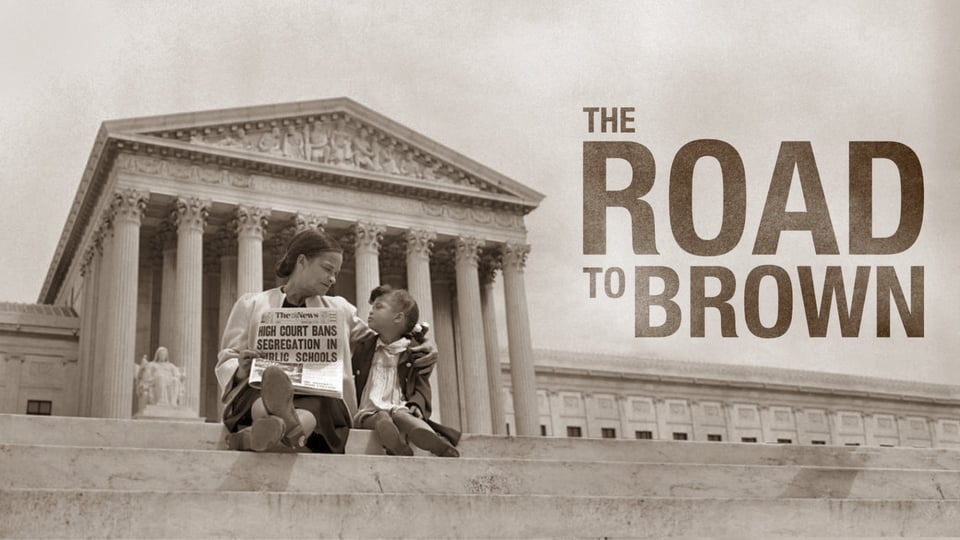
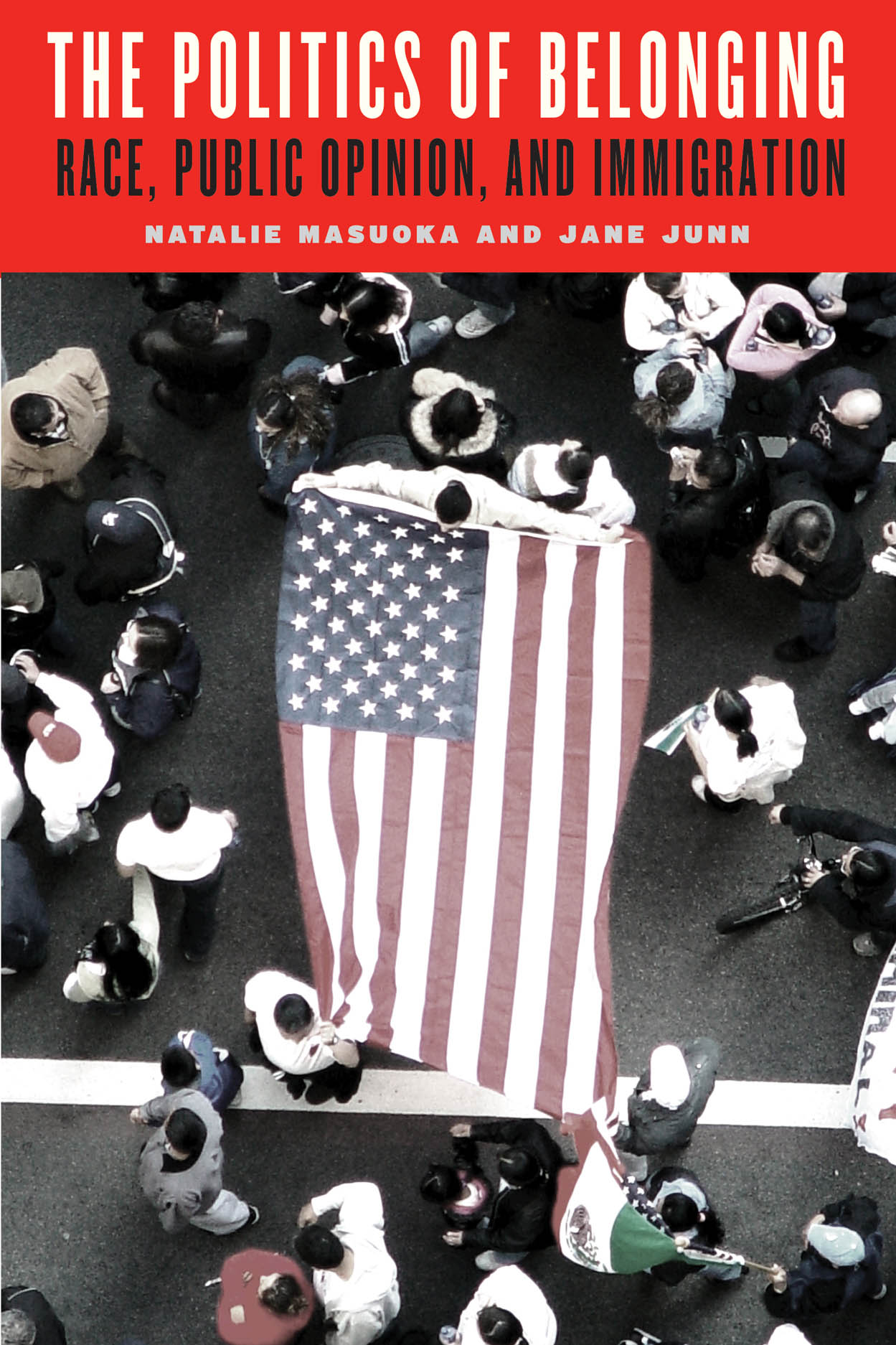
As you celebrate Independence Day and reflect on our freedoms, explore these or other books and resources that continue the conversation about our country, its history, and future.
- Narrative of the Life of Frederick Douglass: An American Slave, written by himself
- The Courage to be Free: Florida’s Blueprint for America’s Revival by Ron DeSantis
- The Road to Brown, a documentary film about the landmark Supreme Court decision, Brown vs. Board of Education, that desegregated schools and allowed minorities the freedom to attend any school of their choice.
Happy 4th of July and happy reading!
Brandon is a Customer Service Specialist at HCLS Central Branch who loves reading, football, and taking nice long walks around his neighborhood.


 CHAPTER CHATS