Top Ten Most Challenged Books

The banner reads, "Banned Books Week Oct. 5-11, 2025, Censorship is so 1984. Read for your Rights," with the word "censorship" crossed out in red.

The Top 10 Most Challenged Books of 2025 list is available now on the ALA website.

The American Library Association condemns censorship and works to defend each person’s right to read under the First Amendment and to ensure free access to information. Every year, ALA’s Office for Intellectual Freedom (OIF) compiles a list of the Top 10 Most Challenged Books in order to inform the public about censorship in libraries and schools. The lists are based on information from confidential reports filed by library professionals and community members, as well as news stories published throughout the United States.

Because many book challenges are not reported to the ALA or covered by the press, the data compiled by ALA represent only a snapshot of censorship attempts in libraries.

The 2024 data reported to ALA’s Office for Intellectual Freedom (OIF) shows that the majority of book censorship attempts are now originating from organized movements. Pressure groups and government entities that include elected officials, board members and administrators initiated 72% of demands to censor books in school and public libraries. Parents only accounted for 16% of demands to censor books, while 5% of challenges were brought by individual library users. The 120 titles most frequently targeted for censorship during 2024 are all identified on partisan book rating sites, which provide tools for activists to demand the censorship of library books.

The most common justifications for censorship provided by complainants were false claims of illegal obscenity for minors; inclusion of LGBTQIA+ characters or themes; and covering topics of race, racism, equity, and social justice.

Since 2021, ALA has tracked a sharp spike in censorship attempts in libraries. In 2024, ALA recorded the third highest number of book challenges since tracking began in 1990: ALA documented 821 attempts to censor library books and other materials in 2024 across all library types, a decrease from 2023, when a record high 1,247 attempts were reported. ALA recorded attempts to remove 2,452 unique titles in 2024, which significantly exceeds the average of 273 unique titles that were challenged annually during 2001–2020.

Looking for the most challenged books from previous years? Check out the Top 10 Most Challenged Books Archive for lists and data going back to 2001, as well as the 100 most challenged books of past decades.
Banned Books Week: Read for Your Rights

The banner reads, "Banned Books Week Oct. 5-11, 2025, Censorship is so 1984. Read for your Rights," with the word "censorship" crossed out in red.

by Sahana C.

This year’s Banned Books Week feels important. The weight of headlines, especially about libraries across the country facing cuts, having collections challenged, and seeing their communities divided, creates an opportunity to reflect on what we gain by taking our time with banned and challenged books.
The American Library Association’s 2025 theme is direct: “Censorship Is So 1984. Read for Your Rights.” It’s a bold reminder that the freedom to read is not just about what is on the shelves.

The reference to George Orwell’s 1984, an often-banned dystopian novel that depicts the role of censorship in rewriting history, speaks to the struggles that public libraries have faced recently. Our community values intellectual freedom, diversity of opinion, and freedom of expression, and the theme reminds us that speaking up is more urgent than ever. It’s said each year, but we’ve seen historic levels of book challenges, especially for books that center the voices of LGBTQ+ people, Black and Brown communities, and those navigating complex identities. Books are being pulled from shelves not because they’re harmful, but because they make some people uncomfortable. But that discomfort is often the beginning of growth – learning that “different” isn’t automatically “wrong.”

Public libraries were built on the radical idea that knowledge belongs to everyone. We’re not just warehouses of books; we’re places where curiosity is nurtured, differences are respected, and freedom is practiced daily. This Banned Books Week we invite you to stand with us. Borrow a banned book. Join a discussion. Ask questions. Speak up. Share your story. Remind your neighbors that free access to ideas is not a luxury – it’s the foundation of democracy.

In Orwell’s 1984, censorship is used to control truth and rewrite history. This Banned Books Week, we push back. We read boldly. We resist silence. We protect stories, especially the ones that are under threat of erasure.

Here’s a curated list of nonfiction titles that are frequently challenged.

Sahana is the Communications Strategist at HCLS. They enjoy adding books to their “want to read” list despite having a mountain of books waiting for them already.

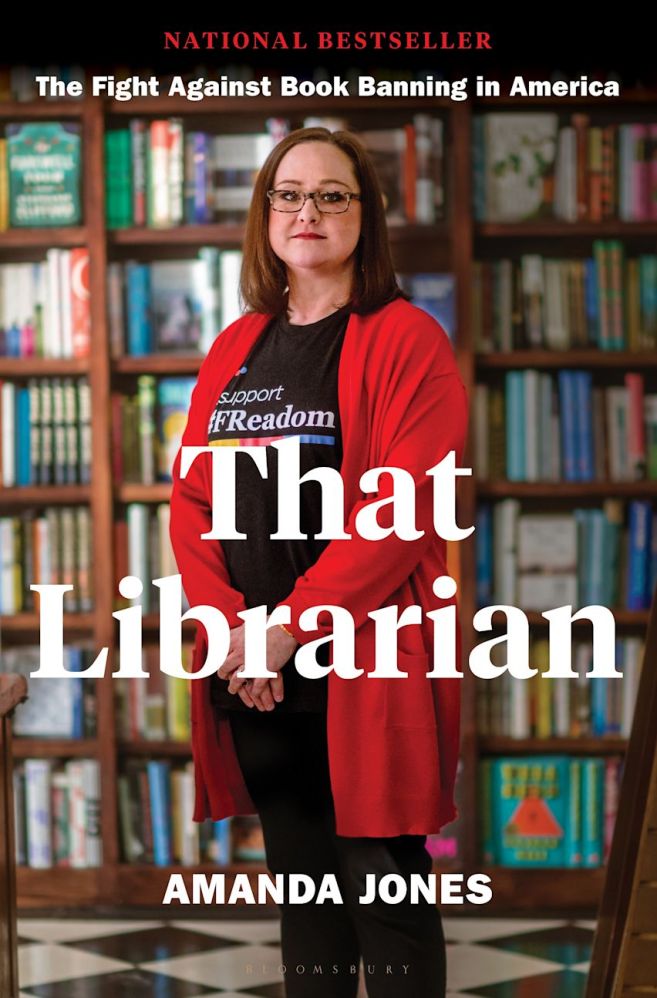
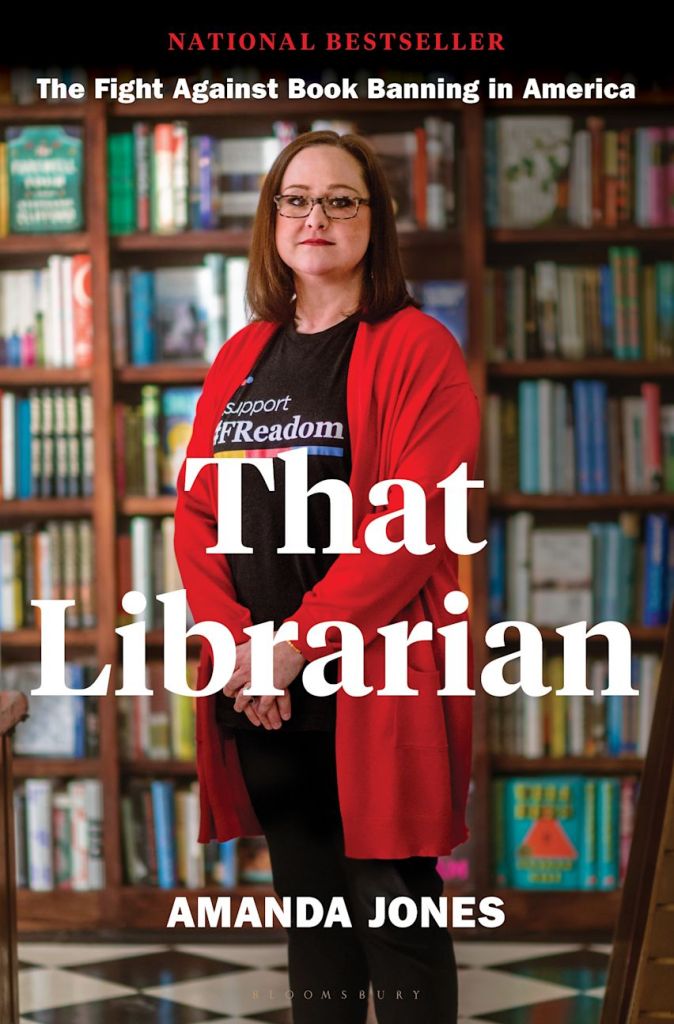
That Librarian: The Fight Against Book Banning in America by Amanda Jones

By Piyali C.

On July 19, 2022, educator and school librarian Amanda Jones spoke up against censorship at a Livingston Parish Library Board of Control meeting in Louisiana. Her speech focused on inclusivity, the freedom to read, and the importance of representation of diverse thoughts, beliefs, experiences, and community in a public library’s collection. Little did she know that her speech about her public library’s collection would result in a storm of bigotry, hatred, and vitriol against her, on a personal level. What followed can only be termed a nightmare. Members of nationalist, White Christian groups started bullying Amanda Jones mercilessly on social media, accusing her of grooming children and putting sexually graphic content in the hands of children.  

Jones writes about how she was affected: how the defamation took a toll on her health and her personal life, and how she found inner strength with the support and love of her family, friends, and wider community members locally and nationally. She rose above the fray of pettiness of the individuals who bullied her for her speech and her fight to preserve intellectual freedom. She fought her way through, stood up straight, and discovered her strengths and weaknesses in the process. She did not ask to be a hero, but she fought back, instead of backing down, when she was so wrongfully attacked by ultra-conservatives for defending everyone’s freedom to read. She made mistakes, but she eventually learned to respond with meticulous fact-gathering, background-checking and analyzing, and most importantly, with grace. All that she learned at library school about curating information came in handy in her campaign against ignorance and bigotry.

It was an excellent read, especially because I believe in everyone’s right to read whatever they want to with all my heart. Like Amanda Jones, I believe that representation matters. Kids, and everyone, deserve to see themselves in the materials they read. It is the responsibility of parents to monitor what their child is reading, not the library’s. There is a due process in place to ask a library to reconsider any material in the collection, and customers should avail themselves of that if they want to request libraries to remove materials – but one individual (or a group of them) who does not agree with the content should not take priority over the need for representation.

My only criticism of this book is not its message but that some ideas were repetitive. It seemed like some of the chapters were written as essays and the same idea was repeated, and the repetition took the edge off the author’s important message. I would rather have the message of intellectual freedom being reiterated than not. 

That Librarian: The Fight Against Book Banning in America by Amanda Jones is available from Howard County Library System in print, large print, and e-book formats.

Piyali is an instructor and research specialist at HCLS Miller Branch, where she facilitates two book discussion groups: Light But Not Fluffy and Global Reads. She keeps the hope alive that someday she will reach the bottom of her to-read list.

Banned Books Week: Sep 22 – 28

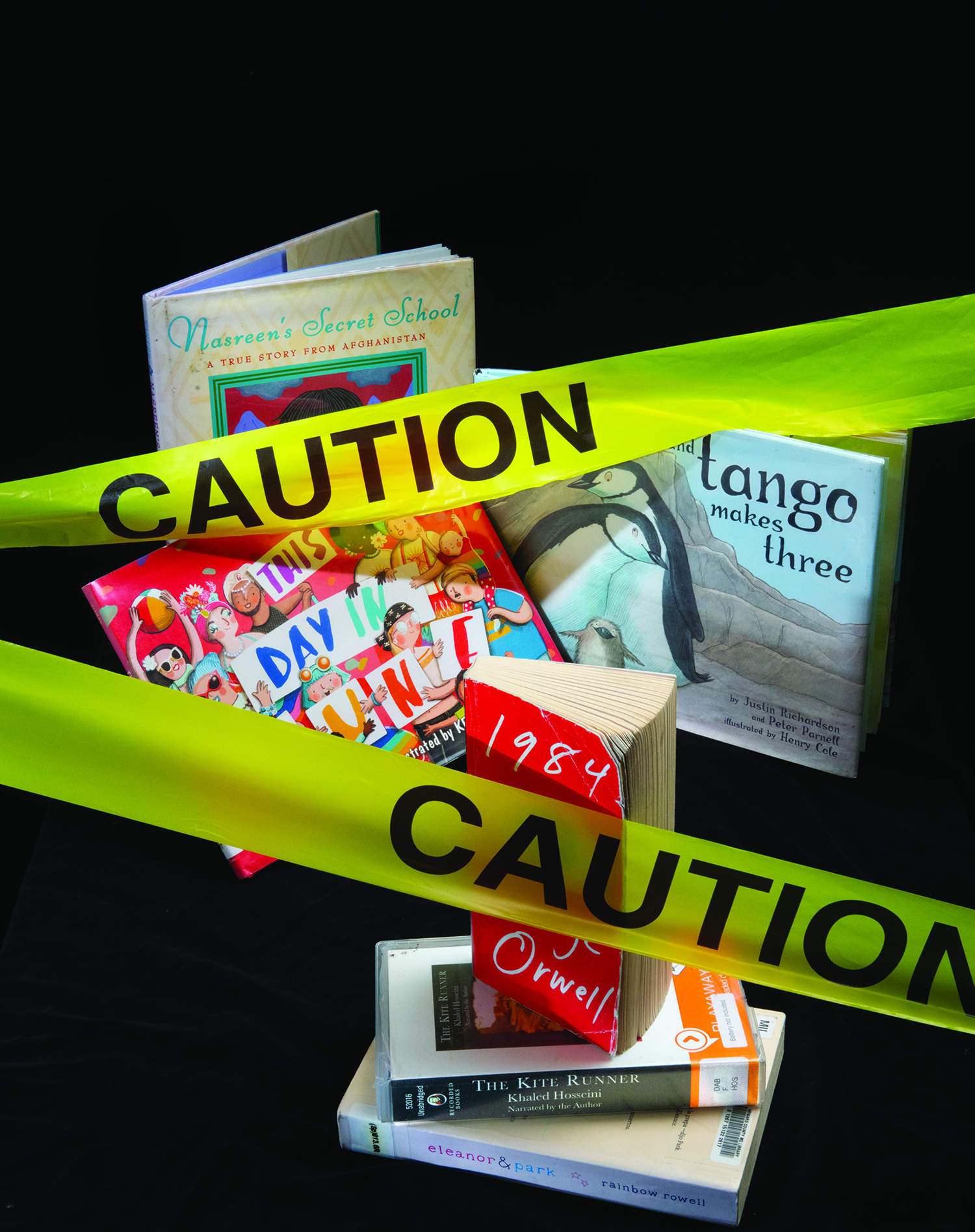
Yellow caution tape stretches across an arrangement of books, all of which are perennially on the challenged book list. They include 1984 by George Orwell, The Kite Runner by Khaled Hosseini, and Tango Makes Three.

by Sahana C.

Howard County Library System is your place to learn, grow, and connect. As a library, one of the best ways we know to bolster learning, to encourage growth, and to promote connection happens through books. It’s why we have such a vast range of topics, themes, identities, and authors represented in our collection. It’s why we have so many different book clubs across all our branches, and so many ways to access them. It’s why you’ll see the On the Road to Kindergarten van in your neighborhood and at schools with books to borrow. While the library is not just about books (we’re proud of all our resources and collections), our books are a large part of what brings us closer to our community.

In recent years, the challenges and objections to different titles in libraries across the country have made major headlines, including the state of Maryland. We now live in a state with a Freedom to Read Act, which asserts intellectual freedom as lawful and denounces censorship plainly, which is not the case nationally. To highlight stories that are challenged or censored, the American Library Association (ALA) celebrates Banned Books Week each year. Banned Books Week started in 1982 as a response to book challenges and has turned into a national celebration of literature.

To celebrate Banned Books Week this year, visit your local library branch and check out the displays and resources about different titles that have been challenged. And, for even more immersion, hop online each day of Banned Books Week at noon for our virtual Banned Books Read-a-thon. With a new title each day, we will discuss a work that has been banned or challenged in some form, and read an excerpt of the text.

The ALA’s theme for Banned Books Week 2024 is “Freed Between the Lines,” and it asks readers everywhere to consider the ways that books can help us explore new ideas, understand the world around us, and find freedom. It encourages us to delve deeper and be unafraid to be creative with our understandings of the books we read.

Banned Books Week Read-A-Thon
For adults. Register to receive the link.
Learn about the history and significance of Banned Books Week, then listen to a reading from a frequently challenged book. You can join every day or just for the ones that interest you.
Mon- Fri | 12 – 1 pm | online
Mon, Sep 23
1984 by George Orwell

Tue, Sep 24
Eleanor & Park by Rainbow Rowell

Wed, Sep 25
Looking for Alaska by John Green

Thu, Sep 26
The Kite Runner by Khaled Hosseini

Fri, Sep 27: Children’s picture books
Nasreen’s Secret School: A True Story from Afghanistan and The Librarian of Basra: A True Story from Iraq, written and illustrated by Jeanette Winter.
This Day in June, written by Gayle E. Pitman and illustrated by Kristyna Litten.
And Tango Makes Three, written by Justin Richardson and Peter Parnell and illustrated by Henry Cole.

Sahana is an Instructor and Research Specialist at HCLS Savage Branch. They enjoy adding books to their “want to read” list despite having a mountain of books waiting for them already.

Your Freedom to Read

Multicolored big chrysanthemum fireworks against a black sky.

by Brandon B.

The Fourth of July holiday commemorates the signing of the Declaration of Independence, which proclaimed our intent to form a new nation. Life, Liberty, and the Pursuit of Happiness has always been the fabric of the American dream. Celebrate Independence Day with a parade, spend time with friends and family, enjoy a delicious hot dog or burger from the grill, and sip on an ice-cold snowball. Conclude the night with spectacular fireworks, with all the sparkling colors on display, all in celebration of the many freedoms of our country.

When we fought for and won our independence, our Founding Fathers enshrined important guarantees in the Constitution’s Bill of Rights. First among them, the freedom of press, speech, and assembly. On April 25, 2024, Governor Wes Moore signed the Maryland Freedom to Read Act into law. This new law requires all libraries to adopt a collection development policy that complies with State standards to qualify for funding. What does that mean? Libraries cannot exclude materials from their collection or remove them based on partisan or doctrinal disapproval, or because of the origin, background, or views of the person who created the material. The Act also protects library staff by prohibiting governing bodies from retaliating against employees who act in a manner consistent with the State standards, which will be developed by the State Library.

The Freedom to Read Act reaffirms the constitutional principle that library materials, services, and resources should be provided for the interest, information, and enlightenment of all persons the library serves. Why was this needed? According to the American Library Association, a record 4,240 unique book titles were targeted for censorship in 2023, a 65 percent increase over the 2,571 unique titles targeted in 2022 and a staggering 128 percent increase over 2021 numbers. In Maryland, 148 titles were challenged — making it one of 17 states to exceed 100. Forty-seven percent of the nationally-targeted books were titles representing the voices and lived experiences of LGBTQIA+ and BIPOC individuals.

No individual’s interests and beliefs should dictate what the community has access to. Libraries have always been and continue to be committed to the First Amendment and to providing collections and events that represent differing views. We welcome everyone as they explore their interests without judgment or fear of reprisal.

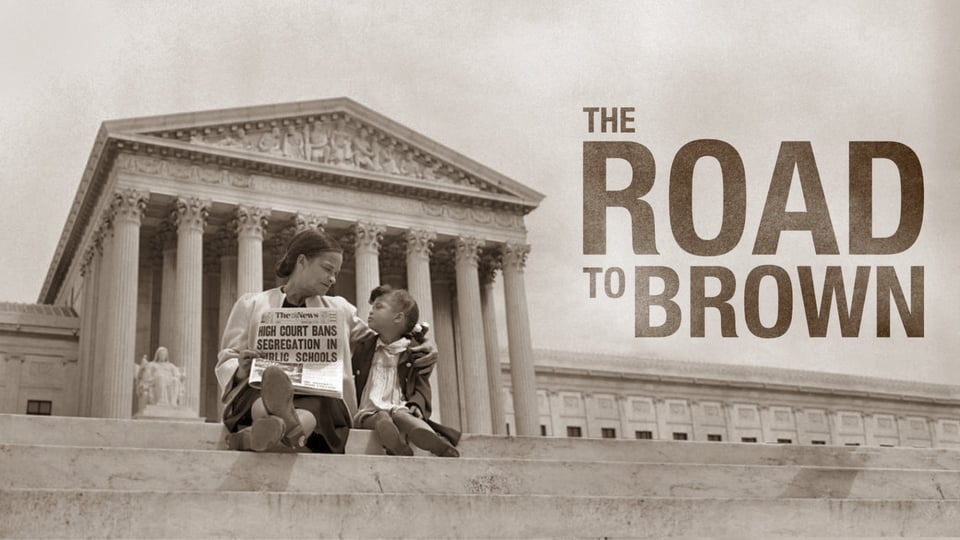
A sepia toned photograph of the Supreme Court building, with a Black woman and child sitting on the steps holding a newspaper, "High

As you celebrate Independence Day and reflect on our freedoms, explore these or other books and resources that continue the conversation about our country, its history, and future.

Happy 4th of July and happy reading!

Brandon is a Customer Service Specialist at HCLS Central Branch who loves reading, football, and taking nice long walks around his neighborhood.

Celebrate Banned Books Week: September 18 – 24

The banner image depicts a rainbow-colored series of birds launching into flight against a backdrop of open books.

by Sahana C.

Banned Books Week is a party. We celebrate our unfettered access to whichever books we choose.

The national theme of Banned Books Week stands firm in its message against censorship. When it began in 1982, Banned Books Week was not a protest, but a reaction to an increasing number of book challenges. Banned Books Week is a space away from the intensity of media speculation and divisive press coverage.

The picture depicts the places where book challenges take place: school libraries, public libraries, schools, and academic/other. In the upper right hand corner is a graphic of rainbow-colored birds launching into flight, and the entire background is a faint depiction of open books.

The American Library Association’s Office of Intellectual Freedom tracked almost 1,600 books that were challenged in 2021 alone, but Banned Books Week is not when those challenges are contested. It is, in the words of the official website, a time for, “shared support of the freedom to seek and to express ideas, even those some consider unorthodox or unpopular.”

The ALA is one of the loudest proponents of this effort as it supports the declaration from libraries to wholly commit to combat disinformation, promote the perspectives of historically excluded groups, and increase access to information. This is the mandate of public libraries, written into the mission statement of Howard County Library System: “We deliver high-quality public education for all.”

It is our responsibility to provide access to materials that encourage conversation and provoke thought; every addition to our collection is a choice, and decisions are never neutral. HCLS continues this practice with its Brave Voices, Brave Choices initiative. We have committed to not hiding hard conversations from our community. Discussions about appropriateness usually center the idea of balance, meaning we amplify the voices of people from historically excluded, marginalized, and unheard communities. Libraries cannot be neutral in this effort toward radical inclusion.

The picture is a rainbow-colored infographic of words and phrases cited in 2021 censorship reports as reasons for book challenges. In the upper right corner is a graphic of rainbow-colored birds launching into flight, and the entire background is a faint depiction of open books.

Kelvin Watson, director of libraries in Broward County, Florida, put it well: “Claiming neutrality endangers us as an institution by resulting in an unconscious adoption of the values of the dominant political model and framework… (w)e cannot be neutral on social and political issues that impact our customers because…these social and political issues impact us as well.” While a policy of neutrality appears to be equal, it is not equitable – it does not allow for different facets of our community to see themselves represented meaningfully, without stereotype, by people who share their life experiences.

We, as a library, stand to protect the brave voices who write, publish, and lead us into a more equitable future. We, in turn, make the brave choice to stand against the idea that we can be neutral in the battle against misinformation. The library is a steward of knowledge, led for and by the community it serves.

So, join the party! Everyone’s invited.

Sahana is an Instructor and Research Specialist at the Savage Branch. She enjoys adding books to her “want to read” list despite having a mountain of books waiting for her already.

It’s Banned Books Week

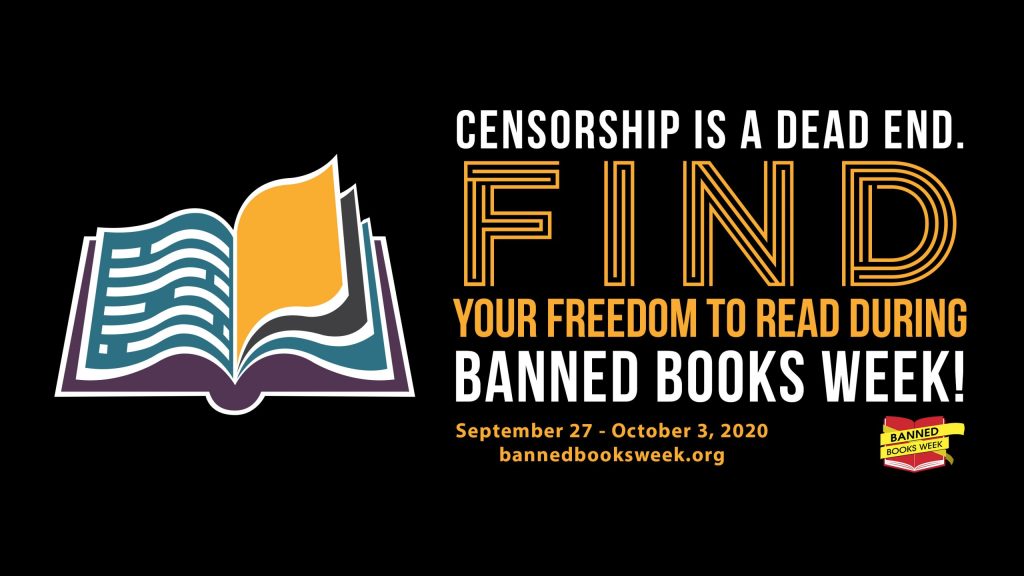
The picture shows a multicolored open book with the description, "Censorship is a Dead End. Find your freedom to read during Banned Books Week! September 27 - October 3, 2020 bannedbooksweek.org

by Julie F.

“The novel, the story. the poem, are still subjected to a paradox with a long history: Fighting the written word acknowledges its power” (53). – from Freedom of Speech: Mightier Than the Sword by David K. Shipler

It’s easy to think of Banned Books in terms of the classics, many of which are read in high school and challenged at that level: Beloved, The Adventures of Huckleberry Finn, and Slaughterhouse-Five are three that spring to mind even before I look at a list. In fact, you can even listen here to Benedict Cumberbatch reading Kurt Vonnegut’s famous letter to the Drake County School Board after they banned and burned his masterpiece. Sherlock Holmes himself in support of our First Amendment!

But Banned Books Week involves so much more than the classics, and organizations like the American Library Association, PEN America, and the National Coalition Against Censorship are continually working “to promote freedom of thought, inquiry and expression and oppose censorship in all its forms” (from the mission statement on the NCAC website).

What other forms, you might ask? Award-winning musicals and plays, from Sweeney Todd to Shakespeare’s own Twelfth Night, have been censored and banned in recent years. The Defender Database of the Dramatists Legal Defense Fund has a comprehensive list of theatrical challenges and bans nationwide, and works “to educate everyone about the subjective and transient standards that have been employed by censor[s].”

Another form of censorship you may not have considered is the banning of books in prisons and jails, which is often arbitrary, with no efficient review mechanisms and no independent oversight outside of the prison system. PEN America has also found that literature about topics including race and civil rights is disproportionally subject to banning; you can read about their findings here and learn more about their Literature Locked Up initiative.

The American Library Association’s Office of Intellectual Freedom provides a continually updated list of resources for those interested in crucial First Amendment issues. To begin, I would suggest reading the Library Bill of Rights and the ALA’s Freedom to Read statement, both of which advocate for our nation to trust individual citizens – not government censors – to make their own best decisions about reading, expression, and the free and open exchange of ideas. After all, as Justice John Marshall Harlan famously wrote for the court in Paul Robert Cohen v. California in 1971, “One man’s vulgarity is another’s lyric.”

Julie is an instructor and research specialist at HCLS Miller Branch. She loves gardening, reading, journalism, and all kinds of music.