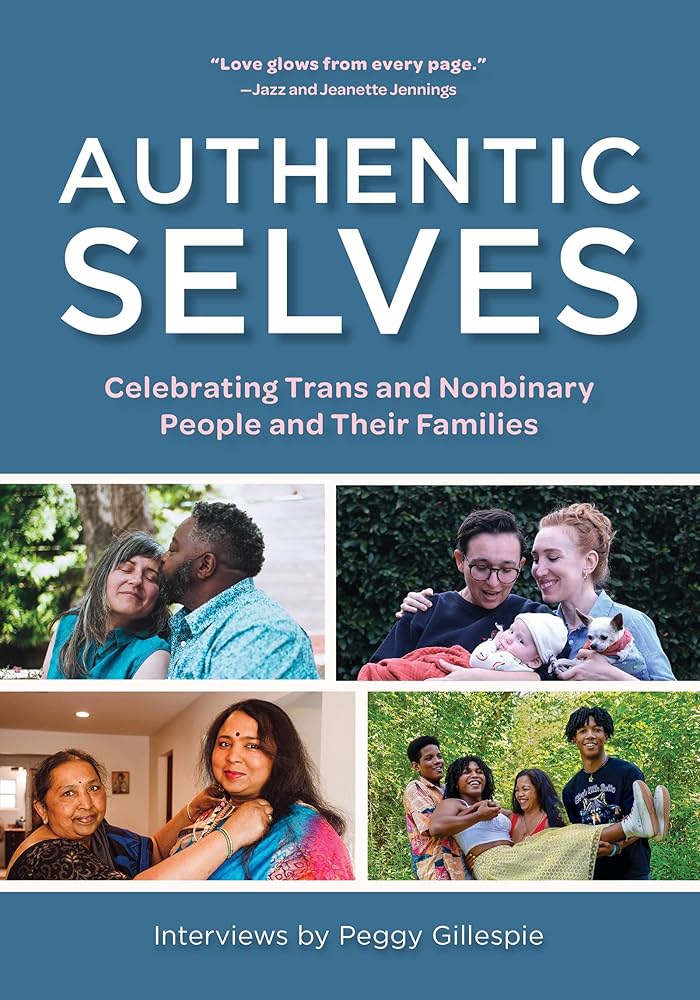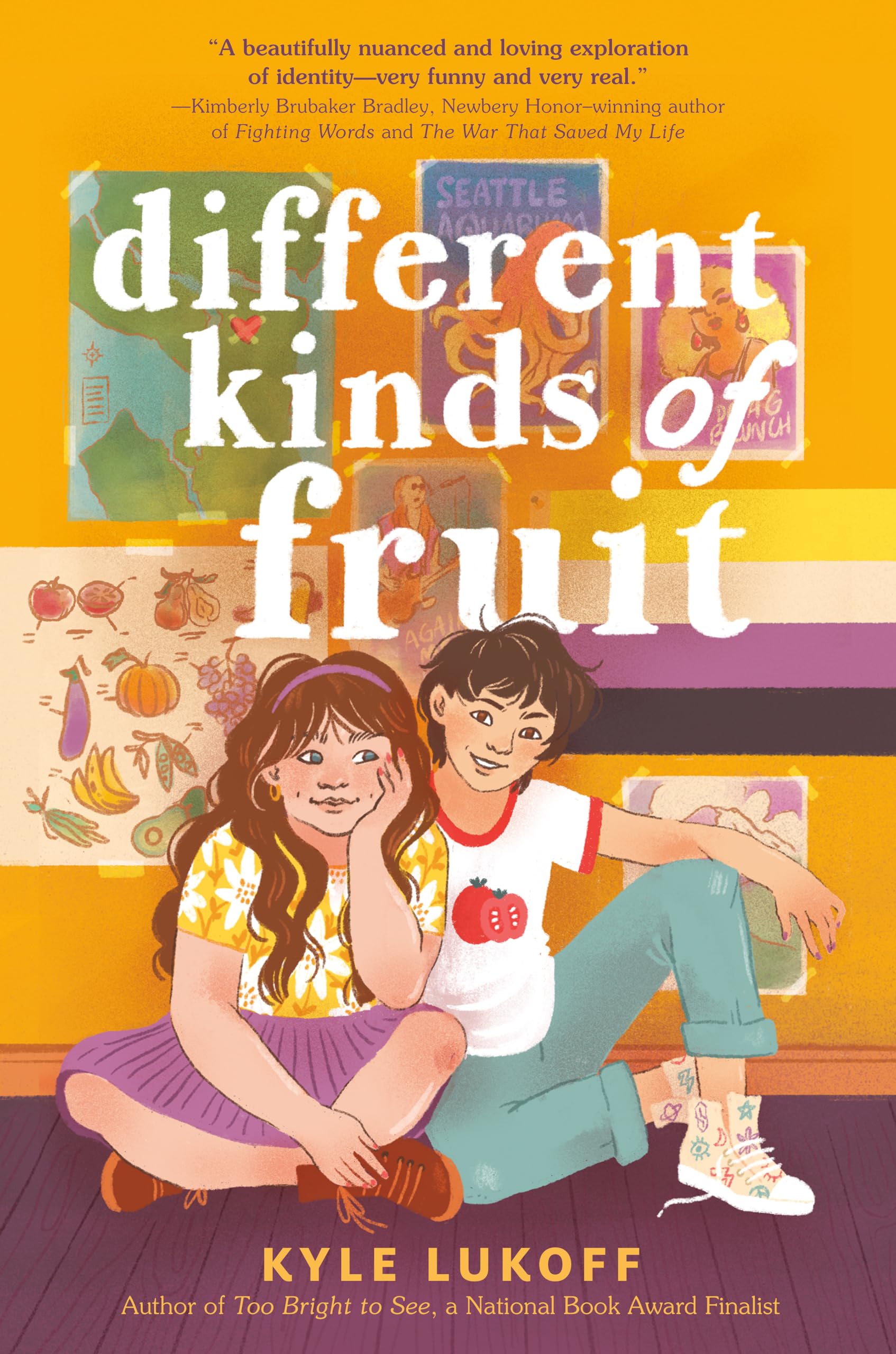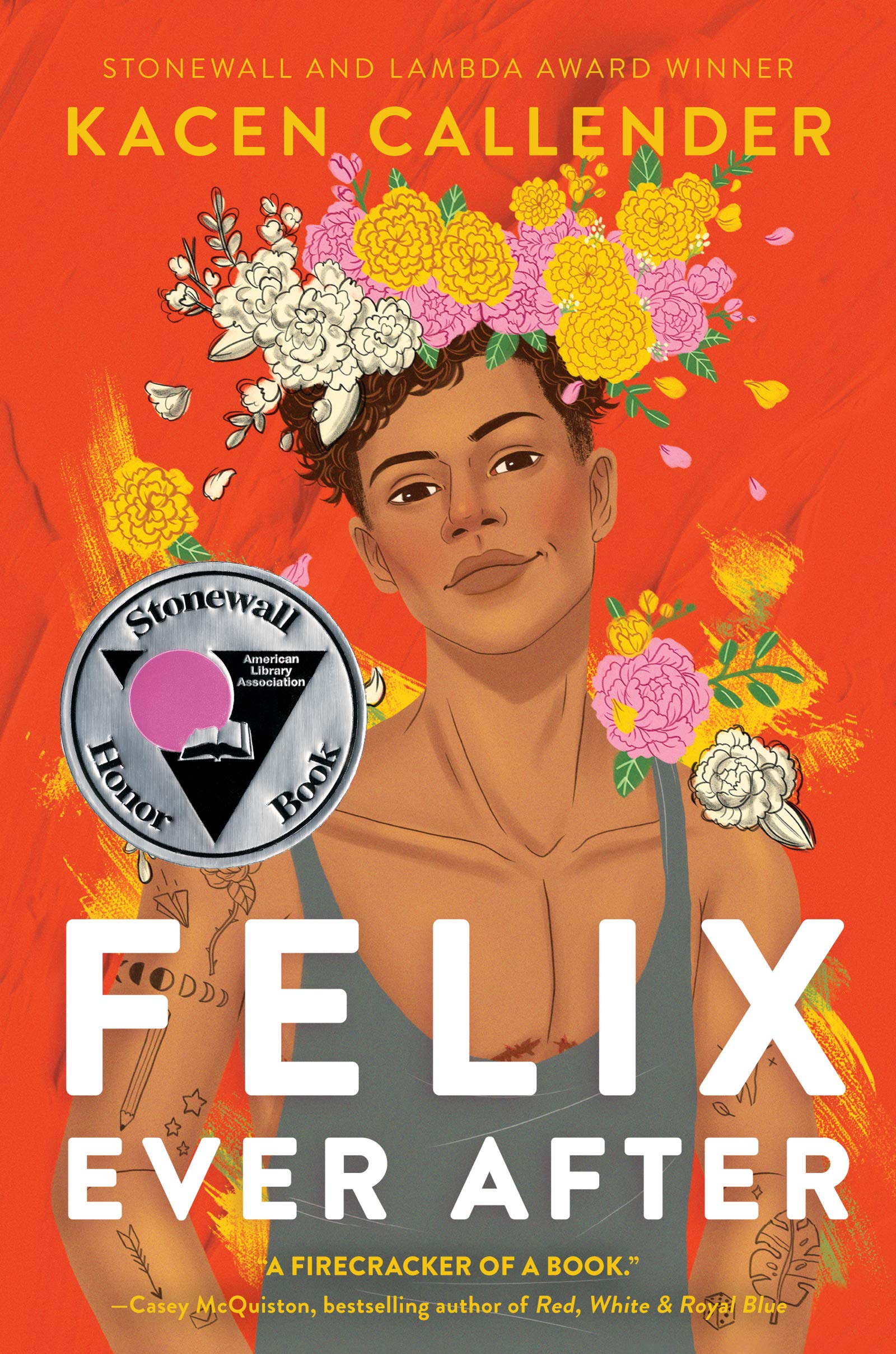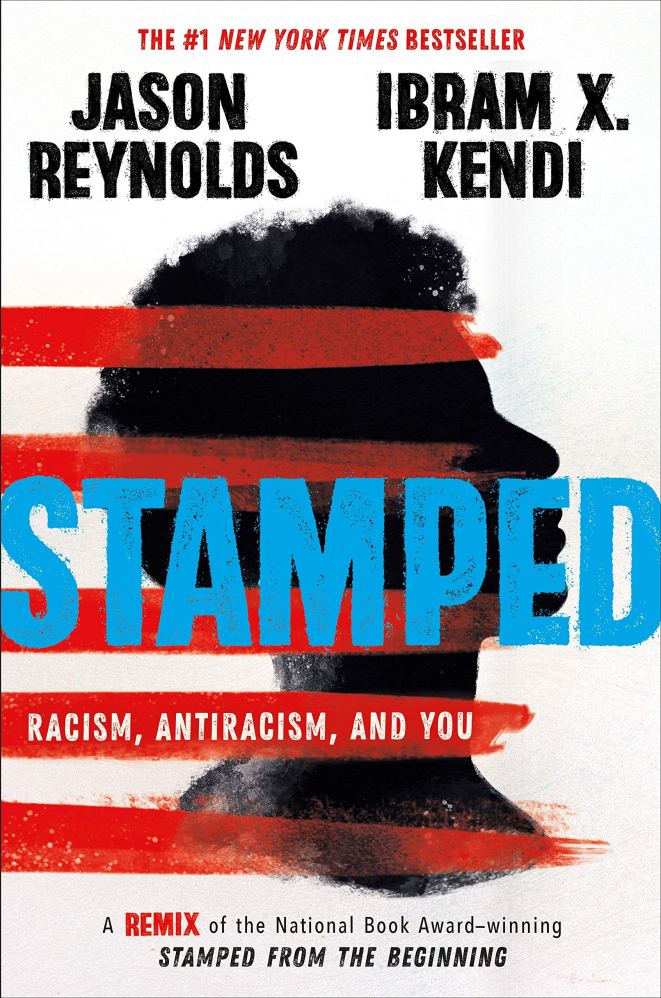
Reading List for Trans Visibility

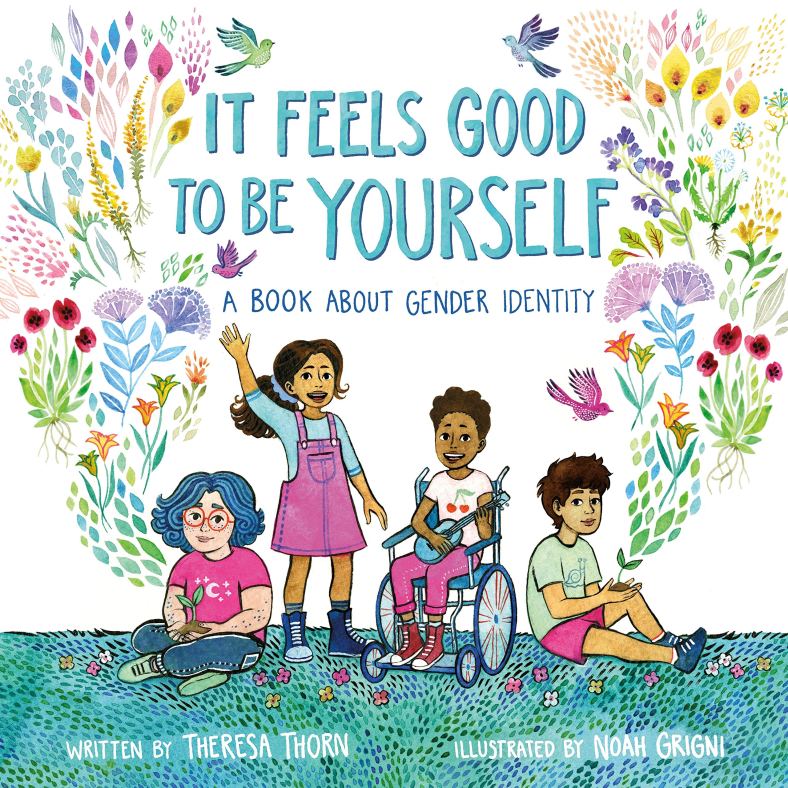
A colorful illustrated cover shows many children framed by sprays of flowers, with the title above them.

By Ash B.

Since 2009, March 31 has been recognized internationally as Transgender Day of Visibility. Created by trans community member Rachel Crandall-Crocker, the day is meant to spark hope and spread awareness of trans lives, especially through trans joy. 

General awareness of trans-ness has increased in the past 15 years; however, visibility does not always mean progress. Over the past three years, Americans (across all political parties) have grown less supportive of policies that support trans people (ex. protection against job and housing discrimination) and more supportive of policies that cause harm and restrict trans rights, particularly relating to athletics, restrooms, and healthcare (Pew Research).

The majority of Americans, particularly those aged 50+, report they do not personally know a transgender person. Perhaps that’s why the trans community has become such an easy target for disinformation and scapegoating. If a sizeable majority of the population personally knew trans and nonbinary people – truly knew us, as peers and coworkers and friends, as humans trying to live our lives as best we can – then perhaps we would be guaranteed more safety and bodily autonomy.

In the spirit of trans joy, all are invited to celebrate the trans community at the following events: 

This Friday (Mar 28), join HCLS for a free Trans Day of Visibility celebration hosted by the Howard County LGBTQIA+ Commission, in partnership with the Office of Human Rights and Equity. The event takes place at the Elkridge 50+ Center from 4 – 7:30 pm with read-alouds, arts and crafts, games, and a dance party. More info here. 

On Monday, March 31, 10 am – 12 pm & 3 – 5 pm, join us at Central Branch to make buttons, zines, collages, and vision boards. From 4 – 5 pm, a representative from Community Allies of Rainbow Youth (CARY) shares resources and answers questions.

Below is a robust roundup of titles from our collection, most of them authored by trans people. Regardless of your gender identity and personal background, there’s something here for everyone; I hope you check one out and learn something new! 

Trans 101 Information

Anthologies to Better Understand Transgender Experiences

Trans History

If You’re a Parent (whether or not you currently have a trans child) 

Inclusive Picture Books

Middle Grade Fiction

Young adult novels & graphic novels

Adult Fiction

Need more book recommendations? Feel free to contact us, and if we don’t own a title you’re looking for, you can Suggest an Addition to the Collection.

For more resources and organizations to connect with, here are the resource lists from Community Allies of Rainbow Youth and PFLAG Howard County.

Ash is an Instructor and Research Specialist at HCLS Central Branch with a passion for information literacy and community engagement. They love music, gardening, hiking, and cuddling with their golden retriever.

Women Poets

The top half of the cover is white with Mary Oliver in blue, and the bottom half is ochre with A Poetry Handbook in white.

by Sahana C.

March’s Women’s History Month and April’s National Poetry Month offer the perfect chance to celebrate some remarkable women poets in our collection. Across generations, their voices have turned shared experiences into art at all levels, teaching us about love, identity, resilience, and nature. Here are a few notable names whose works you should check out:

Emily Dickinson must be included in any list about women poets. She wrote with an intensity and originality that set her apart in 19th-century American literature. Her compact, untitled poems challenge conventions, exploring themes of death, nature, and the self with wit and depth.

Maya Angelou, a powerhouse of literature and activism, weaves autobiography and poetry to speak of struggle and triumph. Her groundbreaking poem “Still I Rise” affirms the resilience of the human spirit and is a testament to hope despite all odds.

Joy Harjo was the first Native American U.S. Poet Laureate, and her work reflects that identity. Her poems often blend moments from her heritage and upbringing with vivid musicality. Her anthology, Living Nations, Living Words brings many Native poets to the forefront and connects past injustices to present resilience.

Mary Oliver is a consummate naturalist. Her poetry, though deceptively simple in form, encourages readers to reflect on nature’s quiet wisdom and the profound lessons it offers. These are the perfect poems to meditate on, mull over, and chew on. Oliver is also the author of one of the seminal handbooks about reading and writing poetry, A Poetry Handbook.

A bright yellow cover shows fancy scrolls in red framing the title, The Hill We Climb, which is in blue.

Rupi Kaur is the most contemporary by far on this list but she deserves a mention for her contemporary style, which has redefined poetry for a digital age. With poignant reflections on love, trauma, and healing, Kaur connects with a new generation of readers through her evocative, minimalist verse.

Amanda Gorman, the first National Youth Poet Laureate, brings her background, her activism, and her fire to her poetry. She was first put on the map with her poem “The Hill We Climb,” which is a testament to community, togetherness, and solidarity.

Ada Limón, the current U.S. Poet Laureate, captures the beauty and complexity of everyday life. Her work is both profound and accessible, imbued with a rich emotional resonance.

Celebrate these poets by exploring their works, available in our collection. Let their words inspire you this spring!

Family Story and Craft: Poet-Tree
Families, ages 6+. Ticket required.
Celebrate National Poetry Month by listening to some poetry and creating a Poet-Tree craft.
Tue, Apr 29 at 6:30 – 7 pm
HCLS Miller Branch

Bauder Book Talk with Jason Reynolds

Author Jason Reynolds is dressed all in black, sits with his head propped in his hand.

Wed, Nov 6 | 4 – 6 pm
HCLS East Columbia Branch
Ages 11 – 18
Registration reopens Monday, October 28 at 7 pm, when more seats become available.
Books available for purchase and signing.

Mark your calendars to reserve a seat at this unforgettable event with Jason Reynolds, bestselling author of Long Way Down and Stamped. Jason speaks about his journey as a writer and engages in a live Q&A moderated by local teens.

Reynolds received a MacArthur Foundation Grant in 2024.
From his Foundation page:
Jason Reynolds writes children’s and young adult literature that reflects the rich inner lives of kids of color and offers profound moments of human connection. With a poet’s ear for rhythm and a storyteller’s sense of narrative pacing and structure, Reynolds weaves humor, joy, and playfulness into his works. At the same time, he does not shy away from depicting the challenging realities of racism, economic inequity, police brutality, and grief for his young readers.

He is a dynamic champion of storytelling who inspires reluctant readers and the adults who teach and care for them. He travels the nation to connect with kids at their level and remind them that their personal narratives hold important truths, that they are worthy of appearing on the pages of the books we all read. An inventive author and captivating speaker, Reynolds ensures that kids see themselves in literature and empowers them to tell their own stories.

Bauder Book Talks is made possible by a generous gift from Dr. Lillian Bauder, a community leader and Columbia resident. Howard County Library System presents this annual endowed author event, for under-served students in grades 6-8 attending public schools in Columbia with high percentages of African American and BIPOC (Black, Indigenous, People of Color) students. Authors and titles selected are high-interest and high-quality on topics of social issues, equity, and related matters. Student participants have the opportunity to hear from and engage the author and receive a copy of the author’s book. The event honors the memory of Don Bauder, late husband of Dr. Lillian Bauder and a champion of civil rights and social justice causes.

Bauder Lecture Series with Elizabeth Acevedo

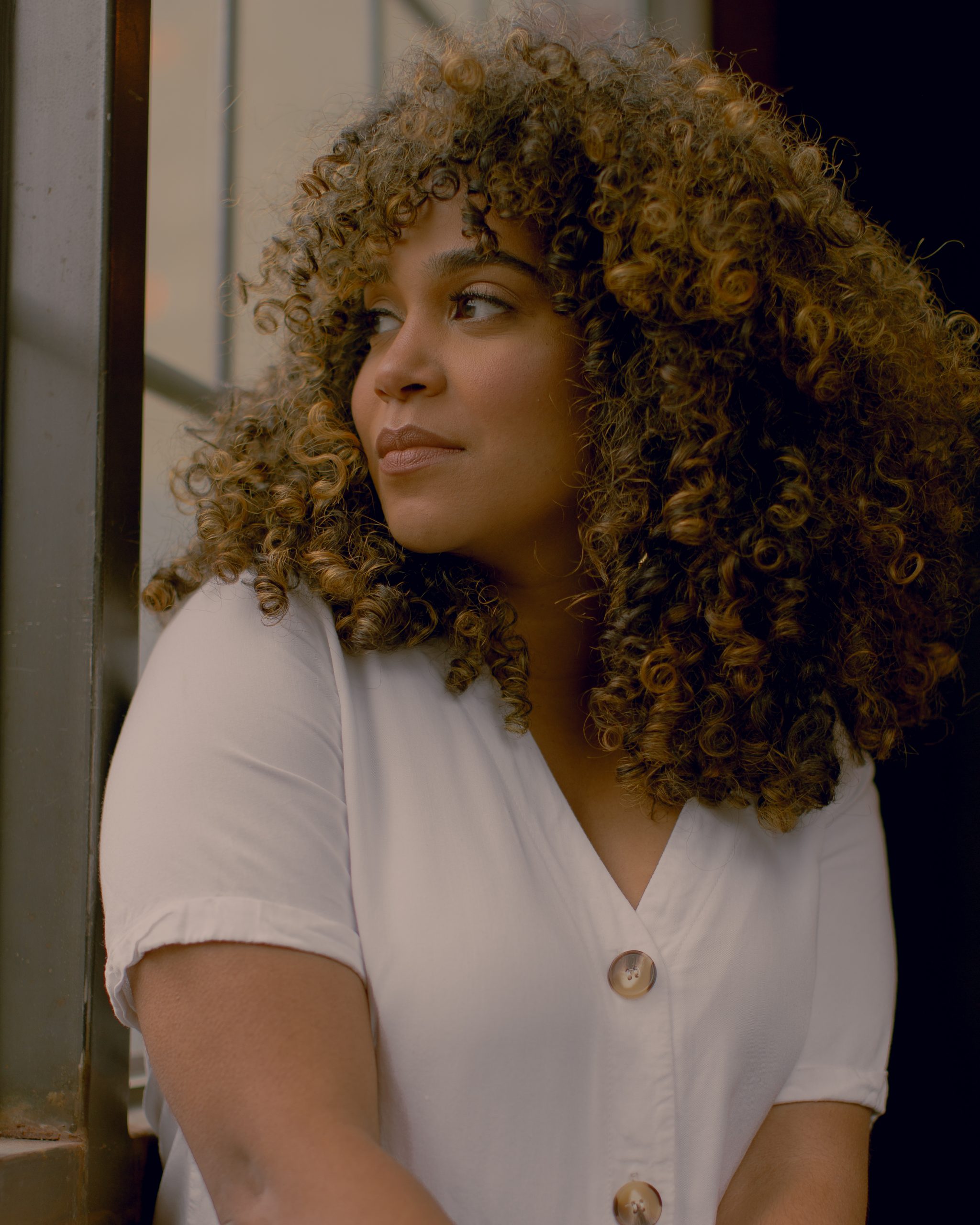
The author, dressed in a v-neck white top with her curly hair loose, looks over her right shoulder out a window.

Thursday, September 19
6 – 7 pm
Monteabaro Recital Hall, Howard Community College
For teens and adults.
Registration and information.

National Book Award for Young People’s Literature winner Elizabeth Acevedo is the guest author for the 2024 Bauder Lecture, which is a free event. Acevedo is The New York Times-bestselling author of The Poet X, which also won the Michael L. Printz Award, the Pura Belpré Award, the Carnegie Medal, the Boston Globe–Horn Book Award, and the Walter Award.

The colorfully illustrated cover shows two girls faces, with the black silhouettes of two planes nose-to-nose between them.

Clap When You Land, a novel-in-verse, brims with grief and love, as Acevedo writes about the devastation of loss, the difficulty of forgiveness, and the bittersweet bonds that shape our lives. It was selected as the Howard County Book Connection title, in partnership with Howard Community College, Howard County Poetry and Literature Society, and Howard County Library System.

From Publisher’s Weekly:
At nearly 17, Camino Rios lives in the Dominican Republic with her aunt, where she dreams of attending medical school at Columbia University, near her father, whom she only sees for a few months each year. Skilled chess player Yahaira Rios, 16, lives with her Dominican parents in New York City, next door to her girlfriend, Dre. When Yahaira’s father leaves for his annual summer trip to the D.R., the plane crashes, leaving no survivors and upending the lives of Yahaira and his other daughter, Camino. In the months following the crash, the girls, previously unknown to each other, discover their sisterhood—and their father’s double life—and must come to terms with difficult truths about their parents. Returning to verse, Acevedo subtly, skillfully uses language and rhythm to give voice to the sisters’ grief, anger, and uncertainty; Camino’s introspective openness; and Yahaira’s tendency toward order and leadership. Raw and emotional, Acevedo’s exploration of loss packs an effective double punch, unraveling the aftermath of losing a parent alongside the realities of familial inheritance.

The Bauder Lecture by Howard Community College is made possible by a generous grant from Dr. Lillian Bauder, a community leader and Columbia resident.

Also by the author:

With the Fire on High by Elizabeth Acevedo

From The Poet X author, Elizabeth Acevedo presents a story about 17-year-old Emoni Santiago, Puerto Rican-raised in Philly. She’s a high school senior figuring out her next move in life. In ninth grade she got pregnant and had her daughter Emma and together she and her baby’s father are figuring out what it means to co-parent with the support of his parents and her Abuela with whom she lives.

Emoni loves to cook and wants to be a chef in her own restaurant someday. When she gets involved in a culinary arts class whose end-of-year field trip is an apprenticeship trip to Spain will she dazzle or disappoint? And when things heat up between her and her classmate Malachi, will she allow herself to find love that is real? With family drama, romance and the value of friendship, Acevedo presents a book you will find savoring to the very last bite. 

Reviewed by Carmen J.

Carmen J. is a teen instructor at HCLS East Columbia Branch. Among her favorite things are great books, all things 80s, shamelessly watching The Bachelor, gardening, and drinking anything that tastes like coffee.

Ancient History, Modern Tradition

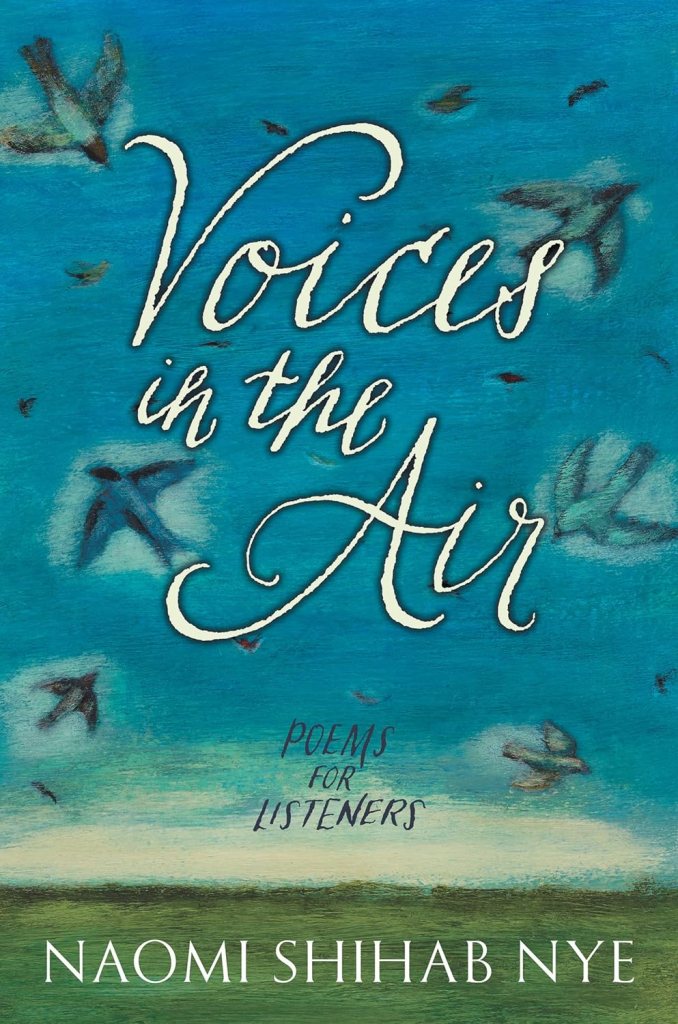
The book cover shows a number of birds that resemble swallows flying and swooping against a blue sky, with clouds in the distant background, low to the ground, and a grassy green landscape at the bottom.

by Sahana C.

I’m not a high school English teacher, so I rarely have an audience that will listen to me lecture about poetic tradition, but April is National Poetry Month, so there’s no better time to try. What if you pick up a book of poetry?

“Which one?” you ask me, as I thought you might.

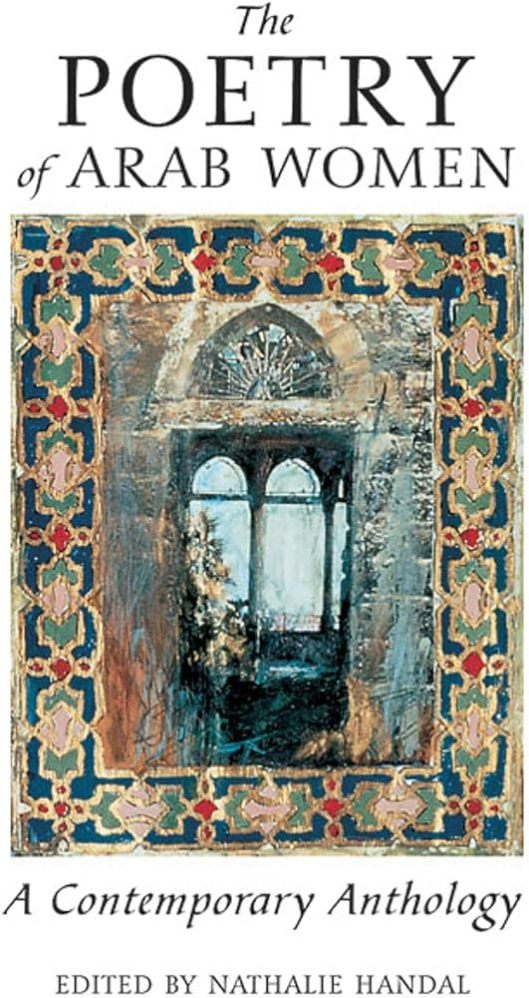
The book cover shows a view through arched window panes of a tree with white blossoms and a blue sky. The wall surrounding the window is constructed of brick and stone and is surrounded by a colorful geometric border in blue, green, and red.

Great question. Did you know that April also happens to be National Arab American Heritage Month?
One of the earliest forms of Arabic literature was poetry, but the oral tradition of Arabic poetry extends far beyond that. Flow, expression, and verbiage are singular in Arabic and the language was chosen by UNESCO as “the language of Poetry and Arts.” It only feels appropriate, then, to celebrate National Arab American Heritage Month alongside National Poetry Month. To highlight the perfect modern continuation of the ancient history, here are some Arab and Arab American poets to get you started:

  • Naomi Shihab Nye is the first Arab American Young People’s Poet Laureate and has several books for teens and children in our collection.
  • The Poetry of Arab Women: A Contemporary Anthology is deeply evocative, tying together the heritage mentioned above and making it accessible in the West, blending established poets and emerging voices.
  • Mahmoud Darwish is a prolific author, world-renowned for his lyrical work and vivid imagery.
  • Charif Shanahan wrote Trace Evidence about intersectional Arab American themes, a sense of place, queerness, and intimacy with oneself and one’s heritage.
  • Written by a wide variety of authors, This Is Not a Border: Reportage & Reflection from the Palestine Festival of Literature contains poems and essays reflected on PalFest and the power of culture.
  • Salim Barakat’s Come, Take a Gentle Stab is a compilation of Barakat’s most lauded work, and is translated to English from Arabic, drawing attention to the power of testing the limits of language.
  • Finally, one of the most celebrated Arab American authors, Etel Adnan’s work, Sea and Fog, cannot be omitted from this list; it’s a tour de force about individualism, place, and interconnectedness.
The abstract book cover, in shades of dark blue, turquoise, and grey, is painted in thick brushstrokes that could represent the ocean and/or bodies of land with a grey foggy sky in the background.

Check out the works above from your closest branch or online, and try poetry this month – there’s a reason poetry has such an ancient history, and it still hasn’t gone away.

Sahana is an Instructor and Research Specialist at the Savage Branch. They enjoy adding books to their “want to read” list despite having a mountain of books waiting for them already.

Poet Hayes Davis on Beautiful Objects and Unbridled Joy

by Sahana C.

National Poetry Month blossoms with the Spring. This year, we’re lucky enough to be celebrating all month long, and especially with the 2022 Maryland State Arts Council Independent Artist Award Winner and 2023-24 HoCoPoLitSo Writer in Residence, Hayes Davis.

Be sure to register for Hayes Davis’ workshop, Beautiful Objects and Unbridled Joy on Saturday, April 13 from 1 – 2 pm, and come back to the Savage Branch in two weeks to turn your creations into self-published booklets at our Poetry Zine Workshop! For even more, check out the library calendar for poetry events happening throughout the month at HCLS. Happy writing!

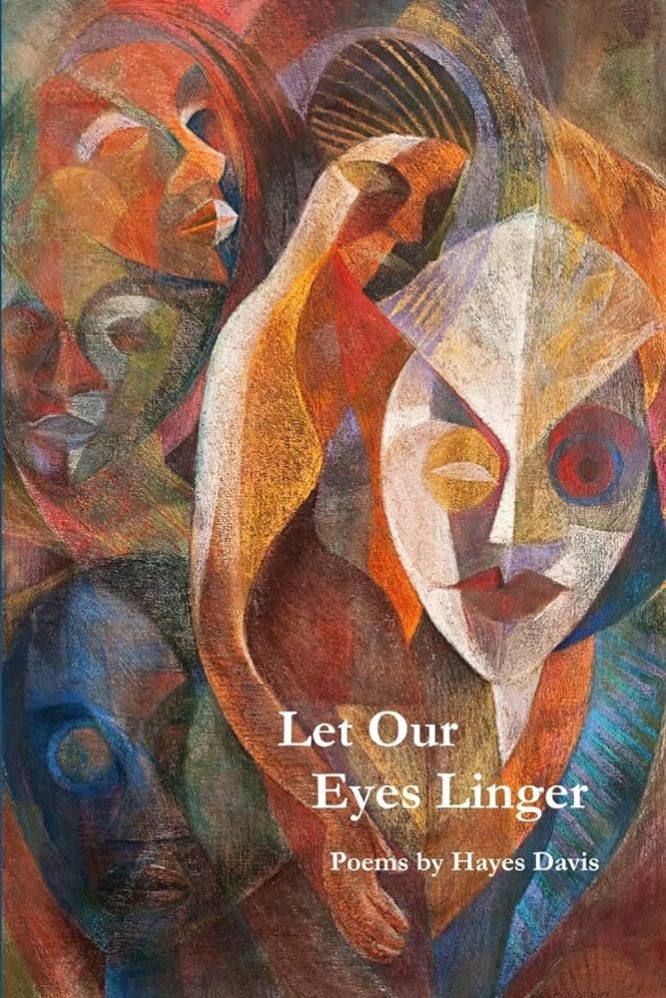
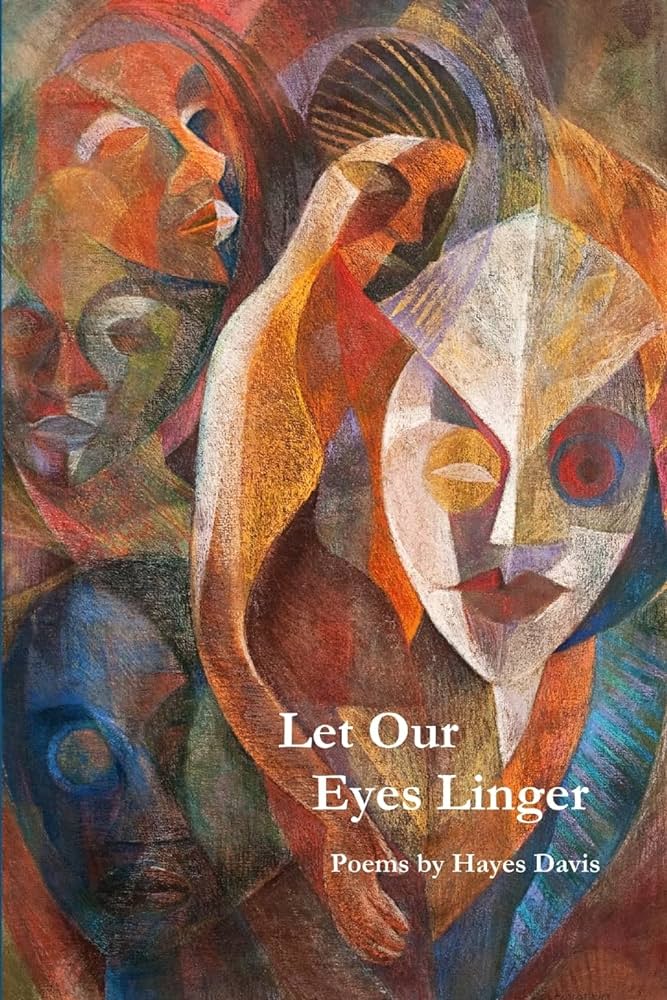
The modern painting cover of the poetry collection seems to be a collage of faces or masks, in many warm hues.

Hayes Davis is the author of Let Our Eyes Linger (Poetry Mutual Press). He is currently serving as the Howard County (MD) Poetry and Literature Society Writer in Residence. His work has appeared in New England Review, Mom Egg Review, and several anthologies. He was a member of Cave Canem’s first cohort of fellows. An education administrator and English teacher, he lives in Silver Spring with his wife, poet Teri Ellen Cross Davis.

Here’s Hayes, in his own words, talking a little bit about his process, poetry, and what brings him joy!

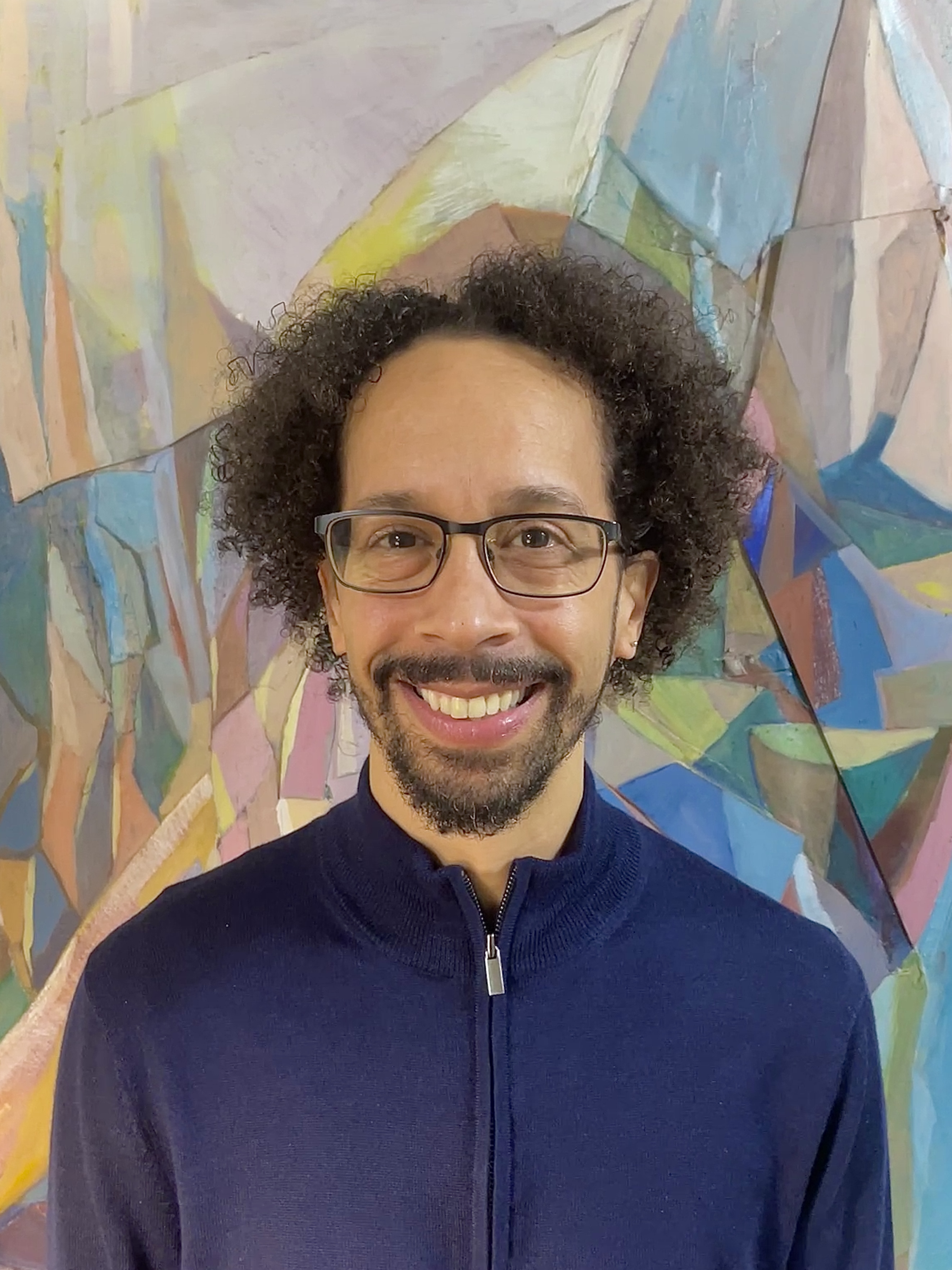
The poet appears against a coloful painted backdrop.

What inspires you to write? 
Lots of things inspire me, most of them related to being human and living in the world as I do. I am a biracial man, a biracial Black man, a parent, a school administrator, a teacher, a parent of school age children, a stutterer, a lover of nature. All of those different roles have influenced my work during my career, and some of them are particularly present both in my first book and my second manuscript.

As a poet and a teacher, what resources do you think are the most important for aspiring poets? Is there any advice you would like to share? 
The number one thing I say to young writers is “You have to read.” If you’re going to call yourself a poet, you have to have some knowledge of what poetry was in the world before you started writing. I am often asked, “What/who is in your poetic lineage?” or “Who do you list as influences?” A poet who can’t answer those questions hasn’t been doing the work of a poet.

Is there a particular poet, poem, or collection that helped shape your writing and thinking? 
Three of the poets I read earliest were Quincy Troupe and Lucille Clifton. I would say the main influence they had on my work was the straight-forwardness of their language. I believe in plain-spoken poetry, that is, work that doesn’t obscure its meaning but still rewards multiple readings and works on multiple levels. Later, I became a fan of Linda Pastan, Cornelius Eady. 

What themes or subjects motivate you to write? 
My first book is a lot about being a parent, being a teacher, and to a lesser extent stuttering. My second manuscript focuses more on the stuttering, and on parenting in a different way–trying to live into a different mode of parenting than I inhabited early on. I’ve also written, at this point, far more poems about nature than I thought I ever would. In some ways that’s a reflection on the pandemic, which slowed me down enough and made me stressed out enough to take even more joy in the natural beauty that surrounds me at home and now where I work (Sandy Spring Friends School), which sits on 140 acres of land, much of it wooded. 

And finally, the theme of the workshop you’ll be running at Savage is “Beautiful Objects and Unbridled Joy”. What’s one thing that’s bringing you joy today? 
Building on my last answer, the sky brings me joy many days, whether because of the brilliant cobalt that accompanies a cloudless day, or the endless variety of clouds that complement that blue. The expressions of beauty of which humanity is capable bring me joy–music, visual art, movies–I love looking at how other people see our world and process it artistically. 

Sahana is an Instructor and Research Specialist at the Savage Branch. They enjoy adding books to their “want to read” list despite having a mountain of books waiting for them already.

Freedom to Read Roundtable: The Heaven & Earth Grocery Store with James McBride

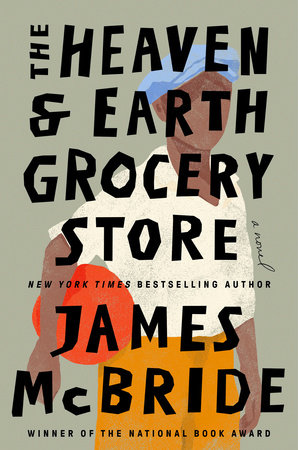
Rough lettering of the title overlays the image of a person with dark skin, a blue hate, and orange ball perched under their arm.

Freedom To Read Roundtable
Sunday, October 15
2:30 – 4 pm
In person at Miller Branch – register
online session – register

“Tikkun olam,” the Hebrew expression for “repairing the world,” is woven throughout the novel. Why? – asks Sydney Page of The Washington Post, as she interviews James McBride about his new novel The Heaven & Earth Grocery Store.*

I just love it; I love the innocence of it, I love the purity of it and I love that it works. “Heal the world” is a big phrase. How do you heal the world? You start right where you are. – says James McBride


*The Washington Post, September 23, 2023.

James McBride goes on to elaborate that our commonalities outweigh our differences and how we need to celebrate our common ground rather than fight over differences. Eschewing cynicism, he believes that we’re driven by kindness, and there’s a moral sense which underpins the American dream. McBride is, without question, one of America’s great storytellers and an essential voice in the literary landscape. This summer he returns with his signature hope, humor, and humanity in The Heaven & Earth Grocery Store, which begins in 1972 when workers in Pottstown, Pennsylvania find a skeleton at the bottom of a well. Long-held secrets emerge in Chicken Hill, a neighborhood where immigrant Jews and African Americans have lived side by side for decades.

You can borrow the title in print or large print, as an e-book, or as an audiobook on CD, or an e-audiobook.

Hear more from National Book Award-winning author, musician, and screenwriter James McBride at the Freedom To Read Roundtable happening on Sunday, October 15 from 2:30 – 4 pm. Join with librarians, publishers, poets, authors, and your community in supporting the essential right to read at the Freedom to Read Roundtable.

The Roundtable also features a distinguished panel of speakers:

  • Emily Drabinski is the current President of the American Library Association (ALA) and Associate Professor at the Queens College Graduate School of Library and Information Studies.
  • Alexandra Petri is a humorist and columnist for The Washington Post. She studied English and classics at Harvard and has received the National Press Club Angele Gingras Award for Humor Writing and the Shorty Award. She has been recognized in Forbes 30 Under 30 and in the Fifty Funniest People Right Now (Rolling Stone).

You may attend in-person or virtually. The in-person event happens at HCLS Miller Branch. Register HERE. To attend online, register HERE.

This event is presented in partnership by Howard County Library System (HCLS) and Howard County Poetry and Literature Society (HoCoPoLitSo).

April is National Poetry Month

Black and white drawing of two children peering over the edge of a crumbling sidewalk edge, with the title beneath. A dog has fallen partway through behind them.

by Kristen B.

April is National Poetry Month. We need at least that long to appreciate all the wonderful poets and poems that enrich our lives. Poetry allows us the see the world in new ways. The rhythms and allusions of poetry open views or thoughts that ordinary prose simply cannot elicit through standard structures. Whether recounting lengthy epics like the Iliad or appreciating life’s little joyous moments with Mary Oliver, poetry’s language can transport us.

Do you have any favorites? Do any memorized pieces live in your mind? I first read Dylan Thomas‘ “Do Not Go Gentle Into That Good Night” the year my father was diagnosed with cancer. “Rage, rage, against the dying of the light” has been with me ever since. In less fraught circumstances, my sister memorized Shel Silverstein‘s “Sick” when she was in elementary school – it’s still fun to recall its whimsical truth as adults. I know quite a few people who can recite all the nonsensical words of the heroic “Jabberwocky,” from Lewis Carroll’s classic story, Through the Looking Glass – famously performed by the Muppets, in case you haven’t seen it.

We invite you to celebrate a month of poetry. Whether you borrow a volume or anthology of poetry, or attend a class, we hope that you take a moment or two to enjoy some wonderful words. And, on April 27 – official Poem in Your Pocket Day – you can keep handy an old favorite or a new, original composition to share throughout the day.

Creating from Wounds: A Generative Workshop
Adults. Register.
The power of poems is that they allow us to create from disaster, making something out of the brokenness to process and cope. In this workshop, Meg Eden shares tools that she has used in writing her latest poetry collection. Compose using interactive prompts, then receive resources to continue with your writing.
Sat, Apr 15
12:30 – 1:30 pm
Savage Branch

Poets Corner
Ages 6-11, 45 minutes. Ticketed; free tickets available 15 minutes before class starts.
There’s a poem in your head just shouting to come out! Discover the tools poets use to create verses that sparkle and shine. Read, write, and have fun sharing poems!
Sat, Apr 22
2 – 2:45 pm
Elkridge Branch

Playful Poetry
Ages 6-9, 45 minutes. Ticketed; free tickets available 15 minutes before class starts.
April is National Poetry Month – celebrate by joining us to hear and share fun poems from a variety of creators. Participants are welcome to bring a poem they love to share with the group. Maybe you will even be inspired to compose a poem of your own!
Thu, Apr 27
5 – 5:45 pm
Elkridge Branch

Kristen B. is a devoted bookworm lucky enough to work as the graphic designer for HCLS. She likes to read, stitch, dance, and watch baseball in season (but not all at the same time).

For the Love of Irish Poets

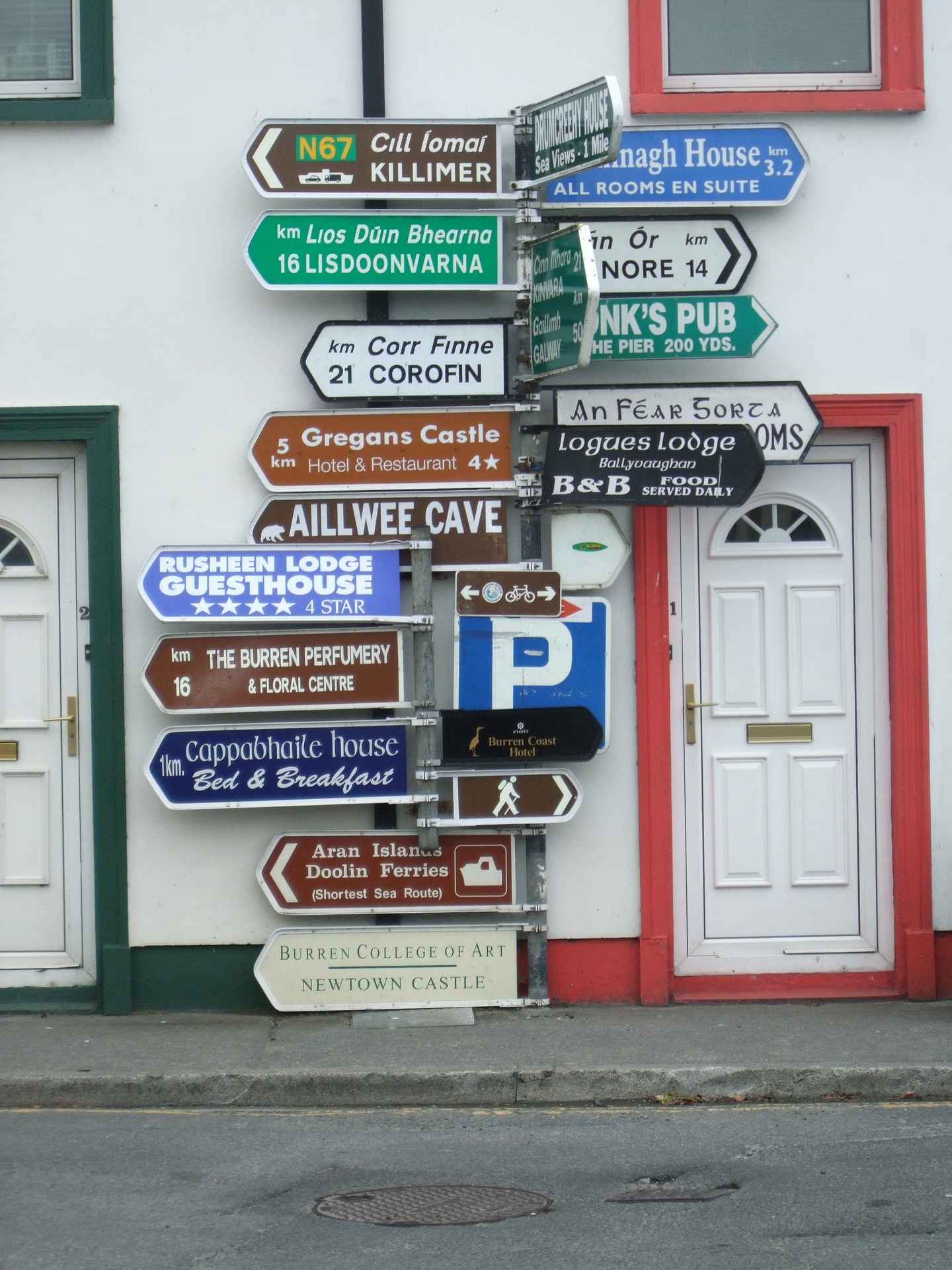
A road sign between two doors, with full post of signs in English and Gaelic.

by Cherise T.

Where tales be told, words be woven, and music be made, an Irish poet can be found. Indulge in the glorious Irish literary tradition by exploring the riches of Boland, Heaney, and Yeats. One of Ireland’s, and the English language’s, most famous poets, William Butler Yeats won the Nobel Prize in 1923 for his works such as “The Second Coming,” where the phrase “Things fall apart; the centre cannot hold” was born. His poems embrace the mythological, the historical, and the political while adhering to traditional verse structures. An excellent starting point for those new to Irish poetry is the anthology, The Collected Poems of W.B. Yeats.

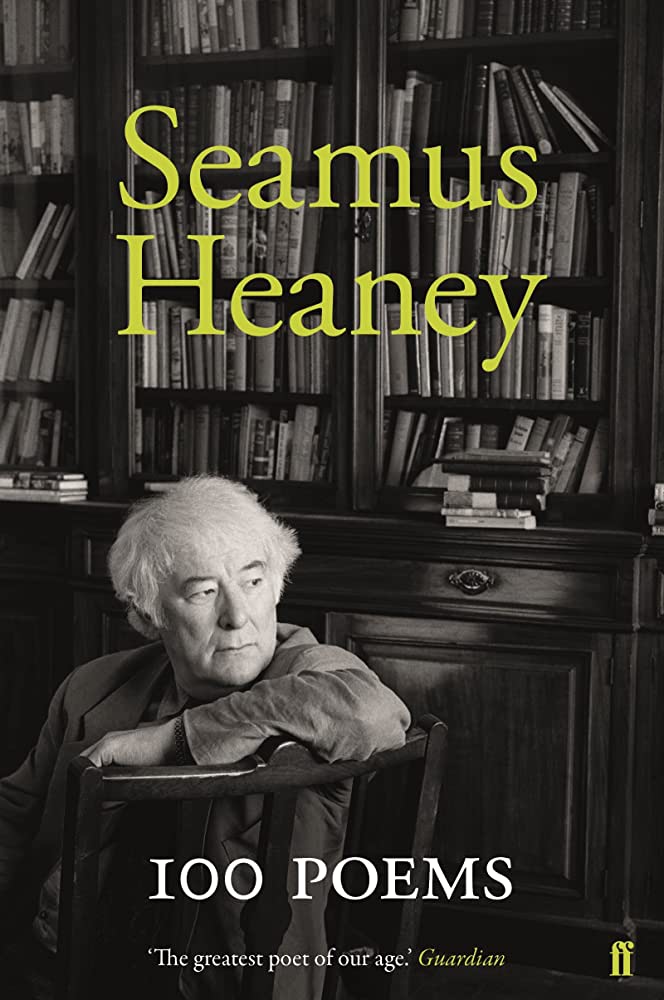
Poet Seamus Heaney sitting in front of full bookshelves, looking over the back o

Scaffolding by Seamus Heaney

Masons, when they start upon a building,
Are careful to test out the scaffolding;

Make sure that planks won’t slip at busy points,
Secure all ladders, tight bolted joints.

And yet all this comes down when the job’s done
Showing off walls of sure and solid stone.

So if, my dear, there sometimes seems to be
Old bridges breaking between you and me,

Never fear. We may let the scaffolds fall
Confident that we have built our wall.

Written in 1966 around the time of Heaney’s marriage, ”Scaffolding” is a unique expression of love and devotion. Heaney was awarded the Nobel Prize in 1995, and while his writing also leans toward history, much of the content is personal. Feast on the rich, precise language in his compilation, 100 Poems. The collection includes an excerpt from “The Cure at Troy” where this renowned stanza is found:

History says, Don’t hope
On this side of the grave,
But then, once in a lifetime
The longed-for tidal wave
Of justice can rise up,
And hope and history rhyme.

Eavan Boland, the most contemporary of the three, subverts tradition, exploring women’s daily lives in the context of feminism and Irish history. In A Woman Without a Country, Boland addresses a range of women, from Eurydice to her own daughter. In the eponymous poem sequence, she writes about her grandmother, “What troubled me was not whether she had included her country in her short life. But whether that country had included her.”

Our online collection includes the Gale LitFinder resource. At hclibrary.org, go to the Research tab and select the Literary Criticism & Analysis section. In LitFinder, use the search term “Irish poetry” or enter an author name, subject, or document type (such as “sonnet”) to explore additional classical through contemporary works by Irish poets.

Cherise Tasker is an Adult Instructor and Research Specialist at the Central Branch. When not immersed in literary fiction, Cherise can be found singing along to musical theater soundtracks. 

For Native American Heritage Month

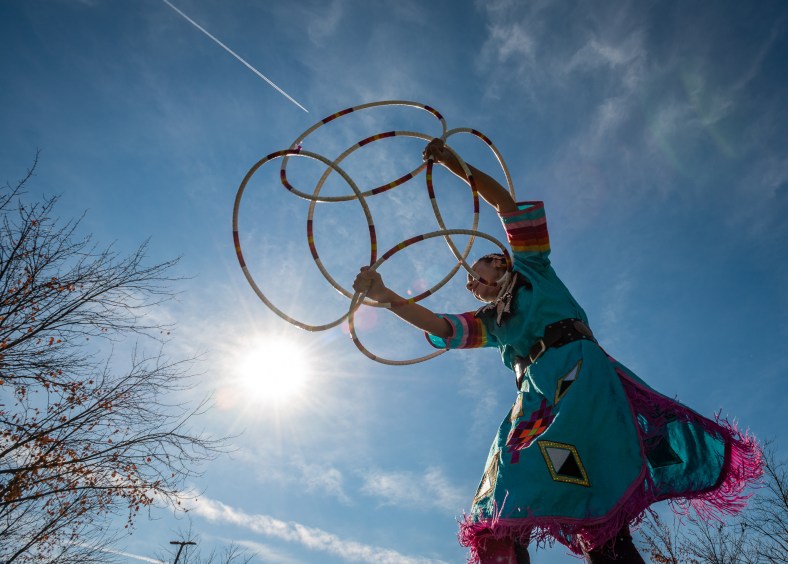
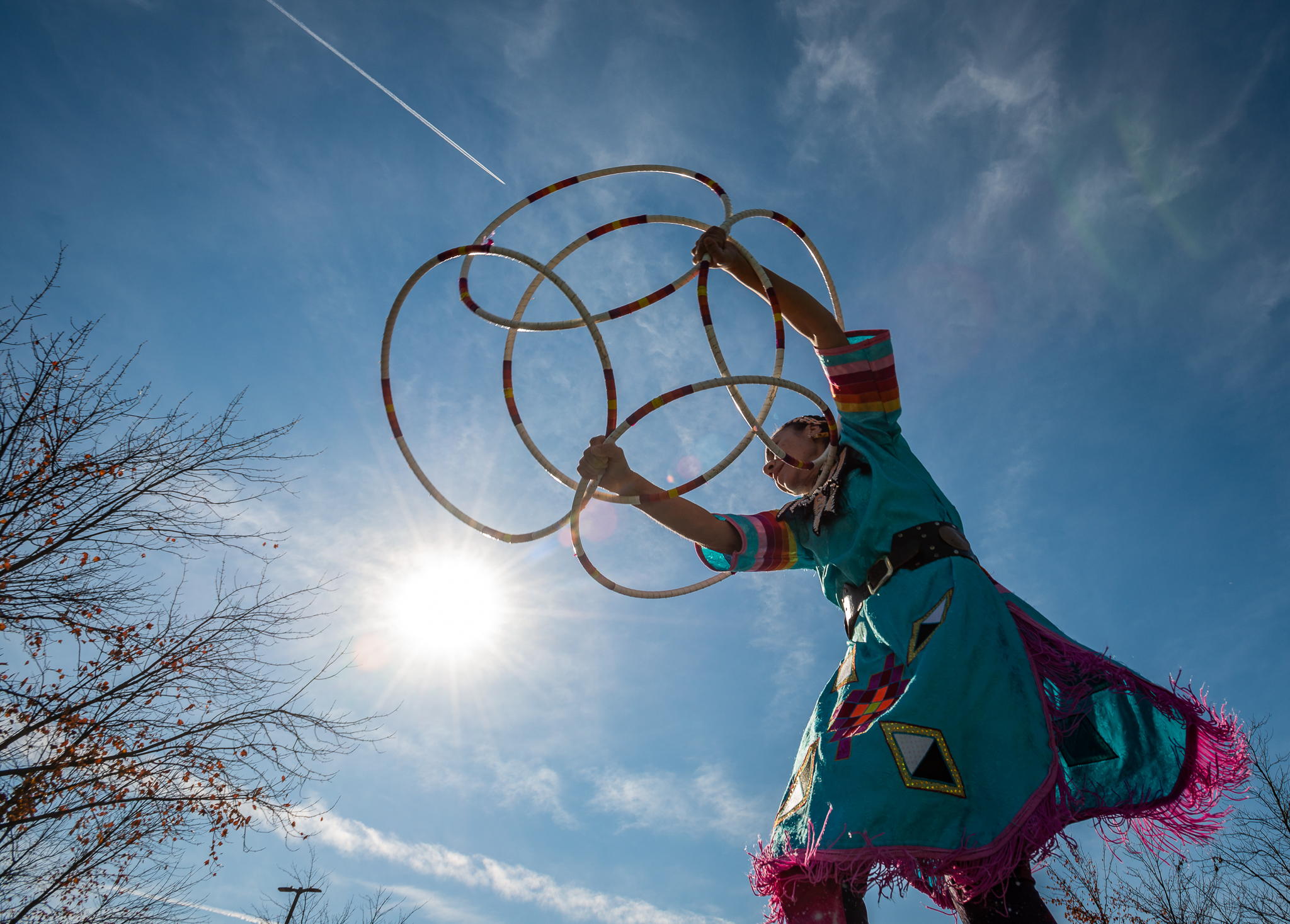
Native American hoop dancer with her interlocked hoops above her head against a sunny sky.

Native American Heritage Month Celebration

Saturday, Nov 5
11 am – 3 pm
East Columbia Branch

Celebrate Native American culture and resilience at this free event. Filled with performances, arts and crafts, and food vendors (including Navajo tacos), you can have lunch, do a little shopping, and enjoy amazing traditional dance.

2 pm: Meet the Author Brian Lee Young
An enrolled member of the Navajo Nation, Young grew up on the Navajo Reservation and currently lives in Brooklyn, New York. His debut novel, Healer of the Water Monster, shares the story of a seemingly ordinary Navajo boy who must save the life of a Water Monster—and who comes to realize that he’s a hero at heart.

Performances by:
Angela Gladue
Chris EagleHawk
Shawn Iron Maker
Max Yamne
Rose Powhatan
Lance Fisher & Giovanna
Walking Eagle

Sponsored by Capital Native Nations and Nava Be Diné

Understanding Land Acknowledgements and How to Move Beyond Them

Thursday, Nov 10
7 – 8:30 pm
Miller Branch
Register here.

“Land acknowledgments” are statements that recognize Indigenous peoples dispossessed of their land and/or relationships with land by settler colonists. These statements are seen as an effective and ethical way to begin acknowledging Indigenous sovereignty, begin correcting the stories and practices that erase Indigenous people’s history and culture, and begin inviting and honoring the truth.

Join Maryland State Arts Council Folklife Specialist Ryan Koons for a presentation about land acknowledgements using materials from MSAC’s Land Acknowledgement Project. In this project, MSAC staff engaged in compensated consultations with tribal elders from American Indian tribes whose lands are claimed by Maryland. Most importantly, this presentation will discuss ways to move beyond land acknowledgements towards positive change led by tribal peoples.

Reading Human Rights

Thursday, Nov 17
6:30 – 7:30 pm
Savage Branch
Register here.

The book cover depicts two feathers facing in opposite directions, sketched in brown ink against a bright orange background, with the title in yellow lettering.

Reading Human Rights is a monthly book discussion hosted by the Howard County Office of Human Rights & Equity and Howard County Library System. We read books that promote cultural awareness, diversity, and equity.

In November, we read and discuss national bestseller There There by Tommy Orange (also available in large print, e-Book, e-Audiobook, and book on CD formats). This wondrous and shattering novel follows twelve characters from Native communities: all traveling to the Big Oakland Powwow, all connected to one another in ways they may not yet realize. Hailed as an instant classic, There There is at once poignant and unflinching, utterly contemporary, and truly unforgettable.

Native Expulsion & Manifest Destiny

Monday, Nov 21
7 – 8 pm
online
Register here.

This talk explores westward expansion and its impact upon Native communities.

Even though the phrase ‘manifest destiny’ was not used in print until 1845, the spirit of American expansionism that it referred to was very apparent long before the 1840s. Americans had been talking about pushing westward as if it was their manifest destiny ever since folks in Jamestown in the 1600s had started eyeing the land on which Natives were settled.

University of Maryland historian Richard Bell begins by tracking the story of Native expulsion and colonial expansion from the Revolution era through the 1850s, paying particular attention to the ways in which the West and westward expansion came to be romanticized in the American imagination.

Living Nations, Living Words

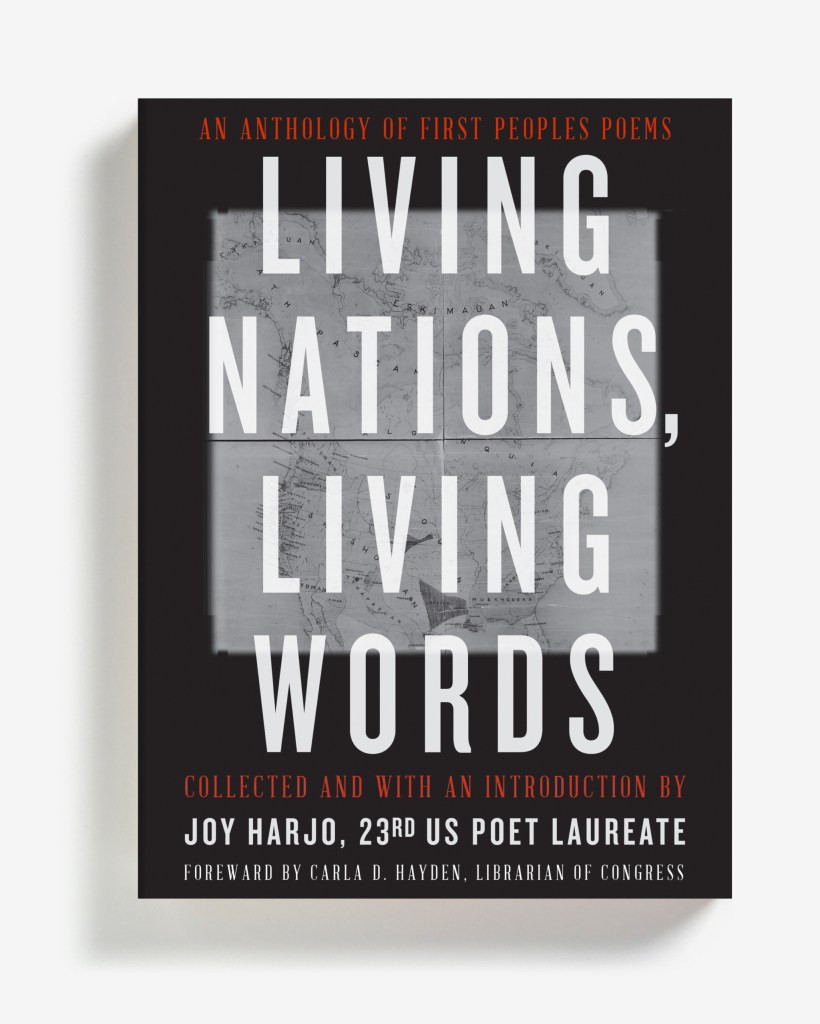
The image has the book title superimposed over a black and white map of North America.

Wednesday, Nov 30
7 – 8 pm
Miller Branch
Register here.

Explore Poet Laureate Joy Harjo’s edited poetry collection and accompanying project for the Library of Congress: “Living Nations, Living Words.” Listen to poems and author commentary, explore an interactive story-map, reflect on common themes, and discuss Native American representation in literature and society.