Recipe Exchange: Dumplings!

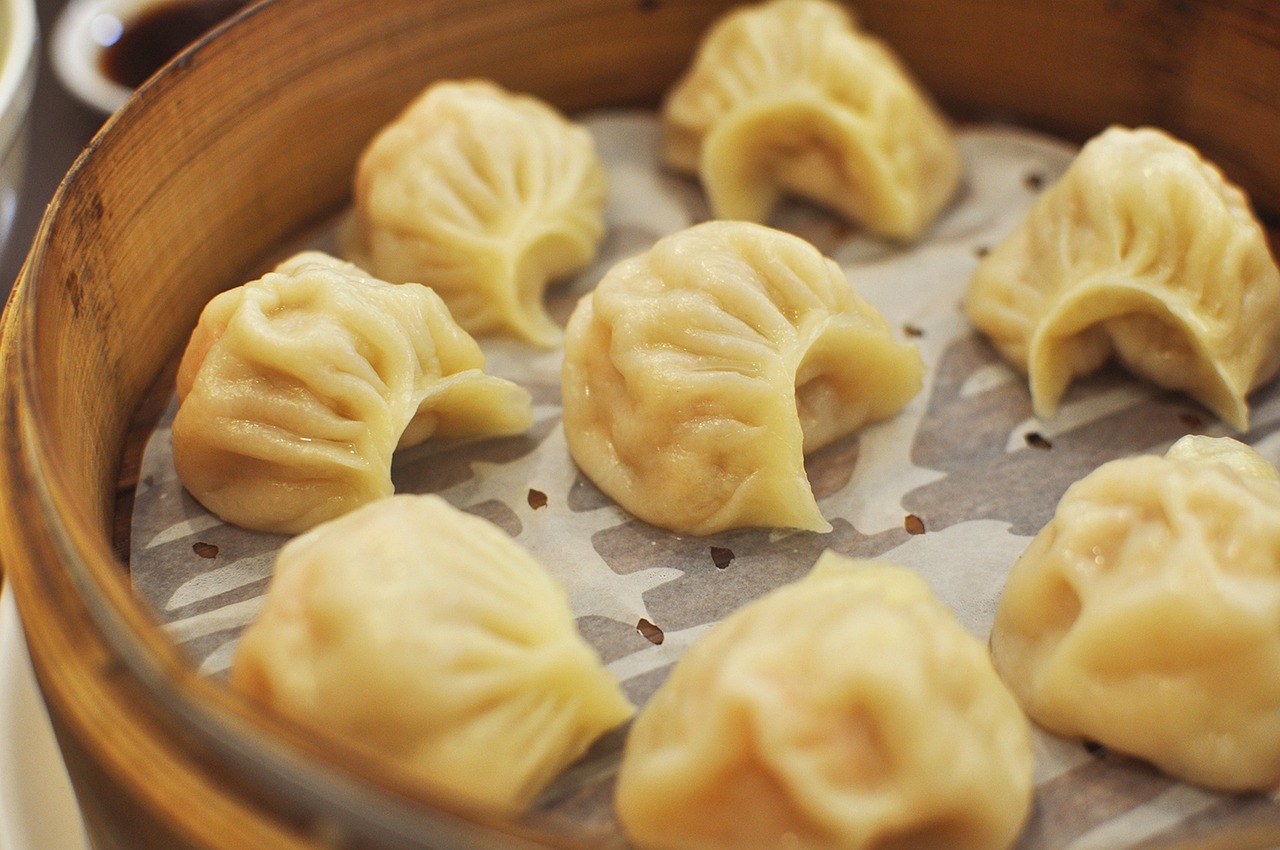
A set of steamed Asian dumplings sit in a wooden steaming basket.

by Sahana C.

Recipe Exchange: Dumplings Around Asia!
Saturday, May 25 | 1 – 2 pm
HCLS Savage Branch
Register

Hands down, my favorite way to learn about new cultures is through food. And food tells so much about a place – whether wheat or rice or corn are the most prominent starch, how people chose to work the land, how people divided labor, how different climates react to different weather, whether people use utensils or their hands. We reflect all sorts of nuances about ourselves in the ways we eat. Growing up in Howard County exposed me to cuisines from all over the world, and there’s nothing better to me than trying something new, loving it, and immediately knowing that I need to try to make it myself. Gathering new recipes with other people is such a rewarding, communal pastime, and it’s lovely to be able to talk through cooking with other foodies!

For our Recipe Exchange class during AAPI Month, I wanted to honor one of humanity’s strongest, truest impulses: to take a protein, or a hearty base, cover it in dough of some kind, then fry, steam, or bake it to perfection, resulting in a bite sized bundle of delight. That’s why we’ll be discussing Dumplings Around Asia, as well as sampling some varieties.  

I graduated from college during the early days of the pandemic. When I was sent home, my university sent me a senior gift that included a dumpling making kit. I’m not sure if they knew what they were doing with that gift but I’ll tell you what the result was: homemade gyoza once a week. Tortellini made from scratch that took me six hours. Handmade samosas that I air fried instead of deep-frying. Dumplings of all sorts from all around the world, handmade in my kitchen. Dumplings are a passion of mine, and I can’t wait to discuss all the best ways to prepare such a simple but delectable food.

Bring your own dumpling recipe – or favorite dumplings!– and we’ll have a great conversation about the ways we can speed-run making dumplings, the history of the perfect crimp, and of course, share some of the best recipes for different dumpling styles found across the Asia. While it might not be a comprehensive list of every style of dumpling to ever exist, it’s going to be a great introduction to less popular dumpling styles, and a great chance to grab a snack at the library.  

Register here to get emails and updates about class.

Sahana is an Instructor and Research Specialist at HCLS Savage Branch. They enjoy adding books to their “want to read” list despite having a mountain of books waiting for them already.
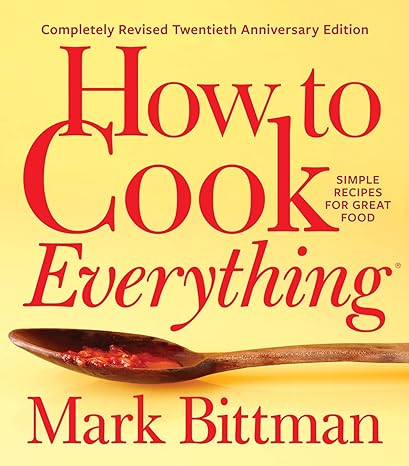
How to Cook Everything by Mark Bittman

The book cover depicts a wooden spoon holding pureed tomato, set against a yellow backdrop with the title and author in red lettering.

by Angie E.

If you’ve ever felt like a lost soul in the kitchen, fear not, because Mark Bittman’s How to Cook Everything (also available as an e-book) is your culinary guardian angel. This book is a lifesaver for those of us who often find ourselves struggling to whip up a decent meal or decode complex recipes.

With its straightforward approach and comprehensive coverage, it’s like having an understanding, all-knowing mentor guiding you through the culinary maze. Recently, I got a new stove and it has inspired me to cook full-heartedly again. In some ways I feel like I’m starting over from scratch with cooking and baking, and this book is helping me get back on track.

One of the most remarkable aspects is its clarity. Mark Bittman breaks down each recipe into simple, easy-to-follow steps that even the most inexperienced cook can grasp. From basic knife skills to advanced techniques, he covers it all with patience and precision. As someone who often struggles with what seem like convoluted cooking directions, I can’t stress enough how much I appreciate his straightforward approach. How To Cook Everything lives up to its name. It truly covers everything you’d ever want to cook. Whether you’re a meat lover, vegetarian, or somewhere in between, this book caters to all tastes and dietary preferences. The recipes range from classic comfort foods to international delights, making it an priceless resource for any chef, amateur or otherwise.

Bittman provides valuable time-saving tips and shortcuts. He gets that not everyone has hours to spend in the kitchen, so he offers matter-of-fact suggestions to streamline the cooking process without sacrificing flavor. These tips are a windfall for those days when you’re short on time but still crave a homemade meal. One of the biggest challenges for a helpless cook is not having the exact ingredients a recipe calls for. Bittman encourages flexibility, offering alternative ingredients and substitutions. This approach inspires you to experiment and adapt recipes to suit your pantry’s contents, making cooking less stressful and more enjoyable.

Perhaps the most crucial aspect of How To Cook Everything is how it boosts your confidence in the kitchen. Bittman’s writing style is encouraging and motivating. He makes you feel like you can conquer any recipe, no matter how intimidating it may seem.

Angie is an Instructor & Research Specialist at Central Branch and is a co-facilitator for Reads of Acceptance, HCLS’ first LGBTQ-focused book club. Her ideal day is reading in her cozy armchair, with her cat Henry next to her.

Recipe Exchange: Asian American Chefs and Asian American Cuisine

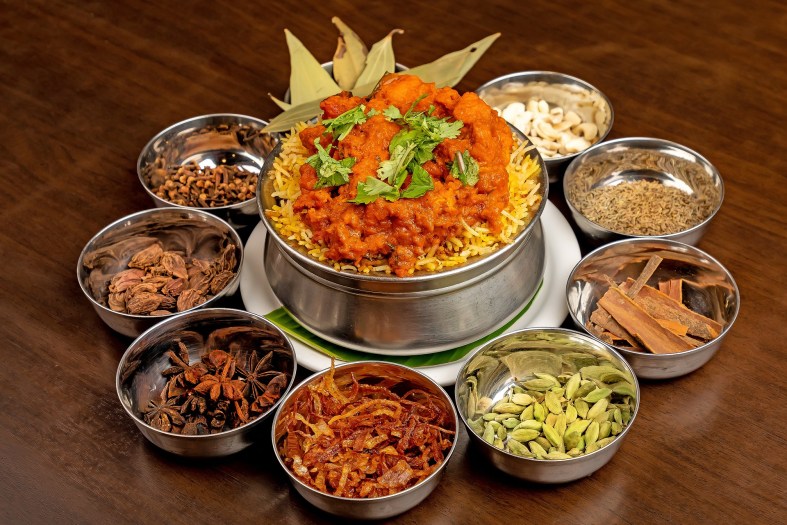
A colorful main dish is surrounded by smaller metal bowls of whole spices.

by Sahana C.

Come talk food with us!
Wednesday, May 24 at 7 pm | Savage Branch
Register here.

In Asian American households, food is a love language. Sliced fruit, set gently next to a workspace, is an invitation to take a break, or an apology. Homecomings are ushered in by welcome feasts, and almost every restaurant occasion ends with a polite battle over the bill. Food is affection, and especially in immigrant households, it is a connection to family, to a far-away home, and it is a consistent way of showing (but not telling) love.

Growing up with my Bengali mother, rainy days off meant khichdi (a mix of rice, lentils, and vegetables) and aloo bhaja (thinly sliced fried potatoes) for lunch. My brother and I would scrap over the last few aloo bhaja in the bowl, before our mother would smile indulgently and take a few from her plate to split between us. I’d sit in the kitchen as my mother cooked big, elaborate, multi-course meals, watch her season and spice, and wait for the oil to sputter specifically, never once consulting a recipe. She would have one of her aunts on speakerphone, talking about family back home and interjecting with quick questions on what to substitute to make our American ingredients taste as close as possible to the Indian ones.

I grew to appreciate food, to understand cooking, and to have a standard repertoire of recipes after learning from my mother. It was a common language we shared, this mutual culinary interest. And it’s only grown. I cook with and for friends, I follow cooking blogs and sites and social media accounts, I favorite every restaurant I pass by with an interesting-looking menu, and most of all, I like to talk about food with people. On desk at the library, I’ll see someone flipping through a cookbook I’ve read, and I’ll want to stop and talk. I’ll notice someone looking at a book written by one of my favorite food personalities, and I can’t help but smile at it. And most of all, I love when people share their recipes with me, when I can hear about the food, the stories, and the cuisines that influence them.

It’s important, also, to know about innovators. To know about the people who are pushing the cuisine, who are changing it, who are going back to the roots of a tradition or practice to better understand it. There are so many Asian American chefs who are pushing the envelope on what elevated Asian American cuisine looks like, and there are just as many Asian American chefs who are looking to create the most traditional experience they can with their food. All of that is what makes the cuisine not just Asian, but Asian American. It’s the blend of respect for culture and tradition, and the simultaneous push to the modern that makes Asian American food so unique.

To celebrate all of the above, we’re having a Recipe Exchange on Wednesday, May 24, from 7-8 pm at the Savage Branch. It’s themed around Asian American chefs and Asian American cuisine, where we’ll look at a few highlighted chefs and some of their most popular recipes. I’d love for you to join us and bring a recipe of your own to share. We’ll discuss our favorite tips, tricks, and techniques in community, and do it all the way food was meant to be enjoyed – together.

Sahana is an Instructor and Research Specialist at the Savage Branch. They enjoy adding books to their “want to read” list despite having a mountain of books waiting for them already.

The Baking Bug

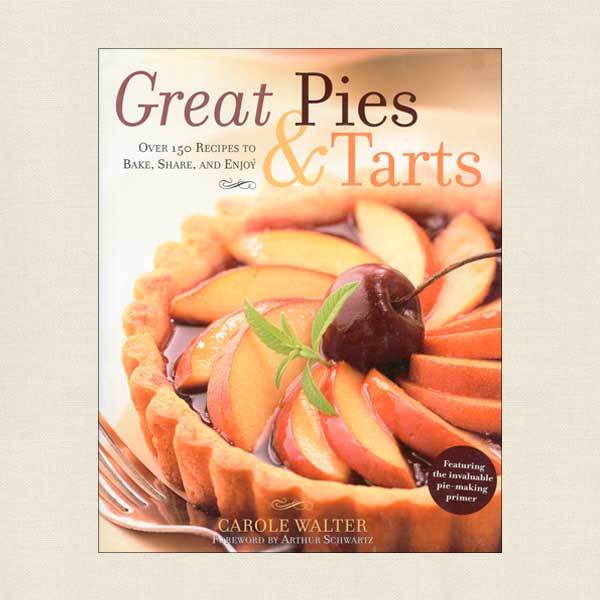
Cover of cookbook features a plum tart with luscious glossy fruit arranged in a swirl on a pastry shell, with a cherry in the middle.

by Kristen B.

My husband has a saying: When the going get tough, the tough bake. It certainly holds true that I have a tendency to stress bake. The precision of measuring and mixing, followed by having a tasty, tangible end product soothes me … as does eating whatever treat now sits on my kitchen counter (alas for the scale). Although I prefer sweet to savory, the occasional loaf of bread or cheesy rolls happens when I have the need to knead. Although I’m a frequent visitor to King Arthur Baking Company for recipes, their tried and true whole grain recipes are also collected in this book.

I like to try new recipes and often browse the cookbook shelves at the library. It’s how I came upon Great Pies & Tarts by Carole Walter, which has yet to disappoint (confession: I bought it). The blueberry pie always wins rave reviews, even if I trash my kitchen making it. This book also has one of the best step-by-step descriptions of how to make a standard American flaky pie crust, complete with photographs. With all the wonderful fresh fruit in season now (visit a Howard County farmers market), it’s the perfect time to make tasty desserts.

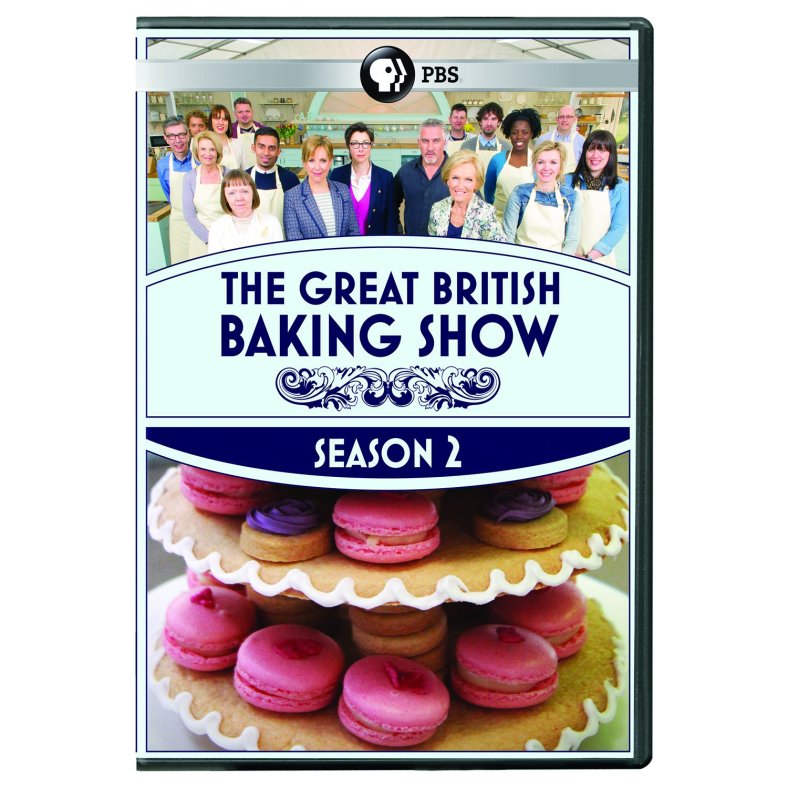
American pie crust you ask? As opposed to all the different kinds of pie crusts I’ve learned about on The Great British Baking Show. This show provides the perfect anecdote to anyone’s stress: it’s kind and funny and filled with every kind of baking, from scratch-made puff pastry to savory hot water game pies. If you’ve not visited The Tent, or if you need a little British humor to get you through the week, HCLS has several seasons available on DVD and via hoopla (also available via Netflix). It’s wonderful fun and perhaps a tad inspirational.

If you are already a fan (as clearly I am), and want to spend a little more time with GBBS, you can get the inside scoop from Mary Berry herself. HCLS has several of her cookbooks, and many are available on Overdrive. If you are interested, Chetna, one of the Season 5 contestants, published The Cardamom Trail with her favorite flavors from her home country of India. I found it tricky to follow from an American point of view, but it’s a gorgeous book to drool over (literally).

I wish you Happy Baking … though not tough times to prod you into the kitchen. Check out a cookbook and discover a new favorite treat, and maybe submit photos of your kitchen victories at createdwhileisolated.org, HCLS’ journal of our community’s wonderful creativity.

Kristen B. has worked for HCLS for more than 15 years, and currently hosts the Books on Tap discussion group at Hysteria Brewing Company. She loves reading, Orioles baseball, and baking.