The New Menopause: Navigating Your Path Through Hormonal Change with Purpose, Power, and Facts by Mary Claire Haver, MD

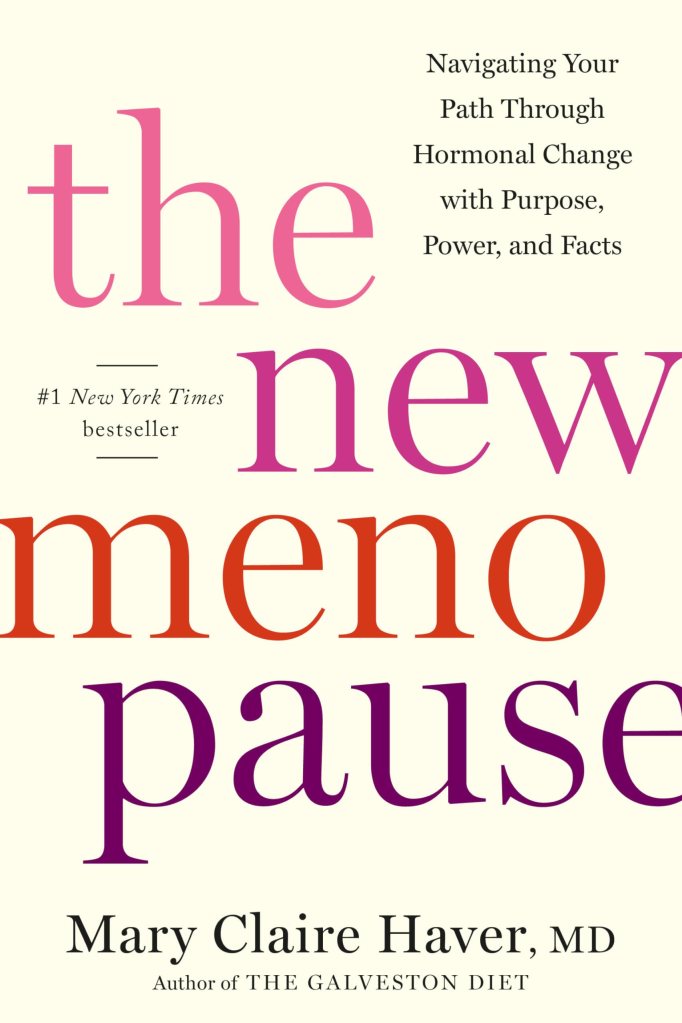
A pale yellow cover has large type in light pink "the", dark pink "new", orange "meno" and purple "pause." So, it reads clearly The New Menopause.

By Carmen J.

I remember when I was 10 years old, my beautiful mother complained about growing whiskers. So, she crankily sought electrolysis treatments, and the term menopause was ingrained in my pre-puberty mind as being a time of much discomfort. I knew I didn’t want to be cranky and have whiskers, either.

As I started my first period in my early teens, the thought of menopause seemed completely out of reach and more for the grandmotherly folks I came into contact with. Menstruation in my teens and early 20s served much more as a general annoyance at times or a sign that contraception was doing its due diligence.

While planning for a family, a missed period would signal joyful anticipation leading to motherhood’s promise of a sabbatical for nursing. As my daughter toddled and entered pre-K, I noticed changes about myself that were surprising. I started sweating without much exertion, my moods were unexplainable, and my reliable cycles became shorter in length and less frequent.

“You’re in perimenopause,” my doctor noted.  “And it may be like this for several years.” Hmm… what?

Fast forward to my book recommendation: Mary Claire Haver, MD’s The New Menopause: Navigating Your Path Through Hormonal Change with Purpose, Power, and Facts. I would qualify this as required reading for all women. 

Dr. Haver, who has garnered a powerful reputation for debunking menopause myths and normalizing conversations about women’s health, delivers a tour de force book that explains perimenopause, menopause, and post-menopausal care. You’ll learn about the variety of symptoms (66!) women can experience and how they are not limited to crankiness and whiskers (Sorry, Mom!). Examples include some that are unexpected or less frequently discussed, including body odor, depression, itchy skin, and tingling extremities. Dr. Haver shares insights surrounding hormone replacement therapy’s role in minimizing symptoms while sharing benefits versus risks. Particularly eye-opening for me was learning about estrogen’s critical duty outside of reproduction (i.e., cognitive and cardiac functions). The book includes a tool kit that serves as a symptom-based resource section and shares strategies for each individual symptom. 

Recently, Dr. Haver appeared on Mayim Bialik’s Breakdown, a terrific podcast. If you remember Mayim Bialik from the sitcom Blossom, you’re most likely already perimenopausal. Bialik is a neuroscientist, and her podcast is simply outstanding. I have the YouTube episode link below.

So to all those women of a certain age feeling hot flashes, irritable, or in need of some hormone regulation, you are not alone. Knowledge is power. And there is power in every page of The New Menopause. Period.

The New Menopause is available from HCLS in print and as an e-book and e-audiobook from Libby.

Carmen J. is a teen instructor at HCLS East Columbia Branch. Among her favorite things are great books, all things 80s, shamelessly watching The Bachelor, gardening, and drinking anything that tastes like coffee.

Women’s History Month

Rosie the Riveter appears on the left hand side of the image, against a bright yellow background. The dark blue quote bubble above her head says "We Can Do It!" and the one to the right says, "Celebrate Women's History Month!"

Beginning Saturday, we celebrate Women’s History Month throughout March. Established in 1981 as a memorial week, it grew to the entire month in 1987. It’s purpose is to commemorate and encourage the study, observance and celebration, “of the vital role of women in American history.” From Betsy Ross to Diana Ross, women have made a wide variety of contributions to our culture and society.

Join us for a few classes early in the month, and visit the library’s calendar often for more opportunities to celebrate. There’s an adage, sometimes attributed to Eleanor Roosevelt, that says, “Well behaved women seldom make history.” It certainly holds true for Zelda Fitzgerald, DC’s madams, and Dorothy Parker!

Zelda Fitzgerald’s Journey
Sat, Mar 1 | 2 – 3 pm
HCLS Miller Branch
For adults. Register here.

Historian Jack Burkert gives glimpses into the fascinating life of Zelda Fitzgerald, the “First Flapper” of the Jazz Age. Born in comfortable circumstances in Montgomery, Alabama, the twenty-year-old Zelda Sayre married F. Scott Fitzgerald, beginning their tumultuous life together. Their adventures took them across America and through Europe, writing both short stories and novels, while Zelda sought artistic fulfillment. By 1930, early signs of her mental illness coupled with his alcoholism made their partnership of greatness a distant dream. Through twenty years of treatment, a maturing Zelda paints, dances, writes, and slowly recovers, creating a life story few could imagine.

Off the Mall, DC: Madams of DC
Fri, Mar 7 | 12 – 1 pm
online
For adults. Register here.

Step into the lesser known history of Washington, D.C.’s red light district and learn about the lives of the women who shaped it. Washington, D.C. experienced an unprecedented rise in prostitution during and after the Civil War. During this period, Pennsylvania Avenue became D.C.’s most notorious red-light district, from the ramshackle “boarding houses” of Murder Bay to the glamorous pleasure houses of Marble Alley, all within sight of the Capitol. Also, a new profession for women was rising, that of the “female lobbyist.” This virtual tour introduces you to some of the most notorious women of mid-19th century DC.

Presented in partnership with Off the Mall D.C. founder and guide, Katie Kirkpatrick

Dorothy Parker: Unique American Writer
Thu, Mar 13 | 7 – 8 pm
HCLS Glenwood Branch
For adults. Register here.

Writer, poet, screenwriter, playwright, and essayist Dorothy Parker was known as the wittiest woman in America in the mid-20th century. In an era when the printed word was powerful and readers voraciously consumed written comments, critiques, and opinions, her sharp writing appeared in the New Yorker, Vanity Fair, and other publications. Readers anxiously awaited her next words as her clever quotations became legendary, but her personal life was often troubling: alcohol, divorce, and suicide attempts continued through her life. Learn about the legacy of this unique contributor to the American literary tradition from historian Jack Burkert.

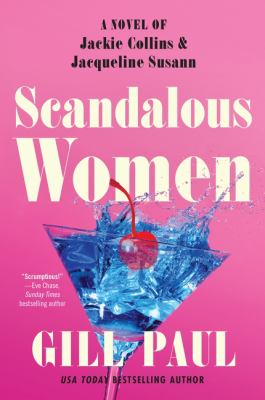
Scandalous Women by Gill Paul

A blue cocktail with a cherry in it splashes against a bright pink background.

by Angie E.

In the late 80s, when I first discovered the novels of Jacqueline Susann and Jackie Collins, I used to place paper bag covers over them to hide the title information and, I suppose, my shame in reading them. Nowadays, in the age of e-books, where no one has to know or can see what you’re reading, I am not at all shy about sharing my love of these two authors. 

Scandalous Women brings to life the dynamic and groundbreaking careers of both iconic ladies. Set in the 1960s, the story follows these trailblazing and vibrant women as they navigate the male-dominated world of publishing, facing rampant sexism and societal backlash for their bold, provocative works. 

Nancy White, a young editorial assistant becomes the unlikely link between these two literary powerhouses. As Jackie and Jacqueline strive to top the bestseller charts, they form an unexpected friendship, sharing their struggles and triumphs in a world that often seeks to silence them. Though there is no real world evidence to suggest they were friends in real life, Gill Paul has said that she loves to imagine that they could have been. 

Paul weaves together the personal and professional lives of these women, highlighting their resilience, ambition, and the price they pay for their success. Scandalous Women is written in the style and spirit of both authors and is a fun, yet ultimately serious look at writing as a woman in the 1960s. The way she captures their spirit, especially Susann’s, is pitch-perfect and is one of the reasons the book stays with you long after you finish. The good news is, if you like Gill Paul, she has written several other novels, just as compelling and enjoyable to read. 

To see Jaqueline Susann discuss literature (and that meshes well with what Scandalous is trying to say) click here:   

Angie is an Instructor & Research Specialist at Central Branch and is a co-facilitator for Reads of Acceptance, HCLS’ first LGBTQ-focused book club. Her ideal day is reading in her cozy armchair, with her cat Henry next to her.

Sheila Rohan: One of the Swans of Harlem

A deep golden background shows five dancers in a variety of poses, photographed in black and white.

Wed, Oct 9  | 7 – 8 pm  
HCLS Miller Branch

For everyone. Register here.

“A vibrant and captivating look at five trailblazing women.” —Arlington Magazine

Hear the story of The Swans of Harlem directly from former dancer Sheila Rohan, a founding member of the Dance Theatre of Harlem. These ground-breaking dancers performed for the Queen of England, Mick Jagger, Stevie Wonder, at the White House, and beyond. But decades later, almost no record existed of their history. Out of a sisterhood that had grown even deeper with the years, these Swans joined forces again—to share their story with the world.

Rohan toured extensively in the United States, the Caribbean and Europe, performing as soloist in several works in the repertoire, including Geoffrey Holder’s Dougla, Arthur Mitchell’s Rhythmetron. She was soloist and Ballet Mistress with the Nanette Bearden Contemporary Dance Theatre and toured China and Korea with the Myung Sook Chun Dance Company, a modern dance troupe. She performed the role of Rosa Parks in Gordon Parks’ televised ballet Martin and, as a choreographer, assisted legends such as Louis Johnson and Walter Rutledge.

Karen Valby’s book, The Swans of Harlem: Five Black Ballerinas, Fifty Years of Sisterhood, and Their Reclamation of a Groundbreaking History, tells the captivating tale in vivid detail, steeped in the glamour and grit of professional ballet. The Swans of Harlem offers a riveting account of five extraordinarily accomplished women, a celebration of both their historic careers, and the sustaining, grounding power of female friendship, and a window into the robust history of Black ballet, hidden for too long.

The Swans of Harlem: Five Black Ballerinas, Fifty Years of Sisterhood, and Their Reclamation of a Groundbreaking History is available in print and large print formats, and as an e-book and an e-audiobook on Libby/OverDrive.

Ancient History, Modern Tradition

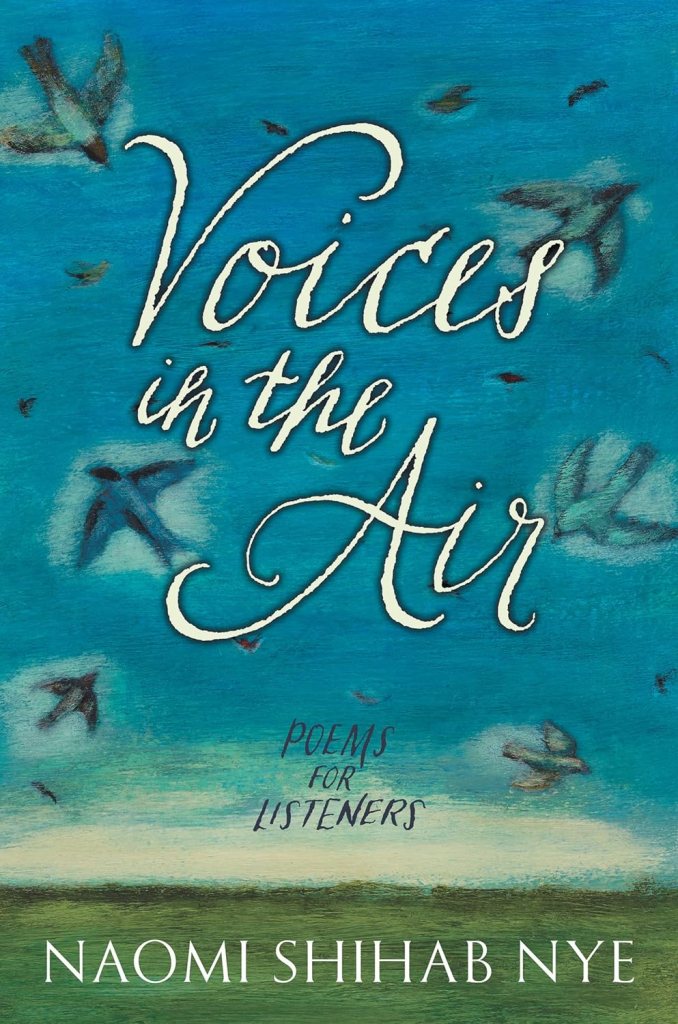
The book cover shows a number of birds that resemble swallows flying and swooping against a blue sky, with clouds in the distant background, low to the ground, and a grassy green landscape at the bottom.

by Sahana C.

I’m not a high school English teacher, so I rarely have an audience that will listen to me lecture about poetic tradition, but April is National Poetry Month, so there’s no better time to try. What if you pick up a book of poetry?

“Which one?” you ask me, as I thought you might.

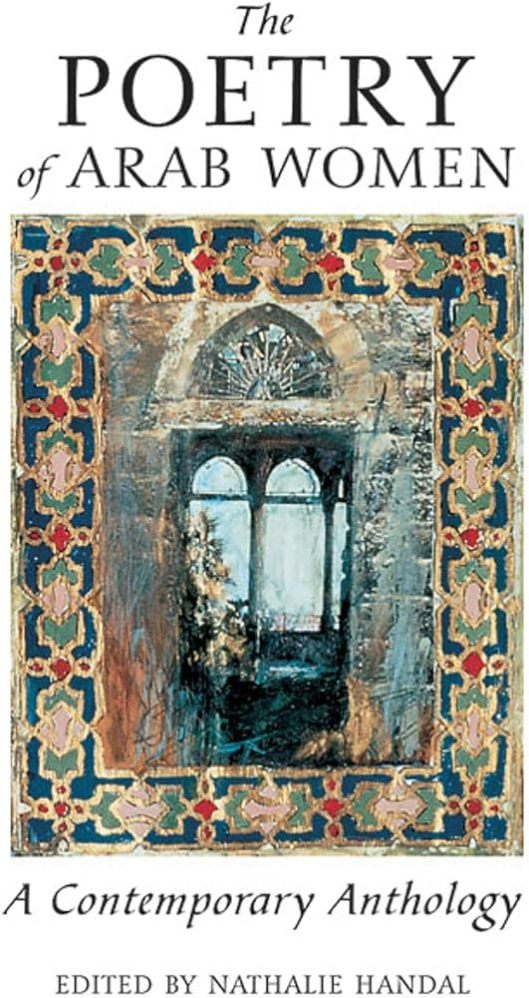
The book cover shows a view through arched window panes of a tree with white blossoms and a blue sky. The wall surrounding the window is constructed of brick and stone and is surrounded by a colorful geometric border in blue, green, and red.

Great question. Did you know that April also happens to be National Arab American Heritage Month?
One of the earliest forms of Arabic literature was poetry, but the oral tradition of Arabic poetry extends far beyond that. Flow, expression, and verbiage are singular in Arabic and the language was chosen by UNESCO as “the language of Poetry and Arts.” It only feels appropriate, then, to celebrate National Arab American Heritage Month alongside National Poetry Month. To highlight the perfect modern continuation of the ancient history, here are some Arab and Arab American poets to get you started:

  • Naomi Shihab Nye is the first Arab American Young People’s Poet Laureate and has several books for teens and children in our collection.
  • The Poetry of Arab Women: A Contemporary Anthology is deeply evocative, tying together the heritage mentioned above and making it accessible in the West, blending established poets and emerging voices.
  • Mahmoud Darwish is a prolific author, world-renowned for his lyrical work and vivid imagery.
  • Charif Shanahan wrote Trace Evidence about intersectional Arab American themes, a sense of place, queerness, and intimacy with oneself and one’s heritage.
  • Written by a wide variety of authors, This Is Not a Border: Reportage & Reflection from the Palestine Festival of Literature contains poems and essays reflected on PalFest and the power of culture.
  • Salim Barakat’s Come, Take a Gentle Stab is a compilation of Barakat’s most lauded work, and is translated to English from Arabic, drawing attention to the power of testing the limits of language.
  • Finally, one of the most celebrated Arab American authors, Etel Adnan’s work, Sea and Fog, cannot be omitted from this list; it’s a tour de force about individualism, place, and interconnectedness.
The abstract book cover, in shades of dark blue, turquoise, and grey, is painted in thick brushstrokes that could represent the ocean and/or bodies of land with a grey foggy sky in the background.

Check out the works above from your closest branch or online, and try poetry this month – there’s a reason poetry has such an ancient history, and it still hasn’t gone away.

Sahana is an Instructor and Research Specialist at the Savage Branch. They enjoy adding books to their “want to read” list despite having a mountain of books waiting for them already.

Spinster: Making a Life of One’s Own

The book cover has the title in stylized gold lettering and the subtitle with the appearance of handprinted red lettering against a cream-colored background.

By Angie E.

In her book Spinster: Making a Life of One’s Own, Kate Bolick invites us into a thoughtful consideration of remaining single. She weaves her own experiences with those of pioneering women from the past century, women who defied societal norms and forged their paths. These women include:

  • Neith Boyce: A columnist who challenged conventions.
  • Maeve Brennan: An essayist whose wit and insight left an indelible mark.
  • Charlotte Perkins Gilman: A social visionary who advocated for women’s autonomy.
  • Edna St. Vincent Millay: A poet whose passion resonates across time.
  • Edith Wharton: A novelist who crafted stories of love, longing, and independence.

Bolick’s exploration reminds us that the pursuit of a good life transcends societal expectations. Whether young and unencumbered or middle-aged and free, our years are ours to savor, not bound by convention.

One of the most liberating aspects of Spinster is its rejection of the notion that a woman’s worth is in and of itself tied to her marital status. Bolick celebrates the idea that a woman can lead a fulfilling and meaningful life without adhering to traditional expectations. She eloquently challenges the societal pressure to conform and encourages women to define their own paths, unapologetically.

Her exploration of solitude as a source of strength rather than a symptom of loneliness is especially affecting. In a society that can still view unmarried women past a certain age with pity or suspicion, Spinster is a rallying cry for independence, self-determination, and the dismissal of societal pressures.

As a 21st century old maid, I find comfort in the words of Kate Bolick and her celebration of the unconventional. And while I am all for defending singlehood at any age and claiming my cat lady status with pride, I have to confess to a part of me that loves fiction, especially romantic, which features old maids and spinsters who end up in love after all. The following are just a few titles that tickle my fancy:

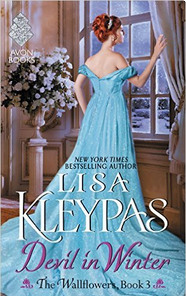
The book cover depicts a redheaded woman in a long, flowing light blue off-shoulder gown, with a vase of white flowers on a pillar behind her, gazing out a curtained window at a snowy outdoor scene.

Devil in Winter by Lisa Kleypas

  • Heroine: Evangeline Jenner, a shy and unconventional woman
    Plot: Evangeline proposes a marriage of convenience to the notorious rake, Sebastian St. Vincent.
The book cover, all in shades of blue and purple, is an illustration of a manor house surrounded by trees and foliage.

Romancing Mr. Bridgerton by Julia Quinn

  • Heroine: Penelope Featherington, a witty wallflower
    Plot: Penelope secretly writes a gossip column while harboring feelings for her best friend’s brother, Colin Bridgerton.
The book cover depicts a woman in an off-shoulder coral-colored gown with a bejeweled waistline and fluffy hemline. She is visible below the nose; the view does not reveal her eyes.

Nine Rules to Break When Romancing a Rake by Sarah Maclean

  • Heroine: Lady Calpurnia Hartwell, a spinster with a list of daring adventures
    Plot: Calpurnia seeks adventure and love, breaking society’s rules along the way.
The book cover has an illustration of a kneeling man in a suit, reaching out for the hands of the woman standing in front of him, who is wearing a magenta gown and high-heeled shoes. What appears to be a marriage proposal is taking place in front of a gazebo decorated with pink flowers and green foliage, and there are trees and stars in the background.

A Spinster’s Guide to Danger and Dukes by Manda Collins

  • Heroine: Poppy Delamare, who flees an “odious” betrothal to live in London as quiet and unassuming Flora Deaver
    Plot: Poppy agrees to marry the Duke of Langham to save her younger sister, but that’s only the beginning!

Being a cat lady and embracing spinsterhood doesn’t mean missing out on love. It means defining love on your terms, just as the heroines in these novels do. So, raise a cup of tea (or a cat) and embrace the joy of being unapologetically you! 📚🐾

Angie is an Instructor & Research Specialist at Central Branch and is a co-facilitator for Reads of Acceptance, HCLS’ first LGBTQ-focused book club. Her ideal day is reading in her cozy armchair, with her cat Henry next to her.

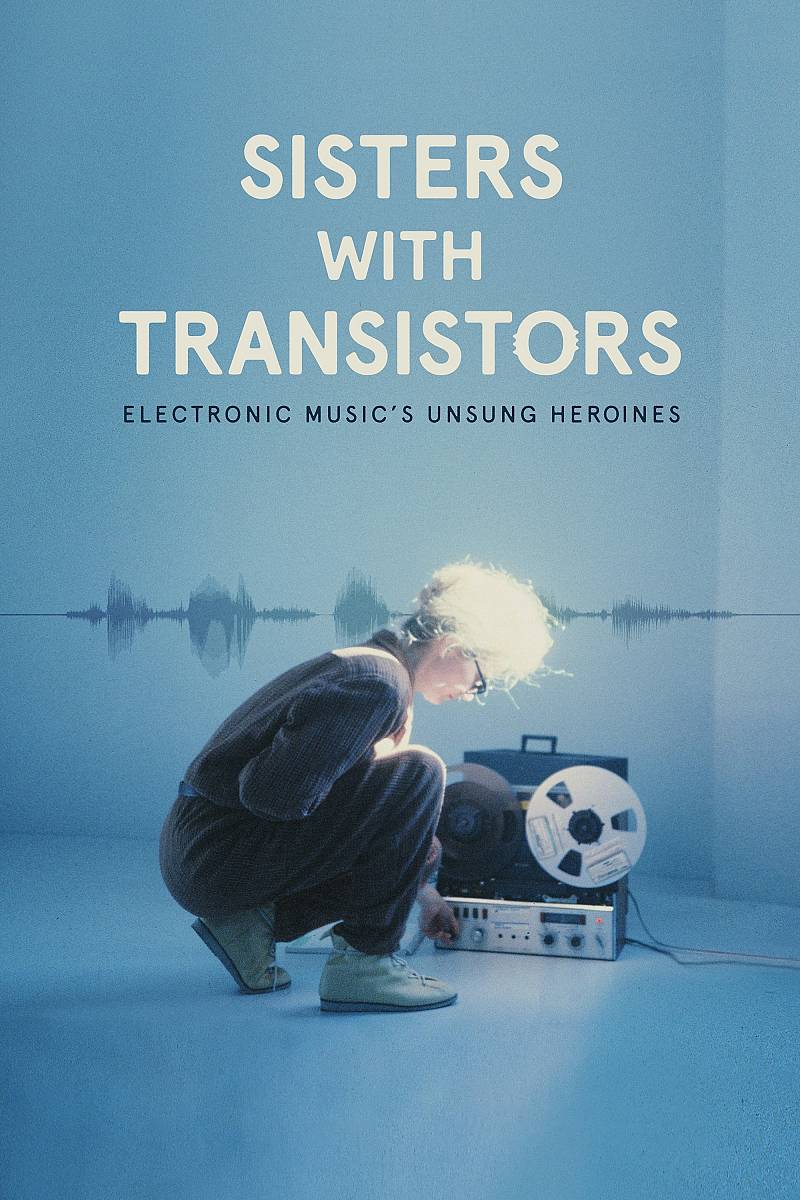
Sisters with Transistors

A woman squats in front of an old reel to reel recording device. Her hair appears white in a bright light and a sound wave rests behind her. The cover is a

by Robyn E.

“The history of women has been a story of silence, of breaking through the silence… with beautiful noise.” 

There was a time when a harmonious sequence of bleeps and bloops would not be considered music. Nowadays, the influence and techniques of electronic music are so ubiquitous, you can hear them in most songs found on the pop charts. A good number of my favorite music artists are influenced by this broad genre umbrella. The more sonically creative and mind-bending tracks I’ve enjoyed have made me wonder: Did they hear these magnificent sounds swirling in their heads first? Or did they just emerge from trial and error, through the persistent fiddling of knobs on machinery? 

Sisters With Transistors is a documentary film that puts the spotlight on the women who contributed to the birth of electronic music but who are often relegated to the background. They brought their experiences in math, science, and art along with a passion for experimentation to create sounds that, at the time, sounded like nothing that had existed on this planet before. Through archival footage and testimonies, we get to see each creator with their own equipment and hear about their creative processes, influences, and philosophies.

One important contributor was Delia Derbyshire, who arranged the electronic version of the opening theme to Doctor Who. She credited her love of abstract and meaningful sounds to the World War II air-raid sirens she heard as a child. The duo of Bebe Barron and her husband Louis Barron created sounds by overloading homemade circuits. Strange and unique sounds emerged from the resulting burnout which they then recorded, transformed, and edited. They are best known for creating the soundtrack to the movie Forbidden Planet, considered the first movie with an all-electronic score. There are many other stories like these to be found within the film. 

Some of the equipment that could be found in these pioneers’ studio-laboratories include homemade electronic circuits, tape recorders, electronic oscillators, and synthesizers. Each of the women featured harnessed new technologies for their creative liberation, in spite of fears that these same tools might instead be used for dehumanization. There was also, in a way, freedom for these women. Since they were not accepted through more mainstream outlets such as radio stations or record companies, they ultimately had more control over what they created. Adopting a DIY mentality was essential, not because they chose to, but because of the barriers they encountered.  

While watching this film, seeing the raw creativity and curiosity on display lit something in my own brain. I was taken back to a time in my younger years when I would experiment with tape recorders (did any other fellow 90s kids have a Talkboy tape recorder??), capturing snippets of sound effects, songs, and TV audio and assembling them into a sequence to create what I thought at the time were hilarious results. To be honest, I genuinely don’t think I could listen to those tapes now if I ever found them. Still, the liberating feeling of artistic experimentation and expression is an important one to keep alive. That same spark of creativity can be so difficult for me to capture these days, but I love to experience it vicariously through others. 

While certainly only a cross-section of the musicians who contributed to the genre, Sisters With Transistors offers a fascinating look at the women who helped lay the foundations for the evolution of electronic music that followed. Here’s to those who follow the call of the unknown and answer with unearthly and beautiful noise. 

Robyn is a Customer Service Specialist at the East Columbia Branch. She enjoys various media that paint a surreal or dark picture, animation, drawing, cats, and drinking coffee out of her Moomin mugs. 

Read about Women’s History Month

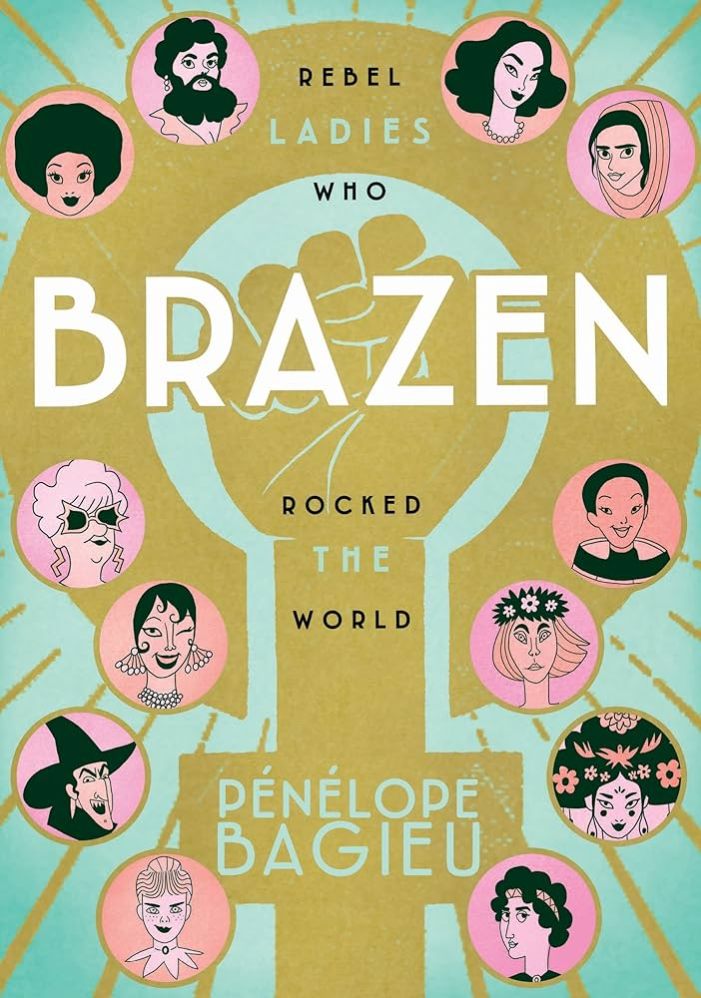
A pale green background with a golden symbol for female, with the center post an upraised fist, surrounded by illustrated heads of famous women.

by Emily B.

Women’s History was not always a month-long celebration. It started in 1980 as a week-long celebration. President Jimmy Carter offered these words as he issued his proclamation for the first Women’s History Week celebration:
“Too often the women were unsung and sometimes their contributions went unnoticed. But the achievements, leadership, courage, strength and love of the women who built America was as vital as that of the men whose names we know so well.”

Each year a new theme is chosen by the National Women’s History Alliance, a non-profit organization who lobbied and advocated for Women’s History Month to be recognized across the United States. The 2024 theme for Women’s History Month is “Women Who Advocate for Equity, Diversity, and Inclusion.” Check out these books celebrating women who did just that!

For adults
Valiant Women: The Extraordinary American Servicewomen Who Helped Win World War II by Lena S. Andrews (also available as large print, e-book, audio on CD, and e-audiobook.)
350,000 American women served during WWII, working as codebreakers, chemists, pigeon trainers, translators, and more. Learn about these unsung heroes and their previously untold stories.

The Women of NOW: How Feminists Built an Organization that Transformed America by Katherine Turk (also available as e-book and e-audiobook)
Learn about the women behind the creation of the National Organization for Women, a group that has advocated for gender equality, reproductive rights, racial justice, and LGBTQIA+ rights since its formation in 1966.

For teens
Turning 15 on the Road to Freedom by Lynda Blackmon Lowery
Read the memoir of the incredible teen who marched for civil rights alongside Martin Luther King Jr.

Brazen: Rebel Ladies Who Rocked the World by Pénélope Bagieu (also available as e-book)
This graphic novel focuses on some of history’s most impressive boundary-breaking women, like Mae Jemison, Nelly Bly, and Christine Jorgensen.

For children
Planting Stories: The Life of Librarian and Storyteller Pura Belpré by Anika Denise (also available on DVD)
Learn about Pura, the first Puerto Rican librarian in New York City. She advocated for the Spanish-speaking community by offering bilingual story times and purchasing Spanish language books. (Also available in Spanish.)

Fall Down Seven Times, Stand Up Eight: Patsy Takemoto Mink and the Fight for Title IX written by Jen Bryant; illustrated by Toshiki Nakamura
Patsy Takemoto Mink was the first woman of color in Congress and was a huge proponent in passing Title IX, which prohibits discrimination based on sex in education programs.

Emily is an Instructor & Research Specialist at the Central Branch. She enjoys puzzling, reading, listening to music, and re-watching old seasons of Survivor. 

The Once and Future Witches by Alix E. Harrow

A scrolling banner that reads The Once and Future Witches weaves among roses and greenery, along with a pair of silver scissors, a red snake, and a blackbird

by Kristen B.

Once upon a time, there were three sisters. I love a story about three sisters, probably because I am one. The Once and Future Witches grabbed my attention right away with Bella, Agnes, and James Juniper Eastwood. Bella is the bookish, rule following oldest (hello, yes, it’s me), followed by the fiercely independent Agnes who guards her heart, then the rebel, wild child June. They were separated from each other and their home in Crow County before the book opens but are unexpectedly reunited in New Salem as the story begins with a dramatic rally.

This wonderful, rich, layered novel closely weaves together many elements, including witching, suffrage, civil rights, and nursery rhymes. Witchcraft is forbidden, even if every woman knows a spell or two for domestic tasks and other “unimportant” business. It used to be more. Except women became too powerful (in whose eyes?), and the witch hunters burned down Old Salem. Since that time, the Way of Avalon, with its last Three witches, has been lost. Until all three Eastwood sisters were pulled into the town square by a strange spell that called the black tower of Avalon, briefly, into being above them.

This launches the Eastwoods into forming the Sisters of Avalon, a secret society of women who want to reclaim witching. By pooling knowledge and handed down stories, the sum becomes greater than its parts. They begin to piece together not just more power than any single woman had on her own, but what was lost when Old Salem burned. Each chapter begins with a small spell, mostly based on old nursery rhymes or superstitious sayings, along with the ingredients to make it work. Every spell needs the words, the way, and, most importantly, the WILL. None of the women in this book lack willpower, that’s for sure.

The sisters also have messy personal lives that compound the larger story. Agnes, who works in a mill, is unmarried and pregnant, and she chooses to raise the next generation of Eastwood women. Bella falls in love with a nosy newspaper-woman, who has keeps an interesting set of secrets within the Black community of New Cairo. This slow-burn romance lends an unexpected joyful note to the proceedings. And Juniper, well, she has her own murderous secrets and lonely heartaches.

Inevitably, the Eastwood sisters and the Sisters of Avalon cross the Powers That Be and all seems lost. But, not put too fine a point on it, where’s there’s a Will, there’s a Way. The end absolutely delivers on the promise of that first meeting in St. George’s Square. One of the things I appreciated about this novel was the villain, who is entirely, unapologetically villainous. Not many stories have such a defined antagonist these days, and it made the final showdown more meaningful.

I fell headlong into this story and was glad I picked it up over a long weekend where I didn’t feel guilty about losing an afternoon or two. It’s a long one, at 500+ pages, but I enjoyed spending the time with the Eastwood sisters, their friends, and their lovers. A brief review doesn’t really do the entirety of the story justice, but I don’t want to spoil the enjoyment of how the Eastwood Three – Maiden, Mother, and Crone – reclaim all that is rightfully theirs.

This title is available in print, e-book, and e-audiobook. You’ll have to wait for the electronic copies, but the physical book is ready to borrow.

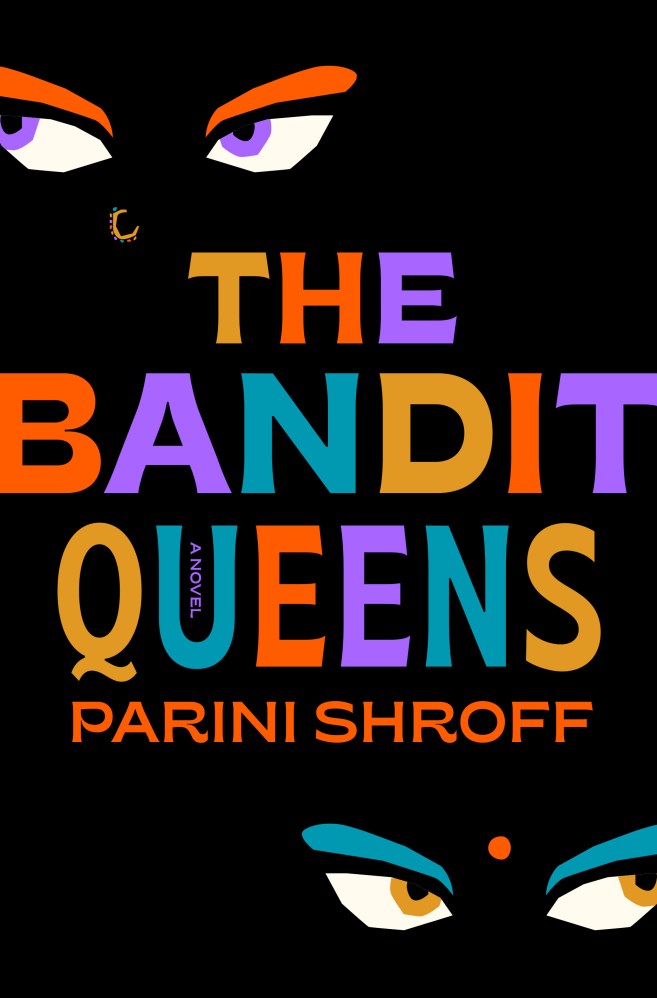
She’s Got a Reputation. It Would Be a Shame to Waste It.

A black cover with multi-colored type in yellow, orange, purple, and teal. Illustrated women's eyes look to left and right, one sporting a nose ring and the other a bindi.

Meet the Author
Wednesday, Mar 8
7 – 8 pm
online – you will receive a link after registration.

“[A] wild ride. Very funny—like, laugh out loud funny.” —NPR

Enter Parini Shroff with her debut novel, The Bandit Queens. I loved this novel because it offers a rare perspective into Indian women – their entrepreneurship and business acumen as well as their spunk and solidarity, and it does so without minimizing their traditionally burdensome role in society. A very difficult balancing act that Parini pulls off with aplomb. Filled with clever criminals, second chances, and wry and witty women, it’s a razor-sharp debut of humor and heart.

A young Indian woman finds the false rumors that she killed her husband surprisingly useful — until other women in the village start asking for her help getting rid of their own husbands. Five years ago, Geeta lost her no-good husband. As in, she actually lost him — he walked out on her and she has no idea where he is. But in her remote village in India, rumor has it that Geeta killed him. And it’s a rumor that just won’t die.

Freedom must look good on Geeta, because now other women are asking for her “expertise,” making her an unwitting consultant for husband disposal.

Join us on Wednesday, March 8 from 7-8 pm as Parini discusses her book with Faye McCray.

“This funny, feel-good read is a rollicking ride rife with memorable characters involved in ill-fated hijinks. It also serves up commentary on class, power dynamics and the role of women in society, with a feminist history lesson to boot.”—Good Housekeeping

Parini Shroff received her MFA from the University of Texas at Austin. She is a practicing attorney and currently lives in the Bay Area.

Faye McCray is an author, playwright, and journalist whose work has been featured in the HuffPost, Parade Magazine, Little Patuxent Review, AARP Magazine, Madame Noire, Black Girl Nerds, and other popular publications. Faye is a proud board member of the Howard County Poetry and Literature Society and Hopeworks.

The Bandit Queens is available in print and as an e-book.