“A bold and soaring work of history …whip-smart, deeply researched, and beautifully written.” ~ Jonathan Eig, Pulitzer Prize-winning author of King: A Life
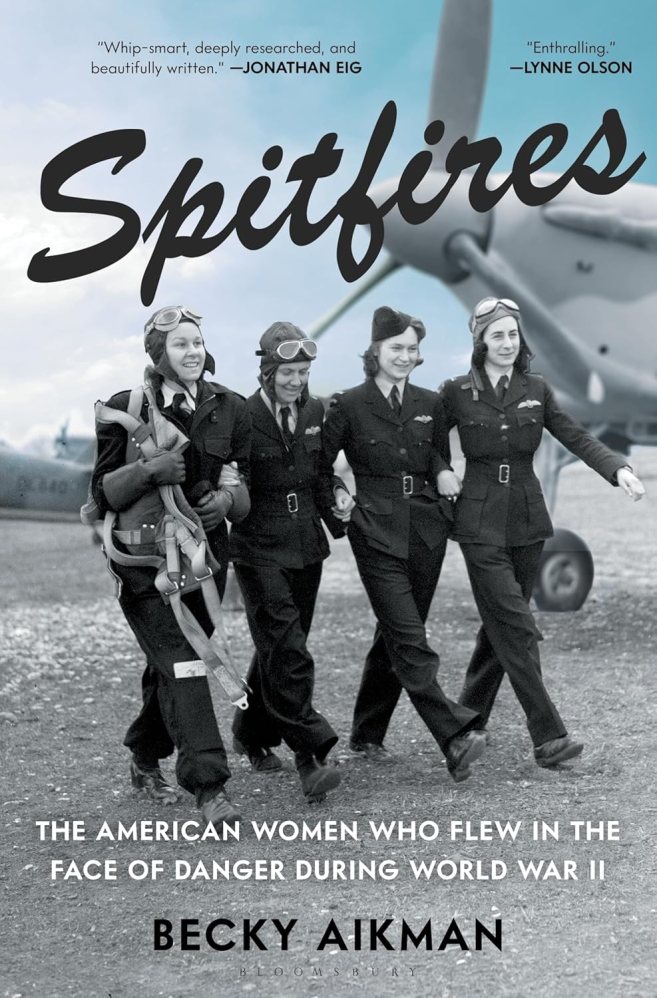
The heart-pounding true story of the daring American women who piloted the most dangerous aircraft of World War II through the treacherous skies of Britain. They were crop dusters and debutantes, college girls and performers in flying circuses–all of them trained as pilots. Because they were women, they were denied the opportunity to fly for their country when the United States entered the Second World War. But Great Britain, desperately fighting for survival, would let anyone serve in this capacity: even Americans, even women piloted warplanes. Thus, 25 daring young aviators bolted for England in 1942, becoming the first American women to command military aircraft.
In a faraway land, these “spitfires” lived like women decades ahead of their time. Risking their lives in one of the deadliest jobs of the war, they ferried new, barely tested fighters and bombers to air bases and returned shot-up wrecks for repair, never knowing what might go wrong until they were high in the sky. Many ferry pilots died in crashes or made spectacular saves. It was exciting, often terrifying work. The pilots broke new ground off duty as well, shocking their hosts with thoroughly modern behavior.
With cinematic sweep, Becky Aikman follows the stories of nine of the women who served, drawing on unpublished diaries, letters, and records, along with her own interviews, to bring these forgotten heroines fully to life. Spitfires is a vivid, richly detailed account of war, ambition, and a group of remarkable women whose lives were as unconventional as their dreams.
Becky Aikman is the author of two books of narrative nonfiction: her memoir, Saturday Night Widows (available as an e-book from CloudLibrary and an e-audiobook from Libby), and Off the Cliff: How the Making of Thelma & Louise Drove Hollywood to the Edge. A former journalist at Newsday, Aikman has written for The New York Times, The Los Angeles Times, and other publications. She lives in New York.
My sister-in-law recommended this book, and I’m glad she did! I could have read this book in one sitting if had I the time and stamina. It was one to be devoured. My SIL shared with me how she loved the descriptions and how she wished she had a little more background knowledge for some of the scenery or architecture described. I think that’s a fair desire, especially since when most people think about historical fiction during WWII, they tend to think about the European theater, not the Pacific. Then, when people do consider the war in the Pacific, it’s still in reference to American involvement with Pearl Harbor and the atomic bomb. Truly, your background knowledge depends on which side of the world you grew up and the history you were taught.
I felt at home, in a way, because this book brought Guam back to me with its descriptions of the climate, flora and fauna, and customs. Malaysia is not all that different from the island, except that Malay is the main language and it is slightly hotter year-round. My father was eight years old when he had to flee his town in the Philippines and hide in the mountains. He told me how he hid in the back of a truck under packed bags and a blanket, eating peanut brittle. He shared with me some of the more frightening tales involving a shootout and watching a beloved caregiver dying while he was pulled away. Then, how he became unlikely friends with a couple of Japanese soldiers when he was 11 or 12 years old, trading fish for candy and playing games to pass the time. All his stories came to mind while reading this book, so it felt real and true to me.
This debut novel is set in Bintang, Kuala Lumpur during the British rule and Japanese occupation of Malaysia. We engage in a kind of transformative-grief-time-travel that colonization and war bring through the experiences of a mother and her children. The descriptions and feelings in this story, told through the perspectives of four of the characters, are great. The nosy and gossipy neighbors, the heat and humidity that make clothes cling to skin, the internal anger and disgust that comes from being oppressed, the temptation and seduction of something dangerous and thrilling, and the pain and anguish of not understanding what is happening to you but knowing it’s still wrong.
Chan crafts a remarkable account of the characters who make up the Alcantara family, who are Eurasian and in and out of place simultaneously. Each person is struggling with their place in the family, in their community, and in the world. Grappling with their identity and belonging, they navigate the racism of the British rule only to later struggle with the treachery of war and subsequent Japanese occupation. No one is safe, not even the most innocent and blissfully unaware, who in the end also succumb to the impact of war.
I appreciated the care with which the author, Vanessa Chan, treats the complexity of the various kinds of relationships within this story. I believe that is because she’s woven parts of her own family history into this fiction, making it feel so true to life. Perhaps you will come to understand how occupation and colonization are the same thing, if only for the difference of time and who you decide are the villains. No person is a perfect hero or a perfect villain. Everyone is human and suffers from the human condition.
TLDR: I cried. That’s the review. I cried and it was worth it!
The Storm We Made by Vanessa Chan is available in print and e-book.
JP has worked for HCLS since 2006. She enjoys gallivanting, Jollibee, and all the halo-halo she can eat.
Veterans, both active and retired military, participated in a recent online book discussion series. During five monthly facilitated sessions, conversations centered on military experiences and a unique set of readings, which included classics, fiction, memoirs, poetry, short stories, articles, and essays. The readings related in some way to military experiences or offered a veteran’s perspective. A new session begins in 2023. The Veterans Book Group is coordinated statewide by Maryland Humanities and is supported in part by the Wawa Foundation.
“If I had to narrow it down to one, it would be The Forgotten 500 by Gregory A. Freeman. The book recounts the details of American airmen shot down in Nazi-occupied Yugoslavia, and the local Serbian farmers who risked their lives to give them refuge. I really enjoyed learning about a relatively lesser-known WWII operation, and I’m always fascinated by the lengths to which humans will go to help one another when faced with desperate circumstances. This book was really good.” – Dave O.
—
“With the Old Breed: At Peleliu and Okinawa by Eugene B. Sledge is, perhaps, the finest individual memoir of the Pacific War. John Keegan, the noted British military historian, spoke highly of it. Ken Burns used it as a source for his documentary, The War.” – Eugene O.
—
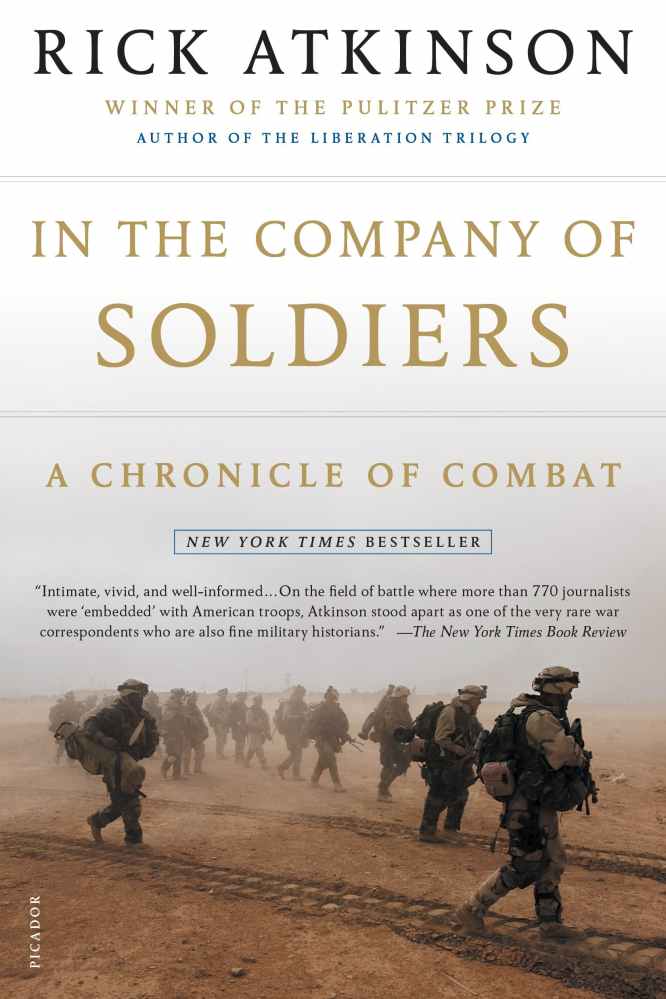
“In The Company of Soldiers: A Chronicle of Combat by Rick Atkinson was my favorite book of the list we had to read. I like all books that have to deal with soldiers and this was one of the best. This book was well written and contained many individual issues that affect soldiers.” – Ron B.
HCLS joins the wider community in remembering with gratitude the service of our veterans, including the HCLS employees who have served. We are thankful for their patriotism, their willingness to serve and sacrifice for their country in wartime and in peacetime, and their love for and loyalty to our country and its citizens.
Rohini G. is an Adult Curriculum Specialist with Howard County Library System who coordinates the Veterans Book Club.
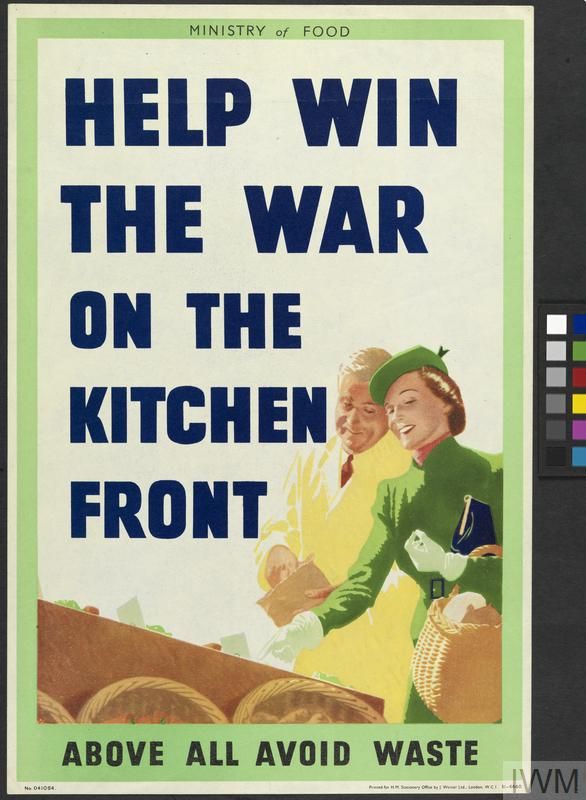
The Kitchen Frontby Jennifer Ryan could be easily categorized (and perhaps dismissed) as “women’s fiction” since it offers a solid look at four women’s lives in 1942 Britain. I rather despair of idea that novels about women and their daily travails are some how less weighty or less literary than more masculine options. This book is a highly readable reminder that not all the wartime effort took place on the continent and upon the seas, amid spies and battles. The first page provides a list of what a week’s worth of rations were for an adult – and let me tell you, it wasn’t much! Rationing continued in the UK for more than a decade after the end of the war, and I have wondered if we could have sustained that kind of national effort. We tend to look back at the 1950s of a time of growth and prosperity in the US (although not for all demographics), but it was a very different prospect for our allies.
It naturally fell to women to figure out how to make rations stretch to feed their families. In the days before packaged or frozen foods, everything was local and homemade, and the reality was that nobody got enough to eat by modern standards. Gardens (along with pigs, chickens, and bees) were a survival strategy, not just patriotic palaver. The BBC really did host a show called The Kitchen Front, which included ideas and recipes to make rations work and stretch – whether it was tinned sardines, Spam, or some other unfamiliar type of protein, like whale meat. This book starts with that show and adds a fictional local contest to find a relatable female host.
Of the four main characters and contestants in the book, Audrey spends her entire waking life working to feed her family and maintain their house. Her husband was an early RAF casualty, and she has three growing, hungry boys. Her husband was also an artist who mortgaged their home to the rafters, and she is left baking pies and cakes to try to make ends meet. Her home and garden become the center of the story in crucial ways.
The other three main characters each have their own private battles to fight. Gwendoline is Audrey’s sister, though she married up with the local fat-cat businessman and landowner. While a social success, the marriage and the man have proven to be unhappy decisions. The kitchen maid and apprentice cook at Gwendoline’s manor house, Nell, needs a little confidence in her own skills. She provides a young, hopeful perspective. The final woman, Zelda DuPont, worked as a French-trained chef in fancy London hotels before the war brought her to head the canteen at Gwendoline’s husband’s pie making factory. Zelda has fought tooth and nail to succeed in a man’s world before an unscrupulous, handsome cad leaves her heading to the country, an unmarried mother to be.
The convenient machinations of the contest and various plot lines bring all four women together, with Gwendoline having a connection to each of the women but Audrey operating as the beating heart of the story. The plot is mostly predictable, but I didn’t mind that at all. The characters are so wonderful, each in her own way, that I loved spending time with them. Not only did I need to know who wins the BBC contest, I enjoyed their unique points of view and individual struggles. Is it better to marry for love or money and position? Is it better to have a career or raise a family? It is better to be in service or more independent? There are no right answers, but women still struggle with these questions and the myth of “doing it all.” But when we support each other and do it together, everyone wins.
Kristen B. is a devoted bookworm lucky enough to work as the graphic designer for HCLS. She likes to read, stitch, dance, and watch baseball (but not all at the same time).
Elie Wiesel was a Holocaust survivor in addition to a prolific author and Nobel laureate. Reading Night for the second time (I first read it many moons ago when I was in college) reminded me both of the horrific things he and his fellow prisoners suffered at the hands of the Nazis during World War II, and of that lesson from The Skeptics’ Guide to the Universe. How much of Wiesel’s memoir could I trust? I learned from reading The Skeptics’ Guide to the Universe that everyone’s memory of events is imperfect. How does that help or hinder us from learning about a Nobel Prize winner and human rights advocate’s experience when we read his first book, Night?
As we just recently passed the 80th anniversary of America’s entrance into that war on December 7, 1941, we are closer and closer to the time when no eyewitnesses to the Holocaust will be alive anymore. Thankfully, there is now an entire genre of books detailing and remembering the experiences of many survivors of the Holocaust. Though the stories are all different, the one theme that comes through almost all of them is the incomprehensible brutality and inhumanity the Germans perpetrated on 6 million Jews simply because they were Jewish, and countless others for being gay, Roma, communists, or anything else the Nazis didn’t like.
Night is a symbol of all the darkness that the victims of the Holocaust felt. The fear, the hunger, the horrid conditions, the not knowing what any minute or hour or day might bring. The lack of hope, and the lack of trust even in your fellow prisoners. In some ways, it’s amazing that any of them survived.
But in Wiesel’s life, I think that Night represents something else as well – his doubt of his faith. Wiesel makes it clear that he grew up as a religious Jew in Sighet, Romania, and that family and religion were two of the most important things to him. Yet as he witnessed the Holocaust, his faith began to leave him. Those who are avid fans of his writings will find these struggles throughout many of his books, and how he resolves it as well. But in Night, he makes clear how his faith is failing in a particularly gruesome scene. The Nazis have just hanged three victims, one of them just a boy (for those of you who wonder why, does it matter? That’s the kind of “night” all the prisoners had to deal with). The two older men die quickly from asphyxiation, but the boy, who doesn’t weigh much, dangles from his noose for a while before finally succumbing. Wiesel reports, “Behind me, I heard the same man asking “For God’s sake, where is God?” And from within me, I heard a voice answer: “Where is He? This is where – hanging here from this gallows…”
After working through his theological crisis, Wiesel went on to become a professor, a father, and a strong voice and advocate for human rights everywhere. That’s what earned him the Nobel Peace Prize in 1986, “for being a messenger to mankind: his message is one of peace, atonement and dignity.” The lesson we should all take from this is that no matter the hardships we may face, or how palpable the darkness we feel may seem, we can overcome and do great things with our lives.
Holocaust Remembrance Day Book Group is discussing Night by Elie Wiesel, with the conversation led by Rabbi Fuller. Join us online January 27 at 6:30 pm. Register.
Rabbi Gordon Fuller is an independently ordained rabbi who grew up in Detroit but has lived in many other places. He moved to Columbia, MD in 2015 to be near children and grandchildren.
Rabbi Gordy worked in Jewish education for 20+ years before being ordained and has co-authored two books. He is as passionate about pluralism and the environment as he is about his family and the Jewish peoplehood.
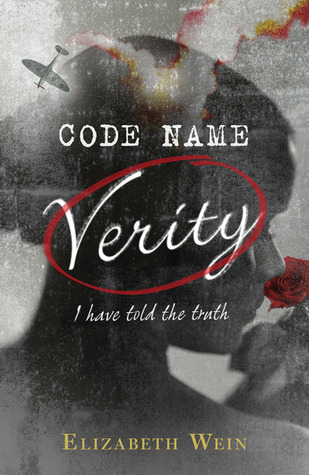
One of the current hot trends in publishing involves telling the previously overlooked stories of women during World War II, from code breakers at Bletchley Park and Arlington Hall to spies who worked with the Resistance. It seems they are everywhere right now. My all-time favorite, and one of the first in this sub-genre, is Code Name Verity by Elizabeth Wein (technically YA, but I have no idea why).
Two young British women become bosom friends and compatriots in supplying occupied France with intelligence. Maddie is an amateur mechanic and pilot, who works ferrying planes around the UK to various RAF bases and sometimes across the Channel. She loves flying with an undying passion. I learned more about early aircraft than I wanted, to be honest. Men were needed as combat pilots, so women flew most of the personnel and supply shuttles. Maddie has a heart of gold and a desire to make a difference despite her lack of social standing or eduction. She’s the perfect foil to Queenie (code name Verity), a member of the upper class with a wicked ability with languages and acting, who is recruited directly into intelligence work. Not to put too fine a point on it, our girl is a perfect spy. Her nom de guerre means truth, and the entire book hinges on figuring out which parts of her story are true.
The two become unlikely friends through their brief careers, including one scene where they end up lost on their bikes in the rain because all the road signs have been removed. When Queenie ends up captured behind enemy lines, everyone fears the worst. Verity is the main narrator for the book, and to say she’s unreliable doesn’t even begin to capture the reality. The plot is a breathless dash of misadventure and raw calculation, and you’re never quite sure what’s going to happen next. Sometimes friendship saves the day, and sometimes a book rips your heart from your chest and leaves you a wreck on the sofa. Maybe I’m saying too much … but really, just read it!
Equally fraught if less devastating, The Women in the Castle by Jessica Shattuck gives us an unusual and moving look at German women in the immediate aftermath of the war. Three women and their children find themselves living together in a derelict castle in Bavaria, doing their utmost simply to survive. The property belongs to Marianne von Lingenfels, member of the landed aristocracy and wife of one of Hitler’s detractors. When her husband and other conspirators in the 1944 assassination attempt on Hitler are summarily executed, she tries to fulfill her promise to save as many other wives and children as possible.
She manages to find two: Benita and Ania. Benita, a classic German beauty, flees her family’s impoverished life by marrying Marianne’s best friend from childhood. Ania and her two boys escape from the far eastern regions and trudge through much of the country, dodging Russian soldiers and American GIs, before reaching the safety of the castle. The three women and their six children band together in unlikely friendship to outlast the worst depredations and devastations. In one of the most moving scenes, everyone in the castle and the connected village attends an Advent service in the local ruined church, and the power of the sacred music and a clear, cold night brings a much-needed moment of hope.
As the book progresses, we learn each woman’s history and gain some understanding of how they come to be within the castle. Benita suffers all a beautiful woman at the mercy of an enemy can expect. Marianne, used to privilege and a life filled with intellectual rigor, maintains a moral viewpoint that allows for very few shades of grey – despite being in a time and space that demands them. And Ania, my favorite character by far, lives almost entirely within those grey spaces in the most practical manner possible. Her background of supporting the Nazi agenda until she could no longer ignore the atrocities portrays the “good German” conundrum all too well.
The book catalogs the necessary sacrifices and compromises, from the reality of marauding renegade soldiers to the plight of Displaced Persons. It’s a fascinating portrayal of how people move forward, trying to make it through today, tomorrow, this week, this month, this year. It made me think about how this is not a sexy, heroic story, nor is it a tragic tale of valiant derring-do and winning through at all costs. Shattuck gives us – gifts us – three fairly ordinary German women thrown together in dire circumstances who survive … because what else was there to do?






 CHAPTER CHATS