As of Tuesday, December 20, Howard County Library System offers video games!
For this pilot project, we have a small selection of games for XBox, Nintendo Switch, and PlayStation 4 and 5. Games are rated E, E10+, and T. Here’s what you need to know:
Almost everyone* can borrow games from the collection.
Due to limited supply, you can borrow one item at a time. Since this collection is new and small, we want to give as many customers as possible the opportunity to borrow a video game.
You can keep the game for one week and renew it for another week, if no one else is waiting for it.
You can reserve one game through our catalog at hclibrary.org.
Overdue fines are $1 per day, with a $10 maximum.
If you don’t return a game within 28 days after it’s due, we’ll charge you the cost to replace it. So please return your game!
Visit your library, pick up a game case, then take it to the customer service desk to get the game.
*Games may not be borrowed with these types of library cards: Educators, Homebound, Satellite Collections, DIY, and Temporary Residents.
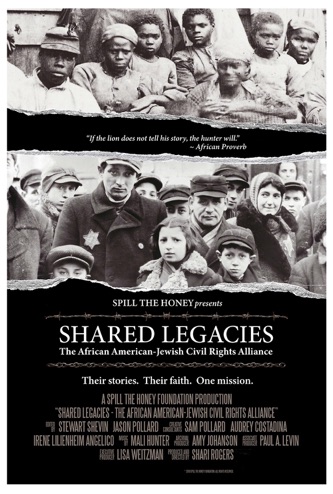
Shared Legacies depicts inspirational African American and Jewish collaboration in the 60s Civil Rights era, shows that connection changing, and calls for it to be renewed in light of “divisive seeds of hate taking root anew in the American landscape.”
After viewing, participants and panelists from the African American and Jewish communities ask:
Can the legacy continue? How can our communities move forward with a shared agenda to promote racial equity in Howard County, as well as fight for an inclusive economy, education, and healthcare for all, and the equitable dispensation of justice?
Is there a joint role in the era of mass-incarceration and the post-January 6th America?
Can we move from friction (like that surrounding Ye and Kyrie Irving) to relationship and shared action?
Films for Change is a series of documentaries about racial equity, each followed by panels featuring local leaders and organizations. Sponsored by the Horizon Foundation.
In partnership with the African American Community Roundtable, the Jewish Community Relations Council of Howard County, The Martin Luther King Jr. Holiday Commission, and the Howard County NAACP.
Inequity Within Report
Over the last two years, Howard County Library System engaged more than 600 people in racial equity training. Using national data about disparities across education, health, housing, and legal systems, the trainers found that racial inequity looks the same across systems, socioeconomic difference does not explain racial inequity, and systems contribute significantly to disparities. Howard County Library System’s new Inequities Within: Issue of Inequity Across Communities report examines the racial equity landscape in Howard County and across the state of Maryland. The data show disparities across education, healthcare, housing, economic, and legal systems for every racial group.
In Howard County, for example:
Black residents are three times more likely to be denied a home loan than non-Hispanic white residents.
Hispanic students are 5.4 times more likely than white students to skip school because they felt unsafe.
Asian residents in the county are 1.8 times more likely to face poverty than non-Hispanic white residents.
As one of the wealthiest, healthiest, and most diverse communities in the state and the US, the belief that racial inequity does not exist here can be a hindrance to addressing those disparities.
We invite you to read the report, educate yourself, and join with us and others in this work.
For opportunities to learn more and discuss with community members, check here for classes and events.
Funded by a grant from the Institute of Museum and Library Services and administered by the Maryland State Library Agency
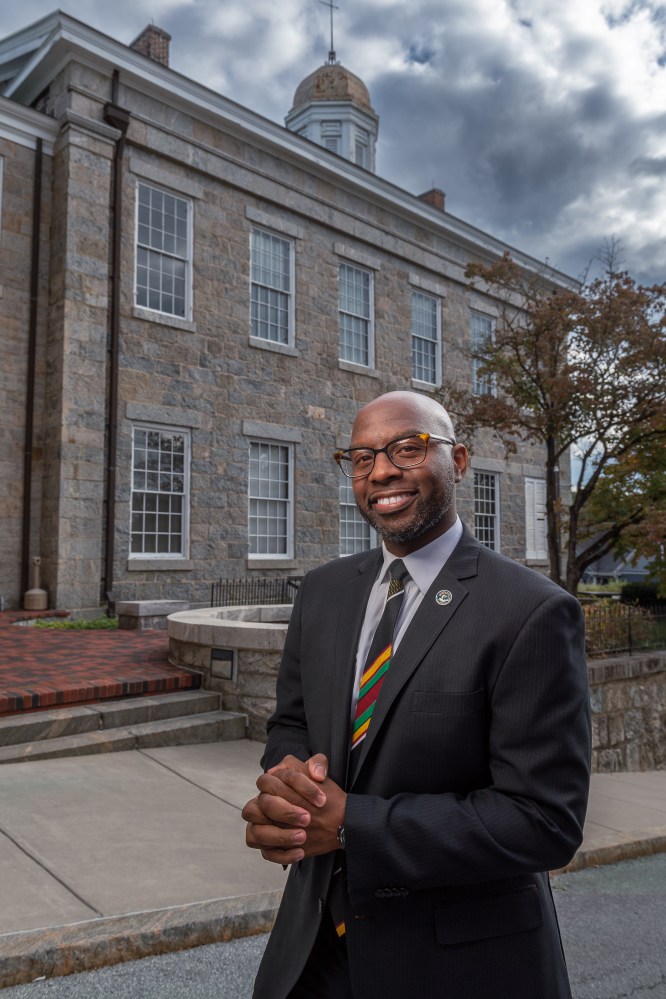
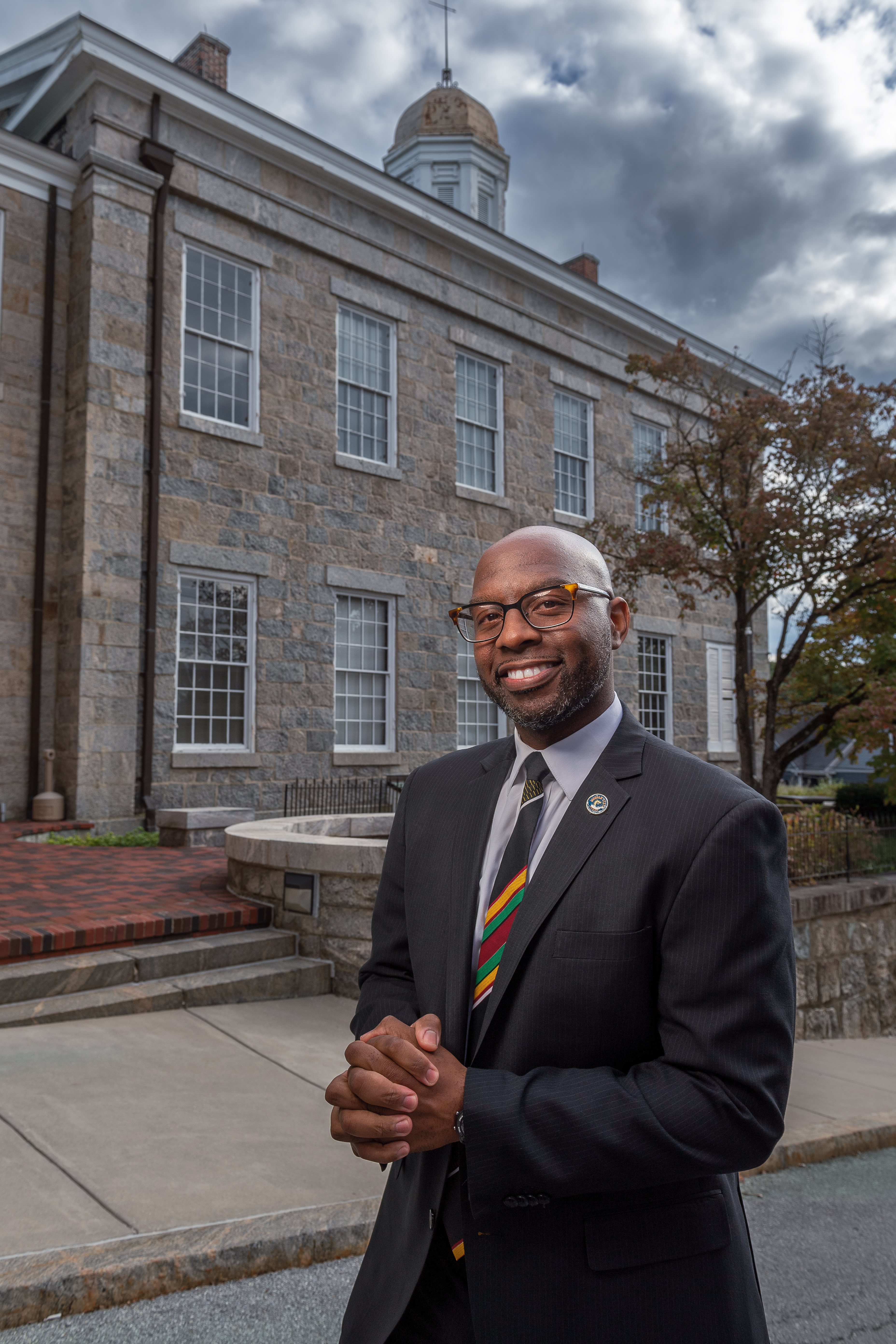
Marcus Sankofa Nicks is an educator, researcher, and historian of African American History. He regularly facilitates conversations surrounding the African American historical experience, the topic of race, and its present-day implications. He has served in the Howard County Public School System for more than 12 years, primarily supporting Black/African American students through a culturally relevant, trauma-informed approach. Since then, he has established History Heals Consulting, LLC, which uses African American history as a vehicle to aid schools, institutions, and businesses in fostering healthy and inclusive environments.
Nicks offers a multi-session course that takes a comprehensive and expansive look at the history of African Americans in Howard County. It covers the influences and contributions of African Americans from the earliest beginnings of Howard County up to the contemporary era. He provides historical accounts and a wide range of perspectives on the diverse experiences of African Americans.
The Establishment of Columbia, The Rouse Dream, and Its Impact on African Americans
Monday, Dec 12 at 6:30 – 8:30 pm Central Branch Register at bit.ly/hclsheal3
What was your first job? After graduating from Bowie State, an Historically Black University, I became a substitute teacher. I taught in Howard, Anne Arundel, and Baltimore Counties, and the educational landscape of these school systems helped give me a broad sense of how to engage students of various ages, backgrounds, and socioeconomic statuses. After a year, I decided to return home to the Howard County Public School System as a full time educator.
What is a book you’ve read that changed how you think about a topic or your life? A book that significantly shaped how I think about life and see the world was The Autobiography of Malcolm X, as told to Alex Haley. I remember there being so many mixed depictions about Malcolm X, so I decided to read the book for myself. I read it as a college student and remember it being more intriguing to me than any textbook. I found a lot of resonance to my life as a young adult. The book had many themes that provoked me into thinking more broadly on topics such as coming of age, trauma, racism, colorism, mental health, family dynamics, the incarceration system, Black Nationalism, peer relationships, Black history, and leadership. I found Malcolm’s X’s evolution inspiring and believe that we share similar qualities, such as the intent to educate and be studious, a work ethic, being a researcher, and using words and speech to analyze society critically.
What inspires/motivates you? My family inspires and motivates me every day, since I know that what I do builds off a generational legacy. My parents always encouraged me to pursue education. My wife and life partner has always fully supported me along my journey. I am deeply inspired by my daughter, who pushes me to be the best version of myself possible as a father. She continues to give me a reason to leave behind a legacy for her to be proud of.
I am further inspired each day through the lessons of history and the stories of those who rose above adversity amidst seemingly insurmountable odds. Lastly, I am inspired and motivated by anyone who is passionate about their craft.
If you could travel anywhere, where would you go? I’m generally content with a quiet space to read and study (haha), but I would love to visit the continent of Africa. Africa has given so much to the world. I would love to visit the place where scientists have said human life first began. I would also love to experience the culture of various countries throughout the continent. Africa has been such an integral aspect of my studies, and I believe traveling there directly would have such a profound impact on me and my family that it couldn’t be put into words.
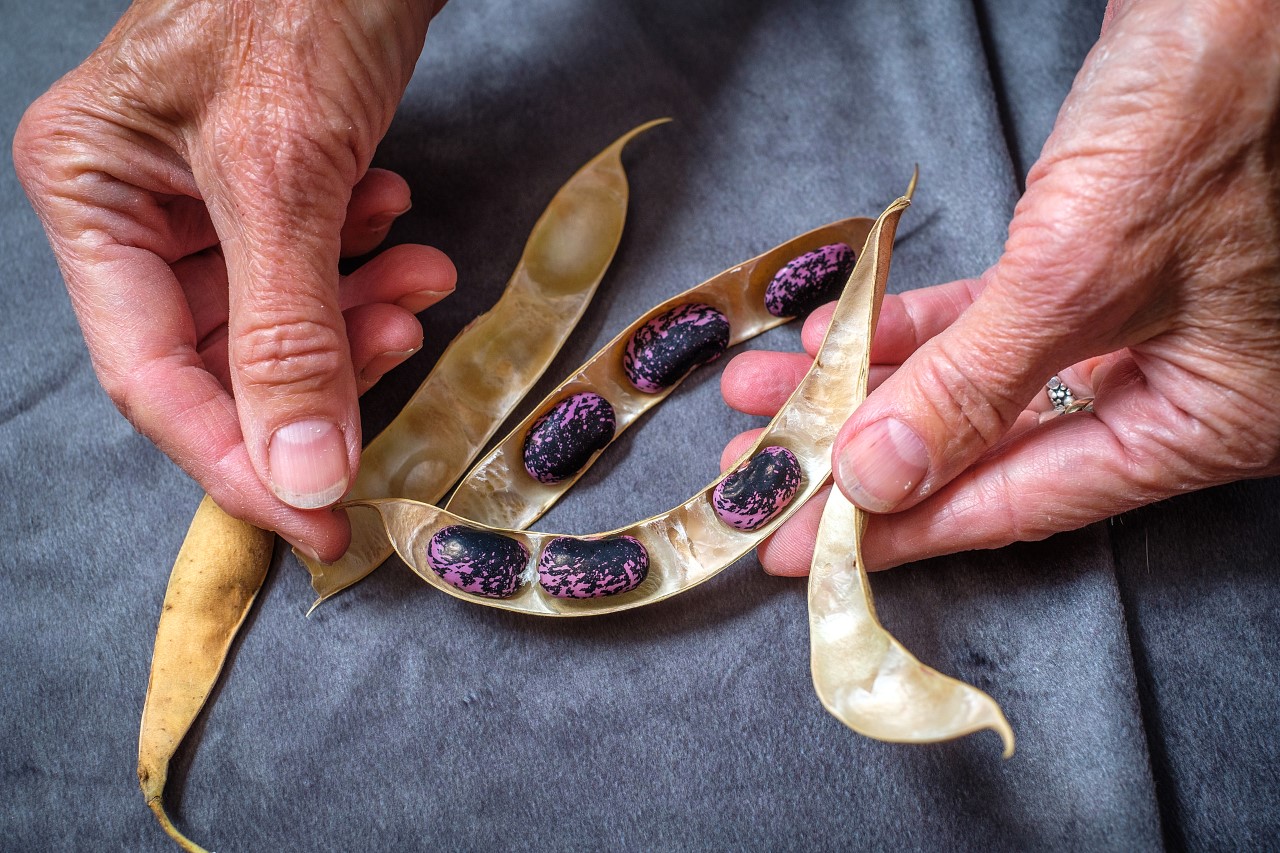
Seeds have been saved and shared since people began growing food. It’s a practice valued by farmers and gardeners worldwide. Every fall, as the weather turns crisp and my plants start to fade and dry, I check for seeds before too many birds have beat me to it. Sunflowers, zinnias, marigolds, and beans are some of my favorites to collect. Inside one dried flower head are enough seeds to create a whole garden. Scarlett runner beans that never made it to the plate were left to dry on the vine. Now that they’re crisp and brown, I crack them open and behold beans posing as purple gems eager for next year’s garden.
You can reap the bounty of saved seeds at the Howard County Seed Share on January 21. At the Howard County Seed Share participants will be surrounded by vegetable, herb, annual and perennial seeds. If you have seeds, bring seeds. If you did not get to save any seeds or are new to gardening, join us to learn what other gardeners have been growing and take home some seeds.
Seed exchanges are a terrific opportunity to acquire new varieties of seeds, save money, and reduce seed waste. Sharing seeds is a practical solution to today’s rising cost of living. When gardeners share seeds, they save money while acquiring new varieties of ornamentals, vegetables, fruits, and herbs. Your bounty becomes another gardener’s gift and vice-versa. Seed sharing is a wonderful way to be more self-sufficient and experimental in your garden.
Sharing seeds is a goodwill gesture that builds community and spreads cultural traditions. When seeds are passed from gardener to gardener, we nurture each other and our diverse cultural practices. Favorite seeds and their stories get a chance to take root and flourish. A seed swap is an ideal setting to learn from one another. Come gather, learn, and share at the Howard County Seed Share.
January 21 from 2-4 pm at HCLS Miller Branch. Registration begins December 21.
Click here to register and for event details, resources, and tips for saving seeds.
In partnership with: University of Maryland Extension – Master Gardeners, Howard County Bureau of Environmental Services, Community Ecology Institute @ Freetown Farm, Watershed Stewards Academy of Howard County, Yards Alive!
Ann is a Master Gardener and the Enchanted Garden Coordinator at the HCLS, where she has worked for HCLS for more than eight years. You can find her smiling in the garden and sharing her passion for plants, nature, and our community.






 CHAPTER CHATS