The Glassmaker by Tracy Chevalier 

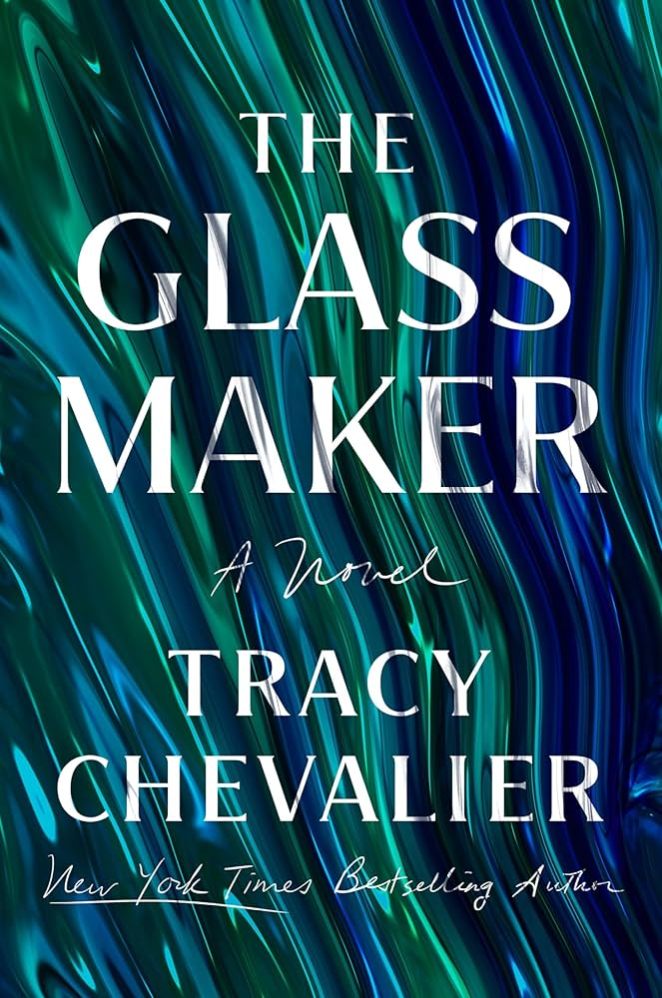
White letter appears above and within wavy strands of green and deep blue glass.

by Piyali C.

The story begins in 1486 on the island of Murano, where glass blowers create their masterpieces in relative quiet, separated from bustling and chaotic Venice by a body of water. Orsola Rosso is the eldest daughter in a family of esteemed glass blowers. Although she is interested in creating art with glass, she is relegated to household chores because women are not allowed to be in the maestros’ studios. The exception to this rule is Maria Barovier, a historical glass maker in Murano in the 15th century. Maria makes a brief appearance in Tracy Chevalier’s story as an inspiration to our young protagonist and as a woman who lends a hand to Orsola to help her fulfill her dream. With Maria’s encouragement, young Orsola learns to make glass beads from a woman in the Barovier family.

Except for her mother, Laura, Orsola must keep her skill a secret – particularly from her moody older brother Marco as he cannot tolerate Orsola’s ambition. The Glassmaker is a story about Orsola’s ascent as an established artist of glass beads, if not a maestro, during a time when women were expected to keep house, have and raise children, and support the men at work by sweeping up their broken glass. But Orsola and the other women in the Rosso family defy patriarchy in their own ways, like women have done through the centuries despite the shackles that men have tried to foist upon them. 

This book displays Chevalier’s magical ability to conjure up Murano and Venice through her descriptions. She truly transports her readers to the chaos of Venice as it undergoes changes through the centuries and relatively tranquil Murano where glassmakers create their art far away from the traders and merchants of Venice. Orsola’s growth from a young girl to a strong woman with an acute sense of business is a pleasure to witness. The depth and fullness of the characters make them come alive in the readers’ minds. But all these we have come to expect from Chevalier, a maestra in her own craft. What fascinated me most was how Chevalier manipulates time to tell her story.

She urges the readers to skim a rock in the water that connects Murano to Venice. As the rock lightly touches the water and gets ready to skim to the next part, time advances fast, sometimes 70 to 100 years while Orsola’s age and those who matter to her advance only 4 or 5 or 7 years. As the rock touches the water again, Chevalier pauses to tell the story of Orsola and her family, and their lived in experience during that historical era. Then the rock skips again and we take off with it, fast forwarding several decades or even centuries.

This way, Chevalier makes her protagonist live through plague, wars, domination of Murano, heartbreak, creative triumphs and finally, in modern times, Covid. As we skim through centuries, we are mesmerized by Orsola’s growth, her strength and the strength of the women who surround her, pull her up, support her, and chart their own paths with sheer determination. As we fall in love with Orsola, we cannot help but fall in love with Murano as Chevalier gently glides us through the calles, lagoons, markets, and gondolas. We seek to return to its quiet lifestyle after a rambunctious rendezvous with Venice along with Orsola when she goes there to meet with merchants to sell her beads. 

I did not wish for the book to end. But like all good things, this story also ended filling my heart with love and my head with images of Venice and Murano through centuries. 

The Glassmaker by Tracy Chevalier is available in print, large print, e-book, and e-audiobook formats. 

Piyali is an instructor and research specialist at HCLS Miller Branch, where she facilitates two book discussion groups: Light But Not Fluffy and Global Reads. She keeps the hope alive that someday she will reach the bottom of her to-read list.

Help Wanted by Adelle Waldman

The book cover has the title in brightly colored letters, with a cardboard carton in the foreground featuring the words "A Novel."

By Piyali C.

One of the reasons I love to read is because I am interested in learning about the lived experiences of people around me. Help Wanted by Adelle Waldman gives a vivid, insightful look into the lives of the rank-and-file employees of the Team Movement department of a large corporation – a department store chain called TownSquare. The team receives goods and stocks shelves from 4 to 8 am, when the store opens for customers.

The store manager, Big Will, has been promoted, and the much-desired position of store manager in a small, upstate town in New York will soon be vacant. Meredith, the logistics manager who oversees the Movement department, is almost certain that she will get the job. But the workers under her despise her leadership and are not fond of her as a person. The small group of employees, who are colleagues but not friends, form a plan to position Meredith in a way that will help them. The plan is hatched by Val, a socially conscious woman, married to her wife and mother to their young son. While Val floats the idea and sells it in a way that she professes will help the team, she has very selfish reasons to reposition Meredith.

As their plan progresses, the colleagues slowly learn about each other’s lives and the unique battle each is fighting. Poverty and the constant struggle to stay afloat leave little room to look around and care for others. But this conspiracy to influence the hiring of the store manager by low-level employees who hardly have any influence over anything, including their own lives, brings them closer. They start caring.

The repercussions of this plan and the corporation’s decision to cut costs by manipulating the staff’s hours touch the lives of all the characters. The characters come from all walks of life and belong to different races and ethnicities. One common thread that ties them together is poverty and lack of opportunity. Race gives a slight edge to some over others. Opportunities are rare; when one arises, a whole lot of these people start to dream of a slightly better existence for themselves and their loved ones. 

I did not expect to get so invested in this book. It takes a nosedive into the intricacies of big corporations, their manipulation and control of their employees, and the words they use to avoid turnover. Employees know that they are being exploited, but their options are limited, as many of them are one paycheck away from starvation and food stamps. The callousness of large corporations towards people who have worked for them for years is truly anger-provoking. While I didn’t love the characters, I came to care for them. I understood their apathy. What struck me most was how authentically Adelle Waldman etched each character. They are not perfect and (as I mentioned before) not even always very likeable, but there lies the authenticity of them. They are us – real, flawed, kind, bitter, sometimes petty, and sometimes loving.  

Waldman dedicates this book to all retail workers, and I believe those of us who have worked in retail and those who are curious to know how it is to work for big corporations will find it thought-provoking. 

Help Wanted by Adelle Waldman is available in print and e-book formats. This novel is also featured in our Adult Summer Reading 2024: Fiction (Relationships) booklist. 

Piyali is an instructor and research specialist at HCLS Miller Branch, where she facilitates two book discussion groups: Light But Not Fluffy and Global Reads. She keeps the hope alive that someday she will reach the bottom of her to-read list.
Hunted by Abir Mukherjee

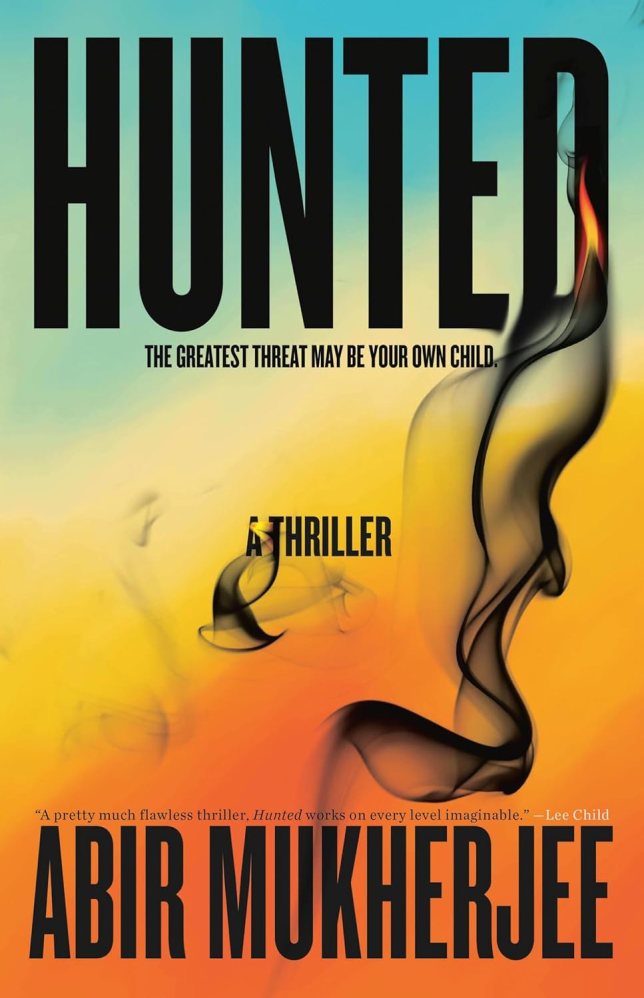
The book cover depicts wisps of smoke and flame against an orange-yellow background, bordered by clouds and a blue sky above.

By Piyali C.

Before I delve into the review of Hunted, I want to let everyone know that I am writing this review under protest. Why, you ask? I have nothing against the book. It was a great thriller, and I am even writing a review for it. My protest is against the author’s decision to leave us with a cliffhanger in his Wyndham and Banerjee series, the last book of which is The Shadows of Men. I was counting days…no, years, for the next one in the series to come out. I was stalking the author’s Instagram profile. Then I saw that he was publishing a stand-alone – Hunted. I will read anything that Abir Mukherjee writes, so of course I got on the holds queue right away and read the book in exactly two sittings. By the way, if you love historical mysteries, you can check out A Rising Man by Abir Mukherjee, the first book in the Wyndham and Banerjee Series. 

Based in the fractured landscape of American politics, Hunted is a fast-paced thriller that had me glued to the pages, so much so that I forgot to look up to enjoy the beauty of the crashing waves in front of me. Yes, I read this book at the beach. 

There has been an explosion in a mall in L.A, and the Sons of Caliphate has claimed responsibility for the carnage. While checking the grainy CCTV footage of mall security, FBI Special Agent Shreya Mistry spots the scared face of a young girl, Yasmin Malik, who had supposedly planted the bomb. Through intuition and clever deduction, she is just one step behind the culprits who have threatened to cause further mayhem as the country is gripped by election fervor. A right-wing candidate is in a tight race against the Democratic vice president, who is running for the presidency of the United States.

Is it really the work of some militant Islamic jihadist group who wants to tip the balance? From the first evidence, it certainly looks that way. Forces within the Bureau want Shreya to back off from this particular case, since Shreya endangers her life repeatedly in her pursuit of the perpetrators. But, is that the only reason that higher-ups want her off this case? Shreya Mistry, on the other hand, feels like she must work doubly hard to prove her worth in a male-dominated agency, being a woman as well as a person of South Asian origin.

A father in London finds out that his 18-year-old daughter has joined the Sons of Caliphate. A mother in the United States also fears that her son is part of this militant group. Neither of them can believe that their children are cunning or cruel enough to pull off this horrible crime. They feel their children are victims themselves, kidnapped by the group. These two parents come together, determined to find their children and take them home. Will they be too late? 

The thriller is certainly a roller coaster ride and definitely a page turner. Like Mukherjee’s other mysteries in my beloved Sam Wyndham Series, social issues are as important to the plot as the mystery. We read about gender inequality, racism, Islamophobia, and other pertinent social issues that are present in our world. The one critique that I have is that the characters lack depth, unlike the characters in his other books. But then again, Mukherjee has set the bar high for his fans. The action and the suspense make up for the less than realistic characters, though. If you are looking for a fast-paced, crisp, suspenseful thriller, look no further.

I grudgingly admit this was an interesting stand-alone, but bring back Sam Wyndham and Sergeant Banerjee, sir. We are waiting!

Hunted by Abir Mukherjee is available in print format. 

Piyali is an instructor and research specialist at HCLS Miller Branch, where she facilitates Light But Not Fluffy and co-facilitates Global Reads. She keeps the hope alive that someday she will reach the bottom of her to-read list.

The Frozen River by Ariel Lawhon

The book cover depicts a woman in a red coat from an overhead view, walking down a frozen path with icy trees on either side of the path.

By Piyali C.

Set in a small town called Hallowell in Maine, the year is 1789. Maine is in the throes of winter and the mighty Kennebec River has frozen, entombing a man in the ice. The midwife and healer of Hallowell, Martha Ballard, is called to examine the body and determine the cause of death. Several months ago, the wife of Hallowell’s pastor, Rebecca Foster, was allegedly raped by two prominent citizens of Hallowell; one of them, Joseph Burgess, is the man found dead, stuck in the ice. There are horrific bruises on the body of the dead man to indicate that he may have been murdered before being thrown into the river. This incident pushes the sleepy town of Hallowell into an intricate legal battle, full of conspiracy, power plays, and intrigue. The punishment for rape is death, but proving rape is almost impossible.  

Martha Ballard finds herself deeply entrenched in all of this, as she was the one who determined that Rebecca Foster had been raped after examining her bruised body. By doing so, Martha makes some powerful enemies, and they try to intimidate Martha by targeting her husband and children. But Martha, who has learned to read and write at a time when women were discouraged from doing either, kept records of the weather and her activities in midwifery every day of her life. She is called to be a prominent witness and her journal plays a pivotal role. Having read The Sewing Girl’s Tale by John Wood Sweet not too long ago, I knew that this trial to prove rape and hold the perpetrators accountable in the late 1800s would likely be an exercise in futility. 

This book, unlike Lawhon’s other ones, is inspired by true events but not based on them. She admits that she took real-life characters and while relying heavily on historical facts, she fictionalized certain aspects of the story to make modern readers completely immersed in the plot and the characters. Martha Ballard indeed kept detailed accounts of her daily life, profession, and weather throughout her life. She was called regularly to court to give her professional opinion on cases relating to rape, children born out of wedlock, murder, and female promiscuity at a time when women were not allowed to enter courthouses without the presence of their husbands or fathers. She was respected for her midwifery, and it has been recorded that she made no distinctions between White or Black mothers at the time. There were 12 free Black families living in Hallowell according to the census, and Martha delivered babies of every color. Martha Ballard is the great aunt of Clara Barton, founder of the American Red Cross. And according to the author’s note, “She is also the great-great-great grandmother of Mary Hobart, one of the first female physicians in the United States. She left a medical legacy in this country that is unmatched. And it is thanks to the diary she kept.” 

I had a difficult time putting this book down, not simply because of the mystery surrounding the death of Joseph Burgess or the rape case, but because of the courageous protagonist and her determination to tell the story of women at a time when they were subjugated. The characters are superbly etched. They came alive in my mind as I read the book and so did the frigid winter of Maine. The writing is beautiful, lucid, and atmospheric. I lived in Hallowell in the deep, dark winter, witnessing the events alongside the Ballard family as Ariel Lawhon navigated through the lives of the characters in this book, documenting their joys, sorrows, triumphs, and losses. 

The Frozen River by Ariel Lawhon is available in print and large print, as well as e-book and e-audiobook formats.

Piyali is an instructor and research specialist at HCLS Miller Branch, where she facilitates Light But Not Fluffy and co-facilitates Global Reads. She keeps the hope alive that someday she will reach the bottom of her to-read list.

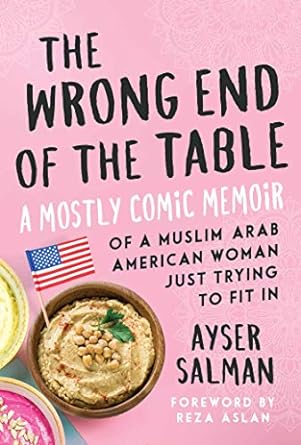
The Wrong End of the Table: A Mostly Comic Memoir of a Muslim Arab American Woman Just Trying to Fit in by Ayser Salman 

The book cover shows a wooden bowl of hummus topped with chickpeas and cilantro, with an American flag on a toothpick poking out of the bowl at the side.

By Piyali C.

I always seek out memoirs written by immigrants, because I am curious whether my experiences in a new country mirror the experiences of others. Everyone’s life is unique; however, facing micro aggressions, intentional or unintentional, seems to be a common theme in each of our stories. That, and trying to find a place at the table. It takes time for immigrants to understand the culture and traditions of the country they emigrate to and it also takes time for them to be understood. An immigrant expends time and energy making sense of their new environment and is accepted (hopefully). The process is not seamless or easy, though. Often, we find ourselves at the wrong end of the table. Ayser Salman explains this beautifully in her memoir, The Wrong End of the Table: A Mostly Comic Memoir of a Muslim Arab American Woman Just Trying to Fit in.

The oldest child of an Iraqi family who fled the fascist regime of Saddam Hussein to give their children better opportunities in the United States, Salman found herself to be the only child in her Columbus, Ohio school of Arab descent, someone who had trouble pronouncing rr’s in the way that the English language demands. In Ohio, little Ayser discovered McDonald’s Egg McMuffins, Barbie dolls and, much to her surprise, kids playing doctor everywhere. This was also a time of struggling to fit in and assimilate with her blonde and blue-eyed White peers. Often confused, often treated differently, often facing derogatory comments about ‘her people’ being terrorists, Ayser Salman navigated through her life, pursuing her career in films and gaining strength of character as an independent Arab American woman. Her parents raised her to be a strong woman and a proud Muslim. While growing up, Salman felt misunderstood and discriminated against due to her identity as an Iraqi American woman, but once she understood intersectionality, she realized the extent of intersectionality existing in our society and felt like she belonged.

Her family, during her teenage years, moved to Saudi Arabia for a few years before returning to Lexington, Kansas. Despite the oppressive rules governing women during the 1980s in Saudi Arabia, Ayser found a sense of belonging among the girls she went to school with, as they shared her religion, culture, and traditions. In Saudi Arabia, she did not stick out like a sore thumb like she did in America. She related to the girls she went to school with, and they formed deep friendships as they experienced puberty together. It was a great irony that in a country where women were repressed, Ayser felt a certain kind of release. 

Once Ayser left for college, she ceased being ‘different ‘ and found acceptance among her peers to some degree. College, unlike her high school, was a microcosm of the world, where people with diverse identities came together for higher education. There was a level of acceptance of differences that Ayser had never experienced before. But 9/11 brought new challenges and she again found herself at the wrong end of the table, vociferously trying to prove to the world that Muslims are not terrorists.  

Ayser Salman talks about racism and micro aggressions in her memoir, but she coats them with a veneer of lighthearted, witty narrative. The racism is made more poignant due to her self-deprecating humor. She writes about her dating experiences with both Arab and non-Arab men, as well as her strong female friends who always had her back but sometimes failed to understand her culture or were insensitive about her Arab identity. She also pays homage to her fierce mother, her scholarly father, and her siblings. Ayser’s conversations with her mother made me laugh out loud, reminding me of similar conversations I have had with mine. 

Ayser Salman’s writing is lucid and flows beautifully. Her humor in describing and responding to serious subjects makes the reading experience delightful. If you are interested in memoirs and/or learning about immigrant experiences like I am, this is a great book for you.  

The Wrong End of the Table: A Mostly Comic Memoir of a Muslim Arab American Woman Just Trying to Fit in by Ayser Salman is available in print format.

Piyali is an instructor and research specialist at HCLS Miller Branch, where she facilitates Light But Not Fluffy and co-facilitates Global Reads. She keeps the hope alive that someday she will reach the bottom of her to-read list.

The Sewing Girl’s Tale: A Story of Crime and Consequences in Revolutionary America by John Wood Sweet

A dark cover showing a young woman's profile and a braid draped over her shoulder. A set of award stickers runs down the left.
Version 1.0.0

By Piyali C.

My co-worker and I facilitate a class at HCLS Miller Branch called What’s On Your Shelf? Fiction and Non-Fiction Book Chat, which takes place on the second Thursday of each month at 2 pm. We gather to talk about our favorite books, either read that month or in the past. My co-facilitator and I share two or three of our favorite reads and then open the floor for participants to share what they have been reading. My partner makes a lovely PowerPoint presentation of our picks, and I take feverish notes about all the suggestions from participants. We then compile the list and send it out to the group. If someone does not have a book to share, they are welcome to listen.

I look forward to this class with joy and apprehension. Joy, because I get to hear about amazing books. Apprehension, because after each session my to-read list gets longer. But, as one of the participants in the class pointed out to me, the beauty of being a bibliophile is always having a robust to-read list and the resources (like a free public library) to access them. Anyway, all this goes to say that the book I am about to review, The Sewing Girl’s Tale, was suggested by one of the What’s On Your Shelf? participants. I hope you join us for our April session – register here.

In The Sewing Girl’s Tale, author John Wood Sweet brings to light a fascinating piece of history with his superb historical detective skills. In 1793, Lanah Sawyer, a seventeen-year-old seamstress in New York, is assaulted and raped by twenty-six-year-old Harry Bedlow, a member of the upper echelon of society. Often when such assaults occurred, the women were considered ruined and ostracized. Loss of virginity was synonymous with loss of status, prestige, and standing in society. For the most part, the men went on to marry and live successful lives while the victims vanished into obscurity and shame. Lanah decides to fight back with the support of her stepfather, John Callanan.

She brings a lawsuit against Harry Bedlow and the case is brought to trial. What follows is a fascinating legal drama where the key players are white men looking out for other white men, trying to keep them from the noose as the punishment for rape was hanging. Lanah has to testify in court, in front of a packed house, recounting and reliving the horror that was inflicted upon herself. At some point during this legal battle, New York’s top lawyers get involved, including Alexander Hamilton. 

The author does a fascinating job of bringing post-Revolutionary War New York to life, exposing the rampant sexual exploitation of women, class privilege, and sexual double standards. Interestingly, women of a certain class and color were considered victims, as their sexual innocence was considered a virtue. The city at least heard their cases of assault if they wished to file a report against their assailants. Black or poor women did not merit the same treatment. It was heartening to read, however, that when this case caught the attention of the people of New York, women took up pens. They wrote under pseudonyms and ignited an intense debate about holding men accountable for their deeds and considering the previously-mentioned sexual double standard. It could not have been easy for them, given the shackles placed on women at the time, but they spoke out to pave the way for younger generations. 

As I read the book, I kept thinking how some aspects of rape cases have remained the same, when women are not believed, men get off easily, and women must recount their most traumatic experience repeatedly in front of a large number of people to find justice. 

The Sewing Girl’s Tale: A Story of Crime and Consequences in Revolutionary America by John Wood Sweet is available in print format. 

How to Say Babylon by Safiya Sinclair

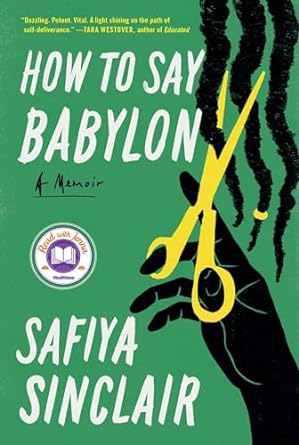
The cover shows a hand holding a pair of yellow scissors and cutting three dreadlocks that are dangling from above; one has a yellow bead at the end.

by Piyali C.

Babylon, according to the strictest sect of Rastafari, is the corrupting influence of the Western world on Black people. Safiya Sinclair’s father, a follower of the religion’s most militant faction, was obsessed with the purity of his three daughters and determined to keep the immorality of Babylon from touching them. Howard Sinclair, who later took the name Djani to feel closer to his Rastafarian beliefs, was a staunch follower of Haile Selassie. He wanted to sing reggae songs, never touch his dreadlocks, and seek livity – the Rastafarian concept of righteous living. The precept meant he should raise his children in the Rastafarian tradition and live a life of harmony with his partner, Esther, the mother to his four children.

Djani was a musician with big dreams. After being rejected by his own mother for following the Rastafarian religion, after repeated failed attempts to make a name for himself in the music world, and finally, after having to relegate his music to being a source of entertainment for rich tourists (baldheads, as he called them, due to the lack of dreadlocks) visiting his homeland of Jamaica, Djani grew increasingly militant in his belief in the harmfulness of Western influences. Safiya, his oldest child, bore the brunt of his obsession with keeping the deceitful ways of Babylon out of his gate.  

Safiya’s childhood was spent near the sea and seemed almost idyllic. Her father left home every day to play his music at the hotels, and her mother nurtured her and her siblings with love and nourishment. Her parents met at the tender age of 18, found commonality in their Rastafarian beliefs, and never married but decided to make a life together. Esther became a demure Rastafarian woman who stayed home to nurture their children, cook Ital food, never disagree with her man, and do every household chore silently. Despite her quietude, she instilled a culture of hard work and a desire to achieve excellence in all of her children.

As a result, Safiya and her siblings excelled in school, scoring the highest grades in their exams. Djani continued to play music in hotels and even made a couple of trips to Japan to form a music band. He was the undisputed leader of his household just as his religion dictated. Safiya accepted this dynamic in her childhood, but Djani’s obsession about Safiya’s purity took a dangerous turn as she became an adolescent. Held captive by her father’s vicious efforts to keep her body and mind pure, Safiya turned to writing poetry to express her confusion, anger, and helplessness. The beautiful expression of her suffering through her art started resonating with the outside world, and Safiya won accolades and fame for her poetry. Gradually, Safiya grew into the woman that she wanted to become and not the woman her father envisioned her to be – another duty-bound and voiceless Rastafarian wife to a Rastafarian husband.

How to Say Babylon is a brutally honest portrayal of a life that initially felt nourishing and enriched with a lot of laughter, love, and filial admiration, but which soon turned into one of oppression and control. This is a story of a courageous woman’s endeavor to dictate the course of her life on her own terms, despite the shackles that threatened to hold her captive. While telling her own story in radiant, lyrical prose, Sinclair also paints a picture of the oppression of Black people by the Western world, the racial injustice, and the voices of women that are forcibly silenced by patriarchy. Yet those voices are still finding a way to ring free. Sinclair’s memoir recounts the history of Rastafarian religion– a religion that started as love and benevolence but which turned to fanaticism and radicalism on the part of some who wanted to use it to their own benefit and to control women. How to Say Babylon is also Safiya Sinclair’s love letter to her beloved Jamaica, her mother Esther, and her siblings Lij, Ife, and Shari.

As I read, I felt Sinclair wrote in order to set herself free and embark on a path to find forgiveness in her heart for the man who wronged her in a most cruel way. Writing a memoir is such a brave thing to do. Authors who write about their innermost pain, fear, and experiences allow themselves to be completely vulnerable. Such vulnerability is the first step towards healing, strengthening, and growing. In author Tara Westover’s words, How to Say Babylon is “Dazzling. Potent. Vital. A light shining on the path of self-deliverance.” I could not put this book down. 

How to Say Babylon by Safiya Sinclair is available in print, large print, e-book and e-audiobook formats. 

Piyali is an instructor and research specialist at HCLS Miller Branch, where she facilitates Light But Not Fluffy and co-facilitates Global Reads. She keeps the hope alive that someday she will reach the bottom of her to-read list.
Global Neighbors Series: Lunar New Year

Paper cut image of a panda.

The staff here at the Miller branch have had such fun highlighting the cultures of the different countries from which many of our community members come through our Global Neighbors Series. Not only have we put in a lot of work to display the different traditions of the countries we have spotlighted but our wonderful community members have volunteered their time and talents as well to exhibit their cultures by performing their traditional dances, music, martial arts, recitation, and crafts for us. Through the Global Neighbors series, our community has had the chance to peek into our neighbors’ lives and celebrate our diversity. We believe the more we know about each other’s cultures, the better we understand each other to create a more cohesive community. 

 We learned about Korea in May, about India in October and we will get a glimpse of the rich cultural heritage of China as we celebrate Lunar New Year with one of the largest demographics in Howard County. Howard County Library System is partnering with Chinese Parent Association of Howard County (CAPA) to bring to you traditional Chinese music and dance, senior choir, Peking Opera, tai chi, wushu (another form of Chinese martial art), Chinese calligraphy, and Chinese paper craft.

We invite you to join us on February 3 at 2 pm at Miller Branch to enjoy the performances by our community members and celebrate Lunar New Year in Global Neighbors Series – China.

Register for the event. Registration is preferred, not required. 

Maame by Jessica George

A bold flower pattern in red, pink, and green along side a geometric pattern in the same colors sits behind the bold white type.

By Piyali C.

Maddie Wright is a 25-year-old British woman of Ghanaian descent who feels like her life is somewhat stagnant. She works as a personal assistant in a theater company where her boss suffers from depression. She is tired of being the only Black person at work and keeping a low profile so as not to attract attention. After exhausting days at work, she comes home to take care of her father, who suffers from advanced Parkinson’s disease. Maddie’s mother lives mostly in Ghana and her older brother James hardly chips in to help, leaving Maddie as the primary caregiver of her ailing father. When Maddie’s mother finally agrees to return home to London for a year to take over her husband’s care, Maddie jumps at the opportunity to move out and live life as an adult. She finds a flat to share, goes out for drinks after work with flatmates, tries to make her voice heard at work, and experiments with internet dating. However, when tragedy strikes, Maddie realizes that her family, rooted in Ghanaian traditions, is different and has its own unique needs and expectations. Maddie must come to terms with her identity as a Ghanaian British woman who struggles to straddle two cultures and make it work.

For me, the book was interesting for many reasons. First, it was amusing to read how Maddie, this young woman, navigates through some tough life questions by asking Google. Secondly, the significance of the book’s title made me think of my own Bengali culture and the practice of giving pet names (daak nam) to babies. Maddie is affectionately called Maame by her close family members, which means woman in Twi. And Maddie feels that she has had to be the caring, responsible, compliant, non-complaining person who took up the burden of her family’s responsibilities on her shoulders from childhood, because women are expected to do just that. At times, as a young adult left to care for her father or pay bills for family expenses, Maddie detested the name because it came with expectations. Gradually, with some help, she realizes not just responsibilities and expectations, but her name ‘woman’ is also emblematic of immense strength. Through self-introspection, help from her friends, and a candid conversation with her mother, Maddie comes to recognize the power of her name and understand the richness of her parents’ culture. And for the first time, she also understands that her mother is more than just her mother. She is a mother, a career woman, a wife, and most importantly a woman.  

In Bengali society, a common pet name for girl babies is different connotations of the Bengali word ma which means mother. Often, baby girls are named Mam, Mamon or Mamoni. This book made me wonder about the significance of those pet names and if there are expectations of motherhood associated with those names, but that debate is for another day. 

Maame, Jessica George’s debut novel, is a smart and funny exploration of the poignant themes of our times – relationships, loneliness, racism, adulthood, filial duty. I really enjoyed the growth in Maame’s character and found it to be a privilege to watch Maame figure out the significance of her name, grow comfortable in her skin, and ask for recognition in her work and society. 

Maame is available in print, e-book, and e-audiobook formats.

Piyali is an instructor and research specialist at HCLS Miller Branch, where she facilitates Light But Not Fluffy and co-facilitates Global Reads. She keeps the hope alive that someday she will reach the bottom of her to-read list.

Global Neighbors Series – India

“Our ability to reach unity in diversity will be the beauty and the test of our civilization.” Mahatma Gandhi 

In Howard County, we are blessed to live in a community where our neighbors come from various parts of the world. They bring their culture, food, and traditions to enrich our lives and expand our horizons. We, at Howard County Library System, celebrate our diversity and highlight the rich culture and art of the countries where our neighbors come from to foster better understanding of each other and create a more cohesive community. 

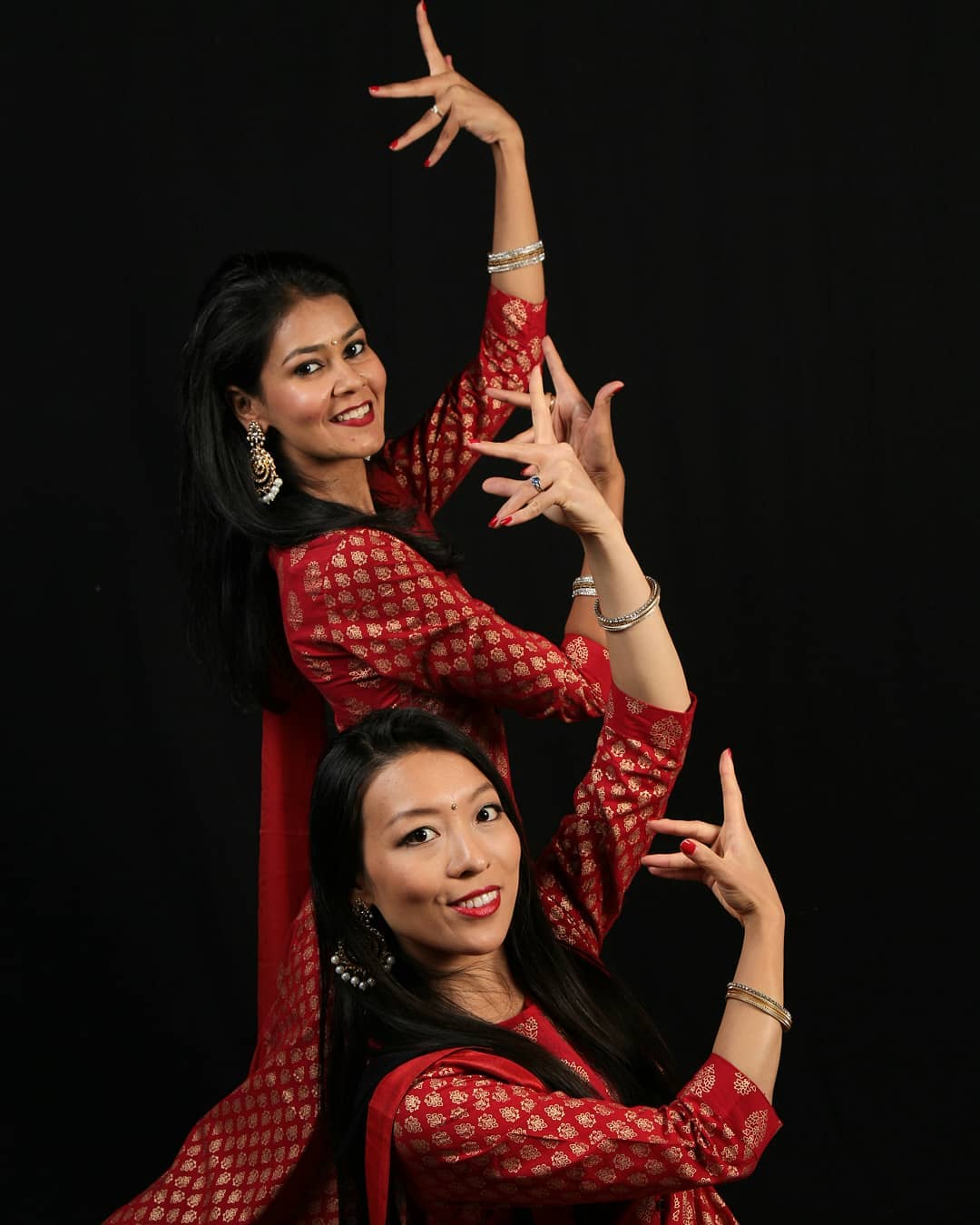
Join us in celebrating the contributions of one of Howard County’s largest demographics, India, on Sunday, October 29 from 2 to 4 pm at Miller Branch. India is indeed a land of diversity. With 22 recognized languages, innumerable dialects, vastly different and unique cultures and traditions in 28 states, it is not easy to encompass the rich diversity of India in a mere two hours. We provide a glimpse of the arts from a few regions of India to whet your appetite to explore more. We invite you to enjoy traditional Indian music, Indian regional dances, dhak (Indian drum), recitation, Bollywood dance, Indian classical dance and henna application. 

Registration is preferred, not required.