Bon Appetit

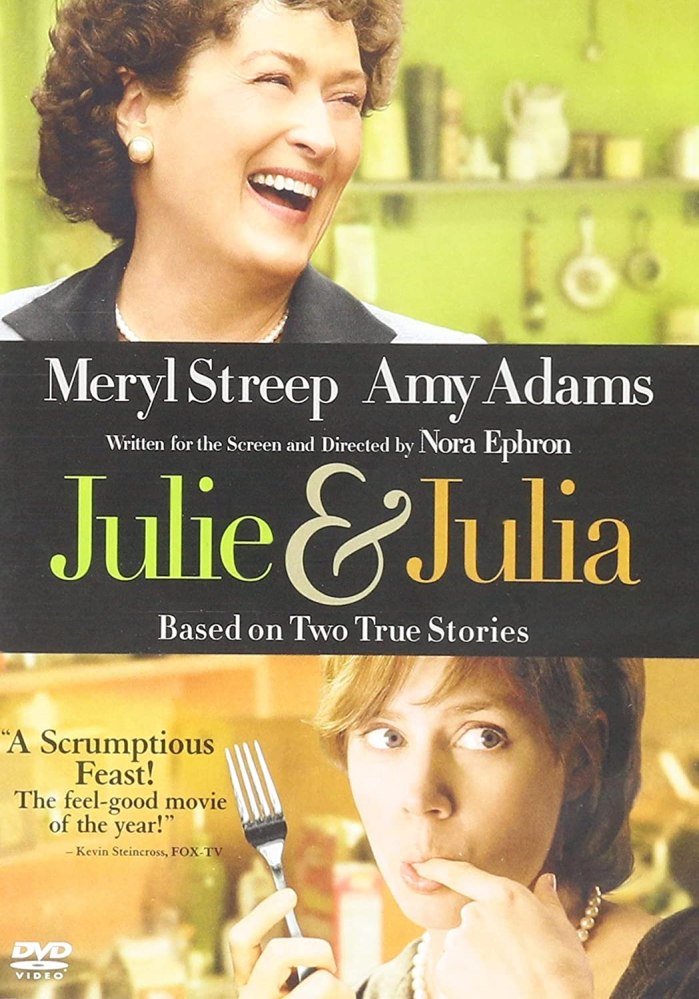
The DVD cover for the movie with Meryl Streep as Julia Child at the top in a green kitchen and Amy Adams licking her finger and holding a fork at the bottom.

By Peter N.

2020 was a difficult year, and we all know it. In difficult times, we often turn to things that bring us comfort such as books, music, movies, or food, and oftentimes our favorites are the ones we turn to many times over and never get tired of. What brings me comfort? The movie Julie & Julia. This 2009 film is based on Julie Powell’s 2005 book and intertwines the story of Julia Child as she grows into a chef extraordinaire with the life of government worker Julie Powell as she cooks her way through all of the recipes in Child’s Mastering the Art of French Cooking. This is a favorite film of mine for many reasons: Meryl Streep as Julia Child, Stanley Tucci, comedy, and last but not least…FOOD. Seriously, I could watch this movie once a week for forever.

As a child we didn’t have cable so I had to rely on watching whatever our TV antenna was able to pick up and most often it was PBS. I remember seeing Julia Child and Jacques Pépin cook dish after dish, and they (along with many other PBS cooking shows) are one of the reasons I became the foodie I am today.

But back to Julie & Julia: as I mentioned before, there are many reasons why I love this movie, but what I didn’t mention was that it has one of the best soundtracks I have ever heard. It’s…relaxing, for lack of a better term. When I turn on this movie, it is often just in the background as I cook, clean, or when I just want to free my mind of all the clutter. Don’t believe me? Well, check it out – it is available to stream and download from Freegal through Howard County Library System. All you’ll need is your library card number and PIN. It’s that easy!

Meryl Streep shines as Julia Child accompanied by Stanley Tucci as her husband Paul. Their onscreen chemistry makes you believe in love and triumph through hard work and determination, and I love every single scene with them. Amy Adams, however, is no slouch, and her portrayal of Julie Powell perfectly conveys how arduous the task was to cook more than 500 of Julia Child’s recipes, all while enjoying most of it, despite a few burnouts and tantrums along the way. When she describes her childhood memory of the magic of Julia’s bœuf bourguignon I am sorely tempted to make the recipe myself (but would end up eating by myself thanks to my vegetarian partner).

I leave you with a quote from Julia Child:

People who love to eat are always the best people.

Peter is an Instructor and Research Specialist at the Miller Branch where he is one of the nerdiest people you could meet.
Tools & Tips for Job Seekers

Ad for Gale: Peterson's Test and Career Prep shows a young Black woman engaged

By Cherise T.

Rely on hclibrary.org as your job seeker support system. Our excellent databases and classes can assist in your job search and career development, including Peterson’s Test and Career PrepYou may be familiar with the Testing & Education Reference Center and have used its tools or maybe read about its resources. Renamed “Peterson’s,” this database has so much to offer on your job search journey. 

Looking for a job is a full-time pursuit, so you will be thrilled to know that 24-hour access to Peterson’s requires only your library card (Do you need one?). Once logged in, select the “Explore Careers” tile and dig in to all the available and FREE information. Click on “Get Started,” then explore “Find a Career” or “Career Advice” or “Create a Resume.

The “Find a Career” section is especially useful, with a series of aptitude assessments that lead to recommended career paths. Complete all four – Interests, Values, Personality, and Workplace Preferences – to discover the most complete view of how your interests and skills mesh with different career paths. Once an assessment is completed, Peterson’s links to the job aggregator site Indeed.com with relevant current job posts. 

Peterson’s will direct you to Career Matches by subject, including education; finance; health science; IT and computer science; human services; science, engineering, and mathematics; government, military, and public administration; business management and administration; marketing and sales; law and public safety; arts, media, and communication; agriculture, food, and natural resources; hospitality and tourism; transportation, distribution, and logistics; manufacturing and manual operations; and architecture and construction. Using the assessment results, Peterson’s calculates an individualized job fit. 

Career Advice” includes a virtual career library of online instruction. Access this area for advice on changing careers, transitioning out of the military, acing an interview, and negotiating a salary. You can use modules for constructing a resume, pursuing an effective job search, and writing a strong cover letter. 

Under the “Create a Resume” tile, you can find nine sample resume templates that you can save to your device or in your Peterson’s account. You can choose to import your resume or even to publish your resume publicly via a Peterson-generated URL address. Check out the cover letter formatting assistant as well. 

Remember to explore our class calendar. We post new classes on a regular basis. Upcoming events include Mastering the Elevator Pitch and Interview on Wednesday, January 27 and Networking or Not Working on Tuesday, February 9 and Thursday, February 11. Networking and Not Working provides a total of four hours of in-depth job search skills personalized to attendees’ needs. HCLS also provides drop-in online help in filling out job applications. Twice a month, you may register for a small group session to answer job application questions and address job search concerns. 

Cherise Tasker is an Adult Instructor and Research Specialist at the Central Branch. When not immersed in literary fiction, Cherise can be found singing along to musical theater soundtracks. 

Happy Holidays!

Snowy background with a white felt snowman wearing light blue scarf, mittens,. and hat.

Howard County Library System wishes you all the best during the holiday season. Thank you for reading our new blog, which we began in May. We hope you’ve enjoyed the reviews and maybe discovered a new electronic resource or two.

We published nearly 95 posts this year; here were some of the most-read posts of 2020:


Bypass the News Paywall
Jessica listed the many newspapers that HCLS subscribes to … so you don’t have to!

Review of Hunt for the Wilderpeople
Kim reviewed a quirky movie that defies easy classification, but delights nonetheless.

Bundle Bags
Cherise explained the new service that HCLS began recently. Fill out the form and receive a bag of books, movies, and more!

Happy New Year! Hope you continue to enjoy Chapter Chats!

Looking for Something New to Read?

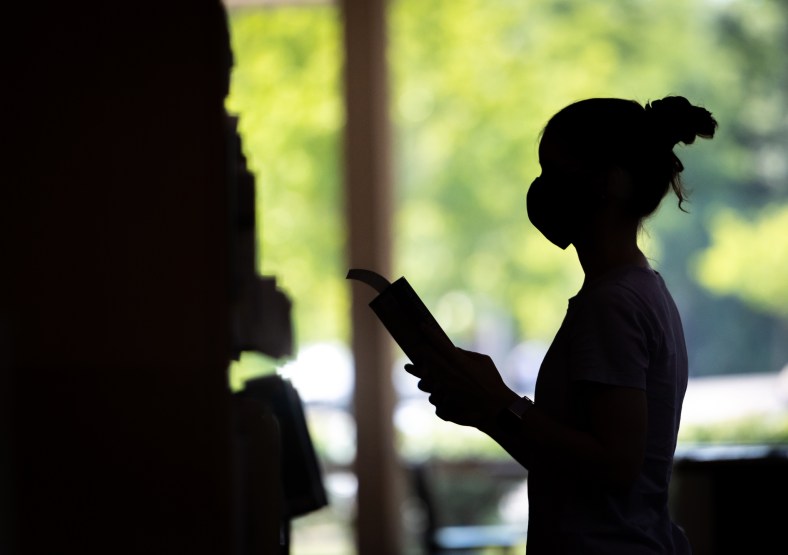
Woman in silhouette against green sunny background, look at a book in her hands.
Contactless Pickup at HCLS Glenwood Branch.

By Eliana H.

Do you sometimes wonder what to read next? But now it’s even more difficult because our buildings aren’t open for browsing the stacks? Sometimes I take calls from customers with just those sorts of questions. I and other library staff are always happy to help our community find a good book, but I will admit that it’s not always easy to find the right book. Thankfully, we have NoveList, a tool that can help us answer those “what should I read” questions.

NoveList icon with a person reading a book while sitting in a tree with a orange background.

The great part is YOU can access that tool also! On our Research Tools page, click Book Recommendations, then NoveList, and you’ll find yourself on a Remote Authentication page where you need to enter your library card barcode and PIN (if you’re not sure what these are, visit My Account and use the links below the boxes to have your information emailed to you).

Now, you are inside the treasure trove that is NoveList. Choose from highlighted themes and styles, browse genres by age range, or check out a Recommended Reads List. If you have something specific that you want to match, enter it in the search bar and explore title or author read-alikes.  Maybe you have read all of the books Louise Penny has written, but you’re looking for something that has a similar feel to the Inspector Gamache mysteries. If you enter her name in the search bar, you can choose Title Read-alikes, Author Read-alikes, or Series Read-alikes below any of the books from that series that come up in your results list. Considering any of the “Read-alike” options shows you a list with a brief explanation of what the two items have in common. 

While you’re in NoveList, preview some of the “Recommended Reads Lists” in the left-hand panel. These are fixtures, but staff at NoveList update them periodically. For instance, right now there’s a “Reading During Pandemic” category. Each of the categories has several sub-categories before you get to the actual list. For instance, if you click on “Reading During Pandemic,” you will see “Quarantine Reads: Cozy and Gentle Stories,” “Quarantine Reads: Fast-paced Thrillers,” “Quarantine Reads: Heartwarming Reads,” and “Quarantine Reads: Pandemic Apocalypse Fiction.” You will obviously see very different options across those categories!

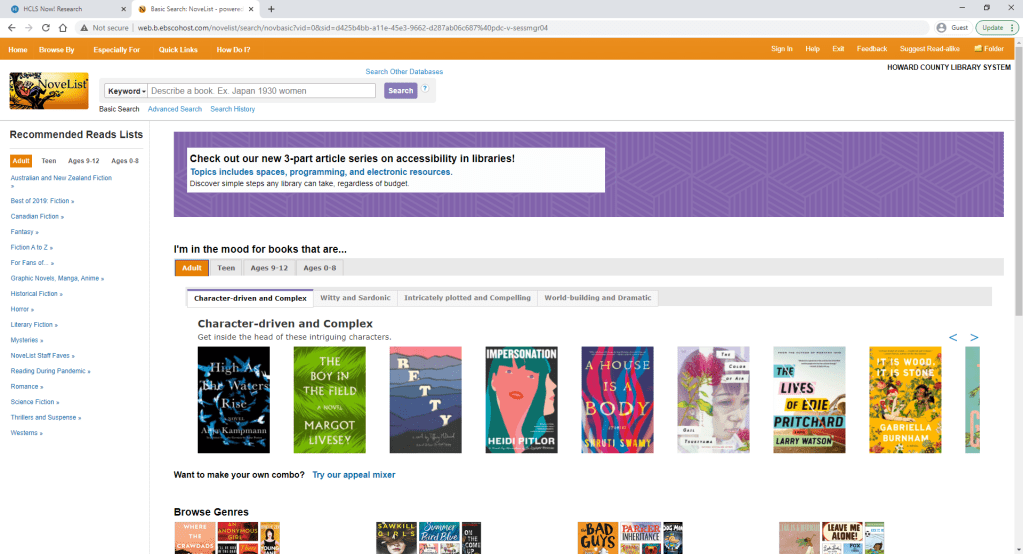
Screenshot from within NoveList.

One thing to note is the “Check Availability” button that appears at the bottom of the listing for a title. Unfortunately, HCLS does not own every title listed in NoveList. You can use “Check Availability” to see if we do own it, though, and how many copies are on the shelf. The listing within NoveList only includes print and ebook formats, but you can search in our catalog to see audiobook (including eAudio) options. If you find a listing you want to read that says “Not owned by this library,” you can always take a look in Interlibrary Loan or suggest we add the title to our collection via the purchase suggestion option on our website.

I hope you take the time to explore NoveList and find some great titles to enjoy. Feel free to leave some of your own recommendations for fellow readers in the comments!

Eliana is a Children’s Instructor and Research Specialist at HCLS Elkridge Branch. She loves reading, even if she’s slow at it, and especially enjoys helping people find books that make them light up. She also loves being outside and spending time with friends and family (when it’s safe).

Books in the Public Domain: Free with Project Gutenberg

The photograph shows the spines of a row of antique books, including classics like The Hunchback of Notre Dame and The Man in the Iron Mask.
Old Books” by Moi of Ra is licensed under CC BY-NC-SA 2.0

By Becky W.

I suspect many of you have heard the term “public domain” thrown out here and there – as have I – but what does it really mean? When I ask myself this question, my thinking runs along the lines of “free, up for grabs, no questions asked, right?” Well, yes… but there is a catch. 

When a work is placed in the public domain, it is broadly defined as being free of protection from intellectual property rights including copyright, trademark, and patents. But how does work end up in the public domain? There are three main ways. First, the work was never protected by copyright law to begin with. Second, the owner places the work in the public domain before the copyright has expired. Third, the copyright has expired, either due to the terms of the copyright or the owner failing to follow copyright renewal rules. Once a work is placed in the public domain it is, in a general sense, free to be used without restriction. As with any legal perspective, there are exceptions. I am not a copyright expert, and, let’s be honest, have already spent all of the mental bandwidth I can muster for this topic, so I can’t give you all the legality behind those exceptions. If, however, copyright law is your jam, there is a great resource from Cornell University that takes a detailed look at copyright and the public domain. 

So why, as readers and lovers of knowledge, do we care about this? Well, the public domain covers a lot of creative works, but one material abundant in the public domain is books. I know what you’re thinking: “free books, great, yes, sign me up,” and you’re absolutely right. The public domain offers us free access to thousands of books and writings. But remember, I said there was a catch. When a book is placed in the public domain, it allows for people to do any number of things with that book, including selling it. Books in the public domain are not always free; in fact, if you look up a public domain title online, it will most definitely have a listed price. Luckily for us, this is not always the case. There are some great people out their dedicating their time to digitizing these books and building them a home on the internet so everyone can have access to them. 

Now, and I know I made you wait for this, how do you access these books? Project Gutenberg. Project Gutenberg is a volunteer-run website and organization that digitizes and distributes works in the public domain at no cost. Books found on Project Gutenberg can be downloaded in multiple file formats, including PDF and EPub, so you can read them on any device or eReader. If you don’t have a tablet or eReader, you also have the option to read on their website. 

And that’s it! Time to go explore the public domain. There really are too many books to name: everything from classic novels to unpublished fiction. So, if you are overwhelmed and need a place to start, here are some of my recommendations. 

  1. Little Women by Louisa May Alcott 
  1. The Legend of Sleepy Hollow by Washington Irving 
  1. The Wonderful Wizard of Oz by L. Frank Baum 
  1. The Odyssey by Homer 
  1. Grimms’ Fairy Tales by Jacob Grimm and Wilhelm Grimm

Information on the public domain and copyright in this post was pulled from Stanford University Libraries’ Copyright and Fair Use Center.

Becky is an Adult Instructor and Research Specialist at the HCLS East Columbia Branch who enjoys art and everything science.

Your Favorite Actors Read Your Favorite Stories

Big capital S and O combine in front of words Storyline Online, over the silhouettes of rooftops.

By Jessica L.

What do Viola Davis, Sean Astin, Allison Janney, and Rami Malek have in common? They like to read books to children! Storyline Online, an award-winning children’s online literacy program, recruits a wide selection of actors to read children’s books for Grades K-4. While similar to the after school television program Reading Rainbow, positive differences come from the stories being available 24/7 and how you can see the reader enjoying the story, too.

You may sort stories by author, title, reader, and (my favorite) run time. Stories range 5-21 minutes, which is helpful when that request of, “Five more minutes, please?!” arises. After you choose your story, you’ll be asked which video player you prefer (SchoolTube, YouTube, or Vimeo) which is saved as your preference. What’s more, you can share what you’re learning via Facebook, Twitter, or email. Storyline Online has an app, a blog, and an array of social media platforms they use to inform folks when new books are available. 

You can certainly use this entertaining, supplementary educational resource while learning from home. Each story includes curriculum-driven learning activities created by accredited elementary educators. Parents and teachers alike will find the site easy to navigate and user friendly. It may even provide an opportunity for you to allow your children independent screen time. This is distance learning gold!  

More than 60 books are active on the site, with more on the way. Storyline Online is currently featuring books which celebrate Black stories and Black voices. I recently chose “Rent Party Jazz” by William Miller, read by Viola Davis, geared to Grades 2-3 and 11 minutes long. I evaluated the activities for parents and teachers and found them to be well-written, excellent tools for their respective target audiences. 

Storyline Online is a fantastic way to experience your favorite actors’ storytelling on-demand while learning from home. I’m personally hoping Keanu Reeves will read my favorite children’s book, The Velveteen Rabbit by Margery Williams Bianco. I’m just not sure how many more times I can @storylineonline. Believe me: you’re never too old to enjoy a good read-aloud! You can find it along with HCLS’ other eContent for Kids.

JP has worked for HCLS since 2006. She enjoys bonfires and spins a mean dreidel.

Empower Your College and Career Planning with the Testing & Education Reference Center

A Black man and a woman wearing a headscarf sit in front of a computer, discussing what they see on the screen. Text reads: You're up to the test.

By Kim M.

Taking standardized tests, choosing the right college, and planning for a career can be stressful and overwhelming, especially when so much is uncertain. You can control your preparation and research, though, ensuring the best possible outcome. Preparing thoroughly helps to eliminate anxiety and build confidence in your test performance and decision making. Testing & Education Reference Center from Gale is an incredible online tool that’s rich in content, offering standardized test and entrance exam preparation, in-depth undergraduate and graduate program research, tuition and scholarship assistance, and valuable career information. It helps everyone from students to seasoned professionals embark on new paths. 

Testing & Education Reference Center provides the information, tools, and materials needed to achieve all your career and education goals, including: 

  • Intuitive School Searching 
    Easily search for private secondary schoolsvocational/technical schools, boarding schools, military schools, special needs schools, or accredited colleges and universities to find the perfect fit. Quick results deliver information on school location, tuition, academics, admission requirements, campus life, among other aspects.  
  • College Funding Tools 
    Financial aid tools, such as the Undergraduate Scholarship Search, Financial Aid Award Analyzer, College Savings Calculator, and Tuition Cost Finder provide data to help you plan, budget, and identify resources. 
  • Career Development  
    Access rich career development tools including a Career Assessment, the Resume Builder, and the Virtual Careers Library to help in every part of the career planning process. Map your career interests and aptitudes to job categories and industries that fit your personality. Delve into a list of occupations suited to your interests and learn about the skills involved, salaries, and more. 

    Get job search guidance, as well as resume, interviewing and networking advice for your career stage, whether you’re just starting out, looking to change careers, or transitioning from the military. 

    Prepare and study for professional certification exams, such as accounting, cosmetology, firefighter, postal worker, real estate, and more.

Testing & Education Reference Center is available for free courtesy of Howard County Library System. Watch this quick video to get an overview of how it works, and then click here to log in with your library card number and PIN. Please note that you must create an account with your email address and a password, which is necessary to save resumes, career assessment scores, and practice test progress. 

No matter your academic or professional goals, Testing & Education Reference Center can help you reach them, and HCLS is cheering you on every step of the way!

Kim M. works in the Materials Management Department at the Administrative Branch. She’s currently reading Eleanor Oliphant is Completely Fine by Gail Honeyman and watching The Queen’s Gambit on Netflix.

Longest Table Tips for ‘Impossible Conversations’

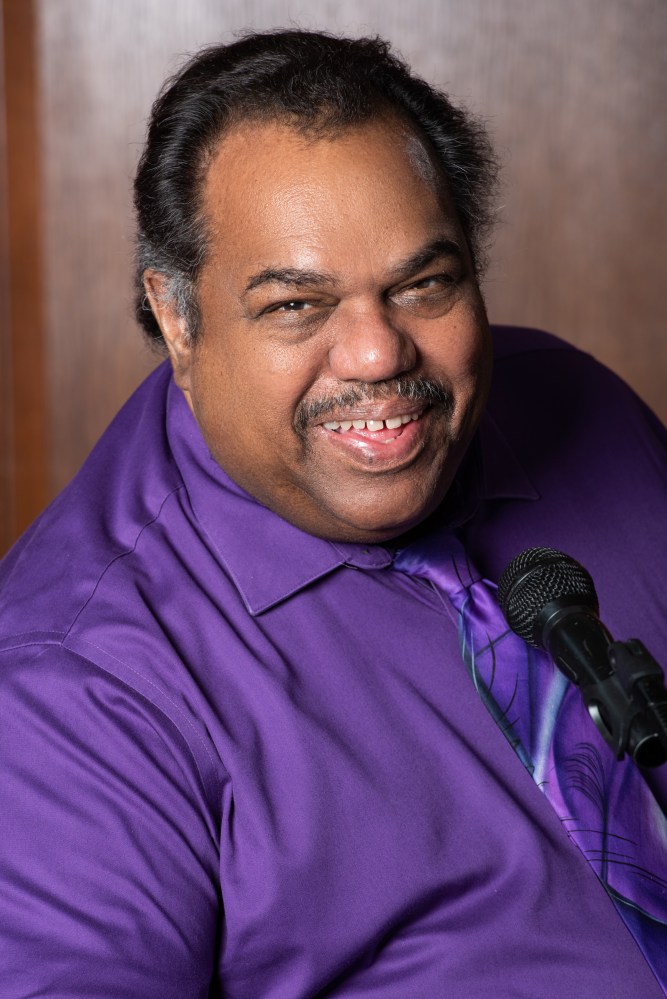
Screen shot from a Zoom meeting, with Daryl Davis gesturing toward the screen.
The Longest Table 2020

By Katie DiSalvo-Thronson

Are you heading into some holiday conversations you already dread? Or wishing you could talk to someone about a position they hold that you deeply disagree with, but feel unsure how to do it? 

When you think about someone who voted differently than you in the last election, are you wondering, “can I even talk to them?”

Last month, Howard County Library System held The Longest (Virtual) Table with Daryl Davis, an exceptional man with a lot to say about having hard conversations. Davis is an internationally celebrated blues musician who has also led more than 200 KKK members to leave the organization through personal relationships and dialogue. He is motivated, as a Black man, by the question: “How can you hate me if you don’t even know me?”

Davis is the author of Klan-destine Relationships, the topic of a movie Accidental Courtesy, and an excellent podcast interviewee (see “The Silver Dollar Lounge” from 2014 and “How to Argue” from 2017).

At the Longest Table, Davis shared parts of his amazing story, reflections on recent events, and ideas on how to talk someone out of hate. His experiences can help us see that people – even those holding extremely problematic positions – are capable of change. His ideas can help us connect with people whose beliefs feel impossibly different than our own.

So what does Daryl Davis suggest? Here are some of his top points, paraphrased:

  • Remember we all want the same five things.
    People want to be loved, to be respected, to be heard, to be treated fairly, and they want the same things for their families that you want for yours.
  • Give respect and get respect.
    Ask questions. Listen. “While you are actively seeking information from someone else, you are passively teaching them about yourself at the same time.” On social media, find a positive way to respond. The way you listen and respond will help people listen and respond to you.
  • Plant seeds as you engage in a long game.
    Give someone something to think about that troubles their world view. Then, engage again: “You must come back and water the seed – that’s the key.”
  • Lower their walls and keep them down.
    If you listen respectfully first, they will feel the need to listen to you next. “Defend yourself but don’t attack them,” and “keep your emotions in check.”

Davis’s approach demands intensive time and skill as well as self-control, and it may not be one we can all use all the time. His focus is not everyone’s: some people think it is more important to change policies and systems than to convert individual racists. However, we can all honor and appreciate that he has dedicated decades of his life to “putting a dent in racism,” along with his courage and selflessness in following this path. 

Like good music, Davis’ messages resonate well and widely. How could your ‘impossible conversations’ change by remembering shared humanity, showing respect, and teaching others with the example of how you live? Watch/listen to Daryl Davis in his own words today!

Katie is the Community Education and Engagement Manager for HCLS. She loves people, the big questions, the woods, and chocolate.

How to Talk to Kids About Voting

by Emily T.

The first (and only) song I’ve ever heard to rhyme both Trump and Clinton into the same chorus was sung to me during the 2016 election – by a five-year-old in my son’s Kindergarten class. 

In 2020, election talk is even more ubiquitous. Grownups aren’t the only ones figuring out voting. Many children are hearing about the election and wondering what it all means. Some may be asking their questions, while others may be unsure where to start. It’s never too early to welcome young ones into the voting process and help them understand how important it is. We may be shocked to find what they’ve heard already – and what critical gaps likely are in their understanding. 

Children can understand the value of having a say, and we all know they put a lot of stock in fairness. Such basics of democracy are very accessible. Even preschoolers can use a simple form of voting to make a group decision. Pizza or sushi for dinner? Ride scooters to the park or walk? We grownups can give our little future voters lots of practice with making a choice, counting up votes, and making peace with the outcomes. Of course, the story of American democracy doesn’t end with the idea of one person, one vote, but it is a great way to start talking about it. Reading books about voting can further spark children’s interest and open up fun, informative, invaluable conversations. Encourage your kids to ask questions, then find answers together.  

The President of the Jungle by André Rodrigues, et al. is a playful introduction to voting as a fair way to decide things as a group. In the story, the animals are not too happy with Lion, King of the Jungle, and they want a change. Key election concepts are explained with clever illustrations and a glossary. It’s great for big-picture questions about what’s fair and what makes a good leader. Bonus, it’s also great for character voices if you like that kind of outlet. 

Vote for Our Future!, by Margaret McNamara shows the many ways kids can get involved during election season, even before they are voting on their own. The story follows an elementary class learning and doing all they can about voting as their school becomes a polling place. Vibrant drawing of people in action let kids make observations and ask logistical questions. 

Voting is an important way that families act on their values and help determine what it’s like to grow up in this country. Children of all ages are paying attention. Will they see just how valuable each vote is?  

For additional books, DVDs, and eResources about voting for children and adults, check out the collection curated by our HCLS team here

Be sure to visit our HCLS Voter Smarts Guide 2020 for this year’s essential election information. 

Recommended Articles, Videos, & Games about Voting for Families HCLS “Let’s Vote!” On-Demand Class (K-Grade 2) & “Let’s Vote!” On-Demand Class (Grades 3-5)

Daniel Tiger: Stop, Think and Choose 

PBSKids: Let’s Vote

Common Sense Media: 17 Tips to Steer Kids Through the Political Season 

iCivics: Cast Your Vote 

Ben’s Guide to the US Government 

Emily is a Children’s Instructor & Research Specialist at HCLS Elkridge Branch.. Her family voted on how to celebrate their ballot drop-off this year. “I Voted” S’mores won in a landslide over the “I Vote” Rootbeer Float, and “I Voted” stickers.  

HCLS Pregnancy and Infant Loss Resources

by Kimberly J

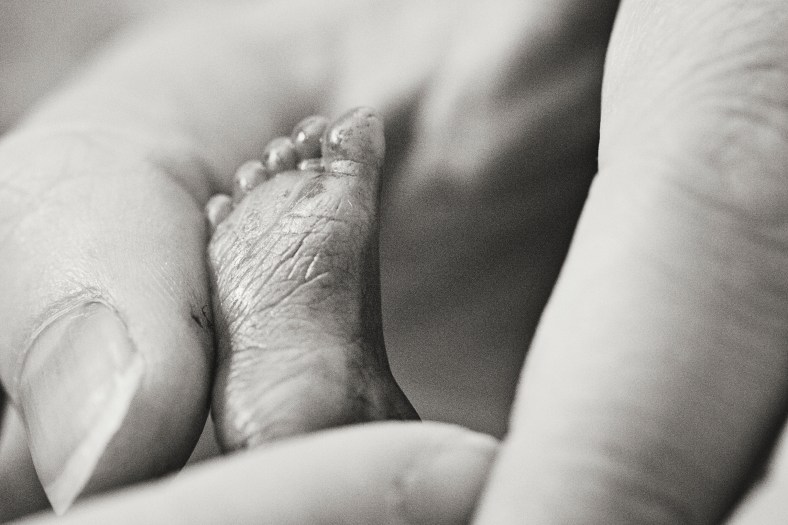
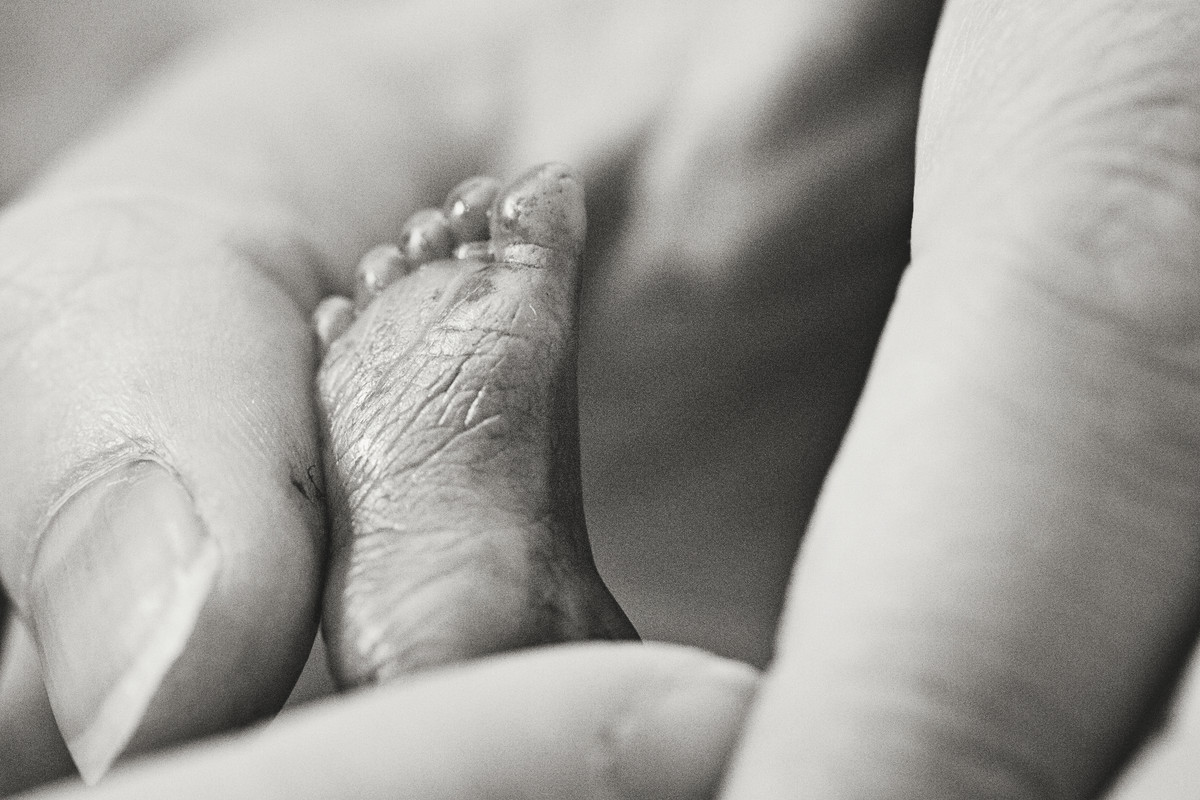
Black and white image of a tiny baby foot - which measures only as big as the top joint of a fingertip- is shown surrounded by an adult hand.
Photo by Kimberly J – shared in memory of Todd & George

In 2013, I was pregnant twice. Both of these pregnancies ended in stillbirth. The next few months were a bit of a blur. I felt alone, isolated, shameful, and guilty about my body’s failures. Medical terminology surrounding pregnancy loss did little to dispel these feelings. Words like miscarriage, incompetent cervix, and inhospitable uterus felt like they, too, were laying the blame at the mothers’ feet. One day, a book arrived in the mail from a dear friend which made me feel less alone. I found it helpful to hear others’ stories and experiences that mirrored my own. That book was the catalyst for my grieving process and healing. If you are struggling, I hope that one of these books or DVDs might bring the same sense of catharsis and comfort to you. If someone you know has recently experienced a similar loss, I hope these resources will help you relate to them and know how to help.

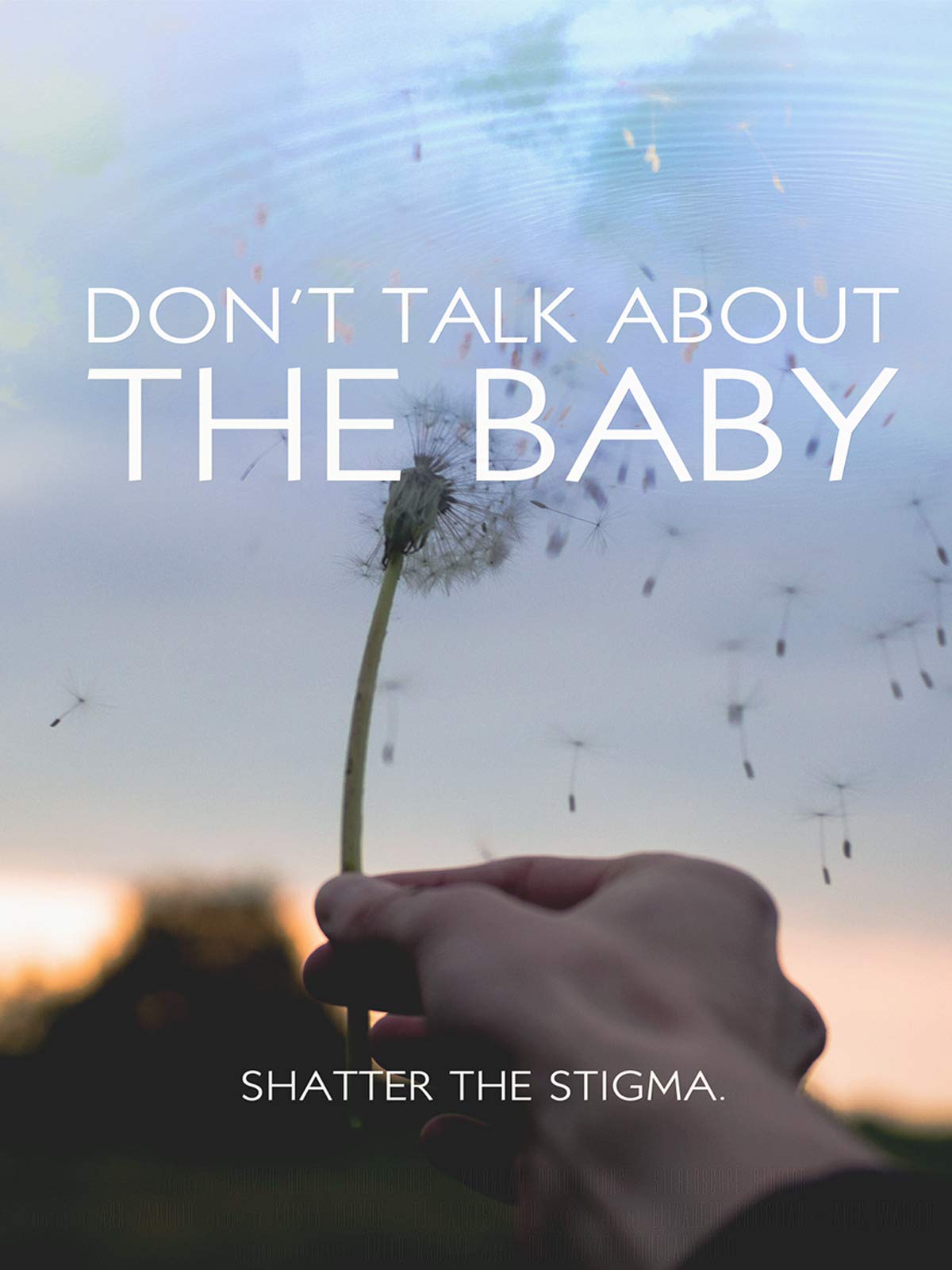
Don't Talk About the Baby DVD cover shown. Hand holds a dandelion, which has seeds blowing in the wind. Under are the words "Shatter the Stigma"

Don’t Talk About the Baby is a documentary film presenting first person accounts of infertility, miscarriage, and stillbirth. It addresses the cultural stigma of silence around these losses. The film includes interviews from mothers and fathers from around the US. It seeks to normalize the grieving process – and addresses how this grief is often invisible to outsiders, because to them the baby wasn’t visible. Additional insight is provided by a bereavement doula and other doctors. Content Warnings: Contains photos of deceased children. Couples talk about subsequent pregnancies and live births. Features discussion during a religious/Christian support group. Don’t Talk About the Baby is available on DVD from HCLS.

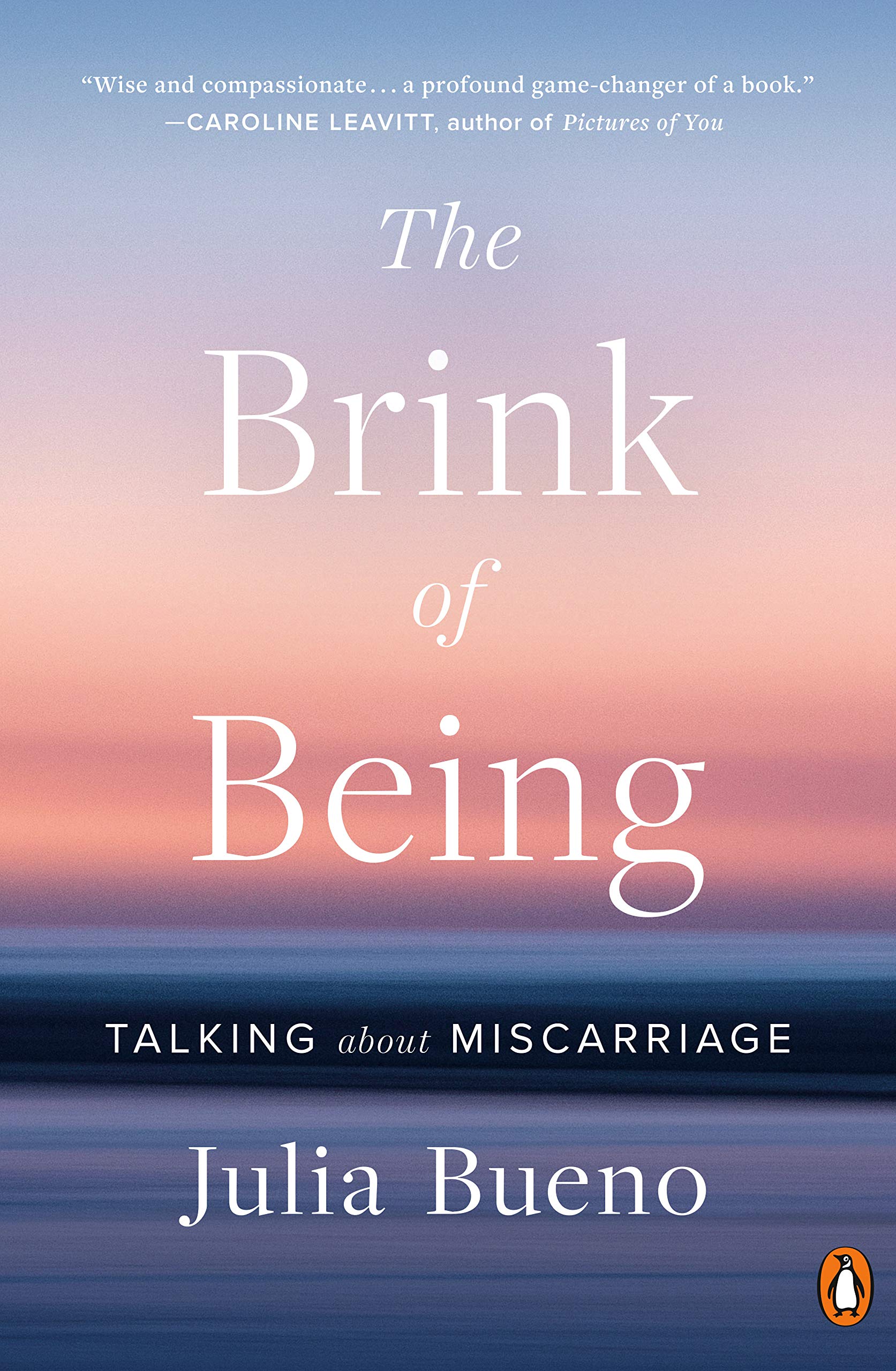
The Brink of Being: Talking About Miscarriage: Bueno, Julia book cover shown over sunset image in pink, purple, and blue.

The Brink of Being: Talking About Miscarriage was written by a therapist who specializes in working with women who have experienced pregnancy loss and infertility. She also shares her own experiences with miscarrying 22-week twins. This book is laid out in a “chronological” retelling of losses – starting at the first weeks, and progressing throughout the stages at which miscarriage losses can occur. A chapter towards the end also speaks about memorials and remembrances. Stories are told in intimate and graphic detail. This book includes chapters on early, late, and recurrent miscarriage. It also offers insights into the perspectives of partners, fathers, family members, and loved ones. Content Warnings: Stories of subsequent pregnancies and living births are integrated into the narrative. Graphic descriptions, including the at-home birth of a embryonic baby. Definitions are given in terms recognized in the UK – miscarriage there is defined through 24 weeks, while in the US, babies born as soon as 20 weeks are termed stillborn.

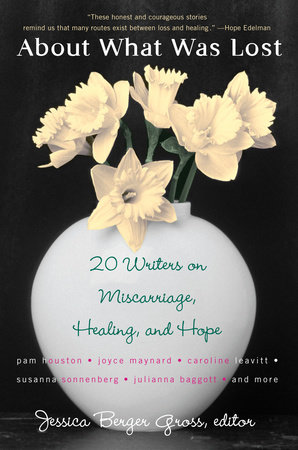
About What Was Lost: Jessica Berger Gross, editor. White vase is filled with ivory dandelions.

About What Was Lost is a compilation from 20 different writers who share their own stories of loss. This anthology offers a catharsis with honest (sometimes painful) re-tellings of private grief. Authors share their personal experiences and feelings about abortion, miscarriage, twin loss, and premature infant death. Each story and experience is unique to the author and reflects many perspectives on pregnancy and infant loss. Content Warnings: Subsequent pregnancies and live births are discussed. Abortion loss is covered in multiple accounts.

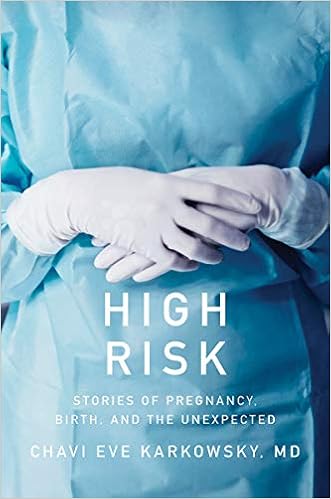
High Risk: Stories of Pregnancy, Birth, and the Unexpected: Karkowsky MD, medical scrubs and gloves in the background of the text.

High Risk is written by a Maternal Fetal Medicine specialist (MFM) also known as a high-risk OB/GYN. She seeks to fill the void of information about what might happen. Told from a medical point-of-view, this book seeks to answer the call, “I wish someone had told me.” This book concisely details some of the most common diagnoses that bring patients to a MFM. It offers information on the processes, medical terminology, and decision making during pregnancy complications. In the chapter on stillbirth, the most common causes are discussed and dissected. The author also addresses some of the reasons behind the medical avoidance on the subject of stillbirth. This book presents a history of medical knowledge/treatments around pregnancy complications and the current standards (or lack thereof) of care when loss occurs. While it tells stories of real patients, it is from a detached medical perspective.

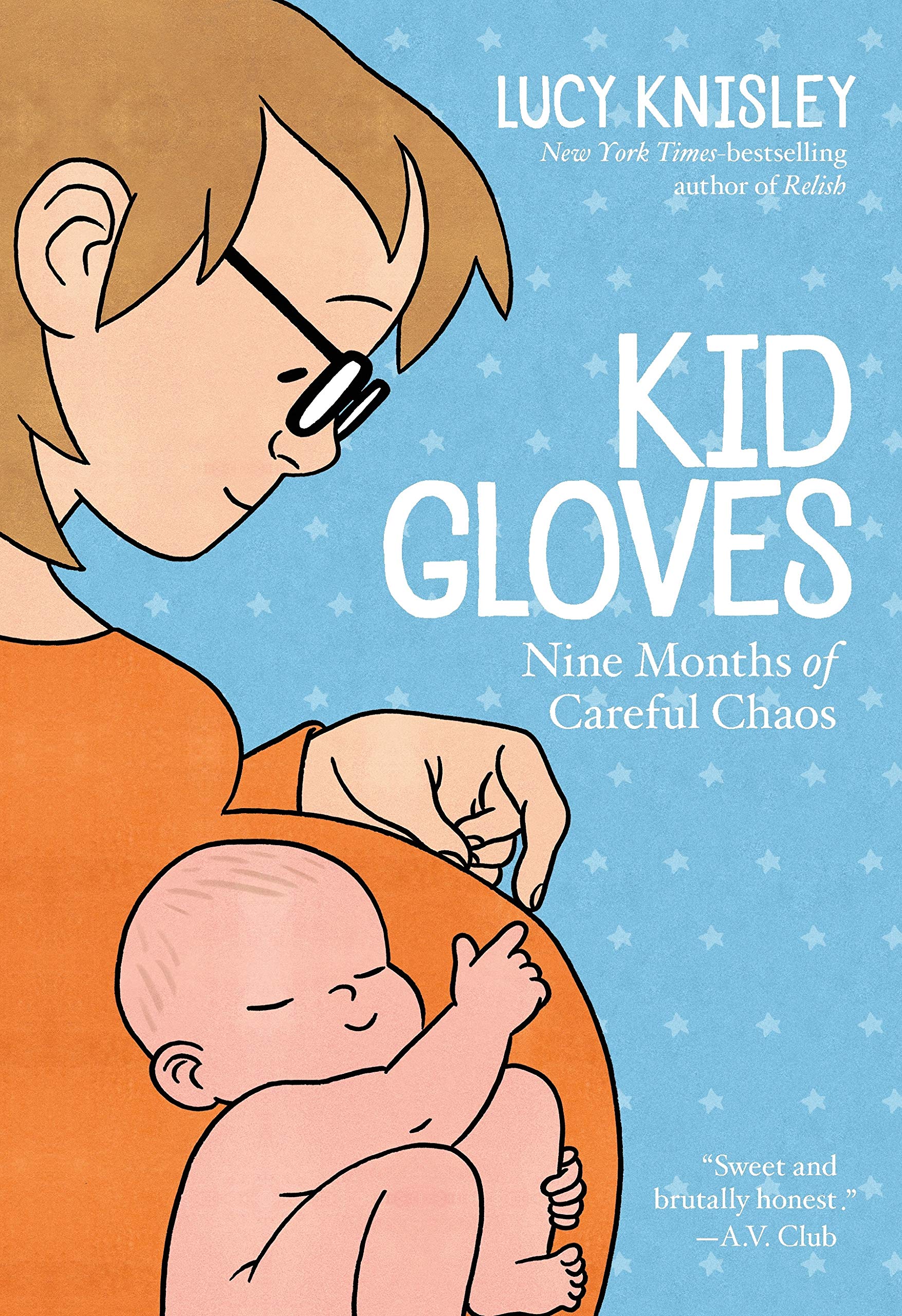
Kid Gloves: Nine Months of Careful Chaos: Knisley, Lucy, Knisley, Illustrated image of a pregnant mother with baby inside her belly

Kid Gloves by Lucy Knisley is a graphic novel available in both paperback and as an ebook via Overdrive. It portrays the author’s struggle with early miscarriage and the depression that followed her losses. These feelings of isolation and sadness are compounded by shame, guilt, and loathing of her own body. She recounts advice that eventually led her to healing… to treat herself with “kid gloves.” Lucy later receives a medical reason for her miscarriages, and goes on to recount her experiences through a pregnancy (with complications) and the eventual birth of a living child. She addreses the history of birthing practices and the notion of “natural” childbirth with humor and accuracy. Content Warnings: more than half of the book recounts the author’s successive pregnancy and battle with pre-eclampsia.

Return to Zero movie cover. Family of 3 is shown next to water, with mother and father looking into distance with a sailboat in the background.

Return to Zero is a fictional film portraying stillbirth loss. It is based on the true story of writer/director/producer Sean Hanish and his wife. This movie shows how stillbirth shatters the lives of a successful and prosperous couple. The shock and disbelief Minnie Driver portrays when confronted with the semantics surrounding her upcoming birth echoed my own experiences with stillbirth. You never think that you’ll be asked about funerals and autopsies on the day you’re going to give birth. The movie goes on to depict the daily struggles of both parents as they navigate holidays, baby showers, and well-meaning outsiders. They are helped through a successive pregnancy by a doctor who has also experienced loss. Reception to the movie has led to the founding of RTZ: Hope which aims to shine a light on pregnancy loss and stillbirth. Content Warnings: Photos of deceased children are shown. Stillbirth labor and delivery are depicted. Subsequent live birth is portrayed. Return to Zero is available from HCLS on DVD.

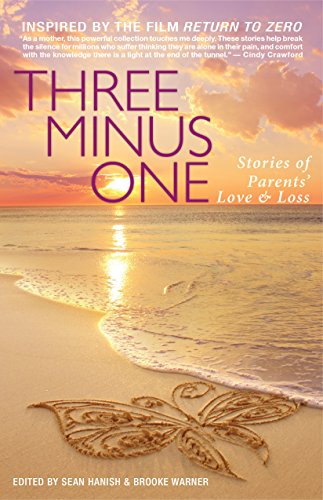
Three Minus One: Stories of Parents' Love and Loss by Jessica Watson, Sean Hanish, Brooke Warner. Sunset image of a butterfly drawn in the sand with the beach surf at its edges.

Three Minus One is an ebook available on Hoopla from HCLS. Inspired by the Return to Zero film, it is a compilation of over 80 individual essays, poems, and pictures submitted by mothers, fathers, relatives, and friends. Most of these stories focus on stillbirth and infant death, with several perspectives from families whose doctors declared their babies “incompatible with life” before they were born. Other topics include the loss of a toddler, the elective abortion of a Trisomy 21 baby, and miscarriage. This collection is a journey through their grief and pain, but mostly focused on the love these parents have for their children. Many explore what it means to move forward, for this after is nothing like what came before. Content Warnings: Photos of deceased children are shown. Several narratives include subsequent living children.

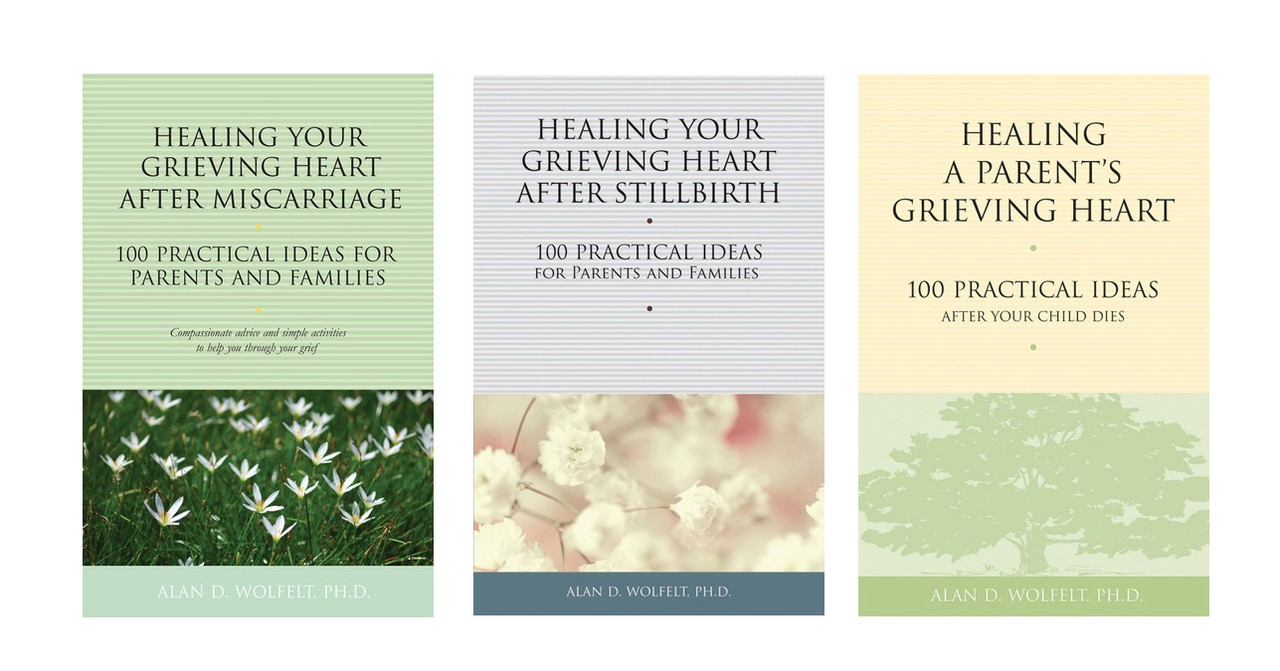
Three book covers shown: Healing Your Grieving Heart After Miscarriage, Healing Your Grieving Heart After Stillbirth and Healing a Parent's Grieving Heart.

Healing Your Grieving Heart is a series of books available for Howard County Library patrons via Hoopla. They are written by Dr. Alan Wolfelt, a grief educator who offers practical ideas and concrete action-oriented tips to aid in the mourning process. Each title in the series addresses the unique concerns for each situation – from confronting what you did or did not see during the miscarriage process to taking & displaying pictures of a stillborn baby. The author offers practical, bullet-pointed ideas on how to practice self compassion while grieving. His tips are based on advice solicited from families who have experienced these losses. I found it helpful in a concrete way, when so much about the grieving process feels murky and disorienting. The author offers 100 ideas in each book. If some don’t feel right to you, his advice is just to skip it and move on. Self care is central to his philosophies, but moving from the emotion of grief to the action of mourning takes work and reflection. There are many titles available, but these three are most relevant to my post today:
Healing Your Grieving Heart After Miscarriage
Healing Your Grieving Heart After Stillbirth
Healing a Parent’s Grieving Heart

The content provided is for informational purposes only; it is not intended to be used instead of professional medical opinion or advice. All information, content, and materials available on this site are for general informational purposes only.

Kimberly J is a DIY Instructor and Research Specialist at the HCLS Elkridge Branch. She is the mother to two living sons and two stillborn sons.