Autumn is wonderful time, and it’s my favorite. I always enjoy how the humidity fades and cooler air takes its place. As my bio reads, I do really enjoy being outside in nature. Numerous studies show that it is healthful just to be outside.
I’d recommend that if you’re able, get out there on a bike. Maybe you have a neglected one around the house, or could borrow one to try it out. You do not need an expensive bike and spandex to have fun – just a bike, a helmet, and some comfortable clothing. Start slow, just take a short ride around your neighborhood away from traffic.
Speaking with people at bike shops, I’ve discovered they’re short on bikes to sell and appointments for repairs and maintenance. Therefore, I’d encourage you to watch this short video I made for the library about how to perform some simple maintenance and change a flat tire. You can borrow, via contactless pickup, a bike tool kit, a pump, and even a professional bike repair stand at the DIY Education Center at HCLS Elkridge Branch.
After that, you can do a quick internet search on all the great spots to cycle in the Baltimore metro area. I’ll give you a few of the ones I like, all of which provide a nice scenic autumn ride. Find a friend (I think biking is more fun with company), but you may want to avoid any tandem bikes as a beginner and with social distancing guidelines.
The BWI loop is a paved trail that essentially goes around the airport; it’s about 12.5 miles and does have some hills. It has a nice playground on the loop, if you’re with little ones and an observation area to watch planes.
The B&A Trail, connected to the BWI loop, is a smooth, fully paved trail which goes all the way to Annapolis. It’s a very pleasant ride, and you need not do the entire thing, just whatever is in your comfort range. There are numerous spots where people get on and off the trail.
The Grist Mill trail in the Avalon area of the Patapsco Valley State Park was closed for long period of time, but is open (as of now) and is a very smooth and scenic ride. It passes by a swinging bridge and where the Bloede dam was removed (which I find pretty cool to view). What’s more, if you’re more adventurous, the Patapsco Valley State Park has miles of great trails for mountain biking. To be sure, it’s not for beginners (the DIY center can lend you trekking poles if you’d prefer to take a nice long walk to see the park instead).
My personal favorite of late is the NCR trail, which begins in Timonium and goes all the way to York, PA. This trail is mostly gravel and thus requires a hybrid, mountain, or basically a bike with anything other than super skinny “road” tires. I ride it frequently from Monkton Station to New Freedom, PA. The NCR is slightly uphill (you don’t even notice at times) heading north and thus a slight downhill on the return south.
You will encounter some folks, as these trails are more popular than in previous years with many looking for socially distanced activities, especially on the weekend. But don’t be intimidated, just let those riding fast pass on by, and stay on your side of the trail. And again, keep in mind to just have a good time and enjoy the beautiful season!
Eric is a DIY Instructor and Research Specialist at the Elkridge branch. He enjoys reading, films, music, doing nearly anything outside, and people.
I hate to state the obvious, but an unfortunate fact of life is that we will gradually lose the ones we love. In this year alone, I’ve had the reality check of all reality checks as I said goodbye to my sister-in-law, my daughter’s great grandmother, my best friend from high school’s parents, my best friend from my first job out of college, a former colleague (RIP Joe McHugh), and two icons: Kobe Bryant and Chadwick Boseman. Yes, 2020, I’m going to have to ask you to leave, please?
In Dancing at the Pity Party: A Dead Mom Graphic Memoir, the author writes about her experience losing her mother when she was 19 and dealing with the 10-year aftermath of grief. The writing and illustrations are insightful, poignant, and humorous at the same time. The author’s mother died of cancer and the author vividly describes the myriad of emotions caregivers endure, so readers can connect to her story on many levels.
Like the author, I lost both my father and sister to cancer, and I found myself nodding in heartfelt agreement at many of Feder’s descriptions of losing a parent and enduring the magnified heartache of cancer. In particular, she captured the reality of the endless trips to the hospital for treatments and cancer’s physical and emotional tolls on the ill and their families.
As a reader, I connected with Feder’s reflections on how death can be so difficult to talk about for some. No one really knows the exact right thing to say when you hear that someone has died. It’s awkward and uncomfortable and unexpected, much like death itself. I laughed at the author’s inflections of humor and her ability to find humor even in her darkest days.
I’m lucky I still have a living mother. As we celebrated her 80th birthday this year, my thoughts trickled to the thought of what life may look like some day without her. I hate that image. As Feder highlights in the book, I, too, consider my mom to be a rock star and an undeniable force in my life. More time is always what we want with those we love and, selfishly, it’s never enough.
Put this book in the hands of someone who is hurting from recent loss, has someone succumbing to illness, or anyone in need of finding the right words of comfort.
Carmen J is a teen instructor at HCLS East Columbia. Among her favorite things are great books, all things 80s, fall weather, Halloween, and pumpkin spice everything.
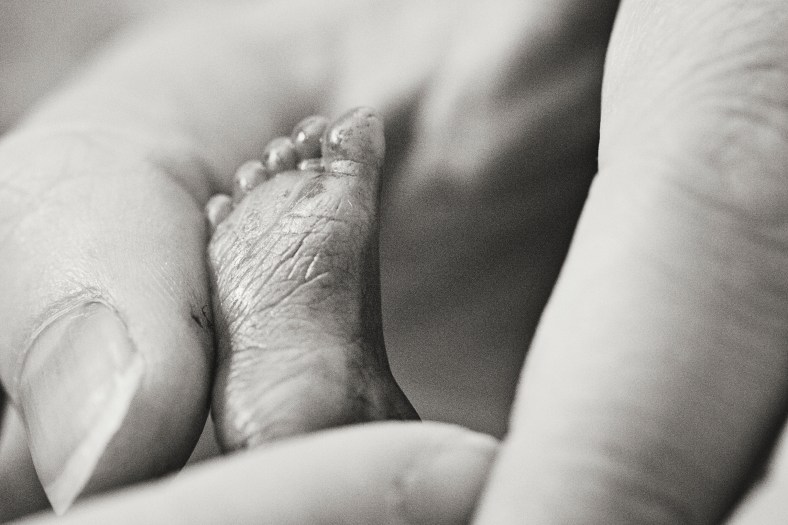
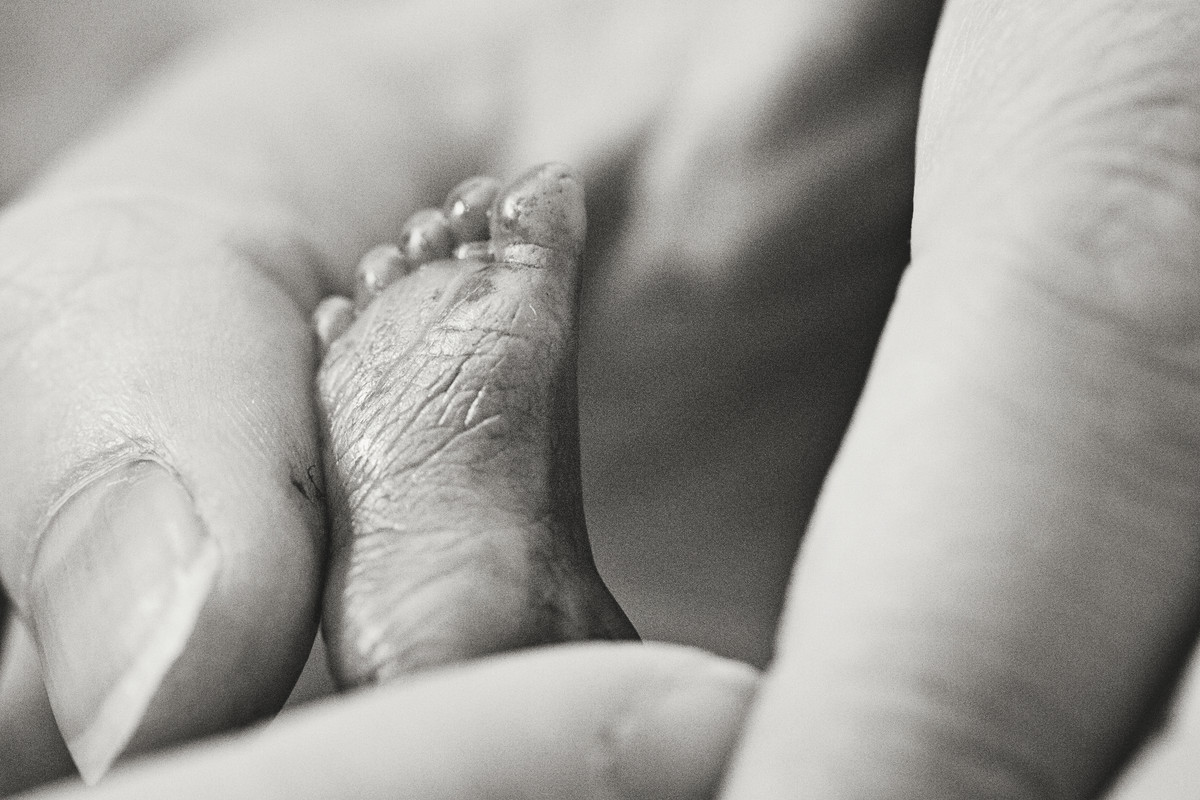
Photo by Kimberly J – shared in memory of Todd & George
In 2013, I was pregnant twice. Both of these pregnancies ended in stillbirth. The next few months were a bit of a blur. I felt alone, isolated, shameful, and guilty about my body’s failures. Medical terminology surrounding pregnancy loss did little to dispel these feelings. Words like miscarriage, incompetent cervix, and inhospitable uterus felt like they, too, were laying the blame at the mothers’ feet. One day, a book arrived in the mail from a dear friend which made me feel less alone. I found it helpful to hear others’ stories and experiences that mirrored my own. That book was the catalyst for my grieving process and healing. If you are struggling, I hope that one of these books or DVDs might bring the same sense of catharsis and comfort to you. If someone you know has recently experienced a similar loss, I hope these resources will help you relate to them and know how to help.
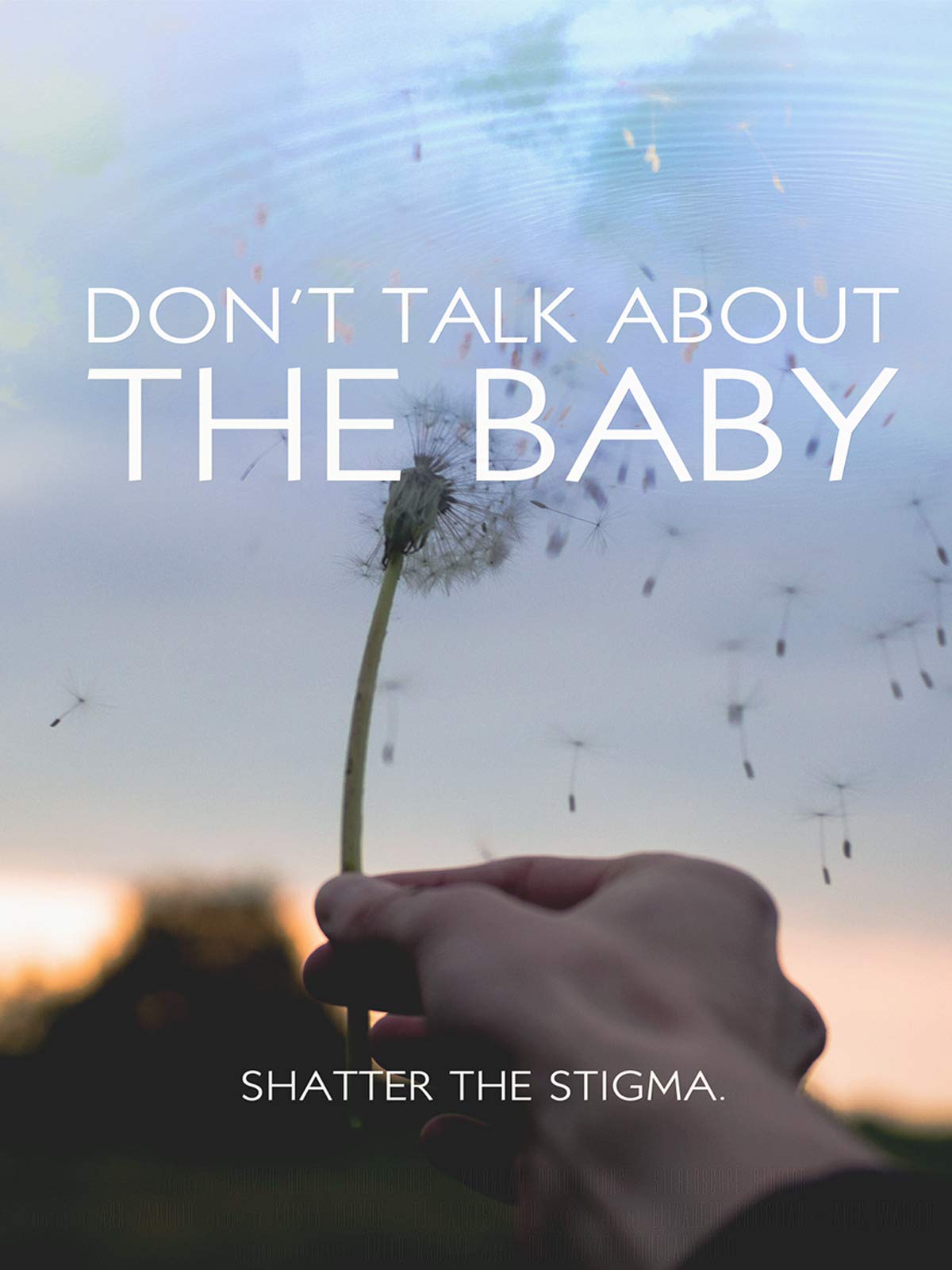
Don’t Talk About the Baby is a documentary film presenting first person accounts of infertility, miscarriage, and stillbirth. It addresses the cultural stigma of silence around these losses. The film includes interviews from mothers and fathers from around the US. It seeks to normalize the grieving process – and addresses how this grief is often invisible to outsiders, because to them the baby wasn’t visible. Additional insight is provided by a bereavement doula and other doctors. Content Warnings: Contains photos of deceased children. Couples talk about subsequent pregnancies and live births. Features discussion during a religious/Christian support group.Don’t Talk About the Baby is available on DVD from HCLS.
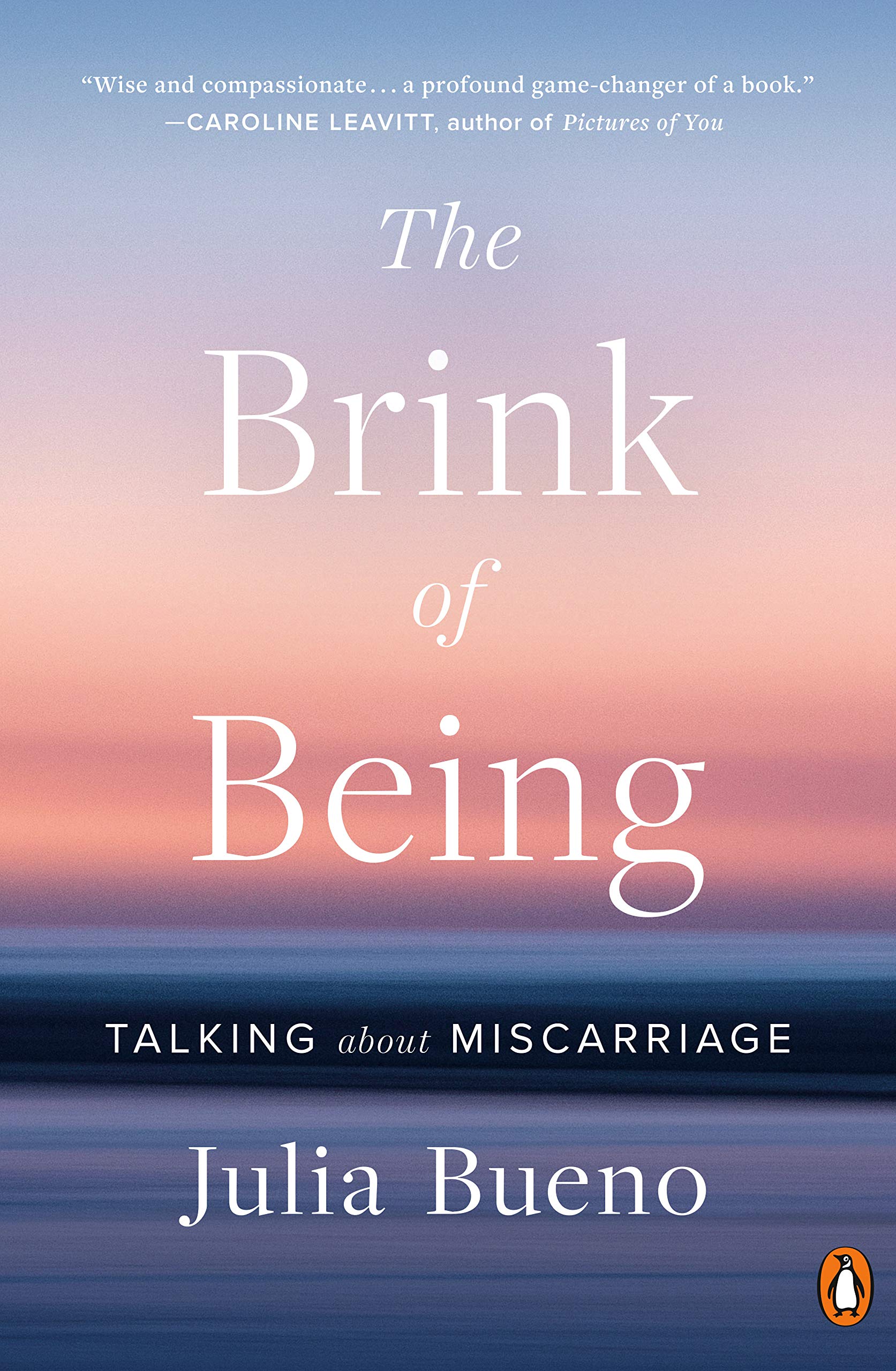
The Brink of Being: Talking About Miscarriage was written by a therapist who specializes in working with women who have experienced pregnancy loss and infertility. She also shares her own experiences with miscarrying 22-week twins. This book is laid out in a “chronological” retelling of losses – starting at the first weeks, and progressing throughout the stages at which miscarriage losses can occur. A chapter towards the end also speaks about memorials and remembrances. Stories are told in intimate and graphic detail. This book includes chapters on early, late, and recurrent miscarriage. It also offers insights into the perspectives of partners, fathers, family members, and loved ones. Content Warnings: Stories of subsequent pregnancies and living births are integrated into the narrative. Graphic descriptions, including the at-home birth of a embryonic baby. Definitions are given in terms recognized in the UK – miscarriage there is defined through 24 weeks, while in the US, babies born as soon as 20 weeks are termed stillborn.
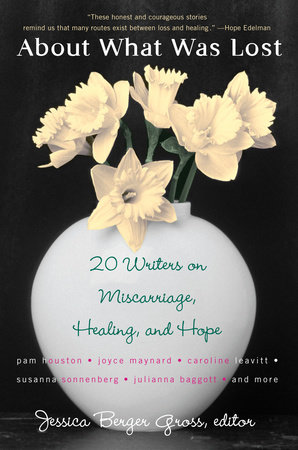
About What Was Lost is a compilation from 20 different writers who share their own stories of loss. This anthology offers a catharsis with honest (sometimes painful) re-tellings of private grief. Authors share their personal experiences and feelings about abortion, miscarriage, twin loss, and premature infant death. Each story and experience is unique to the author and reflects many perspectives on pregnancy and infant loss. Content Warnings: Subsequent pregnancies and live births are discussed. Abortion lossis covered in multiple accounts.
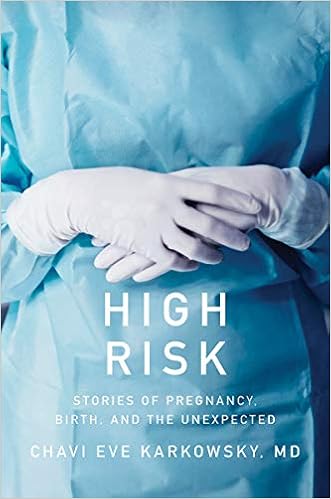
High Risk is written by a Maternal Fetal Medicine specialist (MFM) also known as a high-risk OB/GYN. She seeks to fill the void of information about what might happen. Told from a medical point-of-view, this book seeks to answer the call, “I wish someone had told me.” This book concisely details some of the most common diagnoses that bring patients to a MFM. It offers information on the processes, medical terminology, and decision making during pregnancy complications. In the chapter on stillbirth, the most common causes are discussed and dissected. The author also addresses some of the reasons behind the medical avoidance on the subject of stillbirth. This book presents a history of medical knowledge/treatments around pregnancy complications and the current standards (or lack thereof) of care when loss occurs. While it tells stories of real patients, it is from a detached medical perspective.
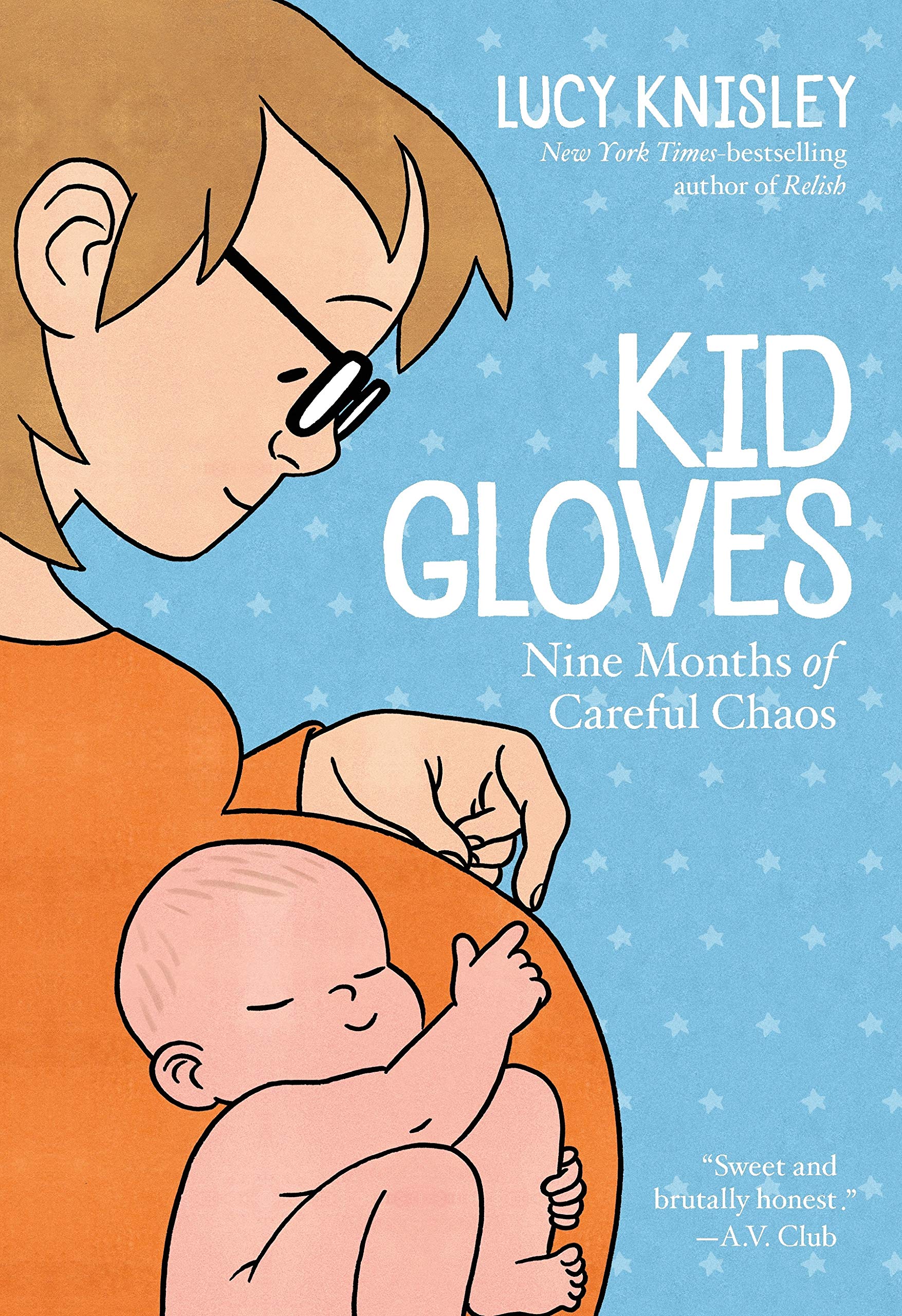
Kid Gloves by Lucy Knisley is a graphic novel available in both paperback and as an ebook via Overdrive. It portrays the author’s struggle with early miscarriage and the depression that followed her losses. These feelings of isolation and sadness are compounded by shame, guilt, and loathing of her own body. She recounts advice that eventually led her to healing… to treat herself with “kid gloves.” Lucy later receives a medical reason for her miscarriages, and goes on to recount her experiences through a pregnancy (with complications) and the eventual birth of a living child. She addreses the history of birthing practices and the notion of “natural” childbirth with humor and accuracy. Content Warnings: more than half of the book recounts the author’s successive pregnancy and battle with pre-eclampsia.
Return to Zero is a fictional film portraying stillbirth loss. It is based on the true story of writer/director/producer Sean Hanish and his wife. This movie shows how stillbirth shatters the lives of a successful and prosperous couple. The shock and disbelief Minnie Driver portrays when confronted with the semantics surrounding her upcoming birth echoed my own experiences with stillbirth. You never think that you’ll be asked about funerals and autopsies on the day you’re going to give birth. The movie goes on to depict the daily struggles of both parents as they navigate holidays, baby showers, and well-meaning outsiders. They are helped through a successive pregnancy by a doctor who has also experienced loss. Reception to the movie has led to the founding of RTZ: Hope which aims to shine a light on pregnancy loss and stillbirth. ContentWarnings: Photos of deceased children are shown. Stillbirth labor and delivery are depicted. Subsequent live birth is portrayed.Return to Zero is available from HCLS on DVD.
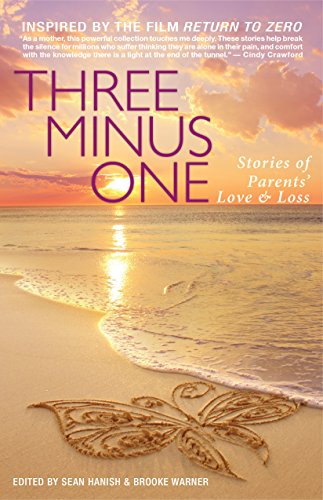
Three Minus One is an ebook available on Hoopla from HCLS. Inspired by the Return to Zero film, it is a compilation of over 80 individual essays, poems, and pictures submitted by mothers, fathers, relatives, and friends. Most of these stories focus on stillbirth and infant death, with several perspectives from families whose doctors declared their babies “incompatible with life” before they were born. Other topics include the loss of a toddler, the elective abortion of a Trisomy 21 baby, and miscarriage. This collection is a journey through their grief and pain, but mostly focused on the love these parents have for their children. Many explore what it means to move forward, for this after is nothing like what came before. Content Warnings: Photos of deceased children are shown. Several narratives include subsequent living children.
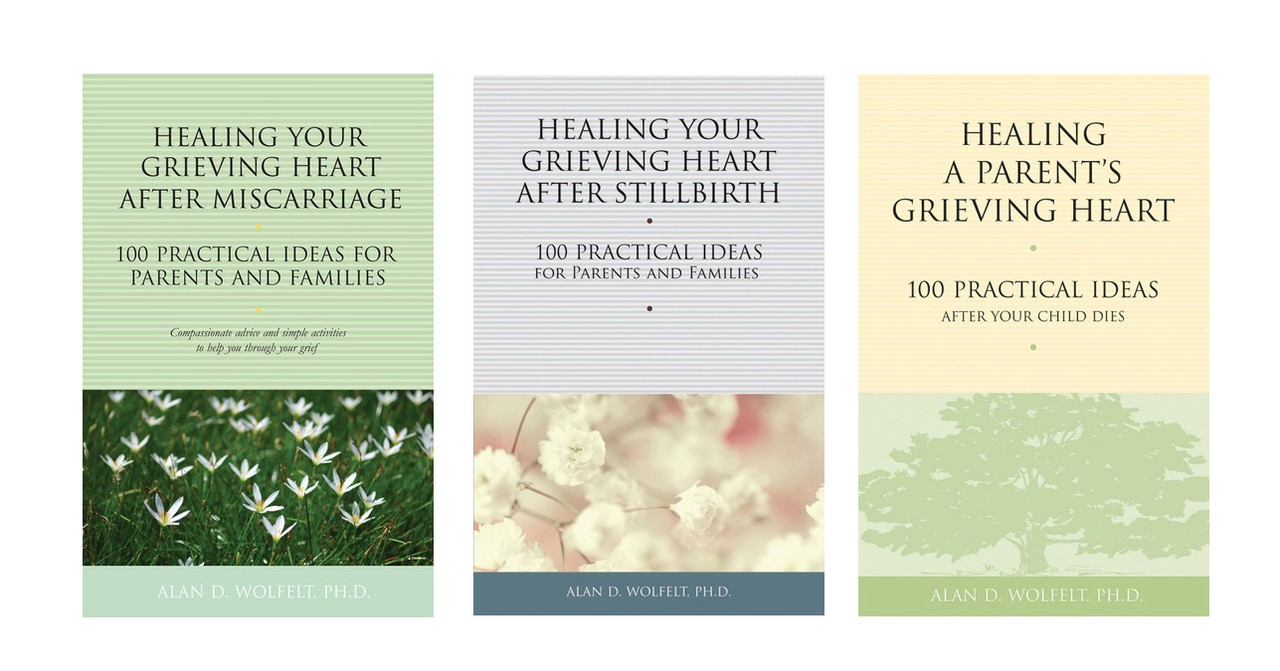
Healing Your Grieving Heart is a series of books available for Howard County Library patrons via Hoopla. They are written by Dr. Alan Wolfelt, a grief educator who offers practical ideas and concrete action-oriented tips to aid in the mourning process. Each title in the series addresses the unique concerns for each situation – from confronting what you did or did not see during the miscarriage process to taking & displaying pictures of a stillborn baby. The author offers practical, bullet-pointed ideas on how to practice self compassion while grieving. His tips are based on advice solicited from families who have experienced these losses. I found it helpful in a concrete way, when so much about the grieving process feels murky and disorienting. The author offers 100 ideas in each book. If some don’t feel right to you, his advice is just to skip it and move on. Self care is central to his philosophies, but moving from the emotion of grief to the action of mourning takes work and reflection. There are many titles available, but these three are most relevant to my post today: Healing Your Grieving Heart After Miscarriage Healing Your Grieving Heart After Stillbirth Healing a Parent’s Grieving Heart
The content provided is for informational purposes only; it is not intended to be used instead of professional medical opinion or advice. All information, content, and materials available on this site are for general informational purposes only.
Kimberly J is a DIY Instructor and Research Specialist at the HCLS Elkridge Branch. She is the mother to two living sons and two stillborn sons.
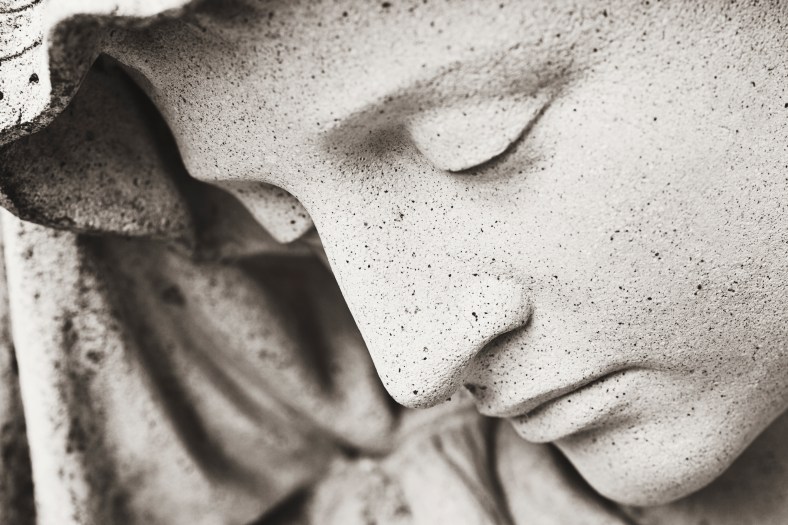
This statue of a grieving mother sits in the Star Garden Cemetery, reserved for babies who died before they had a chance to live.
by Kimberly J
For women who know they’re pregnant, about 15 percent of pregnancies end in miscarriage.1 About one pregnancy in 100 after 20 weeks of pregnancy is affected by stillbirth, and each year about 24,000 babies are stillborn in the United States.2 In 2018, the infant mortality rate in the United States was 5.7 deaths per 1,000 live births.3
Loss affects approximately 1 in 4 known pregnancies. Which means if it hasn’t happened to you, it has happened to someone you know. Yet, this subject is often surrounded by silence. That silence is isolating and discouraging. Not knowing what to say or what to do are the most common reactions when someone you know or love is experiencing this kind of loss, but silence is not the answer. Absence of support and acknowledgment can compound the grief and loss felt after such an event.
If you have experienced this type of loss, I am so sorry. After my losses, I started a journal of sorts and labeled it, “Things to Help?” In compiling the resources listed, I kept that thought in mind. Below is a list of materials and resources to hopefully help anyone experiencing such a loss (and those who love them) break the stigma of silence and shame. I hope these resources aid you in processing and working through the grief you may be struggling with. Sometimes, just knowing you are not alone can be of comfort.
“When a child loses his parent, they are called an orphan. When a spouse loses her or his partner, they are called a widow or widower. When parents lose their child, there isn’t a word to describe them. This month recognizes the loss so many parents experience across the United States and around the world. It is also meant to inform and provide resources for parents who have lost children due to miscarriage, ectopic pregnancy, molar pregnancy, stillbirths, birth defects, SIDS, and other causes.“
– RONALD REAGAN, 1988 DECLARING OCTOBER PREGNANCY & INFANT LOSS AWARENESS MONTH.
Local Resources – Central Maryland
Rising Hope Perinatal Hospice & Bereavement Program: at Howard County General Hospital – This program is free of charge and offers support during and after pregnancy. They offer emotional and practical support as well as referrals to support groups, therapists, and funeral directors. Contact: Amanda Meneses, 410-884-4709, adeane3@jhmi.edu – View their brochure by clicking HERE
Springboard Community Services: (formerly Family & Children Services of Central Maryland) is a local nonprofit that aims to make mental health services available to all. They provide social services including counseling and group therapy. Their website is www.springboardmd.org
Stillborn and Infant Loss Support (SAILS Maryland): This is a newer group supporting central Maryland families and run by Sadija Smiley, who has experienced loss herself. This group seeks to help those who have experienced a loss feel less alone. On their website, bornintosilence.org, they have compiled a list of national resources and created a remembrance wall to acknowledge lost babies.
Dear Mama: Hosted by HCLS (Sponsored by Friends and Foundation of Howard County Library System and The Women’s Giving Circle of Howard County. In partnership with Worcester County Library). This is a thematic multimedia exhibit depicting pregnancy and motherhood through the eyes of emerging artists of African descent. The aim is to create for the viewer emotional resonance as well as understanding of the health disparities impacting women of color. Join us for a day of dialogue and healing as we discuss the physical and emotional health of black mothers and mothers to be. This event will take place online on October 24th from 10am – 2pm. Register here.
Statewide and National Resources
MIS (Miscarriage, Infant Death, and Stillbirth) Share: This parent-led support group currently meets virtually to offer information, support, and comfort to parents at any stage of the grieving process. Specialized support groups are available throughout the DMV area. Find a brochure about their services by clicking here. Their website is www.misshare.org
Center for Infant & Child Loss: The Center is run by the University of Maryland Department of Pediatrics and is committed to increasing the understanding of sudden infant and child death, risk reduction practices, grief, and compassionate intervention. Contact: 800-808-7437. Their website is infantandchildloss.org
The Compassionate Friends: This is a national group offering peer-led support for bereaved parents, siblings, and grandparents who have experienced the death of a child of any age. Call the national office: 877-969-0010 or visit the website for local chapter information: www.compassionatefriends.org
Star Legacy Foundation – Maryland Chapter: This group seeks to decrease stillbirth rates through education and fundraising for research. They are also a resource for grieving families, who can call 952-715-7731 (ext. 1) to speak to a grief counselor. In addition, The Star Legacy Foundation coordinates volunteer efforts to make a difference locally with bereavement care packages and training for hospital staff. The Maryland chapter website and contact information can be found here.
MARYLAND CRISIS HOTLINE: 1-800-422-0009: This statewide 24 hour intervention and supportive counseling hotline is for depression, suicide, loneliness, family and relationship problems, shelter needs, violent or threatening domestic situations, chemical dependency issues and others.
Online Resources
CDC STILLBIRTH RESOURCES: The Center for Disease Control and Prevention has compiled resources for information and scientific articles regarding stillbirth. Also featured on this site are stillbirth stories from volunteer contributors. Visit the website here. Trigger Warning: The “Family Stories” section contains photos of deceased children.
Glow in the Woods: This site hosts online forums and archives “for babylost mothers and fathers.” The forums are labeled to help visitors avoid triggers for those that want to share, but are still sensitive to hearing about others who are trying to conceive (TTC) post-loss. The archives are filtered by category, allowing you to find narratives where the experiences/feelings mirror your own. Subjects in the archives range from depression, anger, and guilt to intimacy, memorials, and family. The website is glowinthewoods.com.
INSTAGRAM:
@LoveCommaDad – This account consists of a series of videos from a stillbirth and miscarriage father who shares loss stories and advice from other baby-loss dads in their own words to offer support for one another.
@RefugeInGrief – Most posts on this account feature the hastag #perfectlynormal – letting you know that whatever you’re feeling, this reaction is a normal part of the grieving process. This shared grief experience can be helpful, though infant/pregnancy loss is not specifically mentioned. Run by Megan Devine, author of It’s ok that you’re not ok : meeting grief and loss in a culture that doesn’t understand
@Miscarriage.Stories – Part of the nonprofit Managing Miscarriage, this account offers a place for sharing miscarriage stories. This account encourages submissions from followers in order to break free from the isolation and silence that usually accompanies miscarriage.
PODCASTS:
Stillbirth Matters! -from the Star Legacy Foundation – there are currently 30 episodes, mainly interviews with medical professionals, fathers, and mothers. The focus is mainly on stillbirth and infant loss stories. However, several episodes speak directly to infertility and pregnancy loss
Managing Miscarriage – this community-sourced podcast provides a forum for women to share their stories. It highlights narratives from women who have experienced miscarriage as well as expert perspectives from doctors. There are currently 76 episodes.
Sisters in Loss spotlights faith filled black women who share their grief and pregnancy loss stories. According to the NIH, black women are twice as likely to experience late miscarriage and stillbirth than white women. New episodes weekly; episodes include resources and strategies to heal and find a path forward after loss.
The content provided is for informational purposes only; it is not intended to be used instead of professional medical opinion or advice. All information, content, and materials available on this site are for general informational purposes only.
Kimberly J is a DIY Instructor and Research Specialist at the HCLS Elkridge Branch. She is the mother to 2 living sons and 2 stillborn sons.
1. “Miscarriage (also called early pregnancy loss) is when a baby dies in the womb (uterus) before 20 weeks of pregnancy. For women who know they’re pregnant, about 10 to 15 in 100 pregnancies (10 to 15 percent) end in miscarriage. Most miscarriages happen in the first trimester before the 12th week of pregnancy. Miscarriage in the second trimester (between 13 and 19 weeks) happens in 1 to 5 in 100 (1 to 5 percent) pregnancies. As many as half of all pregnancies may end in miscarriage. We don’t know the exact number because a miscarriage may happen before a woman knows she’s pregnant. Most women who miscarry go on to have a healthy pregnancy later.” Source: March of Dimes
2. “Stillbirth affects about 1 in 160 births, and each year about 24,000 babies are stillborn in the United States. That is about the same number of babies that die during the first year of life and it is more than 10 times as many deaths as the number that occur from Sudden Infant Death Syndrome (SIDS).” Source: CDC
3. “Infant mortality is the death of an infant before his or her first birthday. In 2018, the infant mortality rate in the United States was 5.7 deaths per 1,000 live births.” Source:CDC
Mark your calendars on October 12th! Beginning this year, Howard County will celebrate Indigenous Peoples’ Day. On WJZ-13 CBS, County Executive Calvin Ball released a statement on the decision. “Celebrating Indigenous Peoples’ Day does not absolve us from our history, but we hope that it sets a tone and opens up discussions on the importance of restorative practices throughout our government and our community.”
Indigenous Peoples’ Day is an exciting opportunity to explore the incredible history and culture of Indigenous communities that have often been underrepresented in our celebrations. Of course, what better way to observe this holiday than to curl up with a new book? I know I will! Here are ten books for you and your family to read and learn about Indigenous culture by authors of Indigenous descent:
Do you know what fry bread is? This colorful and touching picture book by Maillard answers this question and provides a kinship to the Native tradition of communal food preparation. In addition, Maillard provides a personal background to the narrative as he is an enrolled citizen of the Seminole Nation of Oklahoma. Coupled with the illuminating illustrations by Martinez-Neal, children and adults will enjoy reading Fry Bread together.
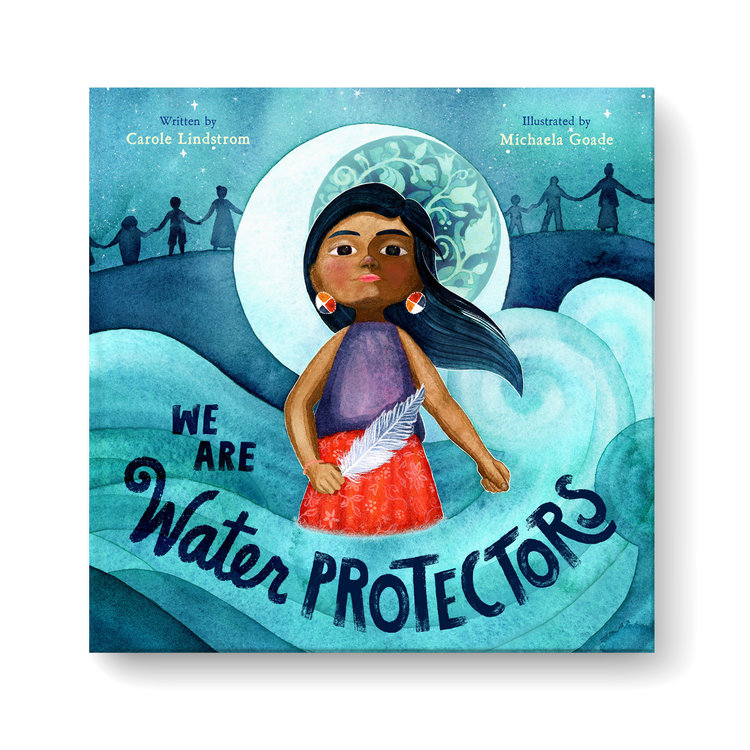
“Water is the first medicine, It affects and connects us all…” Earth is made up of 71% of water and it provides its inhabitants with nourishment and hydration. What would you do to protect it? Inspired by the Dakota Access Pipeline protests at the Standing Rock Indian Reservation, We Are Water Protectors is an incredibly accessible picture book for children to learn more about water and its importance to the health of the Earth. Lindstrom provides readers with a piece of her culture, as she is Anishinabe/Metis and is tribally enrolled with the Turtle Mountain Band of Ojibwe. She also calls Maryland her home!
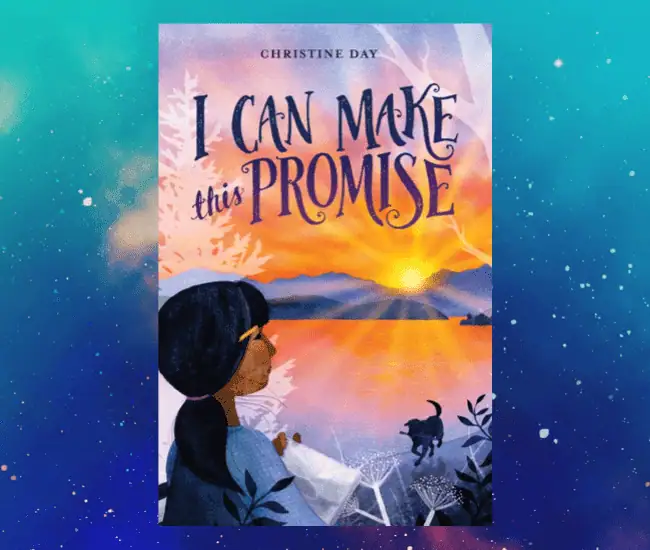
With her debut middle grade novel, Day tells the semi-autobiographical story of a 12-year-old girl’s search for her true identity. Adopted at a young age by a white couple, Edie has always been curious about her Native American heritage. When she and her friends find a box of letters and photos of a woman who shares her name, Edie begins to question her parents and the secrets they kept from her. Powerful and important, Day weaves a storyline together that draws from her own Native heritage as an enrolled citizen of the Upper Skagit tribe. I am very excited about this novel and will be adding it to my reading list.
Indian No Moreby Charlene Willing McManus with Traci Sorell
Straight from our 2020 Summer Reading list, Indian No More tells the heartbreaking story of 8-year-old Regina and the erasure of her Native American identity. It’s 1954 and her family is told all tribes in their state of Oregon no longer exist. Much like the other selections on the list so far, this novel is based on McManus’s own experiences when her tribe, the Umpqua, was terminated in 1954. Sadly, McManus passed away in 2018, unable to complete the revisions to her novel. Her friend and fellow author, Traci Sorell, completed the revisions as she wished.
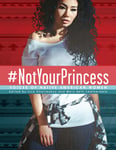
Told from the perspective of young Native American/Indigenous women, #NotYourPrincess weaves together a traditional narrative with artwork, poetry, photography, and interviews to present a well-rounded depiction of issues affect Indigenous communities. While parts of the stories can be tough to read, this anthology is a great conversation starter for teens, especially young women, who could relate to the issues depicted in these stories.
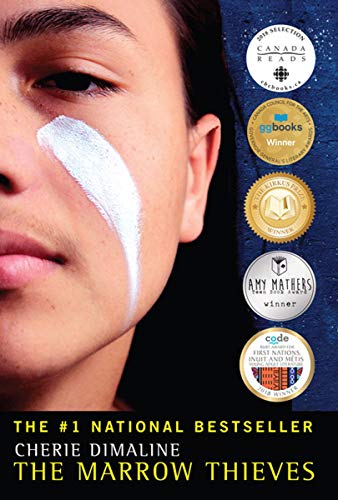
Imagine a dystopian world where a majority of the world’s inhabitants have lost the ability to dream. Set in the future, The Marrow Thieves tells of a world such as this and how the lack of dreams has caused intense madness among society. The only people still able to dream are North America’s Indigenous communities. Their bone marrow is the cure for all mankind for the world to return to prosperity, but this means the certain death of the marrow holders. This sets the stage for Frenchie – a 15-year-old Indigenous teen, trying his best to survive, protect his companions, and flee from “recruiters” who hope to steal his marrow. Written by Canadian writer Cherie Dimaline, who is a member of the Georgian Bay Metis Community, The Marrow Thieves is an action-packed novel for fans of dystopian societies. It also packs a moral punch as to how we, as a society, view Indigenous communities and resources.
As if to speak entirely from its title, Surviving the City is based in an urban environment in Canada, where readers are introduced to Miikwan and Dez. Miikwan is Anishinaabe; Dez is Inniew. They are best friends trying their best to navigate the normal struggles that come with being teens as well as being faced with the challenges of being a part of a small, Indigenous minority in an urban landscape. When Dez’s grandmother falls ill and is unable to take care of Dez anymore, Dez is faced with the possibility of going into a group home. Unable to deal with that solution, Dez leaves home and disappears. Will Dez’s community find her before it’s too late? Tasha Spillett’s debut graphic novel series at first seems simple in telling Dez’s mysterious disappearance, but it also sets the tone for providing information about murdered and missing Indigenous women and girls in Canada.
A Girl Called Echoby Katherena Vermette, Illustrations by Scott B. Henderson, colored by Donovan Yaciuk
Time travel fans will enjoy the story of Echo Desjardins, a 13-year-old Metis girl adjusting to a new home and school, separated from her mother. During one of her first lectures with a new teacher, Echo transports to the past in several different environments: a fur-trade route, the Pemmican Wars, and a bison hunt, to name a few. Selected for our 2020 Summer Reading list, teens and adults alike will enjoy this refreshing take on Indigenous history, written by Katherena Vermette, a Metis Canadian author.
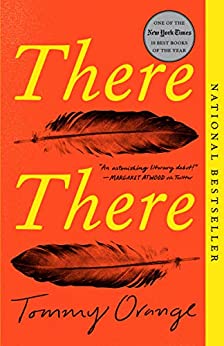
An instant hit upon its release, Cheyenne and Arapaho author Tommy Orange provides readers with an intense narrative of the urban Native American. This novel follows the journeys of 12 characters from Native communities, all en route to the Big Oakland Powwow. Each character has endured their own unique struggles, and the interwoven narratives provide a larger, deeper story of the contemporary Native American struggle while grappling with a painful history. A very popular book club choice, There There will definitely provide some complex conversation and will pique your interest in Indigenous history.
I thought I would end with a recent release from this year. Highly acclaimed author Louise Erdrich writes a fictionalized version of her grandfather’s life as a night watchman in the 1950’s. Set on her family’s home reservation (in what is now North Dakota), night watchman Thomas Wazhashk is a Chippewa Council member who is grappling with the new “emancipation” bill proposed by U.S. Congress. Despite “emancipation” as a synonym for freedom in previous events, this bill presents the term more like a “termination” of Native American culture, land, and identity. His story is coupled with that of Patrice Paranteau, a young adult who makes jewel barrings at the plant and is saving to search for her sister, Vera. Poverty, violence, exploitation: Louise Erdrich combines these intense themes and crafts a novel based on her Ojibwe roots and current Anishinaabe membership. I am definitely adding The Night Watchman to my to-read list.
No matter what age, we can all celebrate Indigenous voices this year and for many years to come on Indigenous Peoples Day. I hope there are some selections you will explore this fall, and all are available at HCLS! Add these books to your holds queue and enjoy these amazing stories.
Claudia J. is an instructor and research specialist and has worked for Howard County Library System for a little over four years. She enjoys writing on rainy days and drinking iced coffee on sunny days.
When you hear the words “banned book,” what’s the first thought that comes to mind? Is it a particular title? Do you stay away from these books or welcome them onto your bookshelf? Is your child allowed to read these books?
I’m always intrigued by a title that has made it onto the banned/challenged books list. Often, the reason is something that should really involve a personal decision on the suitability for any child. Instead of immediately turning away from a title, representation on the banned books list can be cause to look deeper and open up a valuable conversation.
Reasons for a book to be banned include: racial themes, alternative lifestyles, LGBTQIA+, profanity, violence, negativity, sex, magic and witchcraft, unpopular religious or political views, or any theme deemed unsuitable for a particular age group.
I have chosen a few children’s books to highlight:
Hop on Pop by Dr. Seuss Found in many personal collections, this Dr. Seuss book depicts rambunctious kids hopping on their father as he tries to relax. This book was challenged because it depicts violence against fathers and was thought to encourage such behavior. Parents grew concerned that the silly rhyming story would cause children to destroy their homes, and some even stated that their local library should pay for any resulting damages. Dr. Seuss is no stranger to the banned books list, due to racist depictions of people through wording and exaggerated facial features. However, it’s a bit more far-fetched to ban a story that is just so naturally zany.
Where The Wild Things Are by Maurice Sendak You’ve likely read this story and may even have it memorized. This classic makes the banned books list for many reasons. Some find it psychologically damaging and traumatizing for young children due to the explosive emotions that Max seemingly can’t control. Child abuse is also listed as a reason, due to Max’s mom sending him to bed without any dinner as a punishment. In addition, witchcraft and supernatural elements continue to check the boxes for reasons to be on a banned books list. However, I see this book as an opportunity to discuss how actions have consequences, imagination knows no bounds, and emotions can often be bigger than us and difficult to control.
The Family Book by Todd Parr Todd Parr is certainly not someone you would ever expect to see on a banned books list. His vibrant, emotive, and inclusive books are customer favorites. This title has all the great things you look for in Parr’s books, but not everyone agreed with the depiction of diverse families. Having two moms or two dads caused a lot of people to complain. Sadly, any mention of LBGTQIA+ characters, themes, or elements is often a cause for parents to call for banning books. Instead, I suggest using that time reading together to celebrate diverse love and educate your child about all the wonderful representations of the rainbow- and families!
Junie B. Jones series by Barbara Park Even a well-loved series isn’t safe from the banned books list. Junie B. Jones certainly has her own way of talking and expressing herself. This results in a lot of technical grammatical errors with phrases like “runned speedy quick” and “did a shrug.” Junie’s speech patterns landed this series on the banned books list as parents were worried it could encourage young readers to mimic her ways.
The Giver by Lois Lowry This is my all-time favorite book. I read it in middle school and immediately loved it. Every re-read results in the same feeling and, honestly, that’s rare to find. Concern for this book consists of a variety of reasons. “Twisted” and “lewd” content, occult themes, violence, infanticide, euthanasia, sexuality, and suicide are all reasons this story has made its way onto the banned books list. Some expressed that this was the very kind of book that leads a person to have no concern for humanity. The themes in this book offer room for a lot of heartfelt, thoughtful, and meaningful discussion. The Giver is beautiful and haunting, and it makes me feel deeply and fully.
I mentioned the reasons a book might be banned. What about the reasons not to ban a book? Something that isn’t liked by one shouldn’t be taken away from everyone. Books are truly among our best teachers, having a broad impact that can change the world, Censorship isn’t protection from the difficult realities of the world, rather it’s a practice in inefficacy and privilege.
Everyone should read banned books, including children. Many of the most frequently banned books either are celebrated classics or future classics. I encourage you to read banned books with your child, to look deeper, and to maintain a safe space for conversation.
Laci is a Children’s Instructor and Research Specialist at HCLS. They love a wide variety of music, spending time in the garden, Halloween, cats, and crafting. Their “to read” list is always full of graphic novels and picture books.
You pause and look at the stranger. “It’s bacon. Even bad bacon is good.”
“No, I mean it’s bad for you.” And with that, the stranger whips your plate of crispy bacon off the table and tilts the contents into an oversized Hefty. You:
Apologize to the clearly well-meaning stranger and hand over the offending pork.
Shoot your hand into the bag, fish around, grab a fistful of what feels like bacon, and jam it into your mouth.
Throw your body atop the table, effectively blocking brunch, or something equally dramatic.
While there may be solid arguments against bacon as a factor in health and wellness, most people – clever teenagers especially – would agree the choice of what to eat should belong to the eater or (maybe) the parents of said eater. Thus, bacon becomes my tasty, non-vegetarian metaphor for censored materials in honor of Banned and Challenged Books Week.
Banned and Challenged Books Week is an international celebration of the freedom to read and the right to open access of information. Libraries around the globe host events during the last week of September designed to expose and oppose the suppression of ideas, even those many consider unpopular, unorthodox, or downright yucky. HCLS contributes with The First Amendment, a news literacy class exploring the legal protections, exceptions, and precedents of that Constitutional powerhouse.
The American Library Association launched Banned and Challenged Books Week in 1982, following the verdict in Board of Education, Island Trees Union Free School District No. 26 v. Pico by Pico. In brief, the local school board deemed certain books in their district’s collection “filthy” and removed them. A group of students took issue with this unilateral action and sued. Yes, teens sued the school district and won, albeit narrowly. The Supreme Court ruled that while governing boards had discretion over their collections, that discretion, “must be exercised in a manner that comports with the transcendent imperatives of the First Amendment.”
So, can books and materials still be banned? Yes, but there should be a formal process, called a challenge, which requires written documentation explaining the nature of the objection. The respective board of the organization or company, be it a library, museum, or even a store, must evaluate the contested material and assess whether to retain, remove, or relocate it. Every year the ALA’s Office of Intellectual Freedom collects and publishes a list of the most challenged books. Most are titles for children and teens.
Are you listening, teens? People want to take your bacon! How about, instead, an act of quiet rebellion? Read a Banned or Challenged book. Then join the conversation. Here a few examples that may interest you:
Drama by Raina Teglemeier has been challenged repeatedly for “LGBTQ themes. ” Other titles receive similar treatment for “sexually explicit” (Merriam-Webster’s 10th edition for the term ‘oral sex’), racisim, violence, profanity, or religious or political viewpoints. Some are simply considered “unsuited to any age group” (Captain Underpants), which is a catch-all for material considered to have no redeeming value. For the record, the ALA (and HCLS) understands that humor is a matter of opinion. However, we have a problem with stealing those laughs from others who want them.
“The novel, the story. the poem, are still subjected to a paradox with a long history: Fighting the written word acknowledges its power” (53). – from Freedom of Speech: Mightier Than the Sword by David K. Shipler
It’s easy to think of Banned Books in terms of the classics, many of which are read in high school and challenged at that level: Beloved, The Adventures of Huckleberry Finn, and Slaughterhouse-Five are three that spring to mind even before I look at a list. In fact, you can even listen here to Benedict Cumberbatch reading Kurt Vonnegut’s famous letter to the Drake County School Board after they banned and burned his masterpiece. Sherlock Holmes himself in support of our First Amendment!
What other forms, you might ask? Award-winning musicals and plays, from Sweeney Todd to Shakespeare’s own Twelfth Night, have been censored and banned in recent years. The Defender Database of the Dramatists Legal Defense Fund has a comprehensive list of theatrical challenges and bans nationwide, and works “to educate everyone about the subjective and transient standards that have been employed by censor[s].”
Another form of censorship you may not have considered is the banning of books in prisons and jails, which is often arbitrary, with no efficient review mechanisms and no independent oversight outside of the prison system. PEN America has also found that literature about topics including race and civil rights is disproportionally subject to banning; you can read about their findings here and learn more about their Literature Locked Up initiative.
The American Library Association’s Office of Intellectual Freedom provides a continually updated list of resources for those interested in crucial First Amendment issues. To begin, I would suggest reading the Library Bill of Rights and the ALA’s Freedom to Read statement, both of which advocate for our nation to trust individual citizens – not government censors – to make their own best decisions about reading, expression, and the free and open exchange of ideas. After all, as Justice John Marshall Harlan famously wrote for the court in Paul Robert Cohen v. California in 1971, “One man’s vulgarity is another’s lyric.”
Julie is an instructor and research specialist at HCLS Miller Branch. She loves gardening, reading, journalism, and all kinds of music.
At the beginning of the pandemic, I found it difficult to focus on books. It seemed like Emily St. John Mandel’s dystopian novel, Station Eleven was playing out right in front of me. However, when physical distancing became a part of our daily routine, I took to reading so I could escape to other worlds created by authors. The books below are some of the ones that I truly enjoyed as I read them during isolation, borrowed from Howard County Library System.
The Pull of the Stars by Emma Donoghue (available in print, ebook,eaudiobook): A fascinating story of nurse Julia Powers, who works in the maternity ward of a hospital in war- and flu-ravaged Dublin in 1918. She takes care of expectant mothers fallen ill with the raging Spanish flu. With the help of a rebel woman doctor and a young orphaned woman, Nurse Powers tends to the needs of the quarantined pregnant women in her care to the best of her ability under the circumstances.
The Book of Lost Friends by Lisa Wingate: (available in print, ebook, eaudiobook) Told in the alternating voices of Hannie, a recently freed slave in 1875, and Benedetta Silva, a young new teacher in a tiny town in Louisiana in 1987, this story takes us through the Reconstruction era in America with Hannie, as she travels to Texas with two unwilling companions, Miss Lavinia and Juneau June, in the hope of finding her family members who were sold as slaves in different cities and towns. Benny Silva, while trying to engage her unwilling students in their own history, comes across the story of Hannie’s journey in the library of a run-down plantation house. The discovery of this quest brings forth a fascinating story of freed slaves trying desperately to reconnect with family members lost to slavery in 1870’s America.
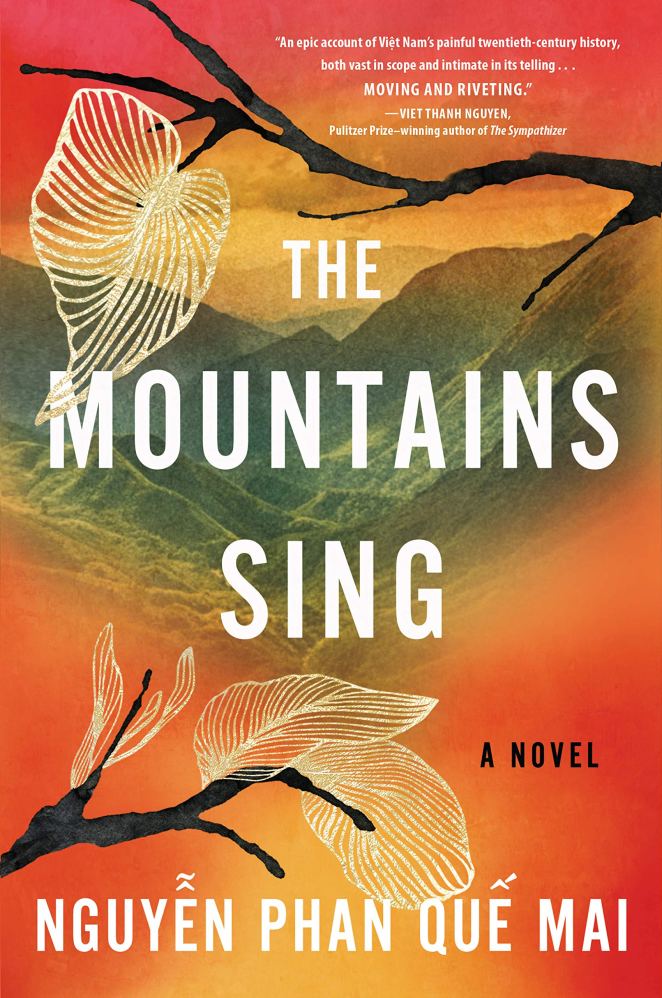
The Mountains Sing by Nguyen Phan Que Mai (available in print, eaudiobook): Drawn from the author’s own experiences of growing up in postwar Vietnam and from interviewing countless people who lived through the horrors of the Vietnam war, Ngyuen Phan Que Mai writes this amazing story of a family torn apart, not only by the war, but also by the subsequent division between north and south Vietnam. While the story talks about the unbelievable horror that wars inflict on human life, it also sings an ode to indomitable human resilience and a desperate mother’s inexplicable courage and determination to keep her children safe.
A Good Neighborhood by Therese Anne Fowler (available in print, ebook, eaudiobook): Valerie is a 48-year-old Black woman, a single mom to Xavier, and an ecology professor who nurtures a deep love for plants and trees. Brad Whitman is an entrepreneur who has risen up in wealth and power from humble beginnings. Brad builds a gorgeous house next to Valerie’s and moves in with his wife Julia, step daughter Juniper and daughter Lily. As a relationship starts to build between Valerie and Julia, an incident regarding Valerie’s favorite tree causes a rift between the two families, resulting in a law suit. But Xavier, Valerie’s 18-year-old son, and Juniper, Julia’s 17-year-old daughter, are also building a beautiful relationship. How much acceptance will an interracial relationship receive, not only from society but also from Brad Whitman? Told from the perspective of the neighbors of both Valerie and Brad, this story explores complicated race relations between Black and White, loss of innocence, coming of age, struggles of women, and much more.
What did you read during isolation? Tell us in the comments.
Piyali is an instructor and research specialist at the Miller Branch of HCLS, where she co-facilitates both Global Reads and Strictly Historical Fiction.
While the Enchanted Garden is temporarily closed to visitors and volunteers, it still manages to be a busy place for nature. Last year, the Enchanted Garden became a certified Wildlife Habitat thanks to the work of the Tween Sprouts (an HCLS youth garden club) and a loyal group of student and Master Gardener volunteers. This year it seems chipmunks, bunnies, butterflies, bees, birds, maybe a fox, plus more unseen critters are enjoying the efforts of our two-legged helpers. Let’s take a peek inside.
Birds helped spread sunflower seeds planted by youth gardeners in spring 2019. Come late this summer goldfinches, bees, and butterflies are feasting on their nectar and seeds!
Mint must thrive on neglect! Many common herbs like basil, thyme, oregano, rosemary, and lemon balm are members of the hardy mint family. These herbs and more common mints like chocolate and spearmint are providing nectar for our hungry pollinators. Let your mint reach the flowering stage and pollinators will come.
Common milkweed left unchecked has claimed the back corner of the garden. Since it is the host plant of the monarch butterfly and mega food for a variety of pollinators, I’m enjoying its presence and hoping to see monarch caterpillars devouring the leaves any day.
Monarchs have not been plentiful in the Enchanted Garden so far this summer, but a few make a regular appearance. Thank goodness we have enough native perennials like this Summersweet, to help feed them on their journey.
Though the chore list to restore our Enchanted Garden is a tad long, these sights inspire me to persevere. I am grateful for the work of many in past years and truly look forward to the day we can open the gates to all our garden friends, volunteers, and visitors.
Ann is the Enchanted Garden Coordinator and Research Specialist at the Miller Branch. After nearly ten years with HCLS, she still thinks her position is a dream come true.














 CHAPTER CHATS