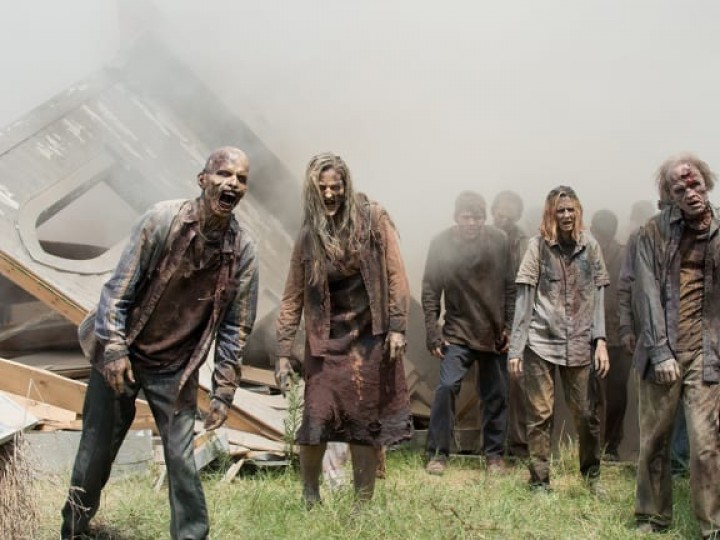
The haunting times are almost here – get in a spooky mood with some of my favorite zombie books.
Zone One by Colson Whitehead (also available in ebook) – If you like your monsters a little more literary, you should start here. Mark Spitz is an uninfected worker assigned to clear Zone One (in Manhattan) of the infected. The book spans three days of work and includes flashbacks of how Mark survived the zombie apocalypse and the reason for his nickname.
Warm Bodies by Isaac Marion – I have always said that zombies were my favorite monster because you could in no way make them romantic. Marion proves me wrong with Warm Bodies. He tells the story of R, a zombie living in an abandoned airport who falls in love with a human girl name Julie after eating the brain of her boyfriend. I thought I would hate my favorite monster becoming a love interest, but this is one of my favorite zombie books.
Dread Nation by Justina Ireland (also available in ebook and eaudio) – In this zombie/alternate history novel, Jane McKeene was born two days before the dead began to walk the battlefields during the Civil War and change American history as we know it. The Native and Negro Re-education Act requires some children to be trained to kill the dead. Jane is sent from Kentucky to Miss Preston’s School on Combat in Baltimore. When families around Baltimore County begin to go missing, Jane is drawn into a dangerous conspiracy. This is the beginning of a series, so be ready to commit.
The Girl With All the Gifts by M R Carey (also available in ebook and eaudio) – In another different sort of zombie novel, we meet Melanie, in a classroom full of other children like her. They are a special group of “hungries,” people infected with a fungus that turns them into zombies. The hungries normally lose their mental function, but the children in the class have retained their mental cognition and only lose control when they get too close to human scent. The base that houses their school is attacked, and the adults must learn to trust Melanie, as she is their best hope to survive outside the base.
Feed by Mira Grant – In the world of Feed, two viruses created to cure cancer and the common cold combine to form the Kellis-Amberlee superbug, which soon infects all mammals. If it amplifies, the host becomes a zombie. Amplification can happen with the death of the host, being bitten by an amplified host, or spontaneously. The book starts twenty years after the infection and centers on bloggers George, Shaun, and Buffy. When the presidential campaign they are covering is attacked by zombies, the bloggers go on a mission to discover the truth behind the attack and, ultimately, the virus.
Cell by Stephen King (also available in ebook) – King is my favorite author, so I couldn’t do a list without including this one. When a pulse is sent out over the global cell network, everyone using a cell phone at that time turns into a mindless zombie-like killer. Clay is in Boston when it hits and teams up with Tom and Alice to survive. They make their way to Maine to check on Clay’s family and find the zombies are starting to band together in a sort of network, making them difficult to escape.
I hope these titles can get you in the Halloween mood. Was your favorite zombie novel not on my list? Tell me in the comments.
Alan has worked for HCLS for just under 25 years, currently at the Savage Branch. He enjoys reading, television, and most sports.
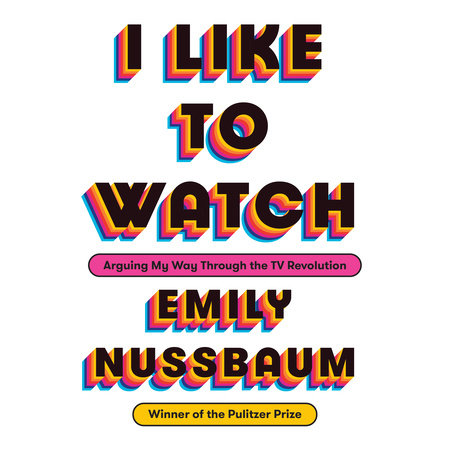
I’m not sure if anyone else spent the end of summer comparing the lengths of their summer reading list to that of their Netflix watch history… but for me the latter is headed for a sweeping victory. In a last ditch effort to slightly even the scales, while not venturing too far from my comfort zone, I picked upI Like to Watch: Arguing My Way Through the TV Revolution(also available as an eBook and an eAudiobook). In a collection of her own criticism, author and TV critic Emily Nussbaum reflects on her work from 2007 to the present.
Nussbaum’s anthology, a personally curated selection of work from New York and The New Yorker, explores the revolution in how we view TV; from “it will rot your brain” all the way to “binge-worthy”. The book begins with an introduction by Nussman explaining how Buffy the Vampire Slayer turned her away from her doctoral studies in literature in pursuit of TV; a pursuit that, in 2016, earned her the Pulitzer Prize for criticism. Now this, a mere three pages in, was about the place in the book where I was hooked. As an avid Buffy viewer, anyone who places her on the same tier as Tony Soprano has my full attention.
Throughout her work Nussbaum continually defends TV’s place among “high-brow” art. As Nussbaum recounts her first episode of Buffy in the mid 90s, she also recalls public opinion of TV watching as shameful, an opinion that Nussbaum writes “was true not only of snobs who boasted that they ‘didn’t even own a TV’; but was true of people who liked TV.” While this view has definitely changed since the 90s, I found myself comparing the thought to my own TV habits. In the current age of television, I can simultaneously feel shameful for clicking “next episode” on my latest soapy obsession, while at the same time apologize for not keeping up with the latest hard-hitting drama. I am able to rationalize this feeling through another major theme in Nussbaum’s work. While we find ourselves in a place where acclaimed TV can be found in the same space as acclaimed films, there are a number of people left out when determining what is great TV and what is guilty pleasure.
What I truly enjoy about this book is how Nussbaum navigates the gender, racial, and cultural biases all too common in the television industry through strong arguments, humor, and, at times, contradictions to her own thought. In the end, this book gave me a perfect end to my guilt-free-TV-binging summer.
Becky is an Adult Instructor and Research Specialist at the HCLS East Columbia Branch who enjoys art and everything science.
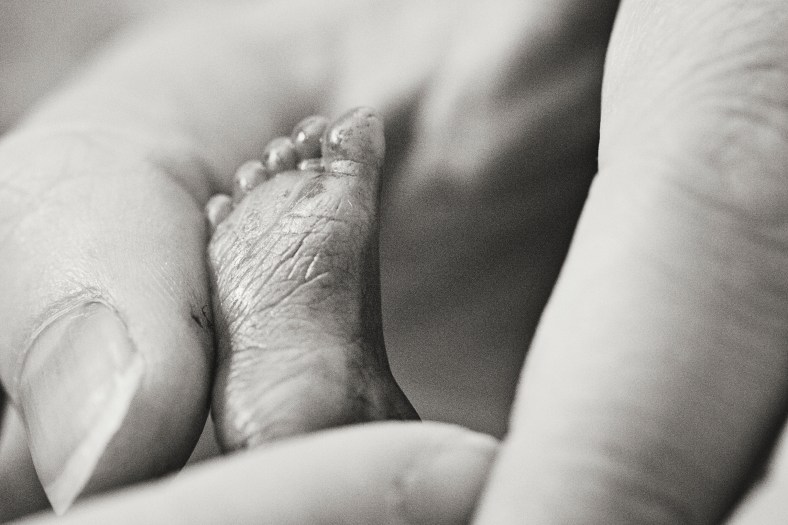
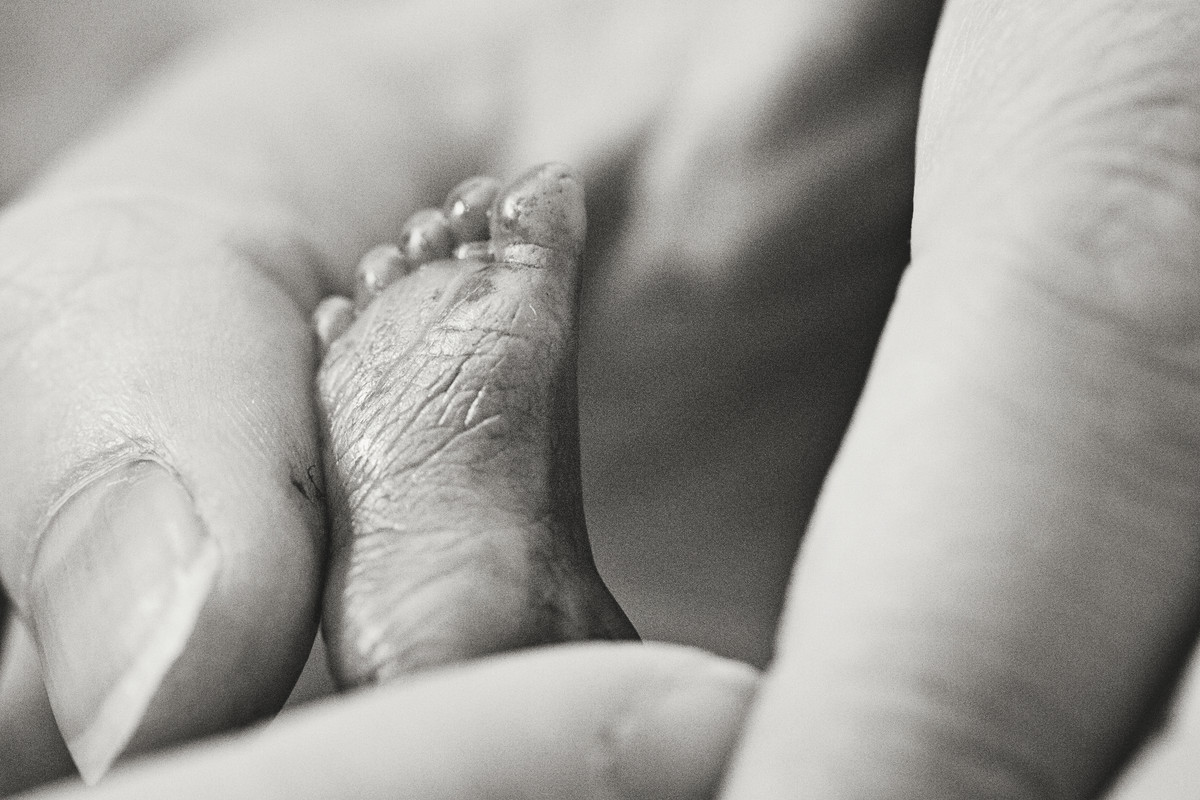
Photo by Kimberly J – shared in memory of Todd & George
In 2013, I was pregnant twice. Both of these pregnancies ended in stillbirth. The next few months were a bit of a blur. I felt alone, isolated, shameful, and guilty about my body’s failures. Medical terminology surrounding pregnancy loss did little to dispel these feelings. Words like miscarriage, incompetent cervix, and inhospitable uterus felt like they, too, were laying the blame at the mothers’ feet. One day, a book arrived in the mail from a dear friend which made me feel less alone. I found it helpful to hear others’ stories and experiences that mirrored my own. That book was the catalyst for my grieving process and healing. If you are struggling, I hope that one of these books or DVDs might bring the same sense of catharsis and comfort to you. If someone you know has recently experienced a similar loss, I hope these resources will help you relate to them and know how to help.
Don’t Talk About the Baby is a documentary film presenting first person accounts of infertility, miscarriage, and stillbirth. It addresses the cultural stigma of silence around these losses. The film includes interviews from mothers and fathers from around the US. It seeks to normalize the grieving process – and addresses how this grief is often invisible to outsiders, because to them the baby wasn’t visible. Additional insight is provided by a bereavement doula and other doctors. Content Warnings: Contains photos of deceased children. Couples talk about subsequent pregnancies and live births. Features discussion during a religious/Christian support group.Don’t Talk About the Baby is available on DVD from HCLS.
The Brink of Being: Talking About Miscarriage was written by a therapist who specializes in working with women who have experienced pregnancy loss and infertility. She also shares her own experiences with miscarrying 22-week twins. This book is laid out in a “chronological” retelling of losses – starting at the first weeks, and progressing throughout the stages at which miscarriage losses can occur. A chapter towards the end also speaks about memorials and remembrances. Stories are told in intimate and graphic detail. This book includes chapters on early, late, and recurrent miscarriage. It also offers insights into the perspectives of partners, fathers, family members, and loved ones. Content Warnings: Stories of subsequent pregnancies and living births are integrated into the narrative. Graphic descriptions, including the at-home birth of a embryonic baby. Definitions are given in terms recognized in the UK – miscarriage there is defined through 24 weeks, while in the US, babies born as soon as 20 weeks are termed stillborn.
About What Was Lost is a compilation from 20 different writers who share their own stories of loss. This anthology offers a catharsis with honest (sometimes painful) re-tellings of private grief. Authors share their personal experiences and feelings about abortion, miscarriage, twin loss, and premature infant death. Each story and experience is unique to the author and reflects many perspectives on pregnancy and infant loss. Content Warnings: Subsequent pregnancies and live births are discussed. Abortion lossis covered in multiple accounts.
High Risk is written by a Maternal Fetal Medicine specialist (MFM) also known as a high-risk OB/GYN. She seeks to fill the void of information about what might happen. Told from a medical point-of-view, this book seeks to answer the call, “I wish someone had told me.” This book concisely details some of the most common diagnoses that bring patients to a MFM. It offers information on the processes, medical terminology, and decision making during pregnancy complications. In the chapter on stillbirth, the most common causes are discussed and dissected. The author also addresses some of the reasons behind the medical avoidance on the subject of stillbirth. This book presents a history of medical knowledge/treatments around pregnancy complications and the current standards (or lack thereof) of care when loss occurs. While it tells stories of real patients, it is from a detached medical perspective.
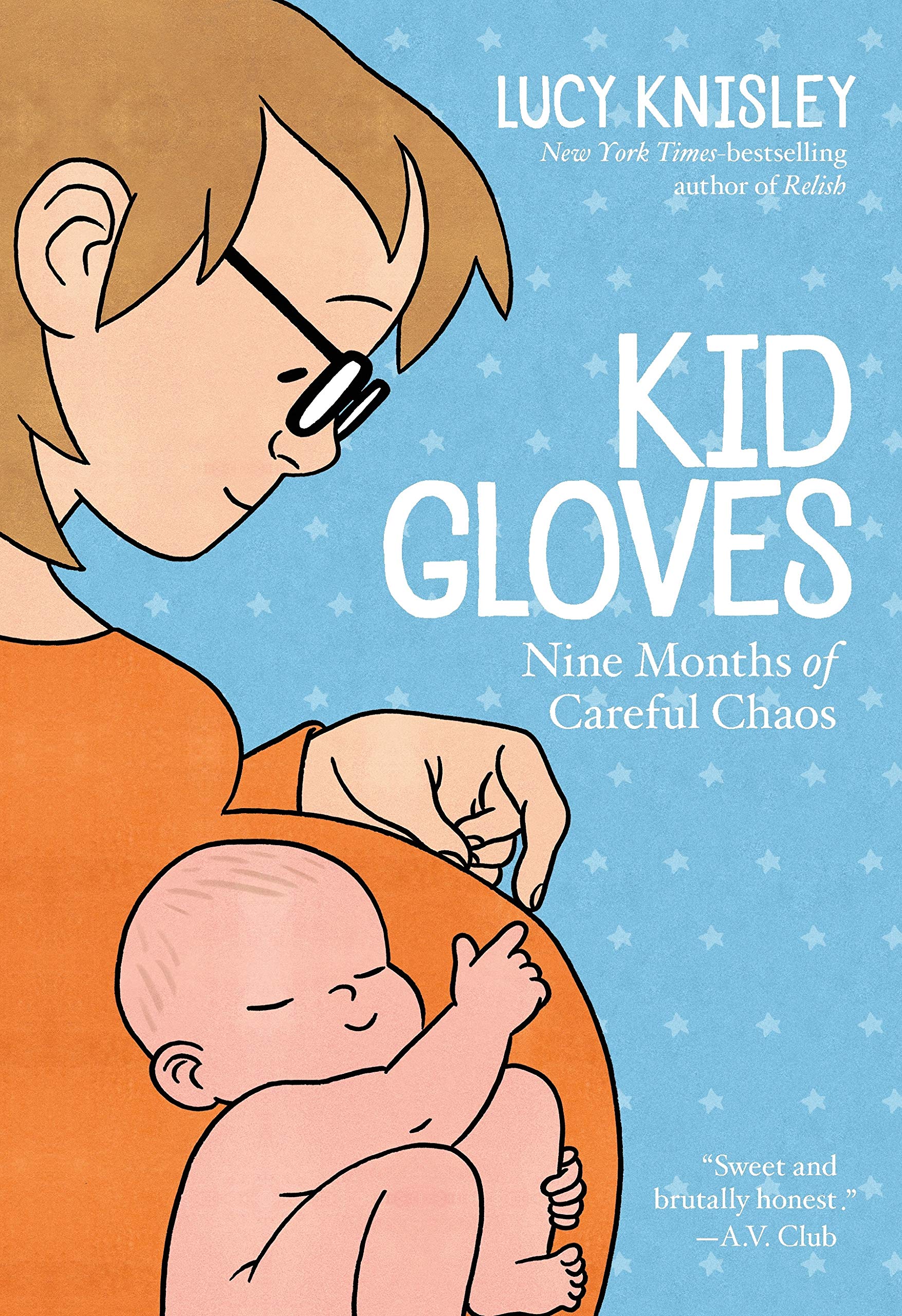
Kid Gloves by Lucy Knisley is a graphic novel available in both paperback and as an ebook via Overdrive. It portrays the author’s struggle with early miscarriage and the depression that followed her losses. These feelings of isolation and sadness are compounded by shame, guilt, and loathing of her own body. She recounts advice that eventually led her to healing… to treat herself with “kid gloves.” Lucy later receives a medical reason for her miscarriages, and goes on to recount her experiences through a pregnancy (with complications) and the eventual birth of a living child. She addreses the history of birthing practices and the notion of “natural” childbirth with humor and accuracy. Content Warnings: more than half of the book recounts the author’s successive pregnancy and battle with pre-eclampsia.
Return to Zero is a fictional film portraying stillbirth loss. It is based on the true story of writer/director/producer Sean Hanish and his wife. This movie shows how stillbirth shatters the lives of a successful and prosperous couple. The shock and disbelief Minnie Driver portrays when confronted with the semantics surrounding her upcoming birth echoed my own experiences with stillbirth. You never think that you’ll be asked about funerals and autopsies on the day you’re going to give birth. The movie goes on to depict the daily struggles of both parents as they navigate holidays, baby showers, and well-meaning outsiders. They are helped through a successive pregnancy by a doctor who has also experienced loss. Reception to the movie has led to the founding of RTZ: Hope which aims to shine a light on pregnancy loss and stillbirth. ContentWarnings: Photos of deceased children are shown. Stillbirth labor and delivery are depicted. Subsequent live birth is portrayed.Return to Zero is available from HCLS on DVD.
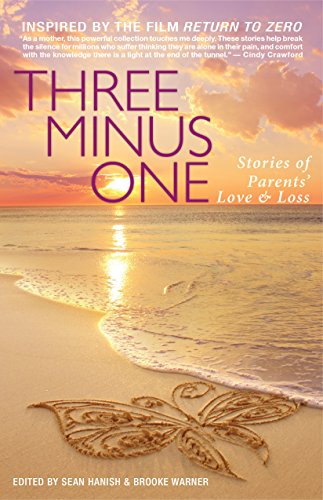
Three Minus One is an ebook available on Hoopla from HCLS. Inspired by the Return to Zero film, it is a compilation of over 80 individual essays, poems, and pictures submitted by mothers, fathers, relatives, and friends. Most of these stories focus on stillbirth and infant death, with several perspectives from families whose doctors declared their babies “incompatible with life” before they were born. Other topics include the loss of a toddler, the elective abortion of a Trisomy 21 baby, and miscarriage. This collection is a journey through their grief and pain, but mostly focused on the love these parents have for their children. Many explore what it means to move forward, for this after is nothing like what came before. Content Warnings: Photos of deceased children are shown. Several narratives include subsequent living children.
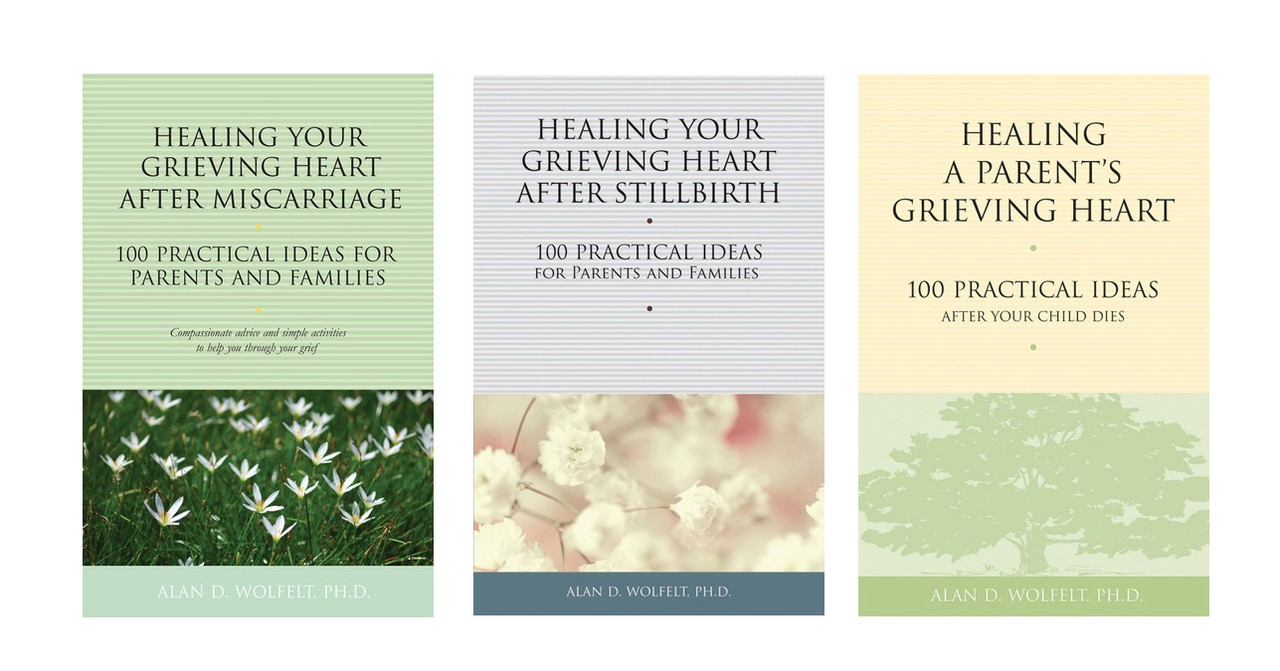
Healing Your Grieving Heart is a series of books available for Howard County Library patrons via Hoopla. They are written by Dr. Alan Wolfelt, a grief educator who offers practical ideas and concrete action-oriented tips to aid in the mourning process. Each title in the series addresses the unique concerns for each situation – from confronting what you did or did not see during the miscarriage process to taking & displaying pictures of a stillborn baby. The author offers practical, bullet-pointed ideas on how to practice self compassion while grieving. His tips are based on advice solicited from families who have experienced these losses. I found it helpful in a concrete way, when so much about the grieving process feels murky and disorienting. The author offers 100 ideas in each book. If some don’t feel right to you, his advice is just to skip it and move on. Self care is central to his philosophies, but moving from the emotion of grief to the action of mourning takes work and reflection. There are many titles available, but these three are most relevant to my post today: Healing Your Grieving Heart After Miscarriage Healing Your Grieving Heart After Stillbirth Healing a Parent’s Grieving Heart
The content provided is for informational purposes only; it is not intended to be used instead of professional medical opinion or advice. All information, content, and materials available on this site are for general informational purposes only.
Kimberly J is a DIY Instructor and Research Specialist at the HCLS Elkridge Branch. She is the mother to two living sons and two stillborn sons.
Tomorrow marks the final day of Hispanic Heritage Month, and in culmination and in the spirit of #OwnVoices, HCLS presents two book reviews written by Latina staff members about Hispanic authors. Read to the end to find out about classes this week in celebration of Hispanic Heritage!
By Gabriela P.
The House of Broken Angels by Luis Alberto Urrea sweeps the reader away with the timeless intimacy of a family chronicle. Absolutely stunning prose brings irresistible characters to life as they move through physical borders, family relationships, and personal struggles. The novel presents a Mexican-American family recounting their family’s history with bittersweet humor. The predictable immigration tale set-up is given a fresh makeover with the uninhibited and blunt depiction of a complicated reality.
Urrea doesn’t shy away from presenting a raw clumsiness in the characters’ interactions. Their emotions came across so authentically that I often felt myself getting goosebumps while reading! I was happy to discover that the theme that struck me the most was completely unexpected. Others who have reviewed the book frequently comment on the hierarchy, since a lot of the narrative revolves around “Big Angel”, the patriarch of the family. But I found that it was, in fact, the women of the family who drove the story. Though easily missed in favor of the more dramatic plot points, as the family’s history is recounted, the women’s strength and resiliency is cemented. Without giving the ending away, I can say that I was delighted to see women in roles usually reserved for men, and even more so that their strength was recognized.
I can find parallels to my own family’s history in the novel, and I definitely found myself identifying with one of the characters…but I won’t say which one!
The House of Broken Angels is also available as an ebook and eaudiobook through OverDrive/Libby.
Gabriela is a customer service specialist at the Miller Branch.She loves long walks, reading with her dog, and a good cup of coffee.
By Carolina W.
In Like Water for Chocolate by Laura Esquivel, Tita De La Garza, the youngest daughter in a family living in Mexico at the turn of the twentieth century, is born in her kitchen, establishing her connection to cooking. Pedro Muzquiz asks for Tita’s hand in marriage but Mama Elena, Tita’s tyrannical mother, says Tita is forbidden to marry because of family tradition. Pedro then marries Tita’s sister, Rosaura, to be close to Tita. Gertrudis, the eldest daughter of Mama Elena, escapes the ranch after reacting mysteriously to one of Tita’s recipes. Rosaura gives birth to a son, Roberto, who is delivered by Tita, who treats him as her own. After Mama Elena arranges for Rosaura’s family to move to San Antonio, Texas, Tita is devastated when several tragedies challenge her health and sanity. The ending is hopeful, however, as John Brown, a local American doctor, patiently restores love and health to her life and helps rehabilitate her soul.
As a Latina who grew up in Texas near the Mexican border, it was natural to be drawn to read Laura Esquivel’s novel, Like Water for Chocolate. I was fascinated to find out about the Mexican culture’s family traditions, particularly because my family cherishes traditions so strongly. The main conflict in this novel is a family custom which forbids the youngest daughter from marrying so that she will be free to take care of her mother. This dilemma sincerely captured my attention as did the delicious recipes which are used to represent the characters’ feelings and situations and Tita De La Garza’s and Pedro Muzquiz’s tragic, passionate love story.
Like Water for Chocolate is also available in Spanish in our World Language collection.
Carolina is a customer service specialist at the Miller Branch.She loves Mexican food, having fun, and adventure.
HCLS offers the following three classes in recognition and celebration of Hispanic Heritage Month. Please join us (follow the links to register)!
Mark your calendars on October 12th! Beginning this year, Howard County will celebrate Indigenous Peoples’ Day. On WJZ-13 CBS, County Executive Calvin Ball released a statement on the decision. “Celebrating Indigenous Peoples’ Day does not absolve us from our history, but we hope that it sets a tone and opens up discussions on the importance of restorative practices throughout our government and our community.”
Indigenous Peoples’ Day is an exciting opportunity to explore the incredible history and culture of Indigenous communities that have often been underrepresented in our celebrations. Of course, what better way to observe this holiday than to curl up with a new book? I know I will! Here are ten books for you and your family to read and learn about Indigenous culture by authors of Indigenous descent:
Do you know what fry bread is? This colorful and touching picture book by Maillard answers this question and provides a kinship to the Native tradition of communal food preparation. In addition, Maillard provides a personal background to the narrative as he is an enrolled citizen of the Seminole Nation of Oklahoma. Coupled with the illuminating illustrations by Martinez-Neal, children and adults will enjoy reading Fry Bread together.
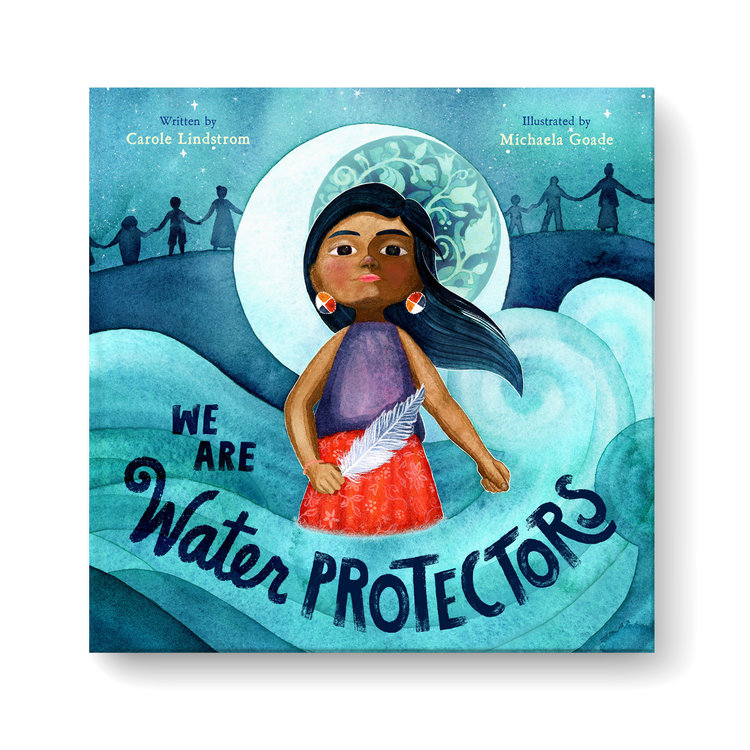
“Water is the first medicine, It affects and connects us all…” Earth is made up of 71% of water and it provides its inhabitants with nourishment and hydration. What would you do to protect it? Inspired by the Dakota Access Pipeline protests at the Standing Rock Indian Reservation, We Are Water Protectors is an incredibly accessible picture book for children to learn more about water and its importance to the health of the Earth. Lindstrom provides readers with a piece of her culture, as she is Anishinabe/Metis and is tribally enrolled with the Turtle Mountain Band of Ojibwe. She also calls Maryland her home!
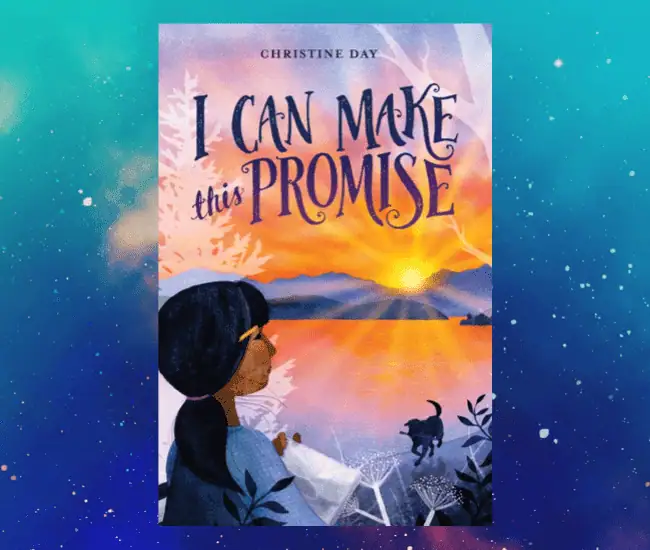
With her debut middle grade novel, Day tells the semi-autobiographical story of a 12-year-old girl’s search for her true identity. Adopted at a young age by a white couple, Edie has always been curious about her Native American heritage. When she and her friends find a box of letters and photos of a woman who shares her name, Edie begins to question her parents and the secrets they kept from her. Powerful and important, Day weaves a storyline together that draws from her own Native heritage as an enrolled citizen of the Upper Skagit tribe. I am very excited about this novel and will be adding it to my reading list.
Indian No Moreby Charlene Willing McManus with Traci Sorell
Straight from our 2020 Summer Reading list, Indian No More tells the heartbreaking story of 8-year-old Regina and the erasure of her Native American identity. It’s 1954 and her family is told all tribes in their state of Oregon no longer exist. Much like the other selections on the list so far, this novel is based on McManus’s own experiences when her tribe, the Umpqua, was terminated in 1954. Sadly, McManus passed away in 2018, unable to complete the revisions to her novel. Her friend and fellow author, Traci Sorell, completed the revisions as she wished.
Told from the perspective of young Native American/Indigenous women, #NotYourPrincess weaves together a traditional narrative with artwork, poetry, photography, and interviews to present a well-rounded depiction of issues affect Indigenous communities. While parts of the stories can be tough to read, this anthology is a great conversation starter for teens, especially young women, who could relate to the issues depicted in these stories.
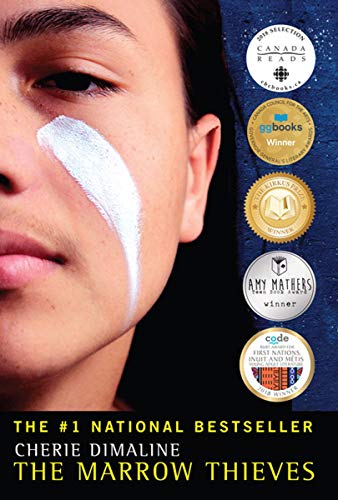
Imagine a dystopian world where a majority of the world’s inhabitants have lost the ability to dream. Set in the future, The Marrow Thieves tells of a world such as this and how the lack of dreams has caused intense madness among society. The only people still able to dream are North America’s Indigenous communities. Their bone marrow is the cure for all mankind for the world to return to prosperity, but this means the certain death of the marrow holders. This sets the stage for Frenchie – a 15-year-old Indigenous teen, trying his best to survive, protect his companions, and flee from “recruiters” who hope to steal his marrow. Written by Canadian writer Cherie Dimaline, who is a member of the Georgian Bay Metis Community, The Marrow Thieves is an action-packed novel for fans of dystopian societies. It also packs a moral punch as to how we, as a society, view Indigenous communities and resources.
As if to speak entirely from its title, Surviving the City is based in an urban environment in Canada, where readers are introduced to Miikwan and Dez. Miikwan is Anishinaabe; Dez is Inniew. They are best friends trying their best to navigate the normal struggles that come with being teens as well as being faced with the challenges of being a part of a small, Indigenous minority in an urban landscape. When Dez’s grandmother falls ill and is unable to take care of Dez anymore, Dez is faced with the possibility of going into a group home. Unable to deal with that solution, Dez leaves home and disappears. Will Dez’s community find her before it’s too late? Tasha Spillett’s debut graphic novel series at first seems simple in telling Dez’s mysterious disappearance, but it also sets the tone for providing information about murdered and missing Indigenous women and girls in Canada.
A Girl Called Echoby Katherena Vermette, Illustrations by Scott B. Henderson, colored by Donovan Yaciuk
Time travel fans will enjoy the story of Echo Desjardins, a 13-year-old Metis girl adjusting to a new home and school, separated from her mother. During one of her first lectures with a new teacher, Echo transports to the past in several different environments: a fur-trade route, the Pemmican Wars, and a bison hunt, to name a few. Selected for our 2020 Summer Reading list, teens and adults alike will enjoy this refreshing take on Indigenous history, written by Katherena Vermette, a Metis Canadian author.
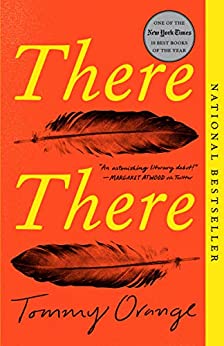
An instant hit upon its release, Cheyenne and Arapaho author Tommy Orange provides readers with an intense narrative of the urban Native American. This novel follows the journeys of 12 characters from Native communities, all en route to the Big Oakland Powwow. Each character has endured their own unique struggles, and the interwoven narratives provide a larger, deeper story of the contemporary Native American struggle while grappling with a painful history. A very popular book club choice, There There will definitely provide some complex conversation and will pique your interest in Indigenous history.
I thought I would end with a recent release from this year. Highly acclaimed author Louise Erdrich writes a fictionalized version of her grandfather’s life as a night watchman in the 1950’s. Set on her family’s home reservation (in what is now North Dakota), night watchman Thomas Wazhashk is a Chippewa Council member who is grappling with the new “emancipation” bill proposed by U.S. Congress. Despite “emancipation” as a synonym for freedom in previous events, this bill presents the term more like a “termination” of Native American culture, land, and identity. His story is coupled with that of Patrice Paranteau, a young adult who makes jewel barrings at the plant and is saving to search for her sister, Vera. Poverty, violence, exploitation: Louise Erdrich combines these intense themes and crafts a novel based on her Ojibwe roots and current Anishinaabe membership. I am definitely adding The Night Watchman to my to-read list.
No matter what age, we can all celebrate Indigenous voices this year and for many years to come on Indigenous Peoples Day. I hope there are some selections you will explore this fall, and all are available at HCLS! Add these books to your holds queue and enjoy these amazing stories.
Claudia J. is an instructor and research specialist and has worked for Howard County Library System for a little over four years. She enjoys writing on rainy days and drinking iced coffee on sunny days.
With the stories of Ahmaud Arbery, George Floyd, and Breonna Taylor – to name but a few – making headlines and sparking the continued need for police reform and racial unity, the timeliness of this title is both powerful and serendipitous.
I’m Not Dying with you Tonight (available as a book, eBook, and eAudiobook) opens with a familiar setting as we go back to school figuratively and under non-pandemic circumstances: a football game at McPherson High School. We meet Lena, the African American It-Girl of her class who knows everyone. She’s not sure, though, about the whereabouts of her much older boyfriend nicknamed Black, a wannabe music artist who proves to be unreliable in the eyes of Lena’s sage friend LaShunda. Lena and LaShunda have plans to watch the Dolls – the school’s dance team – perform at the game, then Lena wants to hook up with Black. Just a typical Friday night, right? Wrong.
Meanwhile, we also meet Campbell, who is a new student, Caucasian, and hard at work at the concession stand. Overwhelmed by the long lines and lack of help, Campbell does her best to juggle the hungry and thirsty crowds of students – both her McPherson schoolmates and those of their biggest rival, Jonesville High. She needs to work this one shift and wait for her teacher, Ms. Marino, to give her a ride home after the game because her father made plans to visit his fishing cabin. Again, normal Friday night plans? Wrong, again.
Things quickly take a dark turn when a white boy from Jonesville calls a black McPherson student a racial slur. Fists fly and, wait, were those shots fired?
The fast-paced story’s chapters are told alternately from Lena’s and Campbell’s point of view. Two smart and strong young women, brought together in an unusual circumstances as they face racial unrest and become unlikely allies.
Much of the beauty of I’m Not Dying with You Tonight lies in the subtlety of what is said versus what is left unsaid and open to interpretation. Jones and Segal paint real portrayals of teens and the racial inequities they face while writing the way teens really speak. As Black Lives Matter continues to shine a much-needed light on the value of diverse reads, add this one to your reading list and to your conversations.
Carmen J is a teen instructor at HCLS East Columbia. Among her favorite things are great books, all things 80s, fall weather, Halloween, and pumpkin spice everything.
Feel free to share your favorite things at eco.teens@hclibrary.org. She loves to hear from customers!
National Hispanic Heritage Month is here! What better to celebrate than to read a novel amplifying amazing authors? In honor of recognizing Hispanic stories this month as well as year-round, I highly suggest a harrowing novel I read recently. Fruit of the Drunken Tree by Ingrid Rojas Contreras tells the journey of the Santiagos and their lifelong connection with their maid, Petrona Sanchez. Set in Colombia at the height of the Pablo Escobar-era of its history, this novel is loosely based on Contreras’ life. Knowing this fact only further intensified the emotions I felt as I experienced this story.
Told from the perspectives of Chula Santiago, the youngest daughter of the Santiago family, and Petrona Sanchez, Fruit of the Drunken Tree begins with a photograph, one that asks many questions but provides many answers. Yet, to know the extent of the photo, Chula takes readers to the past, to her privileged life exploring her gated community with her sister Cassandra, to the experience of having a new maid arrive at their home. Chula’s persistence at forging a friendship with Petrona provides an ongoing struggle that she faces for much of the novel. With the backdrop of ongoing violence, kidnappings, and drug trafficking, Chula explores these situations with curiosity, confusion, and occasional fear, while Petrona spends much of her life experiencing it firsthand. Slowly, readers begin to wonder who the real enemy is, as most Colombians in the novel are unsure themselves.
Ultimately, the intimate moments of prose that Contreras provides hooked me in, and I found myself afraid for these characters and their outcome. There are several moments that left me uncomfortable and were tough to read. Nevertheless, Fruit of the Drunken Tree is beautifully written and told with such detail that enhanced my learning about Colombia during this intense time period.
Fruit of the Drunken Tree by Ingrid Rojas Contreras is available now at HCLS in print and ebook formats. Celebrate National Hispanic Heritage Month from September 15 to October 15! Visit hclibrary.org and explore our catalog for more materials celebrating Hispanic culture and heritage.
Claudia J. has worked for Howard County Library System for a little over four years. She enjoys writing on rainy days and drinking iced coffee on sunny days.
When you hear the words “banned book,” what’s the first thought that comes to mind? Is it a particular title? Do you stay away from these books or welcome them onto your bookshelf? Is your child allowed to read these books?
I’m always intrigued by a title that has made it onto the banned/challenged books list. Often, the reason is something that should really involve a personal decision on the suitability for any child. Instead of immediately turning away from a title, representation on the banned books list can be cause to look deeper and open up a valuable conversation.
Reasons for a book to be banned include: racial themes, alternative lifestyles, LGBTQIA+, profanity, violence, negativity, sex, magic and witchcraft, unpopular religious or political views, or any theme deemed unsuitable for a particular age group.
I have chosen a few children’s books to highlight:
Hop on Pop by Dr. Seuss Found in many personal collections, this Dr. Seuss book depicts rambunctious kids hopping on their father as he tries to relax. This book was challenged because it depicts violence against fathers and was thought to encourage such behavior. Parents grew concerned that the silly rhyming story would cause children to destroy their homes, and some even stated that their local library should pay for any resulting damages. Dr. Seuss is no stranger to the banned books list, due to racist depictions of people through wording and exaggerated facial features. However, it’s a bit more far-fetched to ban a story that is just so naturally zany.
Where The Wild Things Are by Maurice Sendak You’ve likely read this story and may even have it memorized. This classic makes the banned books list for many reasons. Some find it psychologically damaging and traumatizing for young children due to the explosive emotions that Max seemingly can’t control. Child abuse is also listed as a reason, due to Max’s mom sending him to bed without any dinner as a punishment. In addition, witchcraft and supernatural elements continue to check the boxes for reasons to be on a banned books list. However, I see this book as an opportunity to discuss how actions have consequences, imagination knows no bounds, and emotions can often be bigger than us and difficult to control.
The Family Book by Todd Parr Todd Parr is certainly not someone you would ever expect to see on a banned books list. His vibrant, emotive, and inclusive books are customer favorites. This title has all the great things you look for in Parr’s books, but not everyone agreed with the depiction of diverse families. Having two moms or two dads caused a lot of people to complain. Sadly, any mention of LBGTQIA+ characters, themes, or elements is often a cause for parents to call for banning books. Instead, I suggest using that time reading together to celebrate diverse love and educate your child about all the wonderful representations of the rainbow- and families!
Junie B. Jones series by Barbara Park Even a well-loved series isn’t safe from the banned books list. Junie B. Jones certainly has her own way of talking and expressing herself. This results in a lot of technical grammatical errors with phrases like “runned speedy quick” and “did a shrug.” Junie’s speech patterns landed this series on the banned books list as parents were worried it could encourage young readers to mimic her ways.
The Giver by Lois Lowry This is my all-time favorite book. I read it in middle school and immediately loved it. Every re-read results in the same feeling and, honestly, that’s rare to find. Concern for this book consists of a variety of reasons. “Twisted” and “lewd” content, occult themes, violence, infanticide, euthanasia, sexuality, and suicide are all reasons this story has made its way onto the banned books list. Some expressed that this was the very kind of book that leads a person to have no concern for humanity. The themes in this book offer room for a lot of heartfelt, thoughtful, and meaningful discussion. The Giver is beautiful and haunting, and it makes me feel deeply and fully.
I mentioned the reasons a book might be banned. What about the reasons not to ban a book? Something that isn’t liked by one shouldn’t be taken away from everyone. Books are truly among our best teachers, having a broad impact that can change the world, Censorship isn’t protection from the difficult realities of the world, rather it’s a practice in inefficacy and privilege.
Everyone should read banned books, including children. Many of the most frequently banned books either are celebrated classics or future classics. I encourage you to read banned books with your child, to look deeper, and to maintain a safe space for conversation.
Laci is a Children’s Instructor and Research Specialist at HCLS. They love a wide variety of music, spending time in the garden, Halloween, cats, and crafting. Their “to read” list is always full of graphic novels and picture books.
On Tuesday, October 6 at 11 am, 2020 One Maryland One Book author Lisa See visits virtually to discuss her book The Island of Sea Women. She will be in conversation with Laura Yoo, Professor of English at Howard Community College and a board member of Howard County Poetry and Literature Society. Register to receive a link to this free event.
Spanning generations, and set against the backdrop of the Japanese occupation of Korea, the Korean War, and the broader geopolitics of the Cold War, The Island of Sea Women takes place on the island of Jeju. It focuses on haenyeo – female divers, who cooperated to create a matrifocal society. These women were the primary earners in their families, while their husbands took on more domestic roles. However, the complexity of the narrative captures the broader theme of nearly 70 years of friendship.
See writes, “No one picks a friend for us; we come together by choice,” and such was the case for Young-sook, the daughter of the chief haenyeo, and Mi-ja, an orphan whose father was a Japanese collaborator. Young-sook’s family, in spite of being wary of Mi-ja’s stained reputation, practically adopts her, and their friendship is a beautiful and rare sort. It is, “not tied together through ceremony or the responsibility to create a son; we tie ourselves together through moments. The spark when we first meet. Laughter and tears shared. Secrets packed away to be treasured, hoarded and protected. The wonder that someone can be so different from you and yet still understand your heart in a way no one else ever will.” Such deeply shared moments, secrets, and experiences define the nature of their friendship.
As the girls reach adulthood, the prospect of their respective arranged marriages begins to strain their friendship. Mi-ja looks to marry the wealthy and handsome son of a Japanese collaborator, who resides in the city, while Young-sook has an understanding with a neighbor boy, Jun-bu. Yet, their friendship further solidifies through the shared experiences of their “leaving-home water-work” in Russia’s Vladivostok and motherhood.
The looming backdrop of the Korean Crisis and the 4.3 Incident (the massacre of thousands of Koreans on April 3, 1948 in response to a communist rebellion) at the hands of the new Korean government brought into power by the United States results in crimes against humanity and atrocities being committed against the innocent. The novel’s major dilemma revolves around Young-sook’s struggle with the traumatic and rather graphic barbarity of the 4.3 Incident and her subsequent rejection of Mi-ja’s friendship.
While the novel deals with several themes, the overarching theme of friendship intersects and interacts with some of the other themes like male hegemony in Korean society, motherhood, religion and spirituality, war, injustice and finally, loss, betrayal and forgiveness. This book has much to teach about female companionship, trust, and, more importantly, the necessity to hear a friend without judgment.
Review by Rohini G., who is an Adult Curriculum Specialist with Howard County Library System and is a member of the selection committee for One Maryland One Book
If you wish to discuss the novel, several HCLS Book Discussion groups have chosen it for upcoming meeting. Register to receive a Zoom link.
Stories of the World on Monday, Oct 5 at 7 pm
Books on Tap on Wednesday, Oct 7 at 6 pm
The Thursday Next Book Club on Thursday, Oct 8 at 7 pm
ELK Excellent Reads on Tuesday, Nov 10 at 12:30 pm
An alternative Hillary universe is one many of us have contemplated often since 2016. Sittenfeld’s Rodham offers ample facts within the reimagined history to satisfy both political junkies and historical fiction lovers. The writing is solidly engaging, creating a Hillary that in many ways I felt I knew.
The story opens possibilities that actual events have not allowed. Have you wondered about Hillary’s personal thoughts regarding Bill Clinton and his behavior? The mix of true historical figures and close-enough stand-ins urges the reader to think about the complicated decisions we all have to make in our lives. The links the author constructs between Hillary’s childhood, family, and education and her choices of relationships and political ambitions are fascinating. Unfortunately, speculation into the sources of her policy opinions is too limited. (The Secretary: A Journey with Hillary Clinton from Beirut to the Heart of American Power is a wonderful nonfiction study of Hillary Clinton’s years as Secretary of State for those readers seeking more insight into her diplomatic actions. Authored by a journalist who travelled with Clinton, Kim Ghattas, the book provides Ghattas’s unique perspective as a Lebanese immigrant to the United States.)
Sittenfeld previously reimagined another political couple in American Wife (also available in eaudiobook). Said to be modeled after the story of Laura and George Bush, that novel includes intimate details of the couple’s life that made me feel uncomfortably privy to private, personal thoughts and actions. In Rodham, the storytelling and background research is again so good that I believed I was getting to know Hillary beyond her public persona. She’s a notably different personality than the protagonist in American Wife because Sittenfeld supplies the dialogue, settings, thoughts, dreams and even clothes that put the reader right beside Hillary. Rodham tells Hillary’s story with just the right amount of flashback and linear chronology to appeal to both those fiction readers who want a plot twist and those who crave a character study.
I’m fantasizing about a future author book talk with Hillary Rodham Clinton in conversation with Curtis Sittenfeld.
Rodham is also available from HCLS as an ebook and eaudiobook from OverDrive/Libby, and as a book on CD. There is a short waiting list for the physical book, but you may reserve it.
Cherise Tasker is an Adult Instructor and Research Specialist at the Central Branch. When not immersed in literary fiction, Cherise can be found singing along to musical theater soundtracks.












 CHAPTER CHATS